

Car Accident Claims in West Virginia
Vehicle Damage or Injury? Understanding Both Parts of Your Car Accident Claim
A crash can damage your vehicle and hurt your body at the same time. Here is how property damage and injury claims may fit together.
Published November 5, 2026
A car crash can damage your vehicle, hurt you or someone you love, or do both. Those are two different kinds of claims. A property damage claim covers the vehicle and other property. A bodily injury claim covers medical care, lost income, and the physical and emotional effects of an injury. This guide explains how a car accident property damage vs injury claim differs, what to document, and what to watch for with the insurer.
Two Claims, Two Different Losses After a Car Accident
A crash can lead to a property damage claim, an injury claim, or both. Each one covers a different kind of loss.
A property damage claim addresses harm to the vehicle and other property. That usually means repair or replacement of the car, towing and storage, and a rental vehicle while your car is out of service.
An injury claim addresses harm to the person. It can include doctor visits, hospital bills, time away from work, and pain that changes daily life. Injuries range widely, from a bruised shoulder to a serious spinal injury.
Both claims can come from the same crash. Insurers often handle them as separate parts of one claim, with separate paperwork. If you’re unsure which applies, write down everything that was damaged or hurt, even the small things.
If your car is damaged, an injury is still developing, or both, you don't have to sort it out alone. Reach out for a free case review. Talk it through with Big Bubba — the first case review is free, confidential, and carries no obligation.
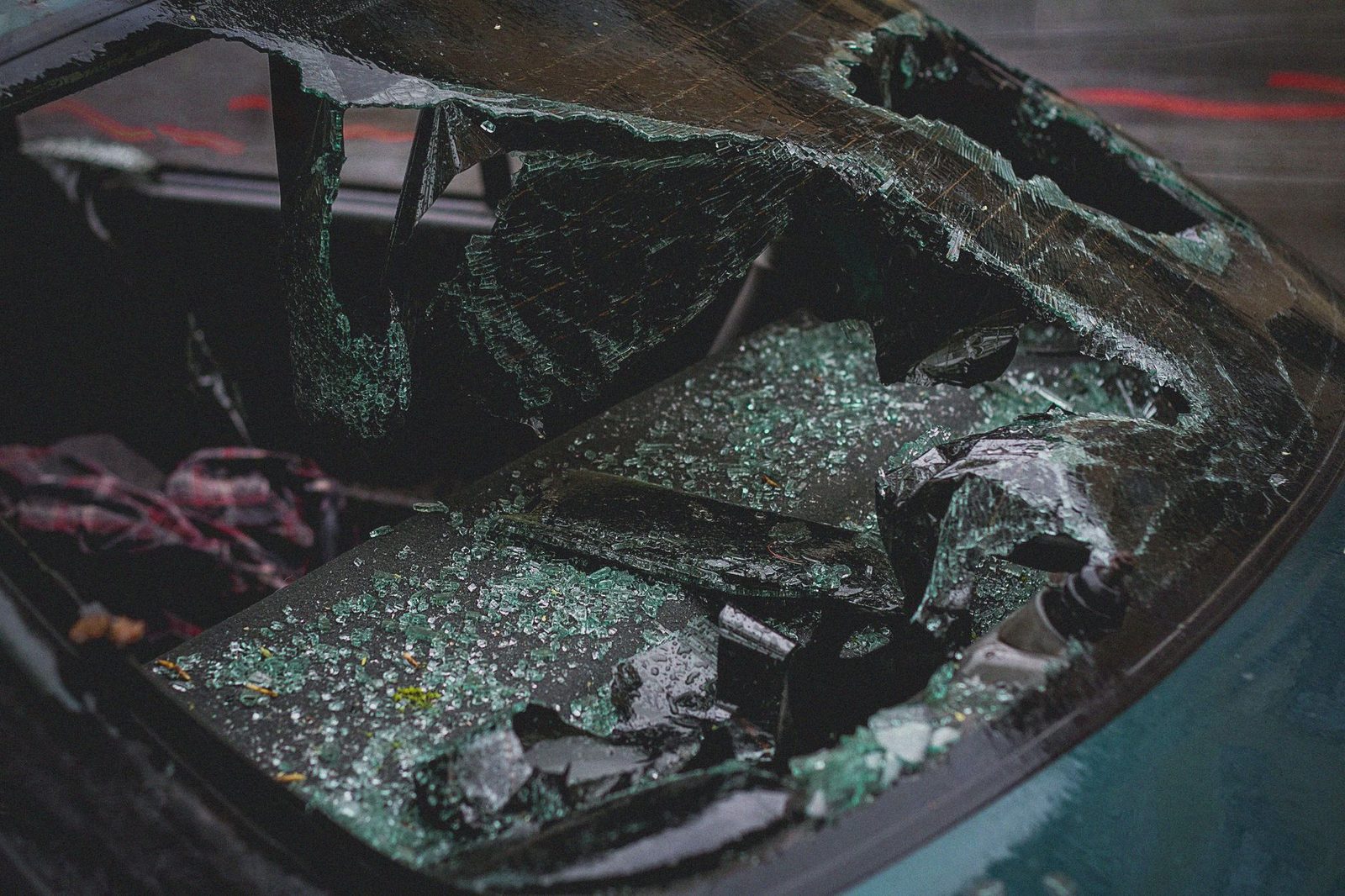
How Property Damage and Injury Claims Differ
A car accident property damage vs injury claim differs mainly in the proof. Vehicle claims rely on repair records. Injury claims rely on medical records.
Vehicle damage can often be assessed soon after the crash. A repair shop can write an estimate, and photos show what happened to the car. The full picture of an injury takes longer. Symptoms may change over time, and a doctor needs time to understand them.
The losses are measured differently, too. Repair bills and rental receipts have clear dollar amounts. Pain, lost work, and changes in daily life are harder to put on paper. A medical record and a simple written log of symptoms can help fill that gap.
Both claims often go to the same insurer. Keep them in separate folders, one for the vehicle and one for medical care. Each file is easier to follow that way.
Get the Police Report and Document the Scene
A police crash report is the main official record of a crash. It lists the date, the people involved, and the conditions at the scene. Ask the investigating agency how to request a copy once the report is available.
At the scene, or as soon as you safely can, take these steps:
- Photograph the vehicle damage from several angles.
- Photograph the road, lighting, and weather.
- Write down the other driver’s name, insurance details, and license plate number.
- Get the names and phone numbers of any witnesses.
- Note any injury you can see or feel, even minor ones.
A written record made from the start can support both the vehicle and the injury parts of a claim. Notes made the same day are usually easier to rely on than memories pieced together weeks later.
Repair Costs, Rental, Towing, and Diminished Value
Property damage claims usually cover repair or replacement of the vehicle. They can also include towing, storage, and a rental car while the vehicle is unavailable.
Start with a repair estimate from a licensed repair shop. If repair costs may be higher than the vehicle’s value, the insurer may treat the car as a total loss. In that case, the insurer values the vehicle before it pays.
Diminished value is a separate item. It is the drop in a vehicle’s market value after a crash that was repaired. Some insurers may dispute whether diminished value is owed, so keep records of the vehicle’s condition and repair history. Keep receipts, estimates, invoices, and rental agreements together in one place.
When Injuries Appear Later and Why Medical Records Matter
Some crash injuries may not cause clear symptoms right away. A medical evaluation after any crash is a sensible first step for your health.
Some injuries are serious. Car accidents can cause spinal cord injury, which may lead to permanent loss of function or sensation below the injury, according to the MedlinePlus spinal cord injury guide. The Reeve Foundation spinal cord injury fact sheet explains that these injuries are described as complete or incomplete, and that the level and severity affect function.
Medical records are central to most injury claims. Diagnosis notes, imaging reports, and treatment plans show what doctors found and what they recommended. Describe your symptoms fully at each visit, including ones that seem minor. Keep copies of visit summaries and prescriptions.
Talking to the Insurance Company Before You Decide
Be careful what you say to an insurer, because early statements can affect later claims.
West Virginia law limits some early settlement contact after a personal injury. Under W. Va. Code § 55-7-11a, certain settlement steps are restricted for 20 days after the injury while the injured person is a hospital inpatient or is partially or totally unable to do their usual work. The statute has an exception for a person acting or intending to act for and on behalf of the injured person, who may obtain a statement upon the injured person’s express request. Under W. Va. Code § 55-7-11a, an injured person may disavow a settlement, release of liability or statement made in violation of that section within one hundred eighty days from the date of the injury, by signing a written statement of disavowal and sending a copy to the person who violated the section; the settlement, release or statement may then be kept out of evidence if any money paid for it is repaid or returned at the time the copy is sent.
Keep a few habits in mind. Avoid guessing about speed, fault, or injuries. Don’t sign a release before you understand your injuries. A release may limit what you can later ask for, so read it closely. Keep copies of every letter, email, and call note.
Filing a claim is different from suing an insurer. Under W. Va. Code § 33-11-4a, a third-party claimant may not bring a private lawsuit for an unfair claims settlement practice.
Not sure what your next step is?
Talk it through with Big Bubba — the first case review is free, confidential, and carries no obligation.

Can You Pursue Both Claims, and Where to Start
A person may be able to pursue both claims from one crash. The order and the coverage involved depend on the facts.
Fault matters. West Virginia uses comparative fault. Under W. Va. Code § 55-7-13c, a person’s own share of fault can reduce a recovery. It bars recovery only when that share is greater than the combined fault of everyone else responsible. W. Va. Code § 55-7-13c reads: “(c) Any fault chargeable to the plaintiff shall not bar recovery by the plaintiff unless the plaintiff’s fault is greater than the combined fault of all other persons responsible for the total amount of damages, if any, to be awarded.” A crash involving a driver from another state can add steps, so ask early.
Timing matters too. West Virginia generally allows two years to file a personal injury lawsuit, and exceptions may apply. The same statute, W. Va. Code § 55-2-12, sets two years for claims for damage to property.
Frequently Asked Questions
Can I pursue a property damage claim and an injury claim from the same crash?
A person may be able to pursue both. The two claims are often handled as separate parts of one claim.
Do I need a police report?
A police crash report is a common record of the crash. It can help support both the vehicle and injury parts of a claim.
How long do I have to file?
West Virginia generally allows two years for a personal injury lawsuit, and exceptions may apply.
If you’re still sorting out a damaged car, an injury that may still be developing, or both, you don’t have to decide alone. Reach out to the firm for a free case review, and we can talk through what your situation may involve.