
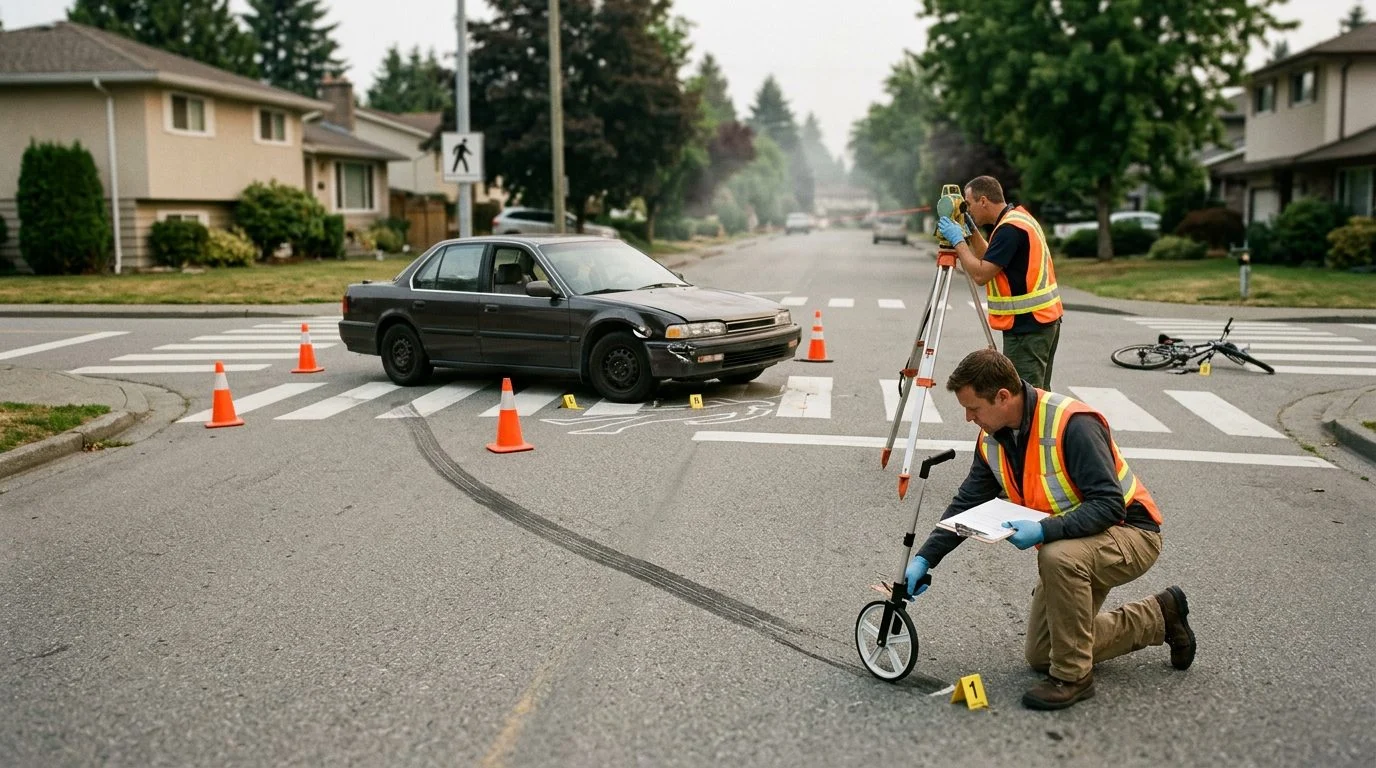
Catastrophic Brain Injury
Catastrophic Brain Injury from a Vehicle Accident: What You Need to Know
A severe brain injury from a crash changes everything. Big Bubba Injury Law helps families across West Virginia navigate recovery, care, and legal claims.
Published October 04, 2026
Catastrophic Brain Injury from a Vehicle Accident: What You Need to Know
A catastrophic brain injury from a vehicle accident is severe, permanent damage to brain tissue caused by the force of impact, resulting in lifelong disability, loss of independence, and the need for ongoing care. Unlike a mild concussion, which may resolve within weeks, a catastrophic brain injury fundamentally changes a person’s cognitive, physical, and emotional functioning—often permanently.
Vehicle crashes are among the leading causes of catastrophic brain injury. Even at moderate speeds, the sudden deceleration and violent movement of the head can cause the brain to shift and tear inside the skull. The force doesn’t need to fracture the skull to cause devastating harm.
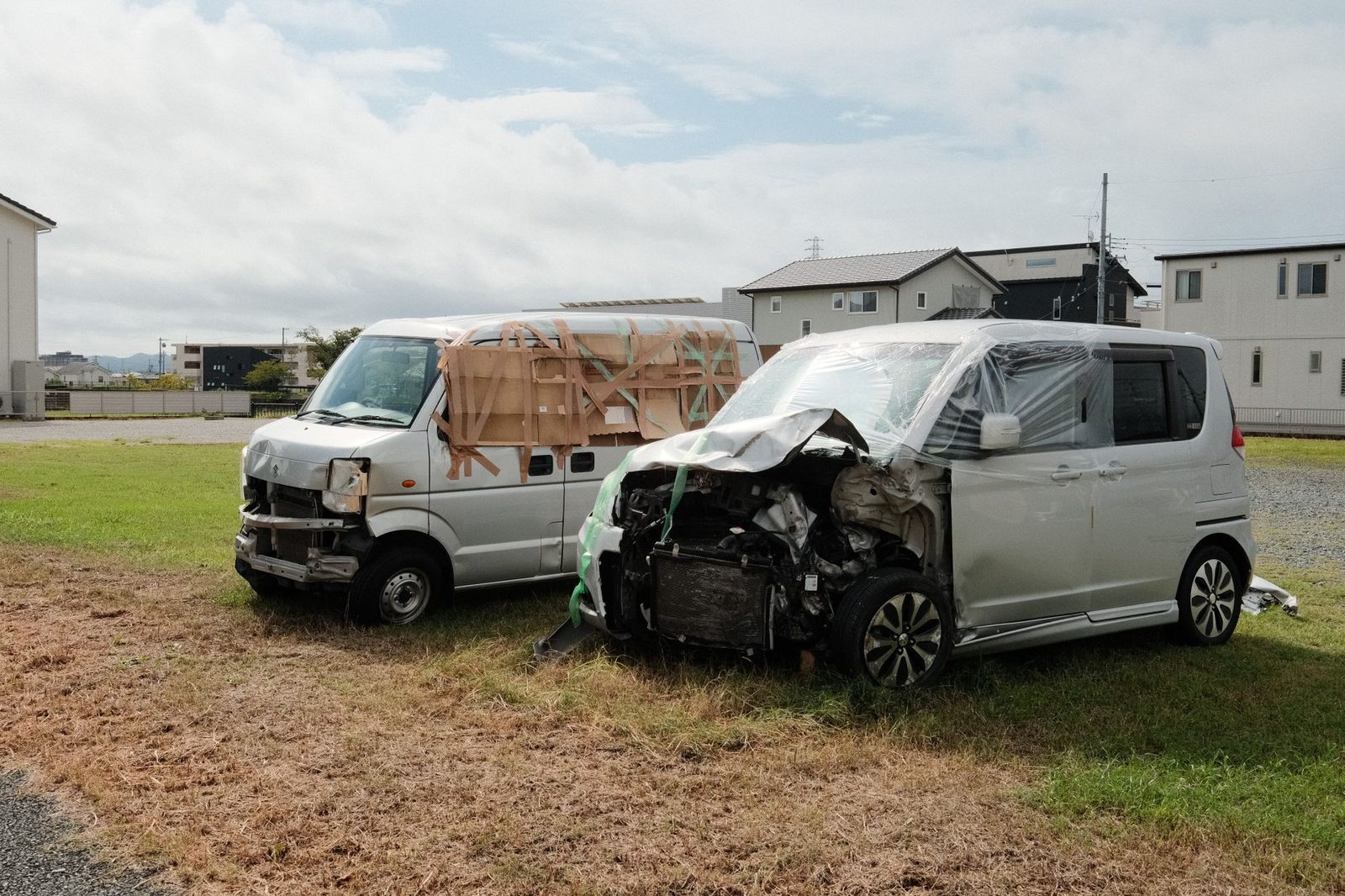
If you or a family member suffered a catastrophic brain injury in a vehicle crash, you may have a claim against the driver or company responsible. Talk it through with our team — the first case review is free, confidential, and carries no obligation.
What Is a Catastrophic Brain Injury?
A catastrophic brain injury involves severe, permanent damage to brain tissue from blunt force or penetrating trauma that results in long-term disability and loss of function. The distinction from mild traumatic brain injury (TBI)—commonly called a concussion—lies in the scope of damage, recovery timeline, and permanent effects.
Mild TBI (concussion) typically causes temporary symptoms: headache, dizziness, memory problems, and confusion that resolve within days to weeks with rest and gradual return to activity.
Catastrophic brain injury causes permanent neurological damage. The person may never return to their pre-injury level of function. They may require 24-hour care, lose the ability to work, communicate, or care for themselves, and face a lifetime of medical treatment, therapy, and adaptation.
How Vehicle Accidents Cause Catastrophic Brain Injury
The human brain floats inside the skull in cerebrospinal fluid. In a vehicle crash, sudden deceleration or impact causes the brain to move violently within the skull—sometimes striking the inside of the skull multiple times. This violent movement can:
- Tear nerve fibers across the brain (diffuse axonal injury)
- Bruise brain tissue at the point of impact and on the opposite side (coup-contrecoup injury)
- Rupture blood vessels, causing bleeding inside or around the brain
- Increase intracranial pressure (pressure inside the skull), which can compress and damage brain tissue
Speed matters, but so does the type of collision. A head-on crash, rollover, or T-bone collision creates multi-directional forces that are particularly likely to cause catastrophic injury. Even a crash at 30 mph can cause severe brain injury if the head strikes the windshield, dashboard, or side window—or if the brain shifts violently inside the skull without any external head strike.
What Are the Most Common Brain Injuries Caused by Car Accidents?
Vehicle crashes commonly cause several types of brain injury:
Diffuse Axonal Injury (DAI) occurs when the force of impact causes nerve fibers (axons) to shear across the brain. The damage is widespread rather than localized to one area. DAI is often catastrophic because the shearing affects communication between different brain regions. People with severe DAI may lose consciousness for extended periods and suffer permanent cognitive and physical disability.
Contusions are bruises on the brain tissue. They occur at the point of impact (coup injury) and often on the opposite side of the brain where it strikes the inner skull (contrecoup injury). Large contusions can cause swelling and increased intracranial pressure, requiring emergency surgery.
Subdural Hematoma is bleeding between the brain and the dura mater (the membrane surrounding the brain). Blood accumulates and forms a clot that compresses brain tissue. Acute subdural hematomas develop within 72 hours of injury and are medical emergencies requiring immediate surgery.
Subarachnoid Hemorrhage is bleeding in the space between the brain and the innermost membrane surrounding it. This type of bleeding can cause severe headache, stiffness, and increased intracranial pressure. It often requires emergency intervention.
Penetrating Injuries occur when an object pierces the skull and brain tissue—less common in vehicle crashes but devastating when they occur (e.g., from shattered glass or metal fragments).
The reason vehicle accidents are high-risk for catastrophic brain injury is the combination of speed, sudden deceleration, and multi-directional forces. A person’s head may be moving forward at 40 mph and then stop in milliseconds. The brain continues moving inside the skull, causing severe shearing and tearing.
How Long Does It Take for the Brain to Heal After a Car Accident?
Recovery from catastrophic brain injury unfolds in phases, and the timeline depends on injury severity, age, pre-existing health conditions, and access to rehabilitation.
Acute Phase (Hours to Days): Immediately after injury, swelling develops. The brain’s protective response—inflammation—can worsen outcomes if severe. Doctors focus on preventing secondary injury: controlling intracranial pressure, managing bleeding, and stabilizing vital functions. This phase is critical. Early intervention can minimize permanent damage.
Subacute Phase (Weeks to Months): As swelling decreases, the brain begins to reorganize. Neuroplasticity—the brain’s ability to form new connections—allows some recovery of lost function. Rehabilitation therapy (physical, occupational, speech, cognitive) helps retrain the brain and body. Progress can be visible but often plateaus.
Chronic Phase (Months to Years): For catastrophic injuries, this phase focuses on adaptation rather than “healing” in the traditional sense. The person learns to live with permanent changes. Ongoing therapy, medications, and assistive devices help maximize remaining function and quality of life.
Why catastrophic injuries differ: The damage is so extensive that the brain cannot fully repair itself. Instead of returning to baseline, the person adapts to a new baseline. A person with severe DAI or extensive contusions may never regain consciousness, or may regain it but remain severely disabled. Recovery is not linear. Setbacks are common. Progress is often slow and plateaus early.
Individual variation is significant. A younger person may recover more function than an older person with the same injury. Access to intensive rehabilitation improves outcomes. Pre-existing conditions (prior TBI, cognitive impairment, substance use) worsen prognosis. Some people make surprising gains years after injury; others do not.
Why Symptoms Are Often Delayed
One of the most dangerous aspects of brain injury is that symptoms may not appear immediately after a crash. A person can feel “fine” at the scene, even with a severe brain injury developing.
Adrenaline and shock mask pain and confusion. The body’s stress response floods the system with hormones that dull sensation and heighten focus—temporarily.
Swelling develops over hours. Brain swelling (cerebral edema) increases intracranial pressure. As pressure rises, symptoms worsen: headache intensifies, confusion deepens, drowsiness increases. A person who seemed alert at the scene may deteriorate hours later.
Cognitive and behavioral changes may take days or weeks to emerge. Memory problems, difficulty concentrating, mood changes, and personality shifts often don’t appear until after the acute medical crisis has passed.
Red flags requiring emergency care include: – Loss of consciousness (even briefly) – Severe or worsening headache – Vomiting or nausea – Confusion or disorientation – Seizures – Slurred speech – Inability to wake up
If any of these occur after a vehicle accident, call 911 immediately. Do not wait to see if symptoms improve. Early medical evaluation and imaging (CT scan or MRI) can identify bleeding, swelling, or other injuries that require urgent treatment.
Not sure what your next step is?
Talk it through with our team — the first case review is free, confidential, and carries no obligation.
What Is Considered a Catastrophic Brain Injury?
Medical professionals classify brain injury severity using the Glasgow Coma Scale, which rates consciousness and responsiveness on a scale of 3 to 15:
- Mild TBI: GCS 13–15 (alert and oriented, may have brief loss of consciousness)
- Moderate TBI: GCS 9–12 (reduced consciousness, confusion)
- Severe TBI: GCS 3–8 (profound unconsciousness or minimal responsiveness)
A catastrophic brain injury is typically classified as severe TBI, but the legal and practical definition goes further: it is an injury that causes permanent disability and loss of independence.
Permanent disability may include: – Loss of consciousness lasting more than 24 hours – Persistent vegetative state (eyes open but no awareness) – Minimally conscious state (inconsistent signs of awareness) – Permanent cognitive impairment (inability to think, remember, or reason at pre-injury level) – Permanent physical disability (paralysis, loss of motor control, chronic pain) – Permanent behavioral or emotional changes (personality change, aggression, depression) – Loss of ability to work, communicate, or care for oneself
Why classification matters: It guides medical treatment, rehabilitation planning, and legal claims. A catastrophic injury requires lifetime care planning and compensation that accounts for decades of medical costs, lost earning capacity, and caregiver support.
Long-Term Effects of Catastrophic Brain Injury
The effects of catastrophic brain injury extend far beyond the first weeks of recovery. They reshape the lives of the injured person and their entire family.
Cognitive changes include memory loss (short-term, long-term, or both), difficulty concentrating, impaired judgment, slow processing of information, and difficulty learning new information. A person may not recognize family members or may lose years of memories.
Physical effects include paralysis or weakness (from damage to motor pathways), loss of coordination, chronic pain, seizures, sleep disturbances, and loss of sensation. A person may be unable to walk, use their hands, or control basic bodily functions.
Behavioral and emotional changes include personality shifts (a kind person becomes irritable; an outgoing person becomes withdrawn), depression, anxiety, aggression, impulsivity, and emotional lability (rapid mood swings). These changes are not willful; they result from brain damage and are often the most difficult for families to manage.
Loss of independence is profound. A person may require assistance with bathing, dressing, toileting, eating, and medication management. They may need 24-hour supervision for safety. They cannot work, drive, or live alone.
Lifetime medical costs are substantial: emergency and hospital care, ongoing medical appointments, medications, rehabilitation therapy (physical, occupational, speech, cognitive), adaptive equipment (wheelchairs, communication devices, safety equipment), home modifications (wheelchair ramps, accessible bathrooms, medical equipment), and professional or family caregiver costs.
Impact on family is equally profound. Family members become caregivers, often leaving jobs or reducing work hours. The emotional toll is severe: grief over the loss of the person they knew, stress from caregiving demands, financial strain, and isolation. Caregiver depression and burnout are common.
What Compensation May Be Available for TBI Victims?
When a catastrophic brain injury results from another person’s negligence—a reckless driver, a commercial truck driver violating safety rules, or a company with poor safety practices—the injured person and their family may pursue compensation.
Medical expenses include emergency care, hospitalization, surgery, imaging, medications, and ongoing medical treatment. For catastrophic injury, these costs often exceed $1 million over a lifetime.
Rehabilitation and therapy costs include physical therapy, occupational therapy, speech therapy, cognitive rehabilitation, and mental health counseling. Intensive rehabilitation in the first year after injury is critical but expensive.
Lost wages and lost earning capacity account for income lost during recovery and the permanent loss of earning ability. For a working-age person with catastrophic injury, this is often the largest component of damages.
Home and vehicle modifications make the home and vehicle accessible: wheelchair ramps, accessible bathrooms, modified kitchen, specialized vehicle lifts, and adapted controls.
Pain and suffering (non-economic damages) compensate for the permanent injury, loss of quality of life, loss of enjoyment of activities, and ongoing physical and emotional pain.
Caregiver costs include professional caregiving, or compensation to family members who leave work to provide care.
Why working with a legal team matters: Identifying all damages requires understanding both medical and financial consequences. Insurance companies and defendants often underestimate long-term costs. An attorney works to make sure lifetime care needs are accounted for when a settlement or award is pursued.
The Importance of Seeking Medical Attention Promptly
Immediate medical evaluation after a vehicle accident is critical, even if you feel fine.
Early diagnosis enables early intervention. CT or MRI imaging can identify bleeding, swelling, or other injuries before they worsen. Early treatment—medication to reduce swelling, surgery to stop bleeding, intensive monitoring—can minimize permanent damage.
Medical documentation creates the record needed for both treatment and legal claims. Emergency room notes, imaging results, specialist consultations, and hospitalization records establish the severity of injury and the medical care required. This record is essential if you later pursue a legal claim.
Baseline for recovery is established early. Initial imaging and neurological exams guide rehabilitation planning and help measure progress (or lack thereof) over time.
Why delays matter: Complications increase with delay. A subdural hematoma can expand over hours, causing herniation (a life-threatening emergency). Swelling can cause permanent damage if not managed. Medical records with gaps raise questions about injury severity and may weaken a legal claim.
What to do immediately after a vehicle accident: 1. Call 911 if anyone is injured or if you suspect head injury 2. Seek emergency evaluation even if symptoms seem mild 3. Follow all medical recommendations for imaging, specialist consultation, and follow-up care 4. Keep all medical records, bills, and documentation 5. Document the accident scene (photos, witness names and contact information) 6. Report the accident to your insurance company
Have questions about what happened?
Ask our team directly. The first conversation is free, confidential, and there is no obligation to continue.
Next Steps If You or a Loved One Has Suffered a Catastrophic Brain Injury
If you or a family member has suffered a catastrophic brain injury in a vehicle accident, you face immediate medical, financial, and legal decisions.
Prioritize medical care: Emergency evaluation, specialist consultation (neurosurgeon, neurologist, physiatrist), and rehabilitation planning are the first steps. Your medical team’s recommendations guide your recovery and your legal case.
Document everything: Keep all medical records, hospital bills, accident scene photos, witness statements, insurance information, and communications with insurance companies. This documentation is essential for both medical treatment and legal claims.
Understand your rights: If the vehicle accident resulted from another person’s negligence—a distracted or reckless driver, a commercial truck driver violating safety rules, or a company with inadequate safety practices—you may have a legal claim for compensation. Under West Virginia law, you generally have two years to file a personal-injury lawsuit, counted from when the right to sue accrued, and exceptions may apply. West Virginia follows a modified comparative fault rule: if you are partly at fault, your damages are reduced by your percentage of fault, but you can still recover as long as your fault is not greater than 50%.
Consider legal guidance: A personal-injury attorney can help identify all damages, gather evidence, negotiate with insurance companies, and pursue fair compensation. In catastrophic injury cases, the stakes are high: lifetime care costs, lost earning capacity, and non-economic damages require careful calculation and skilled advocacy.
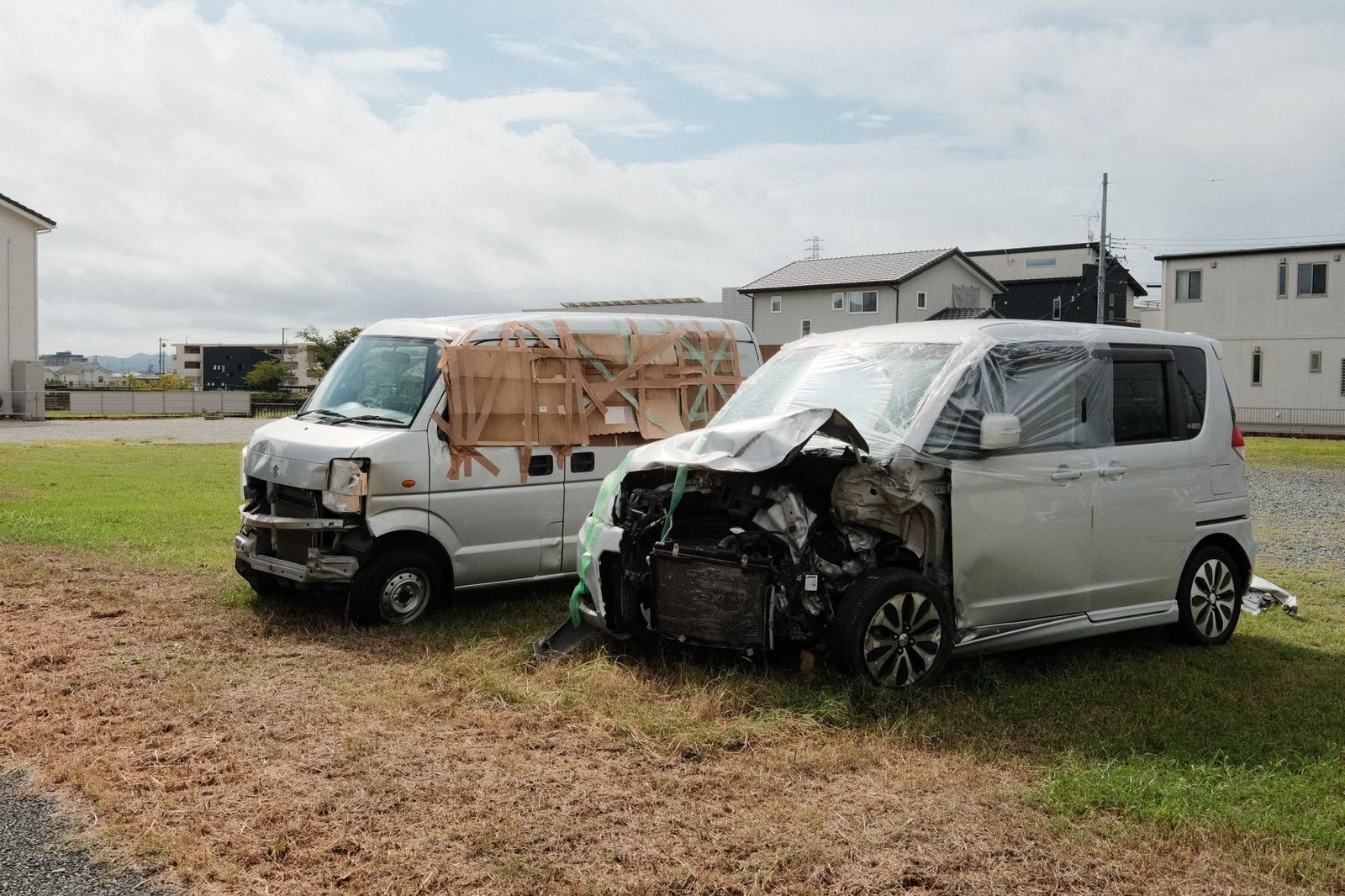
Why timing matters: Evidence preservation is critical. Accident scenes change, witnesses’ memories fade, and vehicle damage is often repaired or scrapped. Early investigation by an attorney protects your case. Additionally, West Virginia generally allows two years to file a personal-injury lawsuit, and exceptions may apply; missing the deadline may bar your claim (W. Va. Code § 55-2-12).
If you or a family member suffered a catastrophic brain injury in a vehicle crash, you may have a claim against the driver or company responsible. People in your situation can reach out to us to understand what comes next. Contact us for a free case review to discuss your situation and learn what options may be available to you.
Related practice areas
- Traumatic Brain Injury from Car and Truck Accidents in West Virginia
- Traumatic Brain Injury in West Virginia
- Traumatic Brain Injury in Charleston
- Traumatic Brain Injury in Huntington