
Car Accidents | West Virginia
Your Car Was Totaled in a Crash? Here's What Comes Next
A total loss letter can raise hard questions about your vehicle, your paperwork, and your next steps. Knowing what to expect can help you decide what to do.
Published November 22, 2026
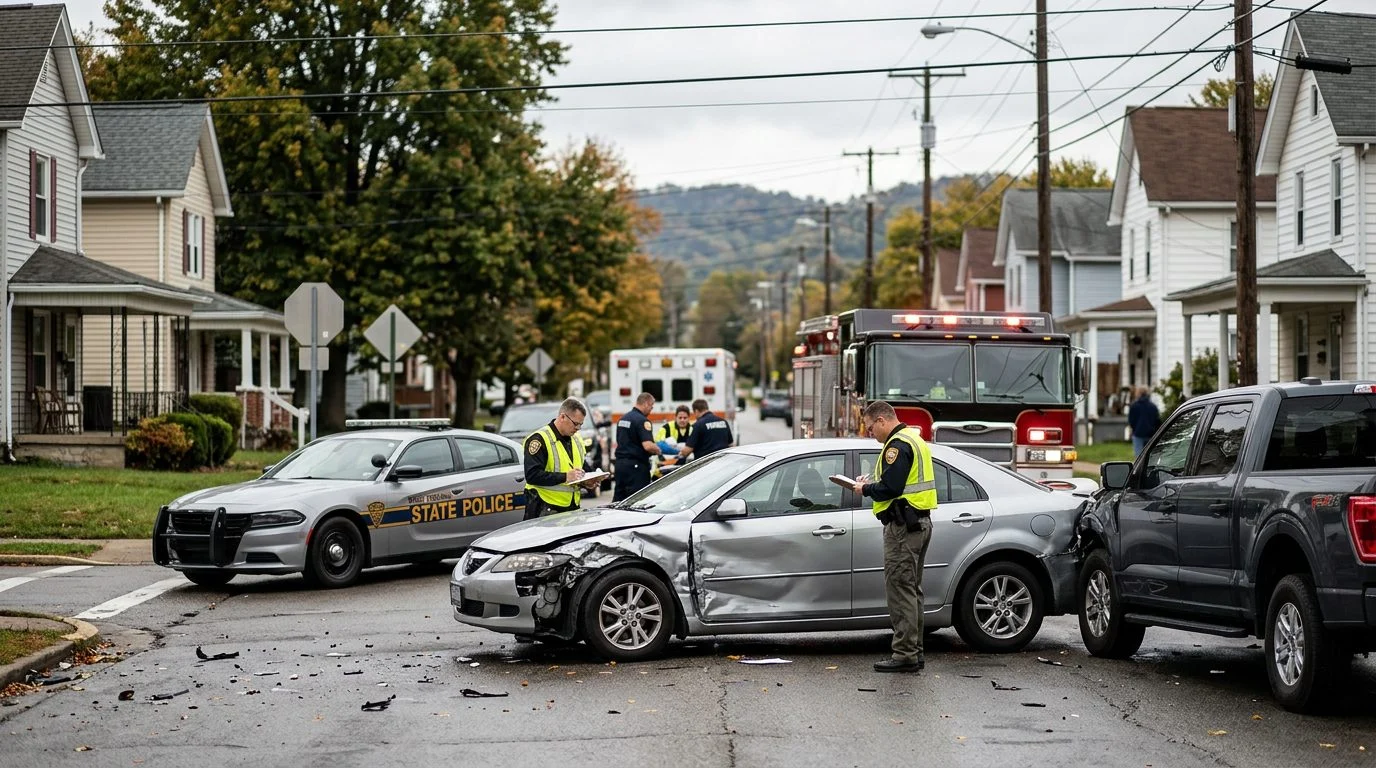
Your car was badly hurt in a crash, and now someone is telling you it’s totaled. That news often arrives during a hard week, along with medical visits and questions about money.
When a car is not worth repairing after a crash, it is called a total loss. In West Virginia, the insurer usually makes that call, then sets a value and handles the paperwork. Here is how that process generally works.
What a Total Loss Means After a Car Accident in West Virginia
A total loss means the insurer has decided the car is not worth repairing after the crash. Insurers generally compare the repair estimate with the car’s value before the crash. How each insurer applies that comparison may vary, so two similar cars can be handled differently.
In most cases, the insurer makes the first decision, not the driver. You can still ask how it reached that decision and request the numbers in writing. Keep the claim number and the name of the adjuster handling your file.
Don’t assume the first letter is final. Read it closely and note the dates it lists. Write down every phone call, including who you spoke with and what was said.
A crash that hurts you may also change how much you can handle at once. Injury issues are covered later on this page.
If a crash left your car totaled while you're also dealing with an injury, you don't have to sort it out alone, so reach out for a free case review. Talk it through with Big Bubba — the first case review is free, confidential, and carries no obligation.

How the Value of a Totaled Vehicle Is Determined
Many insurers start with actual cash value, which is what your car was worth shortly before the crash. This figure is often set in a valuation report.
A valuation report usually compares your car with similar vehicles in the local market. It may adjust for mileage, condition, options and any damage the car had before the crash. Missing options or recent upkeep can lead to a lower figure, so gather records of new tires, repairs or inspections.
You may review the report and point out errors. Ask for the basis of the number in writing. Some insurers may dispute a value, and a driver can send documents that show the car’s true condition. Whether that changes the figure depends on the facts of your claim.
Which Insurance Coverage May Pay for a Totaled Car
Several kinds of coverage may pay for a totaled car, depending on who was at fault and which policies apply. Your own policy and the other driver’s policy may both be part of the picture.
West Virginia requires motor vehicle insurance. The West Virginia DMV insurance information explains the mandatory coverage rules and proof of insurance. Liability coverage generally pays for damage you cause to other people, not your own car.
If you carry collision coverage, it may pay for your car regardless of fault, subject to your deductible and policy terms. If another driver was at fault, the damage to your car may be claimed through that driver’s insurer as a property damage claim.
West Virginia law requires auto policies to include uninsured motorist provisions. These may matter when the at-fault driver has no insurance. See W. Va. Code § 33-6-31.
Title, Salvage Paperwork and Moving the Vehicle
When an insurer pays a total loss claim, it often takes ownership of the car. You may need to sign the title over using the insurer’s instructions.
After payment, the car may go to a salvage yard. Its title may later carry a salvage or rebuilt designation, which can affect how it is sold in the future.
Towing and storage charges can add up while a car sits at a tow yard. Ask early when the car will move and who is handling those charges. Remove personal items from the car before it is released, if the insurer allows it.
Do I have to sign over the title?
Often, yes, when an insurer pays a total loss claim. Follow the insurer’s written instructions so the transfer is handled correctly.
Loans, Leases and Lienholders After a Total Loss
If a loan is still owed on the car, the lienholder may be part of the settlement. The payoff amount and the car’s value can be different numbers.
If you owe more than the car is worth, gap coverage may cover the difference, depending on your policy. Check whether you have it before you assume you owe the gap yourself.
A leased car follows the terms of the lease and the leasing company’s requirements. These rules can differ from those for a car you own. Keep copies of loan statements, the lease agreement and every letter from the insurer.
What happens to a financed car after a total loss crash?
The lender is usually paid from the settlement when a loan is still open. Ask the lender for a written payoff statement.
Documents and Records to Keep After a Total Loss Crash
Keep records about the car, the crash and your injuries in separate folders. Organized records make every later question easier to answer.
Useful records include the crash report, the valuation report, the total loss letter, photos of the car and the scene, repair estimates, towing and storage records, and rental or transportation receipts. You can request a crash report from the investigating agency, which may charge its own copy fee.
Keep medical records and bills apart from vehicle records. Injury claims and property claims can move on different timelines.
Insurers may review your statements and written records later. Keep an accurate written account from the start, and keep receipts until every claim is closed.
Not sure what your next step is?
Talk it through with Big Bubba — the first case review is free, confidential, and carries no obligation.
When a Total Loss Crash Also Involves a Serious Injury
A totaled car and an injury often come from the same crash, but each claim may move on its own timeline. West Virginia generally allows two years to bring a personal action for property damage or personal injury, and exceptions may apply. See W. Va. Code § 55-2-12.
Early in an injury, state law limits certain contacts. See W. Va. Code § 55-7-11a. See [W.
Shared fault can also change your claim. West Virginia bases recovery on comparative fault, which assigns each person a percentage of blame. See W. Va. Code § 55-7-13a.
Some crash injuries are serious. Motor vehicle accidents can cause spinal cord injury, which may bring weakness, paralysis or loss of feeling. For a wider look at head injuries, see traumatic brain injury claims.
If symptoms appeared days or weeks after the crash, or you’re unsure whether you share responsibility, those questions deserve their own review.

Understanding a Totaled Car and an Injury Claim
If you’re handling a totaled car, insurance letters and your own recovery at the same time, you don’t have to sort it all out alone. Many families face this with a loved one who is still in treatment.
The firm handles car accident claims, truck accident and commercial vehicle claims, catastrophic injury cases, and wrongful death claims for families. We serve injury victims across West Virginia, including Charleston, Huntington, Morgantown, Wheeling, Martinsburg, Parkersburg, Beckley, Clarksburg, Fairmont and Weirton.
If you want to talk through where your claim stands, you can request a free case review. The review is confidential and carries no obligation to continue.