
West Virginia Car Accident Help
Car Damage and Rental Help After a West Virginia Crash
Your vehicle, your rental car, and your injuries can each need attention. Here is how to keep them organized while you recover.
Published November 21, 2026
After a crash, the car is often the first thing people worry about. A damaged vehicle, a tow bill, and a rental question can all show up in the same week.
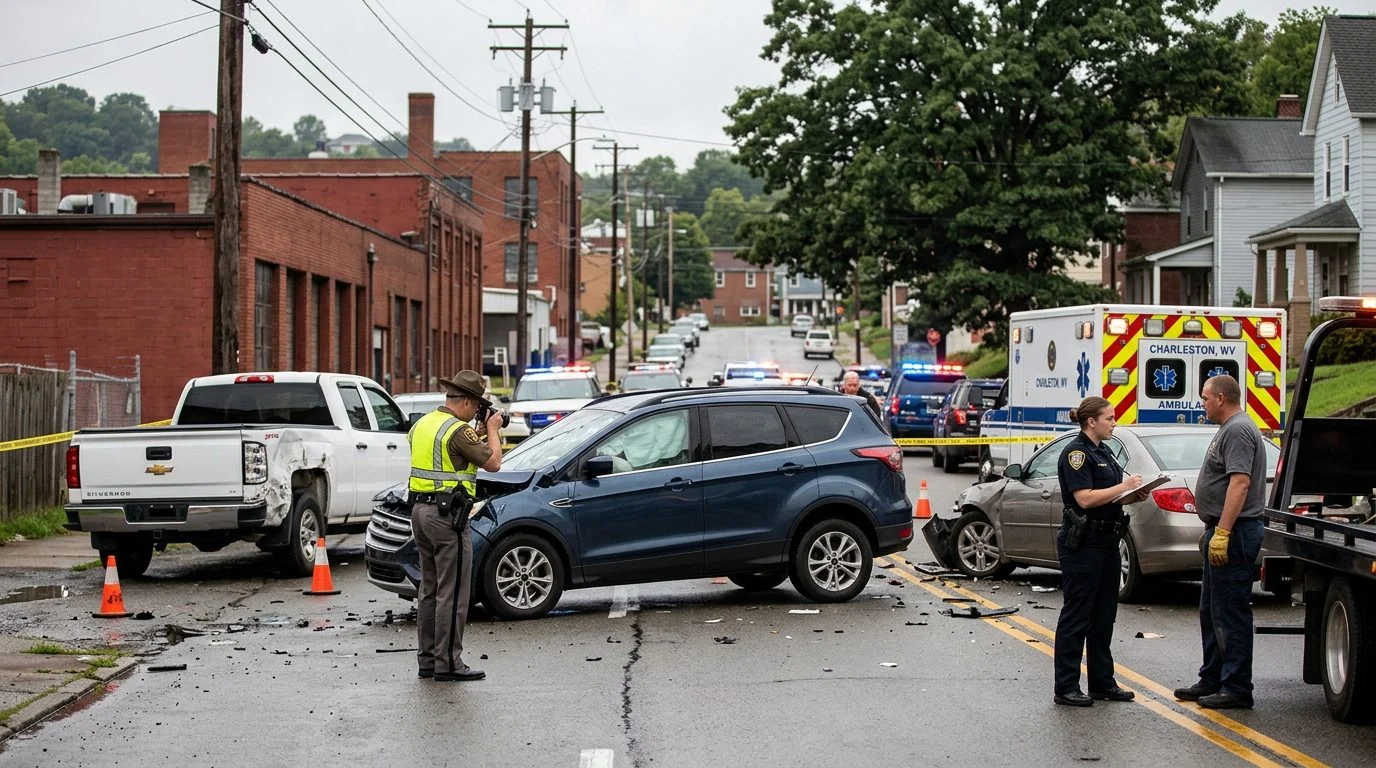
Car property damage after an accident in West Virginia covers harm to your vehicle and the things inside it. It is handled separately from bodily injury. A claim may include repairs, a total loss, towing and storage, rental help, and personal items. Who pays depends on who was at fault and which insurance policies apply. This page explains each category in plain words, along with the records that help and the time limits to keep in mind.
What Counts as Car Property Damage After an Accident?
Property damage is physical harm to things, not to your body. The most common category is the vehicle itself. That includes repair work, a total loss, and towing and storage charges.
Personal items inside the car can also count. Phones, car seats, helmets, eyeglasses, tools, and laptops are common examples. Many people forget these items until days later, so make a list while the details are fresh. A damaged phone or laptop can matter as much to its owner as the car does.
Pain and suffering is a separate question from vehicle damage. Keep the two apart when you describe your losses, because each may follow its own rules. A claim for a crushed bumper and a claim for a sore neck are different conversations.
If your car is at a shop and a rental may be ending, you may have a claim worth discussing, and we can talk it through in a free case review. Talk it through with Big Bubba — the first case review is free, confidential, and carries no obligation.

How Loss of Use and Rental Car Help Work
Loss of use is the loss of having your vehicle while it is being repaired or replaced. It is a separate category from the repair bill itself. Someone who needs a car for work or school feels that loss right away.
A rental car may be addressed through the at-fault driver’s insurer, your own policy, or both. The answer depends on the coverage in place and on the facts of the crash. Coverage limits and time periods vary by policy and situation, so check the terms that apply to your claim.
Keep every rental receipt. Ask the shop for a written estimate and a note of when work started and finished. Write down the days your car was unusable. Short, dated notes made at the time are easier to rely on than memories pieced together months later. Gaps in that paperwork can make the claim harder to document.
Total Loss and Diminished Value Explained
A total loss generally means repair costs would be higher than the vehicle’s value before the crash. In that case, the claim may address the vehicle’s value rather than repairs. Whether a car is a total loss depends on the repair estimate and the vehicle’s value, so ask for both in writing.
Diminished value is a drop in a vehicle’s market value after it has been repaired from a crash. Some claims may include it. Whether it applies depends on the vehicle, the policy, and the facts.
Some insurers may dispute a claim or a valuation. If a number seems low, ask how it was calculated and request the explanation in writing. Compare it with your own records of the car’s condition before accepting it. Photos taken before repairs begin can help if the damage or the value is questioned later. Shoot the car from several angles, including the interior.
Who May Be Responsible for Vehicle Damage
If another driver was at fault, the claim for vehicle damage is generally made against that driver’s liability coverage. Fault is the central question in most claims. It is often examined through the police report, witness statements, and vehicle data.
Under W. Va. Code § 55-7-13a, in an action for personal injury, property damage, or wrongful death, recovery is based on comparative fault, and each person’s liability is allocated in direct proportion to that person’s percentage of fault. Under W. Va. Code § 55-7-13a, in any action based on tort or any other legal theory seeking damages for personal injury, property damage, or wrongful death, recovery is predicated upon principles of comparative fault. Under W. Va. Code § 55-7-13c, your recovery is reduced in proportion to your degree of fault when your fault is less than the combined fault of all other persons. It bars recovery only when your fault is greater than the combined fault of everyone else (W. Va. Code § 55-7-13c). That rule matters even when the damage looks one-sided.
Crashes involving a commercial truck or work vehicle may bring in the vehicle’s owner or employer. Who owns and controls the vehicle can affect where a claim goes. Rideshare trips may involve different policies, depending on the driver’s app status at the time of the crash.
If the other driver has no insurance, your own policy may include uninsured motorist coverage. West Virginia sets the rules for that option in W. Va. Code § 33-6-31. Some of that coverage can address property damage, and the statute sets the details.
Records to Gather and Deadlines to Keep in Mind
Gather the crash report, photos from several angles, repair estimates, tow and storage invoices, rental receipts, and a list of damaged personal items. These records do most of the work when a claim is reviewed.
A driver in a crash that damages only a vehicle that is driven or attended by someone must stop at the scene, or as close as possible, without obstructing traffic more than is necessary, must return to the scene right away and in every case remain there until the requirements of section three are fulfilled, and a driver who fails to do so is guilty of a misdemeanor (W. Va. Code § 17C-4-2). A crash with injury, death, or total property damage of $1,000 or more calls for immediate notice to the local police department if it occurs within a municipality, otherwise to the county sheriff or the nearest West Virginia State Police office (W. Va. Code § 17C-4-6).
West Virginia generally allows two years to file a personal action for property damage or personal injury. Exceptions may apply, so check the timing early (W. Va. Code § 55-2-12). Delayed reporting or missing records can make documentation harder to assemble.
Is vehicle damage the same as an injury claim?
Vehicle damage is property damage. An injury claim is a separate category with its own rules, so the two should be discussed separately.
When must the officer write a crash report?
For crashes involving injury, death, or total property damage of $1,000 or more, the investigating officer must prepare a report within 24 hours after completing the investigation (W. Va. Code § 17C-4-7).

Vehicle and Rental Questions After a Crash
If your car is still at a shop and a rental may be ending, the next steps can feel urgent. Big Bubba Injury Law handles car accident, truck accident, commercial vehicle, catastrophic injury, and wrongful death matters. We serve injury victims across West Virginia, including Charleston, Huntington, Morgantown, Wheeling, Martinsburg, Parkersburg, Beckley, Clarksburg, Fairmont, and Weirton. Brain injuries from a crash are a separate topic, and we handle traumatic brain injury claims too.
A damaged car, a running rental clock, and a list of lost personal items are a lot to sort out alone. Bring the crash report number, the shop’s name, and your photos to the conversation. To talk through the damage and loss of use from your crash, request a free case review.