
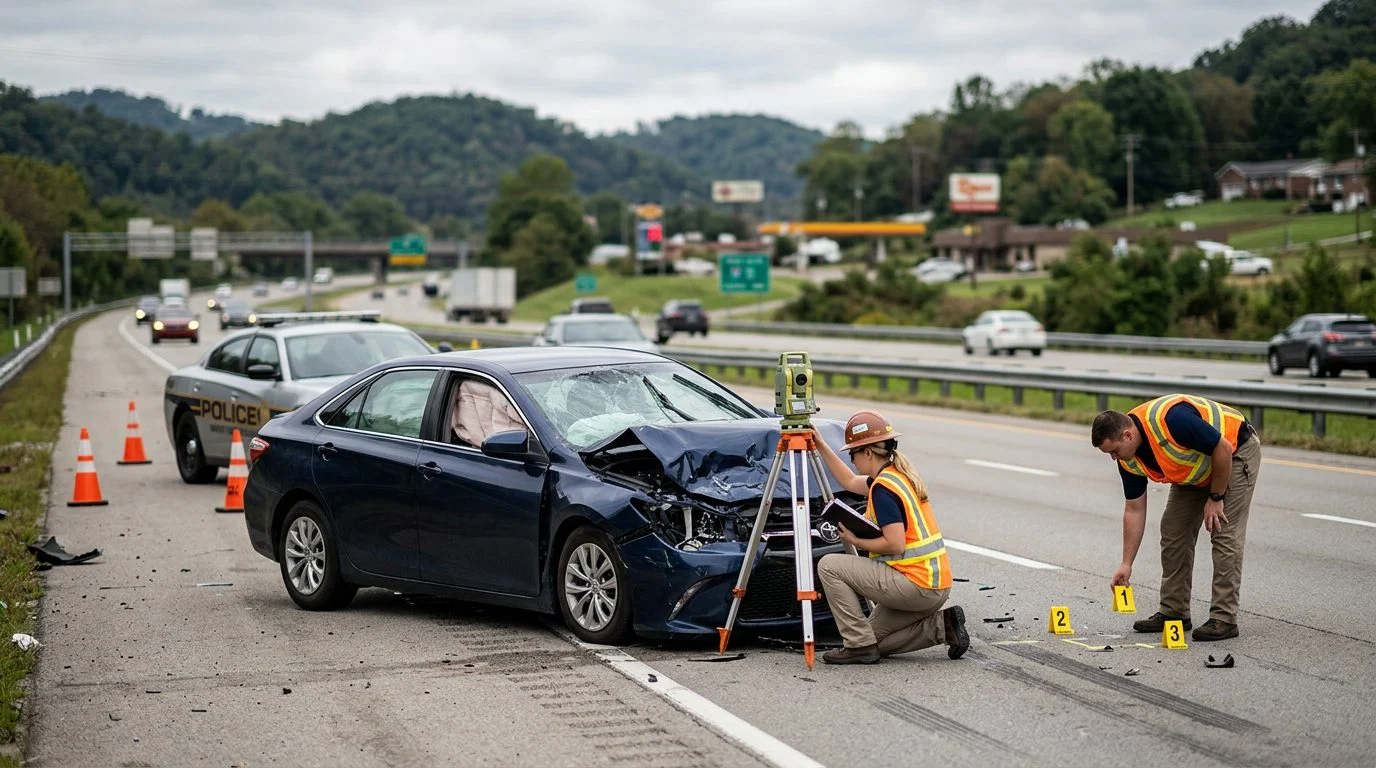
Car Accidents | West Virginia
Understanding 'Catastrophic Injury' After a Car Accident
Plain-language answers for families trying to make sense of medical terms, severity, and what comes next.
Published November 20, 2026
Someone you care about was hurt in a crash, and now you keep hearing the words “catastrophic injury.” You want to know what they mean.
After a car accident, “catastrophic injury” generally means serious harm that lasts a long time or is permanent. It changes how a person lives, works, or takes care of themselves. There is no single definition that applies everywhere, so the context matters.
This page explains what the term commonly covers, how severity is shown, and where truck and wrongful death issues fit. We serve West Virginia injury victims, including people in Charleston, Huntington, and Morgantown.
What “Catastrophic Injury” Generally Means
In most settings, a catastrophic injury is harm that is long-lasting or permanent. It changes how a person lives, works, and cares for themselves or their family.
Think about the difference between a broken leg that heals in a few months and a leg that may never fully work again. Families often feel that difference fast. Daily routines, job plans, and plans for children can all shift in a single day.
The term is not one legal definition. Medical records, insurance policies, state laws, and court decisions may each use the words in their own way. The setting matters, so the same injury can be described differently by different people.
The label matters because it often signals that recovery may take a long time and that future needs may be significant. That is why it tends to come up early in conversations with doctors, insurers, and family members.
If a crash left someone you love with lasting injuries, you don't have to sort out what it means alone. Request a free case review with our team to talk it through. Talk it through with Big Bubba — the first case review is free, confidential, and carries no obligation.
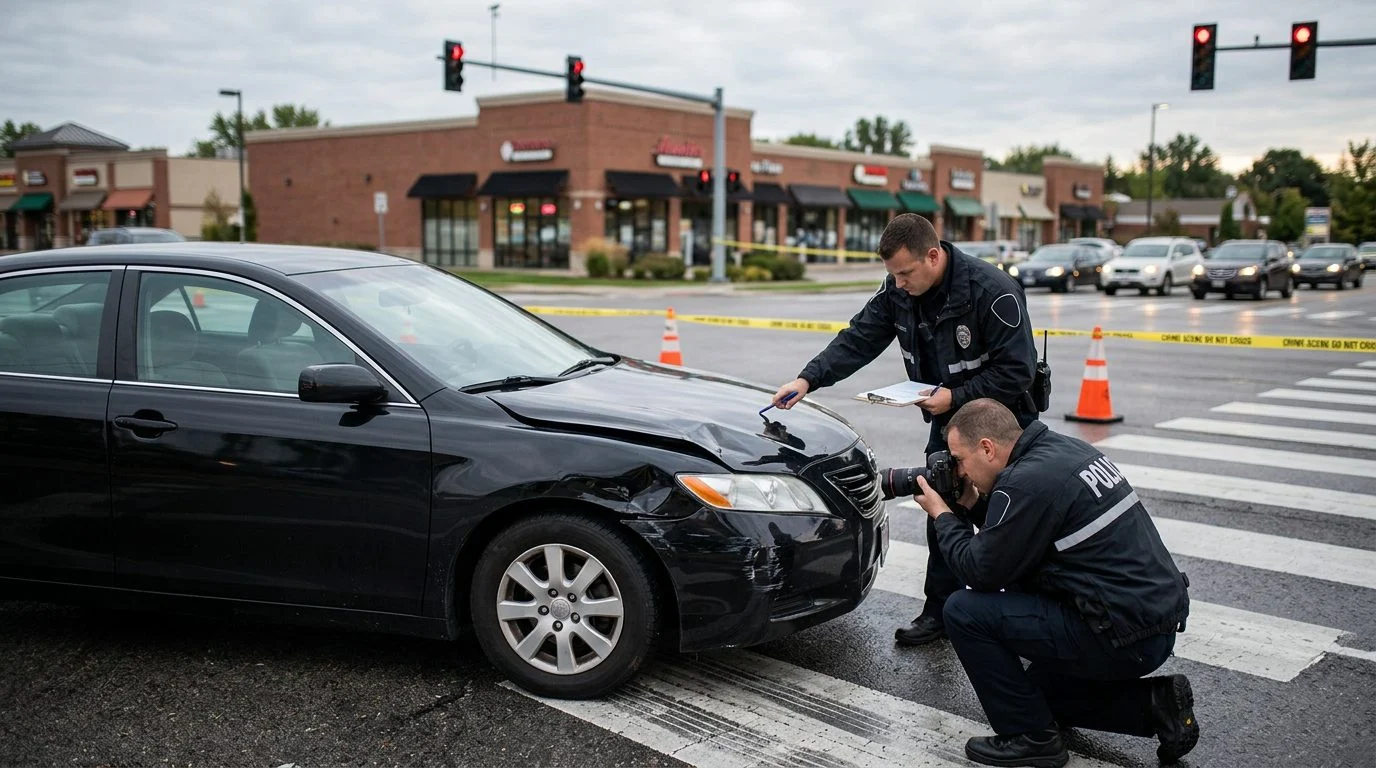
What Is Considered a Catastrophic Loss?
A catastrophic loss usually means a major, lasting loss of body function, a body part, or independence. That loss is the central idea behind the term.
In car crashes, examples include loss of a limb, paralysis, severe traumatic brain injury, serious burns, and crush or multiple-fracture injuries that leave lasting limits. Losing the ability to work or to live on one’s own can also be part of what people mean.
The key question is often whether the harm is expected to last. The crash itself is only part of the picture. What the injury does to daily life over the following months and years can matter as much as the first impression at the scene.
A treating provider’s view on how long limits may last is often the starting point. That view usually lands in medical records, which is why the next sections focus on documentation.
What Qualifies as a Serious Injury After a Car Crash?
Seriousness is usually shown through medical evidence that builds over time. A single scan or visit rarely tells the whole story.
Emergency and hospital records, imaging such as CT or MRI results, surgical notes, and a treating provider’s findings all help. So do ongoing symptoms, repeated treatment, rehabilitation, and work restrictions.
Some injuries are not clear in the first days after a crash. Traumatic brain injury effects may be long-lasting and may not be immediately apparent after an accident, so follow-up care matters (brain injury research review).
West Virginia’s Erin’s Law uses its own wording for lasting harm. For that statute, serious bodily injury covers, among other things, bodily injury that causes prolonged impairment of health or prolonged loss of the function of any bodily organ (Erin’s Law). That definition applies only to that statute. It still shows how state law describes lasting harm.
Common Catastrophic Injuries in Car Accidents
The injuries most often called catastrophic after a car crash include severe brain injuries, spinal cord injuries, amputations, and fractures that need repeated surgery.
Traumatic brain injury ranges from a concussion to severe injuries with lasting effects on thinking, mood, or movement. Our traumatic brain injury overview covers the subject in more depth.
Spinal cord injuries can result from trauma such as a car crash. Doctors describe them as complete or incomplete, and the level and severity of the injury affect movement, feeling, and walking. The spinal cord injury fact sheet from the Christopher & Dana Reeve Foundation explains the basics.
Amputations, severe burns, and multiple fractures needing repeated surgery are other injuries people often describe this way. Medical outcomes vary from person to person. A treating physician is the right source for a prognosis.
Physical, Emotional, and Financial Effects That Often Follow
Catastrophic injuries often change a person’s body, mind, and household finances at the same time. The effects can reach well beyond the injured person.
Physical effects can include chronic pain, limited mobility, a need for assistive equipment, and changes in strength or sensation. Some people also face new limits on sleep and energy.
Emotional effects can include anxiety, depression, and changes in personality or memory. Family members often notice these changes before the injured person does.
Financial effects can include lost work time, reduced earning ability, medical bills, in-home help, and changes to a home for accessibility. Families may track these losses for years, since some needs continue long after a hospital stay ends.
Lasting consequences affect the whole household. Spouses, children, and caregivers often take on new roles, and those roles can be hard to sustain over time.
How Severity and Long-Term Needs Are Documented
Long-term effects show up in records that build over time. Keeping them organized early makes the picture clearer later.
Helpful records may include the full medical file, therapy and rehabilitation notes, prescription history, and employer records about time missed. A written daily journal of symptoms and limits can also help, since memory fades.
A treating provider’s opinion about permanence, restrictions, and future care needs may be relevant. Photographs of injuries and the vehicles involved may also be relevant, depending on the facts.
For the crash itself, West Virginia law sets specific steps. Within 24 hours of a motor vehicle crash, the officer must provide the owner, operator, and insurance information upon request to each of the other involved parties and their insurance agents, at no cost, whether or not the accident report has been completed (West Virginia crash report law).
One common mistake is waiting to see whether symptoms fade before writing anything down. Keep copies of everything in one place. That makes it easier to answer questions and to share records with a lawyer later.
Not sure what your next step is?
Talk it through with Big Bubba — the first case review is free, confidential, and carries no obligation.
When the Crash Involved a Truck, or Caused a Death
Truck and commercial vehicle crashes can involve more than one responsible party, and a death creates a separate kind of claim. Each situation needs different records.
Crashes involving commercial trucks may involve the driver, the carrier, or a contractor. Federal rules require carriers to keep records of duty status for at least six months (duty status rule). Federal rules require carriers to keep inspection reports for three months from the date the written report was prepared, except private nonbusiness passenger carriers, driveaway-towaway operations, and carriers operating only one commercial motor vehicle (inspection report rule). Because those periods are short, early action matters. For how a truck crash claim is pursued, see suing a trucking company after a truck crash.
Federal rules on driver vehicle inspection reports require a motor carrier or its agent to repair listed defects which would be likely to affect the safety of operation of the vehicle before requiring or permitting a driver to operate it; they do not say who brings a wrongful death action. West Virginia generally requires it to start within two years after the death, subject to other provisions of state law (wrongful death statute).
The wrongful death statute lists damages such as sorrow, mental anguish, and solace. It also covers lost income, care expenses, and reasonable funeral expenses. Families facing funeral expenses can read more about funeral expenses after a fatal car accident.
Questions People Often Ask Before Speaking With a Lawyer
Before talking with anyone about a claim, it helps to write down what happened in your own words. Do it while the details are still fresh.
Keep every medical appointment and note the symptoms that remain. Avoid guessing about who caused the crash, in public statements or on social media. A guess can be repeated later and used in ways you did not intend.
Some insurers may ask for a recorded statement or an early medical release. It’s reasonable to ask for time to understand what is being requested.
West Virginia also limits certain settlement talks in the first twenty days after a personal injury, when the injured person is a hospital inpatient or unable to work (personal injury settlement limits).
Whether a claim is worth pursuing depends on the facts. The injuries, the medical evidence, who may be responsible, and the insurance available all matter. Bring the crash report, medical bills, and any letters from insurers to the first conversation.

If a Loved One Was Seriously Hurt in a Crash
If a spouse, parent, child, or friend was hurt, you may now be handling appointments, paperwork, and decisions you never expected. That is a lot to carry while daily life keeps moving.
Reading about this term is a sensible first step, and it’s normal to feel unsure about what comes next.
The firm handles car accident, truck accident, commercial vehicle, and wrongful death claims. If you’re trying to understand what happened and what it may mean for your family, you can ask for a free case review. It’s confidential, with no obligation to continue, and you can bring the records you already have. Request a free case review