
Car Accidents in West Virginia
Hit a Deer on a West Virginia Road? Know Your Next Steps
A deer strike can cause serious injuries, even when the crash seems minor. Here is how to protect your health and your options.
Published November 11, 2026
Hitting a deer can cause serious injuries, even when the crash seems minor at first. If you were hurt in a deer collision on a West Virginia road, or you’re reading this for someone who was, you may have many questions right now.
Deer collision injuries can affect the head, spine, and body. Some symptoms take hours or days to appear. When no other driver is involved, fault questions can look different. West Virginia generally allows two years to file a personal injury claim, and exceptions may apply, under W. Va. Code § 55-2-12.
What Happens in a Deer Collision on West Virginia Roads
A deer collision often happens with little warning, because a deer can step onto a road in a second. Rural and wooded stretches may see more of these crashes, depending on the area and the time of year. Many drivers in the state travel those roads every day.
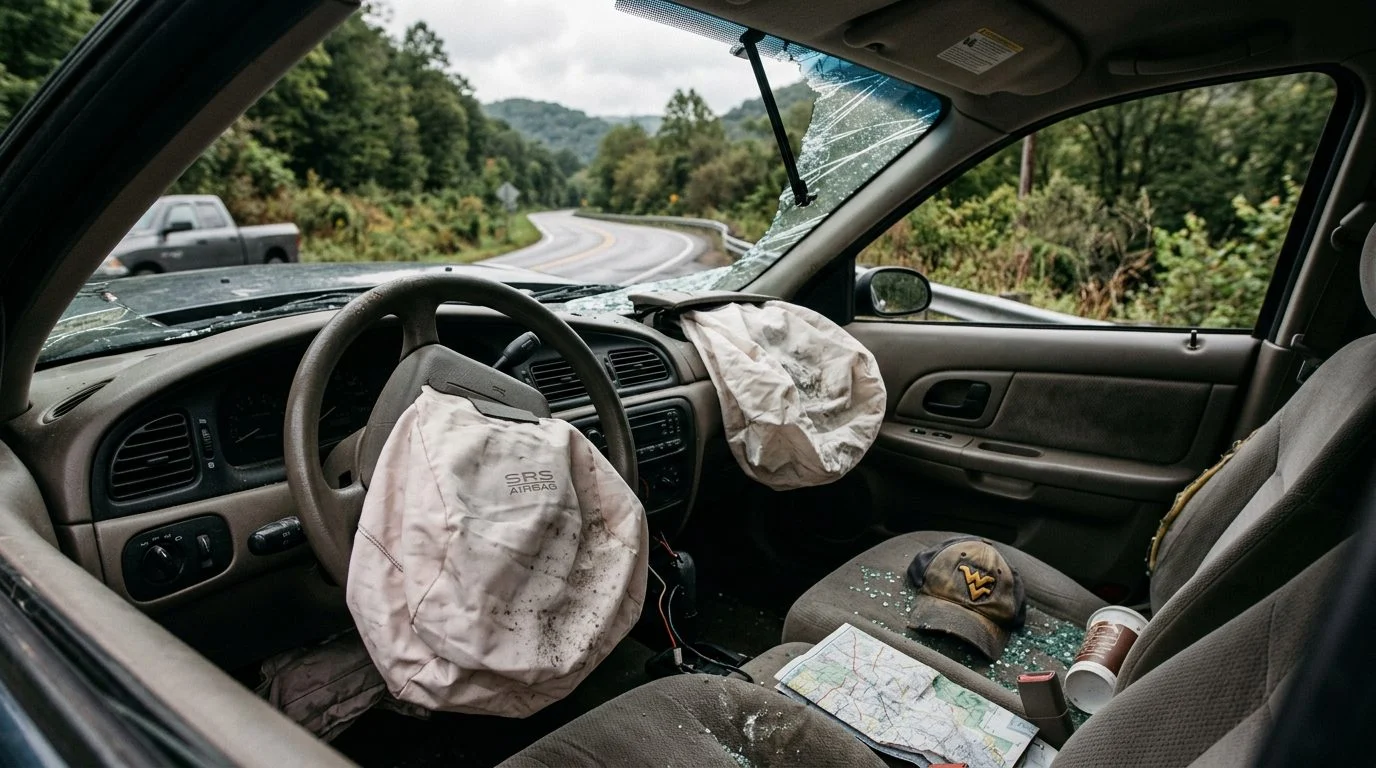
A deer strike can be harder to anticipate than a typical fender-bender. The animal can hit the windshield, the hood, or the side of the car. The impact can happen at highway speed, and the driver may have only a moment to react.
The Insurance Institute for Highway Safety reports 256 motor-vehicle crash deaths in West Virginia in 2024, a rate of 14.5 per 100,000 people. That figure covers all motor-vehicle crashes, not deer collisions alone. It shows the overall toll on state roads.
We handle car accident and wrongful death claims across West Virginia, including crashes on rural roads. For background on head injuries after crashes, see the firm’s traumatic brain injury information.
If a deer strike has left you or someone you love hurt, you don't have to sort out the next steps alone; request a free case review with our team. Talk it through with Big Bubba — the first case review is free, confidential, and carries no obligation.
Injuries That Can Result From Hitting a Deer
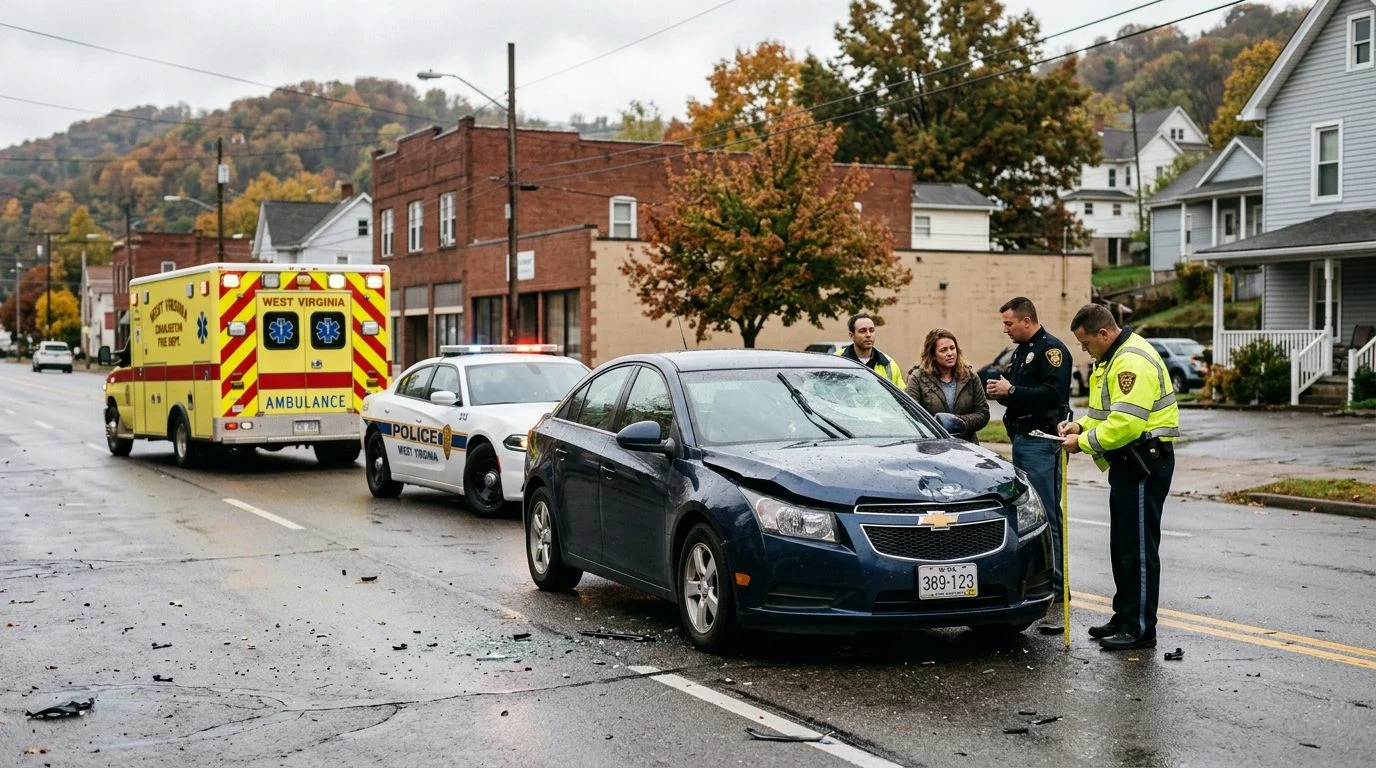
Deer collision injuries in West Virginia can include head injuries, spinal and neck injuries, broken bones, and soft-tissue injuries such as sprains and strains.
Head injuries are a serious concern after any crash. Concussions and other brain injuries can happen even when the crash seems minor. The signs may be easy to miss at the scene.
The spinal cord runs through the neck and back. MedlinePlus on spinal cord injury lists motor vehicle accidents among the causes of spinal cord injury. It states that weakness, paralysis, and loss of feeling may result.
The force of impact, airbag deployment, and sudden stops can also strain the neck, back, chest, and shoulders. Broken bones, cuts, bruises, and soft-tissue injuries are also possible. How serious any injury is depends on the person and the facts of the crash.
Why Symptoms After a Deer Collision Can Appear Later
Some head and spine symptoms may not appear until hours or days after a crash. Watch for headaches, dizziness, numbness or tingling, trouble concentrating, memory problems, and changes in mood or sleep. These symptoms can be easy to brush off as stress from the crash.
Get a medical evaluation after any collision, even if you feel fine. Tell the provider exactly what happened, including that a deer was hit. A medical record made soon after the crash may matter later. It can help show what happened and when symptoms began.
One common mistake is waiting to see whether symptoms fade on their own. Another is skipping follow-up visits. Keep a written log of symptoms, dates, and how they affect work and daily tasks. Write it down while the details are fresh.
Medical outcomes vary from person to person. No one can predict recovery time from the crash alone. A doctor’s evaluation, not a guess, is the right way to learn what your body needs.
Fault and Other Drivers in a Deer Collision
Many deer collisions involve no other driver. Fault questions can look different than in a crash between two vehicles.
West Virginia uses a modified comparative fault rule, which means shared fault. Under W. Va. Code § 55-7-13c, a plaintiff’s fault does not bar recovery unless it is greater than the combined fault of all other persons responsible for the damages. If it is less, the recovery is reduced in proportion to the plaintiff’s degree of fault.
If another driver was involved, for example by swerving or causing a secondary crash, that driver’s conduct may be relevant. That depends on the facts.
Swerving to avoid a deer is a common reaction. A swerve can lead to a rollover, a crash into a tree or guardrail, or a collision with another car. Each of these changes the sequence of events. The details of the crash often shape how fault is weighed.
Insurance Questions After Hitting a Deer
Some auto policies may cover a deer collision under comprehensive coverage, depending on the policy terms. Comprehensive coverage often applies to damage from events other than a collision with another vehicle.
Check your declarations page, which lists your coverages and limits. Then read the policy terms for animal collisions. Report the collision to your insurer promptly. Some insurers may dispute a claim, so keep copies of every letter and notes from every call.
An injury claim may involve different coverage than vehicle damage, such as medical payments or health insurance. The policy language controls what applies.
West Virginia law also limits some early settlement contacts. Under W. Va. Code § 55-7-11a, a person generally may not negotiate a settlement or take a statement for settlement within twenty days of an injury. That limit applies while the injured person is an inpatient or partially or totally unable to engage in their usual trade, profession or occupation. The restriction does not prohibit a person acting for and on behalf of the injured person from obtaining a statement, oral or written, upon the express request of the injured person.
Records and Details to Gather After a Deer Collision
Start by gathering the crash report, your medical records, and a written account of how the crash has affected you.
- Crash report: Ask the investigating agency for a copy. The agency may charge a copy fee.
- Photos: Take pictures of your vehicle, the roadway, skid marks, and any road signs or markers.
- Location, date, and time: Write down the road name, nearest mile marker, and the exact time.
- Witnesses: Note names and phone numbers of anyone who saw the crash.
- Medical records: Keep provider notes, imaging results, and prescription records.
- Symptom log and missed work: Track symptoms, pay stubs, and any letters from your employer about missed shifts.
Keep receipts for out-of-pocket costs as well. The firm’s lost wages records guide explains how to document income loss from a West Virginia car accident.
Not sure what your next step is?
Talk it through with Big Bubba — the first case review is free, confidential, and carries no obligation.
When a Deer Collision Leads to a Death
When a deer collision causes a death, surviving family members may have rights under West Virginia wrongful death law.
Under W. Va. Code § 55-7-6, the action is brought by the personal representative of the deceased person’s estate. That person must be duly appointed. The statute generally requires the action to be commenced within two years after the death of the deceased person. W. Va. Code § 55-7-6 reads: “The provisions of this section shall not apply to actions brought for the death of any person occurring prior to July 1, 1988.”
The statute lists damages that may be awarded. These include sorrow, mental anguish, and solace, such as companionship and guidance. The verdict must include, but is not limited to, damages for reasonably expected loss of income of the decedent and of services, protection, care and assistance the decedent provided. Care and hospital expenses and reasonable funeral expenses may be included too. The jury, or the court in a case tried without a jury, decides what damages are fair and just and how they are divided among survivors.
Talking With the Firm About Your Deer Collision
You can reach out to the firm to talk through what happened, in your own words. This is true whether you were hurt or you’re researching for someone else.
Can a deer strike cause a concussion?
A deer strike can cause a concussion, and some symptoms may appear later.
Does car insurance cover hitting a deer?
Some policies may cover a deer strike under comprehensive coverage, depending on the policy terms.
What if I swerved to avoid a deer?
Swerving can change the facts of a crash, and how fault is shared may depend on those facts.
If a deer strike has left you or someone you love hurt, you don’t have to work through the next steps alone. Request a free case review with our team through our contact page, and tell us what happened in your own words.