
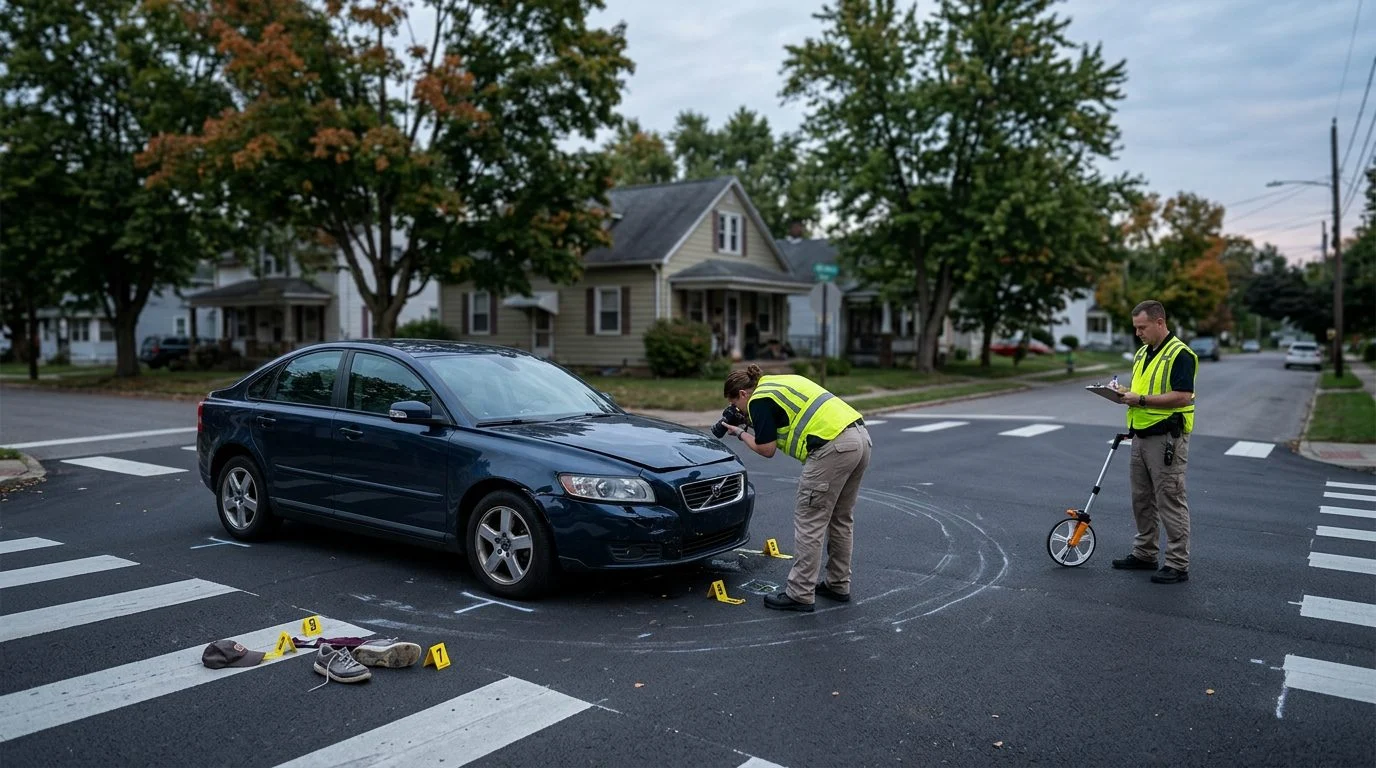
Car Accidents | Brain Injury | West Virginia
Hurt by a Drunk Driver? Brain Injury Claims Across West Virginia
Big Bubba Injury Law represents people and families harmed in crashes caused by impaired drivers. We serve communities across West Virginia, from Charleston and Huntington to Martinsburg and Beckley.
Published October 25, 2026
A drunk driver car accident can cause a brain injury even when the crash looks minor. Some symptoms take hours or days to appear, and the medical records made early often matter later. This guide explains how these injuries happen in West Virginia, what to watch for, and which deadlines and records to protect.
If you are reading this for someone else, you are not alone in that position. Many readers are juggling doctor visits, missed work, and calls from insurance companies. This is general information. It is not a substitute for medical care or advice about your own case.
Who This Page Is For and What It Covers
This page is for people hurt in a West Virginia crash caused by an impaired driver. It also helps families facing a brain injury or a wrongful death.
It covers:
- How impaired-driver crashes injure the brain
- Symptoms that can appear later, and warning signs that need emergency care
- How brain injuries are diagnosed and documented
- Who may be responsible, and how criminal and civil cases differ
- Deadlines and evidence to protect early
The firm handles car accidents, truck and commercial vehicle accidents, catastrophic injuries, traumatic brain injuries, spinal cord injuries, and wrongful death cases.
If a drunk driver's crash left you or someone you love with a head injury, you don't have to work out the next steps alone. We can talk through what happened. Talk it through with Big Bubba — the first case review is free, confidential, and carries no obligation.
How a Drunk Driving Crash Can Cause a Brain Injury
A brain injury happens when a force from outside damages the brain. The Administration for Community Living notes that automobile accidents can cause traumatic brain injuries.
Impaired driving can make these injuries more likely. Here’s why:
- The head can strike the steering wheel, windshield, side window, or roof.
- The brain can move inside the skull during a sudden stop, so a head injury can happen without a direct blow.
- Impairment slows reaction time, delays braking, and reduces steering control. That can make a hard impact harder to avoid.
Injuries range from mild to severe. Common types include:
- Concussion, a mild traumatic brain injury
- Bruising of brain tissue
- Diffuse axonal injury
- Bleeding, such as a subdural or epidural hematoma
Signs of a Brain Injury That Can Appear Hours or Days Later
Brain injury symptoms often start after the crash, not at the scene. A person who feels fine at first can still be hurt.
Delayed symptoms can include:
- A headache that does not go away, or dizziness
- Nausea
- Confusion or memory gaps
- Trouble concentrating
- Sensitivity to light or noise
- Sleep changes, irritability, or mood shifts
Family members and coworkers often notice behavior changes first. Some people are not fully aware of their own changes. That is one reason third-party observations matter.
Get emergency care right away for:
- A headache that keeps getting worse
- Repeated vomiting or a seizure
- Slurred speech, or weakness or numbness on one side of the body
- Unequal pupils
- Unusual drowsiness that is hard to break
A person who lost consciousness or seemed dazed at the scene should still see a doctor. This is true even if they feel fine afterward.
How Brain Injuries Are Diagnosed and Documented
Doctors diagnose brain injuries with a neurological exam, a review of symptoms, and sometimes brain imaging. A normal scan does not always mean there was no injury. Keep reporting symptoms to your doctor.
Good documentation makes a difference. Consider these steps:
- Keep regular follow-up visits, and tell your doctor about new or changing symptoms.
- Keep a dated symptom journal. Note headaches, sleep problems, and tasks you can no longer do.
- Save appointment summaries, imaging reports, prescriptions, and bills.
- Record missed work and any limits on daily life.
Insurers may question gaps in treatment. Prompt reporting helps keep the medical record clear.
Who May Be Responsible and How Criminal and Civil Cases Differ
The impaired driver may be responsible, and other parties may be too. The facts of each crash decide who. Under W. Va. Code § 55-7-13c, a defendant whose drunk driving is a proximate cause of the damages is jointly and severally liable. That means each such defendant can be held responsible for the full amount.
Bars and restaurants face limits. Under W. Va. Code § 60-7-12b, a licensee is generally not liable for a crash caused by a customer’s intoxication. Under W. Va. Code § 60-7-12b(a), a licensee is generally not liable in a civil action for harm caused by a patron’s intoxication, but liability can arise if the licensee knowingly sold, furnished, or served alcohol to a person who was not of lawful drinking age, or to a person who was visibly intoxicated at the time the alcohol was furnished. Blood alcohol level alone does not establish visible intoxication. Passengers who voluntarily rode with a driver known to be intoxicated generally cannot sue the bar.
Commercial drivers have extra rules. Federal rules set post-accident alcohol and controlled-substance testing for commercial motor vehicle drivers, as the Federal Motor Carrier Safety Administration explains.
A criminal DUI case is brought by the state. It asks whether the driver broke the law. An injury claim is a separate civil matter, and it asks for compensation.
Under W. Va. Code § 33-6-31, auto liability policies issued or delivered in West Virginia generally must include uninsured motorist coverage, and the statute also addresses underinsured motorist coverage. W. Va. Code § 33-6-31 addresses that coverage. West Virginia also uses modified comparative fault, a shared-fault rule. Your own fault can reduce a recovery.
Deadlines and Evidence to Protect Early
Injury and wrongful death claims in West Virginia generally have a two-year deadline. Under W. Va. Code § 55-2-12, a personal injury action must be brought within two years after the right to sue accrues. Under W. Va. Code § 55-7-6, a wrongful death action must be commenced within two years after the death, subject to the provisions of section eighteen, article two, chapter fifty-five. W. Va. Code § 55-7-6 reads: “The provisions of this section shall not apply to actions brought for the death of any person occurring prior to July 1, 1988.” It must be brought by the duly appointed personal representative of the deceased person.
Timing matters for settlements, too. Under W. Va. Code § 55-7-11a, no one may negotiate a settlement or seek a release within twenty days of an injury. That applies while the injured person is a hospital inpatient or is partially or totally unable to do their usual trade, profession or occupation. Under W. Va. Code § 55-7-11a, a settlement, release of liability or statement obtained or made in violation of that section may be disavowed by the injured person at any time within one hundred eighty days from the date of the personal injury by executing a written statement of disavowal and forwarding a copy to the person violating the section; in that case the settlement, release or statement may not be admissible in evidence for any purpose in any court or other proceeding relating to the personal injury, if any consideration paid is repaid or returned to the person who paid it.
Keep these records:
- The police crash report, and names of any witnesses
- Photos of the scene and vehicles, plus any dash camera or phone video
- Emergency room records, imaging reports, and therapy notes
- Pay stubs, employer letters about missed work, and out-of-pocket expense receipts
Use care with recorded statements and quick settlement offers from adjusters. Those often come before the full extent of a brain injury is known. The facts of each case decide which rules apply.
Not sure what your next step is?
Talk it through with Big Bubba — the first case review is free, confidential, and carries no obligation.
Frequently Asked Questions
Can a drunk driving crash cause permanent brain damage?
Some brain injuries cause long-term changes. Others improve over time, and recovery differs from person to person.
Do people with a brain injury always know they have one?
No. Awareness varies, so observations from family and follow-up testing matter.
How serious is a brain bleed after a car accident?
Bleeding in or around the brain needs emergency care right away. Long-term effects depend on the bleed’s size, location, and treatment.
Does a criminal DUI case have to finish before an injury claim?
No. The criminal case and the civil injury claim are separate matters.
What if I was partly at fault for the crash?
Your share of fault can reduce a claim under West Virginia’s shared-fault rule. It bars recovery only when your fault is greater than the combined fault of everyone else (W. Va. Code § 55-7-13c).

How the Firm Handles These Cases and How to Reach Out
The firm handles car accidents, truck and commercial vehicle accidents, catastrophic injuries, traumatic brain injuries, spinal cord injuries, and wrongful death cases. We serve Charleston, Huntington, Morgantown, Wheeling, Martinsburg, Parkersburg, Beckley, Clarksburg, Fairmont, Weirton, and communities across West Virginia.
A free case review starts with a conversation about what happened and which injuries are involved. The firm then reviews the crash report and medical records. You get a plain-language explanation of the options and timelines that may apply.
Every case is different, and no result can be promised. If a drunk driver’s crash left you or someone you love with a head injury, you don’t have to sort out the next steps alone. Tell Bubba what happened and start your free case review.