
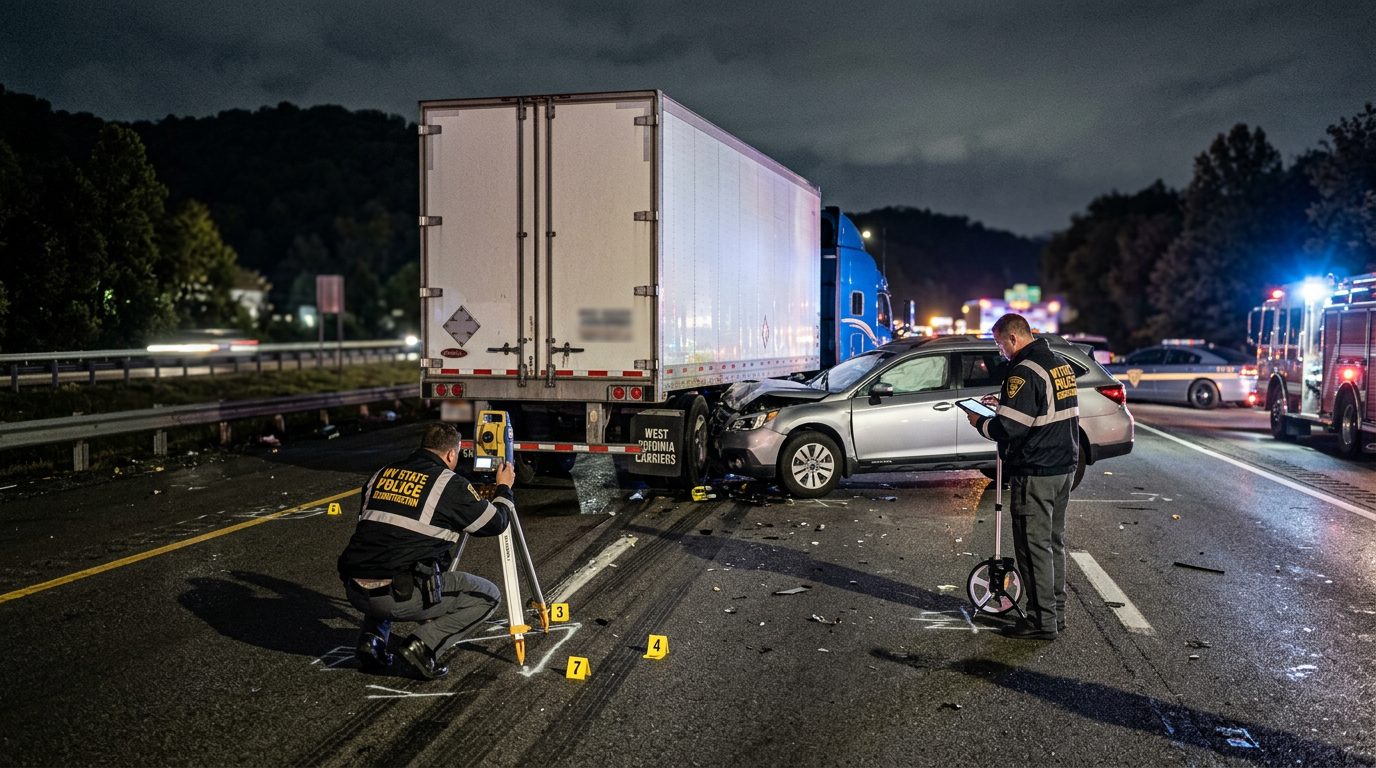
Wrongful Death · West Virginia
Fatal Car Accident Checklist for West Virginia Families
A plain-language guide to the records, names, and questions that often matter most in the first days after a loss.
Published November 12, 2026
Losing someone in a crash is painful, and the first weeks can feel overwhelming. Many families aren’t sure what to gather or who can take the next step.
In West Virginia, a wrongful death action is generally brought by the personal representative of the person who died. It generally must begin within two years after the death (W. Va. Code § 55-7-6). Exceptions may apply, so treat this page as a starting point.
Start Here: What This Checklist Covers
This checklist helps a family sort out the first steps after a fatal crash, one question at a time. You don’t have to finish it in one sitting.
Each item is a yes or no test. Each one includes a short explanation and a next step based on your answer. Some answers come quickly. Others may take days or weeks to find.
We handle wrongful death matters that arise from car and commercial truck crashes. We serve families throughout West Virginia, including Charleston, Huntington, Morgantown, and Martinsburg.
Keep one folder, paper or digital, for everything you gather. Write down the date you add each item. That habit makes the later steps easier.
The facts of each death matter.
If your family lost someone in a crash and you aren't sure what to do next, we invite you to request a free case review to talk through your situation. Talk it through with Big Bubba — the first case review is free, confidential, and carries no obligation.

Checklist Item 1: Did the Death Result From a Crash on a Road or Highway?
This item asks whether the death came from a motor vehicle crash, including one involving a commercial truck.
Yes or no: Did the death result from a crash involving a car, truck, or other commercial vehicle?
A death days or weeks after a crash can still be linked to it. Medical examiner or coroner findings often help explain the cause and timing. West Virginia law allows a wrongful death action when a wrongful act, neglect, or default causes a death, and the act is such as would (if death had not ensued) have entitled the party injured to maintain an action to recover damages in respect thereof, but no action may be maintained by the personal representative of a person who, not being an infant, compromised the injury and accepted satisfaction for it before dying, as W. Va. Code § 55-7-5 describes. Keep hospital discharge papers and the death certificate, since they help show the timing.
Next step: If yes, keep going. If you’re unsure about the cause or timing, write down your question and raise it during a free case review.
Checklist Item 2: Who Has Been Appointed to Bring the Claim?
West Virginia requires a wrongful death action to be brought by the personal representative of the person who died. The statute says the action is brought “by and in the name of” a duly appointed personal representative, as W. Va. Code § 55-7-6 states.
Yes or no: Have you been appointed as the personal representative of the deceased person’s estate?
The person who files is not always the same as the people who receive money. Damages are divided among survivors, such as a spouse, children, parents, and others who depended on the person who died, as the court or jury directs.
Next step: Write down each family member’s relationship to the person who died. Note whether an estate has been opened. Have these details ready for a free case review.
Checklist Item 3: Have You Requested the Crash Report?
Ask the investigating agency for the crash report and any supplemental reports. Crash reports are often among the first records a claim relies on.
Yes or no: Have you asked the state police or local police department that responded to the crash for the report?
Reports usually record the date, location, vehicles involved, and the officer’s first findings. They may also list drivers and any citations issued. The agency may charge for copies. A first report is a starting point, and later reports can add or change details.
Next step: Keep every page, citation, and incident number you receive. Ask for updated reports if the investigation continues. Note the agency and case number in one place.
Checklist Item 4: Have You Recorded Witnesses and Others Who Saw the Crash?
Write down the names and phone numbers of anyone who saw the crash or arrived right after it.
Yes or no: Do you have contact details for witnesses, passengers in other vehicles, first responders, or bystanders?
Contact details can be hard to recover later. Witnesses may have seen the traffic signal, lane changes, or how a truck was moving. Some insurers may ask for a recorded statement early on. Many people who saw a crash are shaken, so ask gently for a phone number or email they will answer.
Posts about the crash on social media can be used later in a dispute. It’s wise to pause before posting anything about the crash or the person who died.
Next step: Write down what each person told you and when they said it. Share the list during a free case review.
Checklist Item 5: Have You Gathered Vehicle, Insurance, and Medical Records?
Gather the vehicle details, insurance information, and medical and examiner records tied to the death. Keep the originals safe.
Yes or no: Do you have vehicle information, insurance details for each vehicle, and hospital, EMS, and medical examiner records?
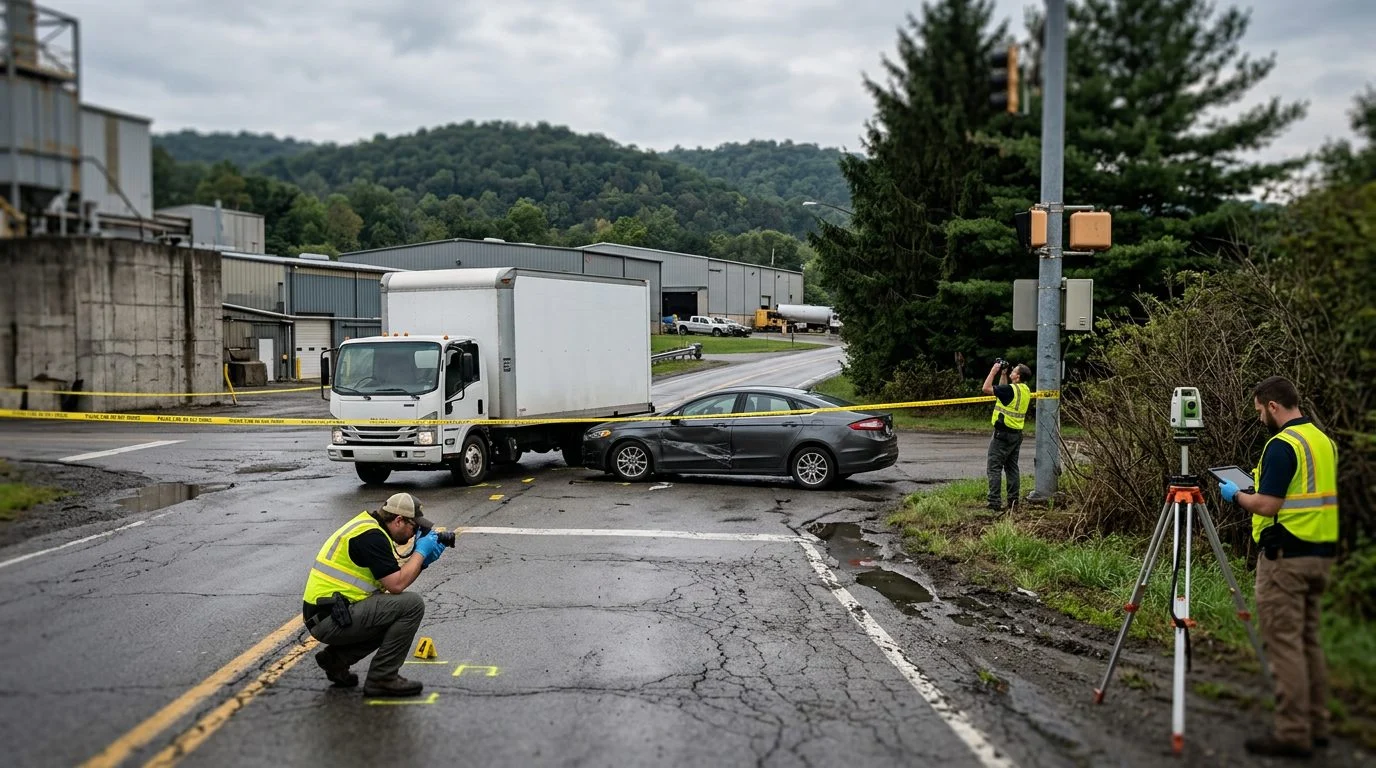
Photos of the vehicles, the roadway, skid marks, and debris may matter. The vehicles may need to be kept while a claim is evaluated. Medical examiner records can take time to arrive, so ask for them early and note the request date.
For a commercial truck, record the carrier’s name, the driver’s name, and the USDOT number on the truck. Federal rules require self-propelled commercial vehicles subject to this subchapter to show the motor carrier’s identification number, preceded by “USDOT,” as 49 C.F.R. § 390.21T explains. Federal rules also allow records to be kept with any technology that accurately reproduces the information, per 49 C.F.R. § 379.7. West Virginia also has a separate statute for civil actions over commercial motor vehicles that require a commercial driver’s license, including who may be an employer defendant, as W. Va. Code § 55-7-32 sets out.
Next step: Keep originals. Ask before repairing or selling a damaged vehicle. Don’t delete texts, photos, or posts. List where each item is stored.
Not sure what your next step is?
Talk it through with Big Bubba — the first case review is free, confidential, and carries no obligation.
Checklist Item 6: Do You Know the Dates That Matter?
West Virginia generally requires a wrongful death action to begin within two years after the death (W. Va. Code § 55-7-6). Exceptions may apply.
Yes or no: Have you written down the date of the crash, the date of death, the date an estate was opened, and any deadlines you’ve been told about?
Under W. Va. Code § 55-7-6, the two-year period runs from the death. For personal injury actions where no other limit is set, W. Va. Code § 55-2-12 sets a two-year period from when the right to sue accrued. The exact deadline depends on the facts.
Some insurance steps have their own clocks.
Next step: Put every date in one calendar. Keep copies of death certificates, since estates often need them. Raise deadlines early in a free case review rather than waiting.
What to Do Next: Bring Your Checklist to a Free Case Review
If you’re unsure about any item, request a free case review with the firm and bring your checklist.
After a sudden death, families often ask who can act, what to keep, and whether they should act now. Those questions are hard to answer alone. You don’t need every answer before you reach out. Bring this checklist, any records you have, and the questions you’re unsure about. The firm can talk through how these steps apply to your family’s facts.
For a related guide on brain injuries that can follow a crash, see our traumatic brain injury accidents page.