
Car Accident Injuries | West Virginia
Feeling Off After a Crash? Don't Brush Off a Possible Head Injury
Staying awake after impact does not rule out a brain injury. Reach out to the firm to talk through what happened and what to watch for.
Published November 22, 2026
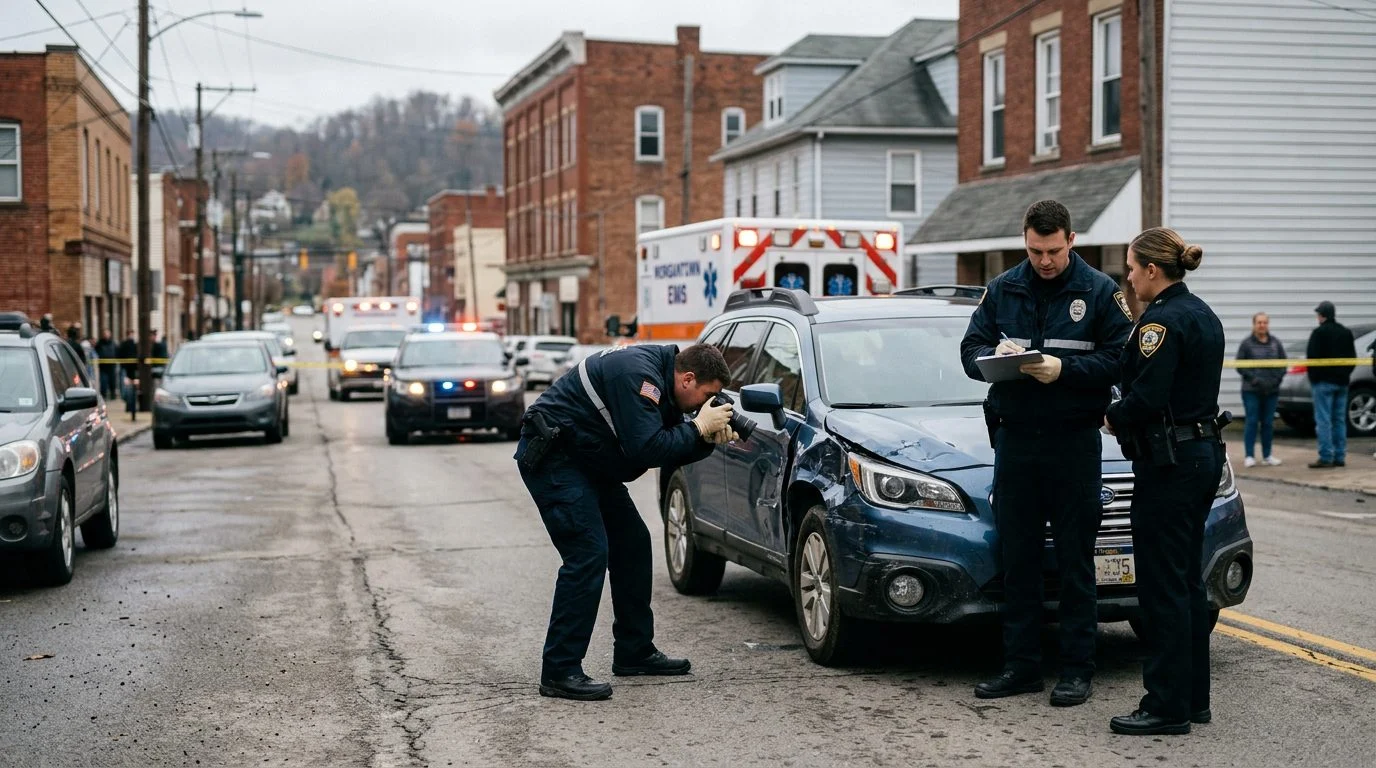
You stayed awake after the crash, but your head still aches and you don’t feel like yourself. Maybe you’re worried about a family member who hit their head. A head injury can still be serious even when a person never loses consciousness.
Losing consciousness is one possible sign of a brain injury, not the only one. The National Institute of Neurological Disorders and Stroke explains that a traumatic brain injury can follow an impact or jolt to the head, including in motor vehicle crashes. This page explains which symptoms may appear later, when to get emergency care, and why follow-up matters. For the bigger picture, read our traumatic brain injury after a car accident guide.
What a Head Injury Without Losing Consciousness Means
A head injury without losing consciousness means the person stayed awake and aware after the blow. Loss of consciousness is a period when a person is not awake or aware of what is happening around them. Many people assume that if they never blacked out, the brain was not hurt. That assumption can be wrong.
In a crash, the head can strike a window, a door pillar, the steering wheel, or an airbag. The NINDS overview explains that an impact or jolt to the head or body can cause a traumatic brain injury, including in motor vehicle crashes.
A study on parental knowledge of concussion describes a concussion as a traumatic brain injury that can have serious short- and long-term consequences. That study focuses on youth sports, not car crashes. Still, it treats concussion as a real brain injury.
Staying alert at the scene does not settle the question. A calm, awake person still deserves a careful medical look.
Not sure what your next step is?
Talk it through with Big Bubba — the first case review is free, confidential, and carries no obligation.
Why a Head Injury Without Losing Consciousness Can Still Be Serious
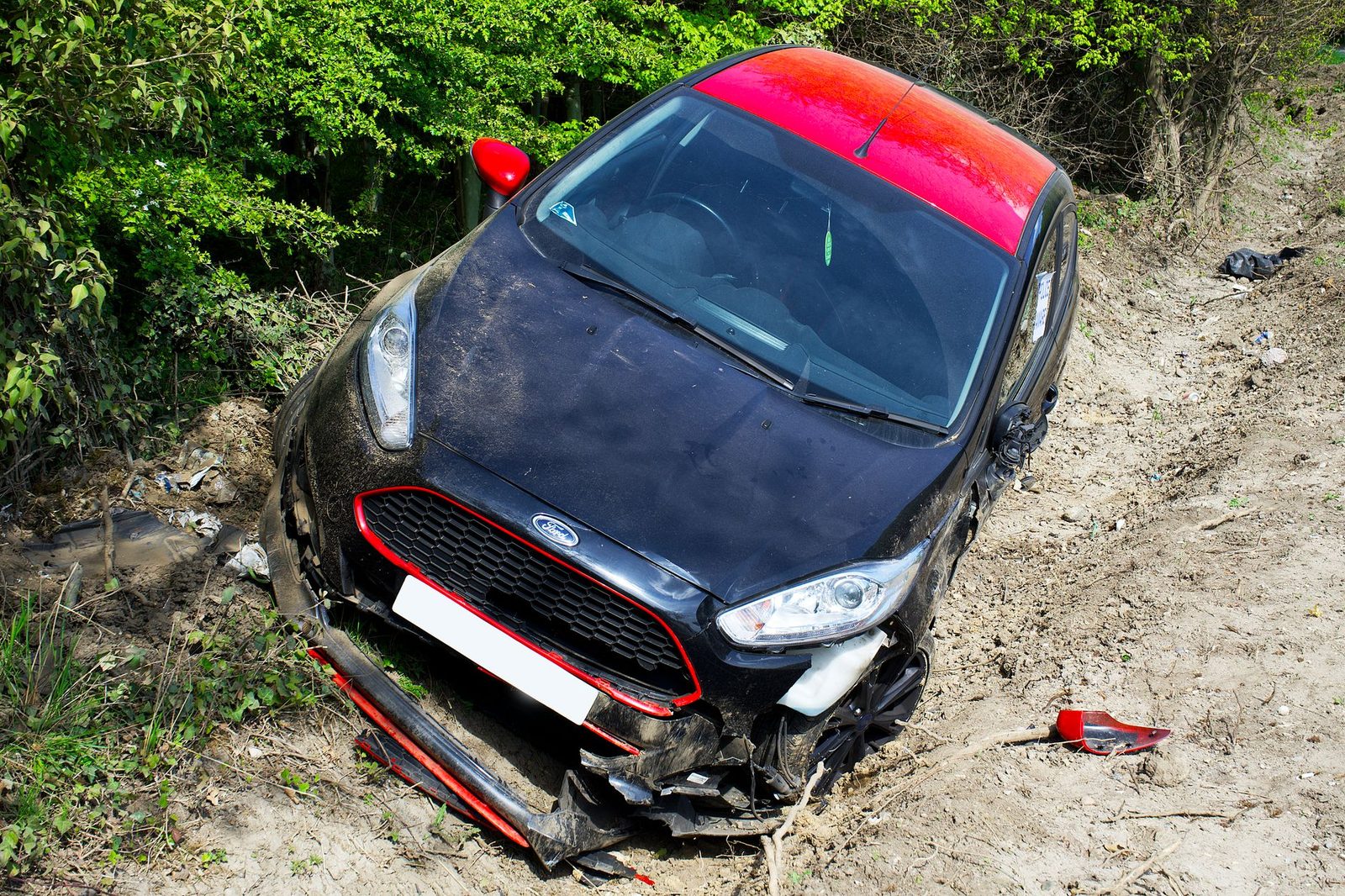
A head injury can be serious because force can harm the brain, with or without blacking out. Blacking out is one clue. It does not measure how much the brain was affected.
The NINDS overview lists common symptoms: headache, dizziness, confusion, fatigue, balance problems, and cognitive changes. Cognitive changes affect thinking. They can show up as trouble with memory, focus, or solving problems. These changes can affect work, school, and driving, even when a person looks fine to others.
Doctors sometimes describe an injury as mild traumatic brain injury. The word “mild” describes a category. It does not mean the injury will have little effect on daily life. Symptoms may last and may change how a person thinks, sleeps, or feels.
Medical providers do not judge severity from one sign. They look at the whole picture: the exam, the symptoms reported, how the person acts, and how symptoms change over time. A person who stayed awake still needs that full look.
Symptoms That May Appear Hours or Days After the Crash
Brain injury symptoms may appear hours or days after a crash, not only at the scene. Someone who seems fine at the scene can feel very different later that day or that week.
The NINDS list includes headache, dizziness, confusion, fatigue, balance problems, and changes in thinking. Changes in thinking may include trouble concentrating, memory lapses, or slower processing. Some people also notice changes in mood or sleep, or they feel more bothered by light and noise.
Symptoms are easy to dismiss. Many people blame a bad night, stress, or a busy week. That is one of the most common mistakes after a crash.
Write down each new symptom, the date it started, and what you were doing. Bring that list to every medical visit. A written log gives a provider a clearer picture than memory alone, especially when symptoms come and go. If symptoms seem to be getting worse, tell a provider right away.
Warning Signs That Call for Emergency Care
Get emergency care right away if you see serious warning signs after a head injury. Do not wait to see whether symptoms pass.
Warning signs include a headache that keeps getting worse, repeated vomiting, a seizure, slurred speech, weakness or numbness, unequal pupils, confusion that gets worse, or being very hard to wake.
Call emergency services or go to the nearest emergency department. Do not drive yourself. Another person should drive or call for help. If the injured person is confused or drowsy, stay with them and keep them safe until help arrives.
The crash may have felt minor. Warning signs still matter more than how the crash looked. Only a medical exam can sort out what is happening. For more on symptoms and care, see the NINDS traumatic brain injury page.
How Medical Providers Check for Brain Injury After a Crash
Providers check for brain injury with an exam, a review of symptoms, and imaging when they decide it is needed. The neurological exam checks how the brain and nerves are working. It looks at things like thinking, balance, eye movement, and strength.
Imaging, such as a CT scan, is used when a provider decides it is needed. A scan may not show every brain injury. A normal result does not end the question. Symptoms still matter after a normal scan, and a provider can decide what follow-up is needed.
A skull fracture is a separate injury, a break in the bone of the skull. It can happen with a hard head impact. Read more about skull fracture after a car accident.
Follow the provider’s instructions about rest, activity, and when to return to work or driving. Those choices can change as symptoms change. Tell the provider about any new symptoms, even small ones. If you have questions about a result, ask the provider to explain it in plain words.
Why Follow-Up Care and Cognitive Testing Matter
Follow-up care matters because symptoms can improve, stay the same, or get worse over time. A single visit gives only one snapshot.
Follow-up visits let a provider track how symptoms change and whether new ones appear. The NINDS overview says brain function tests can be repeated at regular intervals, every one to two years, and after a suspected concussion.
A neuropsychological evaluation is a set of tests that measure memory, attention, processing speed, and other thinking skills. It can show how a brain injury affects everyday thinking. Read more about neuropsychological evaluation after a car accident.
Test results give a starting point to compare against later. Keep every visit note, test result, and imaging report in one folder. Family members who help with appointments can use the same folder. Clear records make it easier to follow the medical picture over time.
Some people stop going to appointments once they feel better. Keep the follow-up visits your provider recommends, even when you feel better.
Not sure what your next step is?
Talk it through with Big Bubba — the first case review is free, confidential, and carries no obligation.
When the Injured Person Cannot Make Their Own Decisions
If a head injury leaves someone unable to manage their own decisions, the family may need to look at guardianship. A guardian is a person a court appoints to make certain decisions for someone who cannot make them safely.
West Virginia law sets out how a court decides whether a guardian or conservator is needed. The court considers, among other things, the person’s limitations, the suitability of the proposed guardian, the development of the person’s maximum self-reliance and independence, the availability of less restrictive alternatives including advance directives, and the extent to which it is necessary to protect the person from neglect, exploitation, or abuse. See the guardianship factors in W. Va. Code § 44a-2-10. A guardianship or conservatorship must be the least restrictive possible, and its powers must not extend beyond what is absolutely necessary for the protection of the individual.
For health care decisions under W. Va. Code § 16-30-7, a person may not be presumed incapacitated only because of advanced age or disability. For health care decisions, a determination of incapacity must be made by a physician, qualified psychologist, physician’s assistant, or advanced practice registered nurse who has personally examined the person. See the incapacity determination rules.
A medical power of attorney may already exist, and that can change the picture. Family members should talk with the medical provider about the person’s current ability to make decisions. Learn more about brain injury guardianship in West Virginia. No single path fits every family.
Documenting the Crash and Next Steps
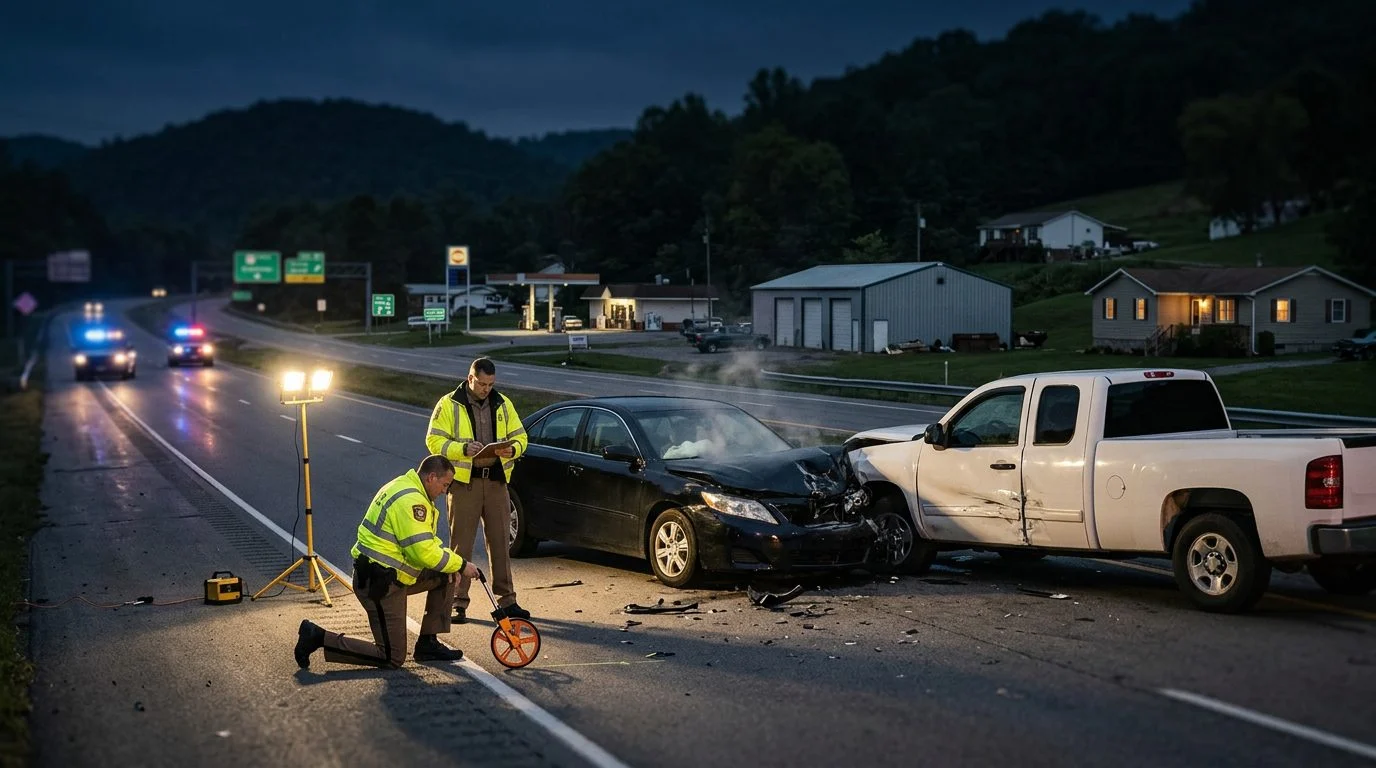
Keep records of the crash, your symptoms, and your medical care, starting now. Good records make the full story easier to tell later.
Under W. Va. Code § 17C-4-7, an officer who, in the regular course of duty, investigates a motor vehicle crash occurring on the public streets or highways of this state resulting in bodily injury, death, or total property damage to an apparent extent of $1,000 or more must prepare a report within 24 hours after completing the investigation. The same section requires the officer, within 24 hours of a motor vehicle crash, to share owner, operator, and insurance information for all involved parties with each of the other involved parties and their insurance agents, on request, at no cost, whether or not the accident report has been completed.
Write down the report number. Take photos of the vehicles and the scene. Note the names of any witnesses and the date symptoms began.
Some insurers may dispute a claim, so careful documentation may be relevant. Medical records that link symptoms to the crash can matter.
West Virginia generally allows two years to file a personal injury claim, and exceptions may apply (W. Va. Code § 55-2-12). Under modified comparative fault, a person’s own fault reduces recovery but does not bar it unless that fault is greater than the combined fault of others.
If you’re watching someone you love recover from a head hit in a crash, and another driver may have been at fault, you can ask us about a free case review. We serve injury victims across West Virginia, and you can contact Big Bubba Injury Law to talk through what happened.