
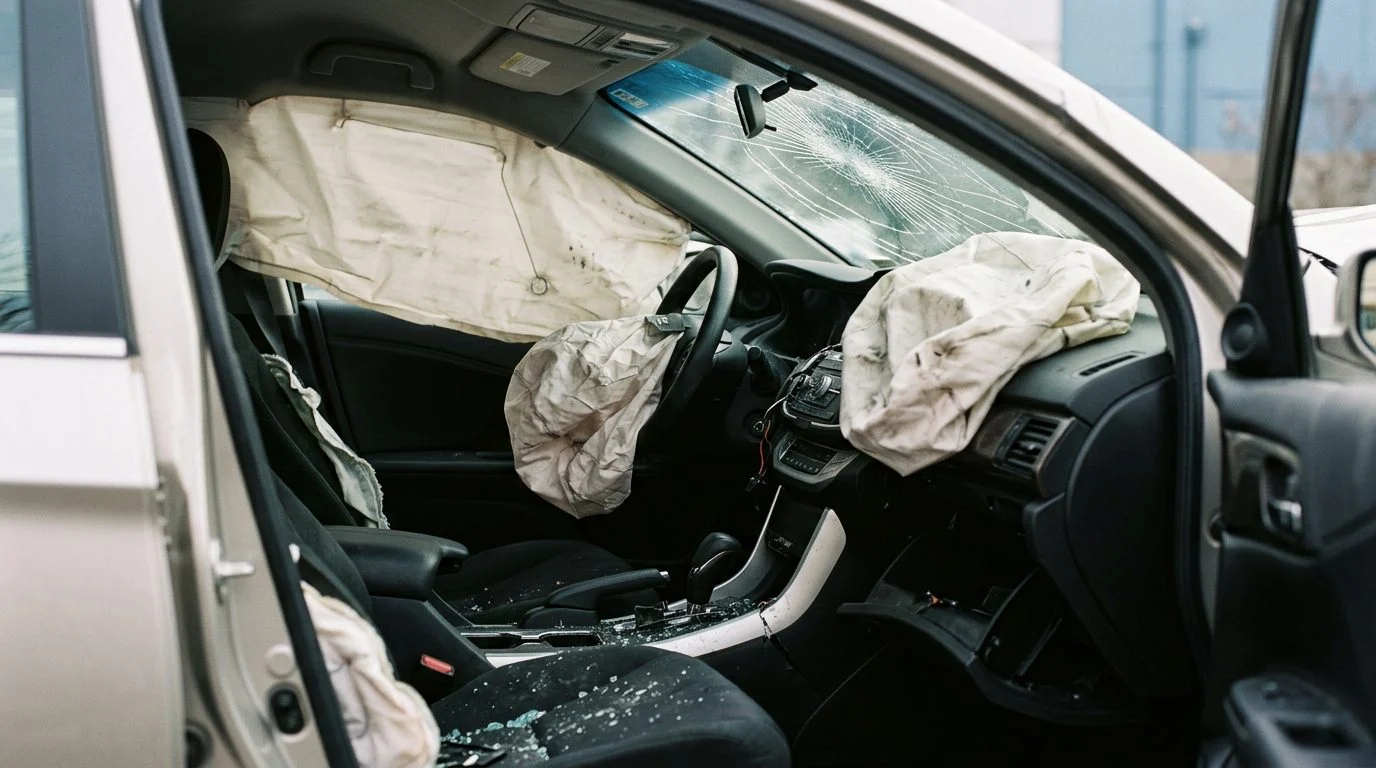
Head-On Collision Claims | West Virginia
Hurt in a Head-On Collision? You Do Not Have to Face the Aftermath Alone
A sudden crash can leave you with injuries, bills, and questions about what comes next. Our firm is here to listen, explain the process in plain language, and help you think through your options.
Published November 9, 2026
This guide covers the head on collision injury claim West Virginia law allows, including fault, deadlines, and what happens next. A claim asks the driver who caused the crash to pay for the harm done to you. Fault sits at the center of these cases, so the key question is whether another driver’s careless actions caused the impact.
What a Head-On Collision Injury Claim Covers
A head on collision injury claim West Virginia drivers can bring seeks money from the at-fault driver, usually through that driver’s insurer. A head-on crash happens when two vehicles traveling in opposite directions strike front to front. Because both front ends absorb the force, these crashes often cause serious harm.
A claim may seek money for:
- Medical care you have received and care you will need later
- Income you lost while you recovered
- Reduced ability to earn, if your injuries last
- Pain, suffering, and the effect on your daily life
The injured driver or passenger can bring a claim. If someone died, the family can pursue a wrongful death claim. The firm also handles crashes involving commercial trucks, which follow the same basic path with extra rules.
If a head-on crash changed your life or a loved one's, you don't have to sort out the insurance calls and deadlines alone. Reach out to talk it through. Talk it through with Big Bubba — the first case review is free, confidential, and carries no obligation.
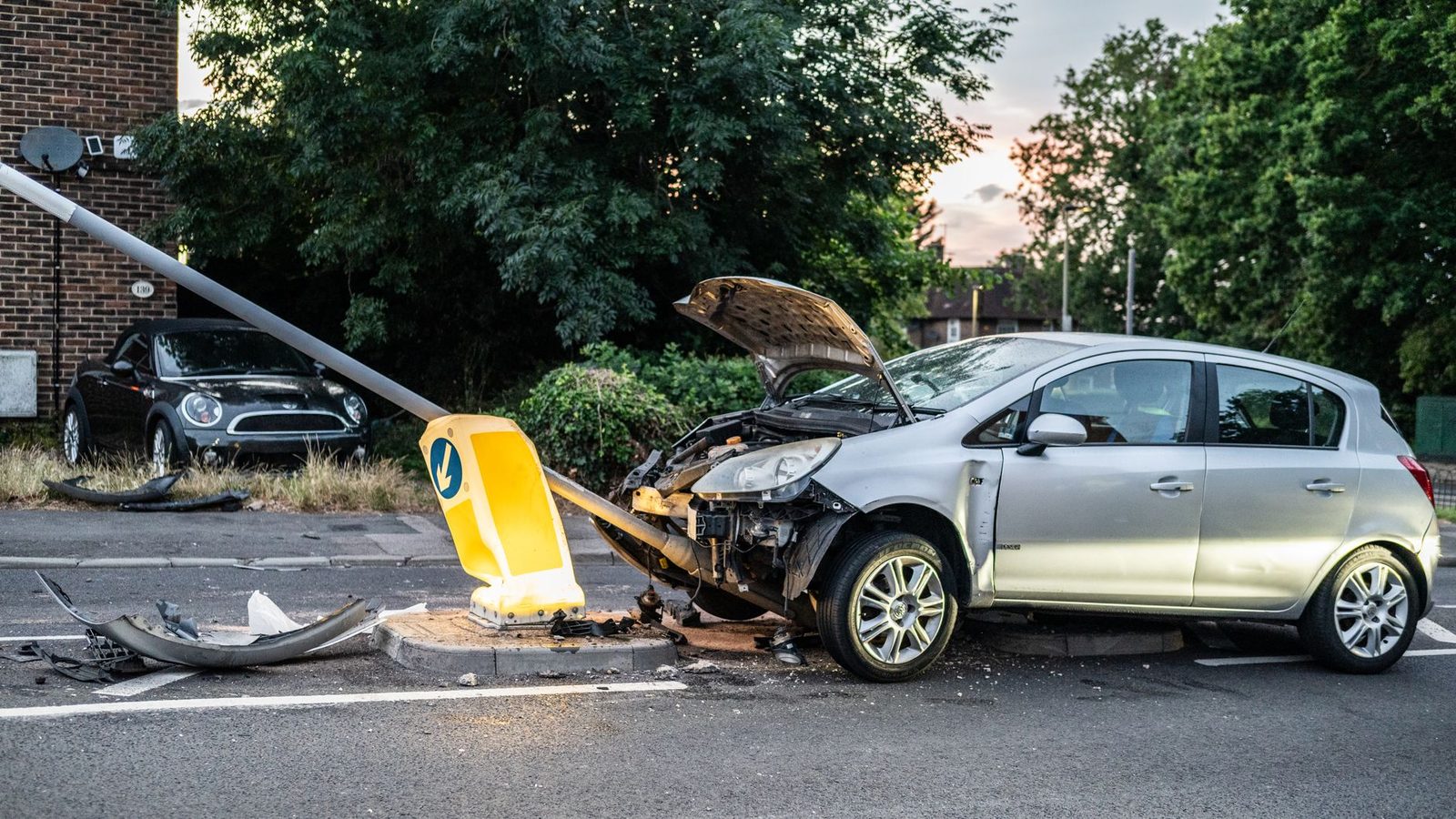
Injuries Often Seen in Head-On Crashes
Head-on crashes can cause brain, spinal, chest, and leg injuries. Every injury affects people differently, so no one can predict recovery from the crash alone.
- Traumatic brain injury (TBI): A blow or jolt to the head can injure the brain, from a concussion to serious bleeding. Get checked by a doctor after any head impact, even if you feel okay at the scene.
- Spinal cord injury: The spinal cord carries signals between the brain and body. MedlinePlus explains that motor vehicle accidents can cause spinal cord injuries, which may bring weakness, paralysis, and loss of feeling.
- Chest, leg, and facial injuries: Broken bones and deep cuts can occur when a car’s front end takes the hit.
Catastrophic injuries can lead to larger claims. Future medical care, rehabilitation, and lost earning ability may last for years. Your doctors’ records help show those future needs.
How Fault Is Decided in West Virginia
Fault decides who pays, and most claims turn on proof that another driver acted carelessly. Common examples include crossing the center line, speeding, driving while impaired, and distracted driving.
West Virginia uses a comparative fault rule. Under W. Va. Code § 55-7-13a, fault is measured as a percentage, and each person’s liability is allocated to match that percentage.
Under W. Va. Code § 55-7-13c, your own fault does not bar recovery unless it is greater than the combined fault of everyone else. If your share is smaller, your recovery is reduced in proportion to your share of fault.
If a defendant’s driving under the influence of alcohol, a controlled substance, or another drug, which is a proximate cause of the damages suffered by the plaintiff, the same section makes that defendant jointly and severally liable.
Proof usually comes from the crash report, witness statements, vehicle damage patterns, phone records, and data from the vehicles.
The Two-Year Deadline: When the Clock Starts
Under W. Va. Code § 55-2-12, that period runs from when the right to bring the claim accrued. Timing rules for filing a claim can depend on the facts of each case.
Wrongful death has its own clock. Under W. Va. Code § 55-7-6, the action must start within two years after the death, subject to the provisions of section eighteen, article two, chapter fifty-five. W. Va. Code § 55-7-6 reads: “The provisions of this section shall not apply to actions brought for the death of any person occurring prior to July 1, 1988.”
Waiting costs evidence. Video, vehicle data, and witness memories fade over time. Acting early keeps the record intact.
What Happens After You Reach Out
The first step is a free case review. It is confidential, and it carries no obligation to continue. You describe what happened in your own words.
After that, the typical steps look like this:
- Records: The firm gathers the crash report, medical records, and insurance information. It identifies every party who may be responsible.
- Preservation: Evidence preservation letters go out quickly, so vehicle data, photos, and records are kept.
- Investigation: The facts of the crash are reviewed alongside your medical picture.
- Claim: The claim is presented to the insurers, with negotiation where it makes sense.
- Lawsuit, if needed: If an insurer does not resolve the claim fairly, the case may move toward a lawsuit.
Timelines vary with your medical care, the insurers involved, and the court schedule.
How the Firm Handles Head-On Collision Claims
Big Bubba Injury Law represents people seriously hurt in car and commercial truck crashes, people with catastrophic brain and spinal cord injuries, and families in wrongful death cases.
The limit has exceptions, including certain impaired-driving and willful disregard situations. It also depends on the employer carrying at least $3 million in commercial vehicle insurance.
Freight claims can also involve brokers. Unsecured cargo is another concern, and the West Virginia Division of Motor Vehicles warns that it can cause serious crashes.
Hit-and-Run and Uninsured Drivers
Police may investigate a hit-and-run and pursue charges. Your injury claim is a separate matter. Under W. Va. Code § 33-6-31, recovery under uninsured or underinsured motorist coverage is subject to the conditions set forth in the statute, so proving legal liability may not be the only requirement.
We serve injury victims across West Virginia, including Charleston, Huntington, Morgantown, Wheeling, Martinsburg, Parkersburg, Beckley, Clarksburg, Fairmont, and Weirton.
Not sure what your next step is?
Talk it through with Big Bubba — the first case review is free, confidential, and carries no obligation.
Frequently Asked Questions About Head-On Collision Claims
How long do I have to file a head on collision injury claim West Virginia?
Most injury claims must be filed within two years under W. Va. Code § 55-2-12.
Can I still recover if I was partly at fault?
Yes, unless your fault is greater than everyone else’s combined. If your fault is less than everyone else’s combined, your recovery is reduced in proportion to your degree of fault under W. Va. Code § 55-7-13c.
What if the other driver fled the scene?
Police may investigate and pursue charges. A civil claim may still be possible through uninsured motorist coverage on your own policy.
Can a family bring a claim after a fatal head-on crash?
Yes. A personal representative brings the wrongful death action, which must start within two years after the death, subject to the provisions of section eighteen, article two, chapter fifty-five (W. Va. Code § 55-7-6). W. Va. Code § 55-7-6 reads: “The provisions of this section shall not apply to actions brought for the death of any person occurring prior to July 1, 1988.”
Does a truck involved change the claim?
It can. Some truck claims fall under the limits in W. Va. Code § 55-7-32.

When to Reach Out About Your Head-On Collision
If you are in a hospital bed, recovering at home, or sorting through insurance calls, you are carrying a lot at once. Some readers are caring for an injured family member. Others are reading a crash report they never expected to see. You don’t need every answer yet.
Consider talking with the firm if any of these apply:
- A brain or spinal cord injury diagnosis
- A commercial truck was involved
- The other driver disputes who was at fault
- An insurer offers a quick settlement before your medical needs are clear
- A family member died in the crash
- The other driver fled or was uninsured
Filing deadlines may apply while you consider your options. If the crash changed your life, you don’t have to work out the next steps alone. Request a free case review and tell the firm what happened, in your own words.