
Car Accidents · West Virginia
Your Car May Be Worth Less After a Crash, Even When the Repairs Are Done
Fixing the damage and recovering its market value are two different questions. We help West Virginia drivers understand where they stand.
Published November 18, 2026
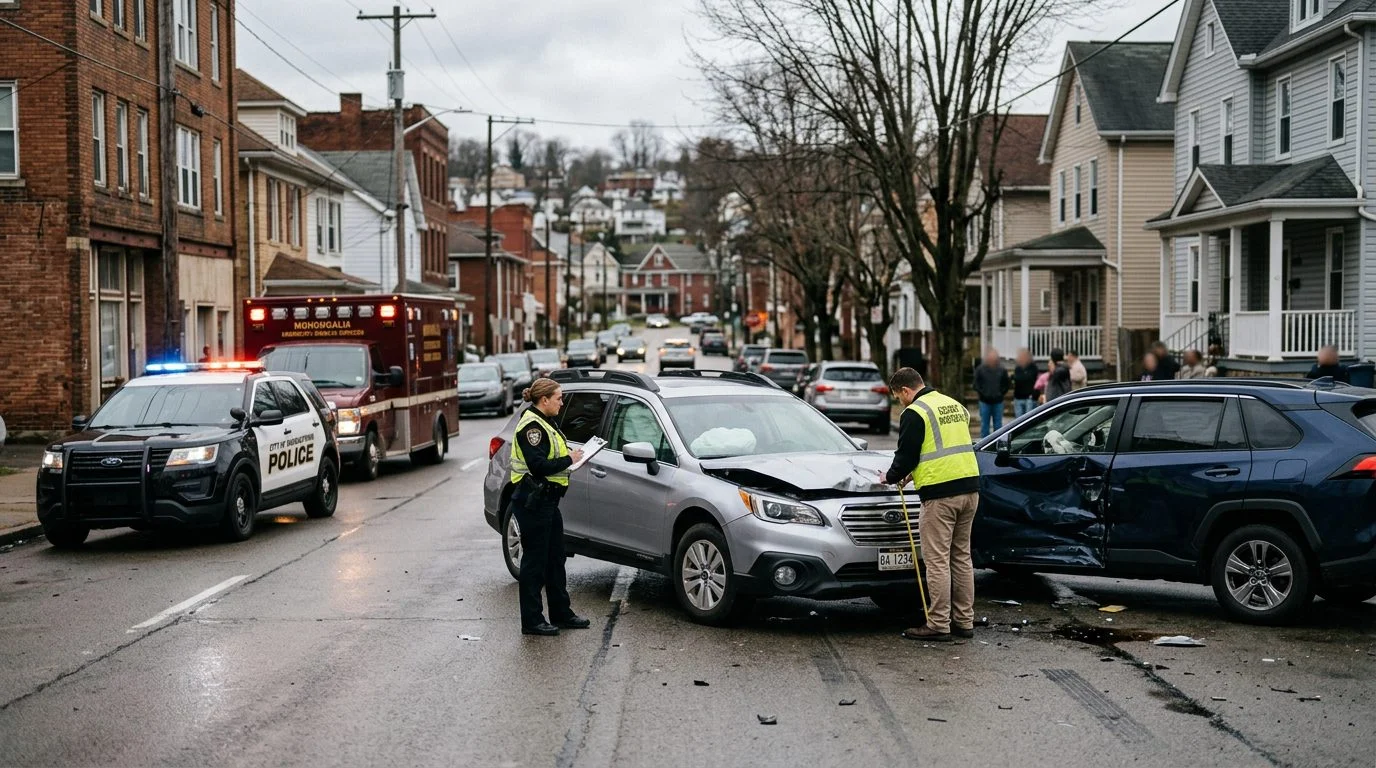
You were in a crash, the repairs are done, and the car still doesn’t feel worth what it was. So how much does an accident devalue your car? There’s no single fixed percentage. An accident can lower a car’s market value even after good repairs, and the amount depends on the vehicle, the damage, and how the repairs were documented.
Below, we explain what this loss is, what affects it, and which records help.
What Does It Mean When a Car Loses Value After a Crash?
Diminished value is the drop in a vehicle’s market value that remains after the car has been properly repaired. The Insurance Information Institute explains the idea in general terms. A car in a major accident generally has less resale value than it did before the crash.
This is different from depreciation. Every car loses value as it ages and gathers miles, whether or not it was ever in a crash. Diminished value is the extra loss tied to the accident and its repair history.
Many buyers and dealers check a vehicle history report before setting a price. If an accident appears there, the car may sell for less. The comparison is usually against the car’s market value before the crash, not against what you paid for it. That matters if you sell, trade it in, or make an insurance claim.
If a crash left your repaired car worth less than before, you may have a claim, and we can talk it through with you in a free case review. Talk it through with Big Bubba — the first case review is free, confidential, and carries no obligation.
What Factors Affect How Much an Accident Lowers Your Car’s Value?
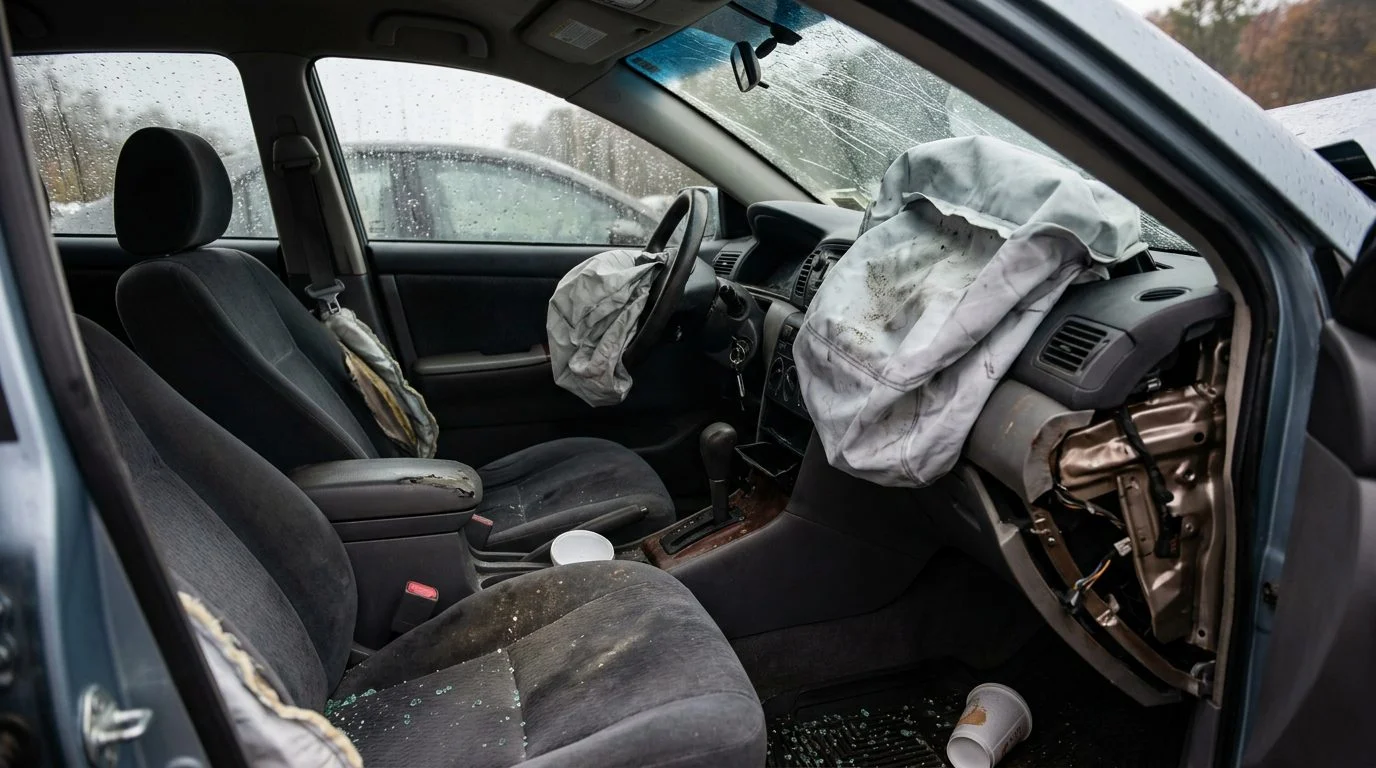
Accident history and damage severity usually matter most, along with how well the car was repaired.
A vehicle history report is often the first thing a buyer sees. If a crash appears on it, that record can shape the offer, even when the repairs look good.
Severity matters too. Structural or frame damage usually raises more concern than cosmetic damage, like a scratched door or a cracked bumper cover.
Repair quality and paperwork come next. Buyers may ask whether original parts were used, who did the work, and whether the repair records are on file.
Your car’s starting point also counts. Age, make, model, trim, and mileage set the baseline value before any crash happened.
Local demand can move the numbers, too. A vehicle that sells quickly in Charleston may be priced differently in a smaller West Virginia market.
Commercial vehicles add another layer. A work truck’s maintenance and inspection records may affect how buyers view it, so those records deserve a careful look.
How Is Value Lost After an Accident Usually Estimated?
Value loss is usually estimated by comparing your vehicle with similar vehicles sold in the market, then adjusting for the accident history. An appraiser may look at the car’s pre-crash condition, the damage, the repair work, and recent sales of comparable vehicles.
A written appraisal, repair invoices, photos, and the vehicle history report are the records that usually support that estimate. Ask the appraiser to explain how they reached the figure.
Different appraisers and tools may reach different figures. Treat any single online calculator result as a rough starting point, not a final answer.
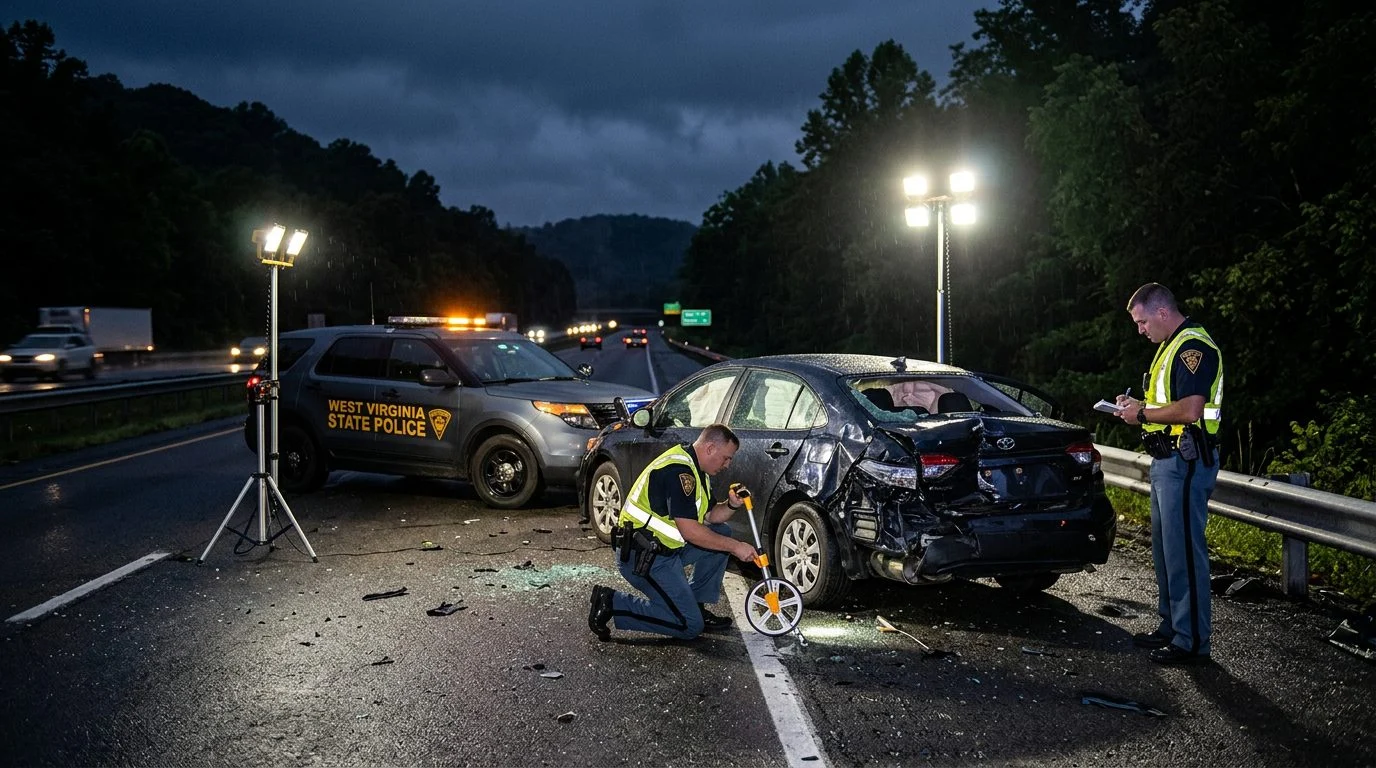
The crash report also matters. W. Va. Code § 17c-4-9 requires crash report forms to give enough detail on the cause, the conditions then existing, and the vehicles and people involved. Under W. Va. Code § 17c-4-7, an officer who investigates, in the regular course of duty, a crash occurring on the public streets or highways of West Virginia must prepare a report for a crash resulting in bodily injury, death, or total property damage to an apparent extent of $1,000 or more.
Are Rule-of-Thumb Formulas for Car Value Loss Reliable?
Not on their own. Rules of thumb give a quick guess, but they can’t replace an assessment of your specific car.
You may hear shortcuts online, such as a set percentage of the car’s value or a popular dollar-amount rule. These shortcuts are not legal standards or appraisal standards. They ignore the car’s age, its condition, the quality of the repairs, and current market conditions.
Two cars of the same make and model can end up with different values after similar damage. That is why a case-specific assessment usually gives a more reliable picture than a formula.
Mileage is a separate question. Mileage is part of normal depreciation, so it differs from the loss caused by the accident. Keep the two apart when you review any estimate.
Read any estimate by asking which part of the drop comes from the crash and which part comes from age and miles. A quick number is a starting point for questions, not a final answer about your claim.
How Does a Diminished Value Claim Fit Into the Larger Process?
A claim for lost value is usually presented to an insurer. Which insurer is the right one depends on the facts and the coverage involved.
Start by checking what insurance is in place. The West Virginia DMV insurance information page offers general information about auto insurance.
Timing matters, too. West Virginia generally allows two years to bring a personal action for damage to property, and exceptions may apply. See W. Va. Code § 55-2-12.
Some insurers may dispute a diminished value claim. Documentation is central to any dispute.
If you believe an insurer handled a claim unfairly, West Virginia law points to an administrative complaint. Under W. Va. Code § 33-11-4a, a third-party claimant may not bring a private cause of action or any other action against any person for an unfair claims settlement practice. The statute names an administrative complaint with the Insurance Commissioner as the third-party claimant’s sole remedy, and it must be filed as soon as practicable but no later than one year after the alleged unfair claims settlement practice is actually or impliedly discovered.
Whether a claim affects your premiums depends on your insurer and your policy.
What Should You Do With Your Vehicle Records After a Crash?
Keep every record about the crash and the repairs. An appraiser or insurer may ask to review them.
- Repair invoices showing the work done and the parts used.
- Any appraisal or written estimate for the vehicle.
- Photos of the car before and after repairs.
- The crash report and the other driver’s insurance details.
- A copy of the vehicle history report, so you can see how the accident is recorded.
Under W. Va. Code § 17c-4-7, the investigating officer must provide owner, operator, and insurance information to each involved party on request, within 24 hours of the crash. Ask for these details at the scene, and write them down.
If you’re offered a trade-in, expect the buyer to review the accident history. The offer may reflect what the vehicle’s records show.
Commercial vehicle crashes can bring more paperwork. Federal rules in Title 49 of the Code of Federal Regulations include a requirement that motor carriers obtain and keep in effect the minimum levels of financial responsibility before operating a motor vehicle, so a truck crash may involve questions about the carrier’s insurance.
Not sure what your next step is?
Talk it through with Big Bubba — the first case review is free, confidential, and carries no obligation.
Describing What Happened to You
If your car has been repaired but still doesn’t feel right, you may be weighing a loss you didn’t choose. You may also be dealing with injuries, or a family member may be handling a loss after a crash. The car may be the least of your worries.
Sorting through papers takes time. If another driver was at fault, the vehicle damage may be part of a larger claim.
The firm handles car accident, truck accident, and commercial vehicle accident claims. We serve Charleston, Huntington, and Morgantown injury victims. If you’d like to talk through the damage, your records, and what you’re deciding next, you can request a free case review with us.
Related practice areas
- Traumatic Brain Injury from Car and Truck Accidents in West Virginia
- Who Is at Fault in a Rear-End Collision in West Virginia?