
Brain Injury After a Car Accident
How to Document Brain Injury After a Car Accident
Brain injuries are often invisible. Start documenting now to protect your health and your claim.
Published October 05, 2026
After a car accident, a brain injury may not be immediately obvious. You might feel fine at first, then notice confusion, headaches, or memory problems days later. Documenting what happens—starting right now—creates a medical and personal record that protects you and supports any future claim. Here’s how to gather the evidence that matters.
Why Documentation Matters After a Car Accident Brain Injury
Brain injuries are often invisible. You may have no cuts or bruises, yet the impact has damaged your brain’s function. According to the National Institute of Neurological Disorders and Stroke (NINDS), a traumatic brain injury (TBI) is a bump, blow, or jolt to the head that changes how the brain normally works, and it can range from mild to severe.
Medical records and symptom logs create a timeline. They show what happened, when symptoms started, how they’ve changed, and how they affect your life. Clear documentation is harder to dispute than memories you recall months or years later. If you later decide to pursue a claim, this record becomes the foundation of your case.

If you're in West Virginia and have questions about a brain injury from a car accident, we serve injury victims across the state. Talk it through with our team — the first case review is free, confidential, and carries no obligation.
Seek Medical Evaluation Immediately
Go to the emergency room or urgent care right after the accident, even if you feel okay. Brain injuries can develop over hours or days. Tell the medical team:
- How the accident happened and whether your head hit anything
- Any symptoms you’re experiencing now (dizziness, confusion, headache, nausea, neck pain)
- Any loss of consciousness, even for a few seconds
- Any memory gaps about the accident
Ask the doctor to document the mechanism of injury—how the accident occurred—in your medical record. Request imaging (CT scan or MRI) if the doctor recommends it. These create a baseline and rule out bleeding or swelling.
What Neuro Checks Are Typically Done After a Head Injury
After a head injury, doctors perform standardized tests to assess your brain function. Keep copies of all results.
Glasgow Coma Scale (GCS). This evaluates your level of consciousness and responsiveness on a 15-point scale. It’s one of the first assessments in the emergency room.
Neurological exam. The doctor tests your reflexes, balance, coordination, and mental clarity. They may ask you questions about the date, where you are, or recent events to check your memory and orientation.
Imaging studies. CT or MRI scans look for bleeding, swelling, or structural damage. Brain injuries are often invisible on imaging—a scan may appear normal even when you have suffered a real TBI with neurological effects.
Baseline cognitive screening. Your doctor may perform quick tests of memory, attention, and processing speed. If you see a neurologist later, these baseline results help show what changed.
Request written copies of all test results and the doctor’s findings. Store them safely.
Keep a Detailed Symptom and Recovery Log
Start this immediately after the accident. Write down what you remember about the impact and any symptoms that day.
Then, every day for at least the first few weeks (and longer if symptoms continue), record:
- Headaches: time of day, severity (1–10 scale), what triggered it, how long it lasted
- Dizziness or balance problems: when they occur, what makes them worse
- Confusion or memory problems: difficulty remembering recent events, trouble focusing, getting lost in familiar places
- Sleep changes: trouble falling asleep, waking early, nightmares, excessive sleepiness
- Mood or emotional changes: irritability, anxiety, sadness, anger that feels different from your normal self
- Sensitivity to light or noise: situations that make symptoms worse
- How symptoms affect daily life: missed work, unable to drive, difficulty with self-care, impact on family or relationships
Use a notebook, phone app, or shared document. Consistency and dates matter more than perfect writing. A simple entry like “Tuesday 2 p.m.: severe headache, couldn’t concentrate at work, left early” is valuable evidence.
Gather and Organize Medical Records
Request records from every medical visit related to the accident:
- Emergency room or urgent care visit
- Follow-up appointments with your primary care doctor
- Neurologist visits
- Physical therapy or rehabilitation
- Mental health or counseling sessions
Ask for imaging reports (CT, MRI), lab results, and the doctor’s clinical notes. Request a copy of the initial injury assessment and any diagnoses documented. Store originals safely and keep a backup copy—digital and paper.
Document Neurological Assessments and Cognitive Testing
If your doctor refers you to a neurologist, keep all test results and reports. Neuropsychological testing—a formal assessment of memory, attention, processing speed, and other cognitive functions—creates objective evidence of changes caused by your injury.
These tests are especially important because brain injuries often don’t show on standard imaging, and neuropsych testing fills that gap by measuring actual brain function. Request written summaries of findings and recommendations from your neurologist.
Not sure what your next step is?
Talk it through with our team — the first case review is free, confidential, and carries no obligation.
How Do You Prove a Traumatic Brain Injury
Proving a brain injury requires multiple types of evidence working together:
- Medical records showing the accident and initial assessment
- Imaging or test results (CT, MRI, neuropsychological testing) documenting abnormalities or changes in brain function
- Consistent symptom documentation over time—your daily log showing ongoing effects
- Doctor’s clinical notes linking your symptoms to the accident and the injury
- Witness testimony from family, friends, or coworkers who observed changes in your memory, mood, or behavior
- Documentation of treatment (therapy, medication, specialist visits) addressing your brain injury
Together, these create a picture that shows you were injured in the accident and that the injury has real, ongoing effects.
Document the Impact on Your Daily Life
Beyond medical records, document how the injury affects you:
- Work: missed days, reduced hours, job changes, or inability to return to your job
- Medical care: appointments, therapy sessions, costs of treatment
- Daily activities: changes in your ability to drive, manage finances, care for yourself or family members, or participate in activities you enjoyed
- Finances: receipts for medications, medical equipment, home modifications, or paid help
- Personal observations: ask family or close contacts to write brief statements about changes they’ve noticed in you
This documentation supports the claim for damages—not just medical bills, but the real cost of your injury to your life.
Preserve Evidence from the Accident Scene
Don’t overlook the accident itself. Gather and preserve:
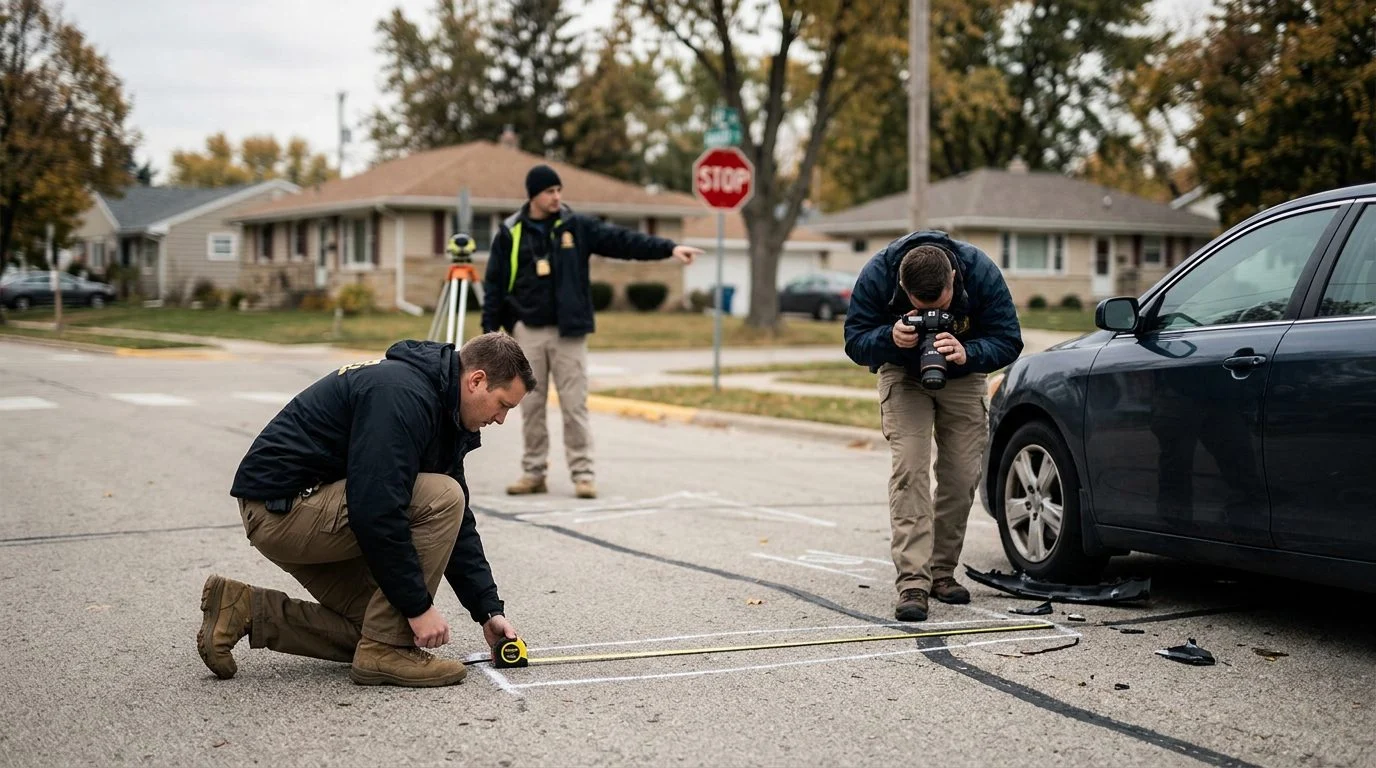
- Photos of vehicle damage: taken at the scene or immediately after
- Police accident report: request a copy and note the report number
- Witness contact information and statements: names and phone numbers of people who saw the accident, and what they observed about the impact
- Photos of your injuries: if you have visible injuries, photograph them in the days after the accident
- Dash cam or traffic camera footage: check whether you or nearby vehicles have recorded the accident
These help prove the accident happened and show the force of impact, which supports the claim that a brain injury occurred.
What to Do With Your Documentation
Keep organized copies—both digital and paper—in a safe place. Share your symptom log and medical records with your treating doctors so they can see the full picture of your recovery. This helps them provide better care and document the injury’s progression.
Do not post details of your injury or recovery on social media. Do not discuss the accident or your symptoms in detail with the other driver’s insurance company without legal advice.
If you decide to pursue a claim, provide all your documentation to your attorney. It becomes the foundation of your case.

Have questions about what happened?
Ask our team directly. The first conversation is free, confidential, and there is no obligation to continue.
Next Steps: When to Reach Out
If you’ve been in a car accident and suspect a brain injury, the first step is medical care—don’t delay seeking evaluation. As you recover and document your symptoms, you may have questions about your rights or whether you have a claim.
West Virginia law generally allows two years to file a personal injury lawsuit, running from when the right to bring the action accrues, and exceptions may apply. If the accident was caused by another driver’s negligence, you may be entitled to compensation for medical costs, lost wages, ongoing care, and other damages.
If you’re in West Virginia and have questions about a brain injury from a car accident, we serve injury victims across the state. Reach out to discuss what happened and what your documentation means for your situation.
Related practice areas
- Traumatic Brain Injury from Car and Truck Accidents in West Virginia
- WV Personal Injury Statute of Limitations | 2-Year Deadline