
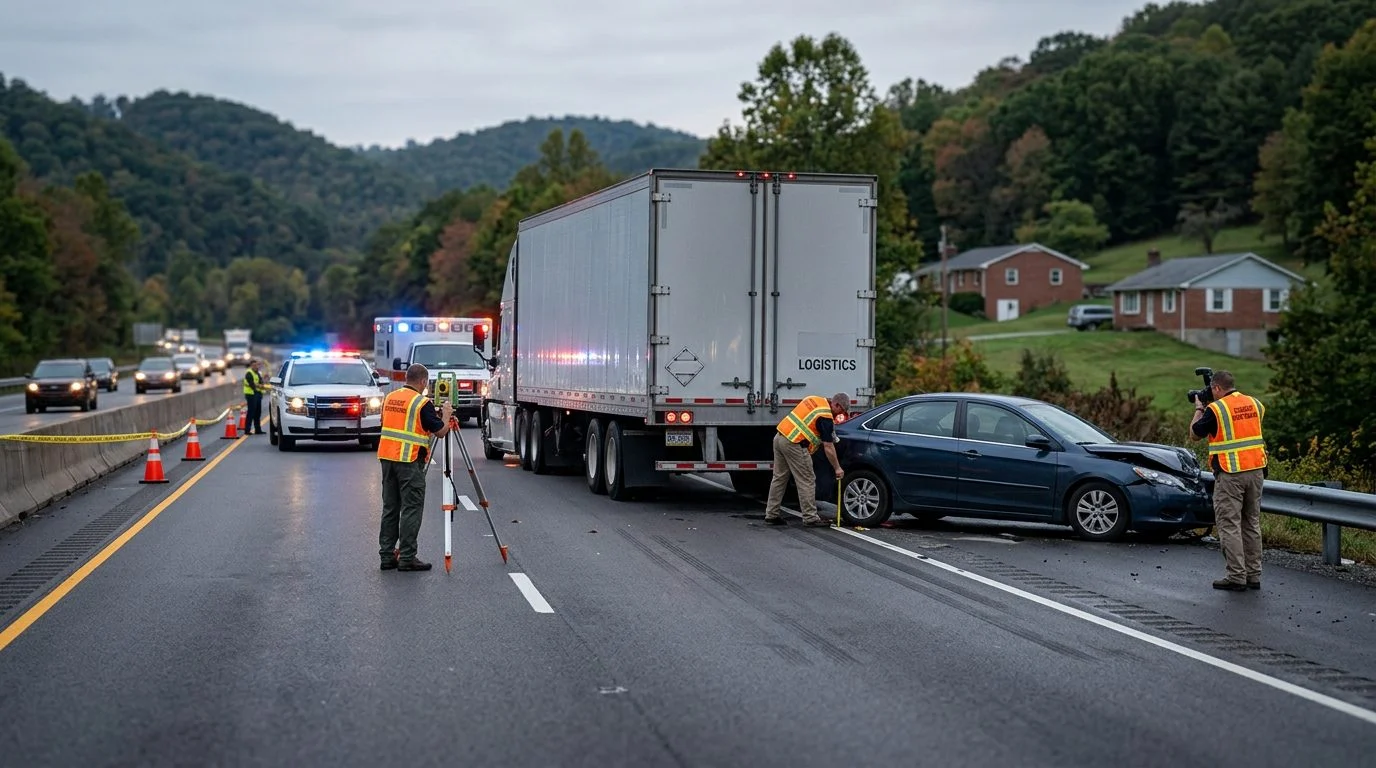
Spinal Cord Injury | West Virginia
Planning for Your Family's Future After a Spinal Cord Injury
When an injury changes how someone works, the financial questions can feel overwhelming. Here is a plain-language guide to what the firm reviews with families across West Virginia.
Published November 18, 2026
If someone you love was hurt in a crash and may not return to the work they once did, you likely have many questions at once. One of the hardest is what the injury means for their paychecks in the years ahead.
Lost earning capacity is the reduction in what a person can earn in the future because of an injury. It is different from pay already missed. This page explains how that loss is described, what evidence is used to show it, and what West Virginia law generally allows.
What Lost Earning Capacity Means After a Spinal Cord Injury
Lost earning capacity is the drop in a person’s ability to earn money going forward because of an injury. The question looks ahead from the date of the injury, not backward at pay already lost.
A spinal cord injury can change the kind of work a person can do, the hours they can work, and how fast they can work. Someone who worked on a loading dock may face different limits than someone who sat at a desk. Both can lose future earning ability, but the loss looks different for each.
Two people with the same diagnosis may have very different work limits. Strength, balance, hand use, stamina, sitting or standing tolerance, and pain all play a role. A treating doctor’s notes often describe these limits, though the real work impact depends on each person’s job and recovery.
If a crash has changed how your loved one can work, you don't have to sort it out alone; you can request a free case review with the firm. Talk it through with Big Bubba — the first case review is free, confidential, and carries no obligation.
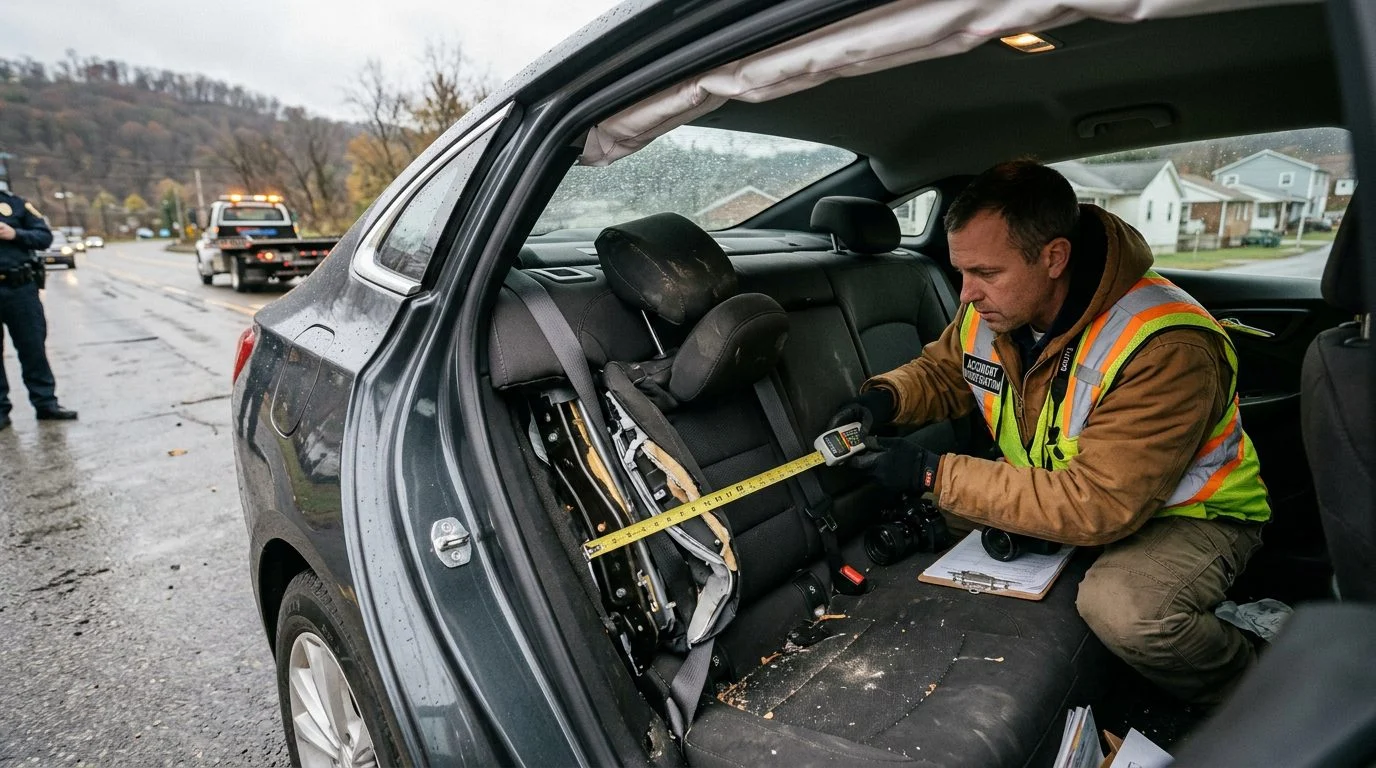
Lost Wages vs. Loss of Earning Capacity
Lost wages cover pay missed from the crash date up to the date of the claim. Loss of earning capacity covers the longer period ahead.
Lost wages are usually the easier part to document. Pay stubs, employer records, time-off requests and tax returns show what the person earned before the crash and what they missed afterward. Many families start with this simple comparison of pay before and after the injury.
Loss of earning capacity is forward-looking. It asks how much the person could have earned over their remaining working years, and how much of that ability the injury took away. That question needs medical and vocational evidence, not only past pay records.
A claim may include both categories. The two are proven with different evidence, so families should keep records for each. Readers comparing injury categories can also review the firm’s traumatic brain injury information.
How a Spinal Cord Injury Can Affect Work Ability
A spinal cord injury can limit work ability in ways that depend on where the spinal cord was damaged and how severely.
Injury location and severity can affect strength, balance, hand use, endurance and pain. A person with a physically demanding job may face limits that an office worker does not. The reverse can also be true when a job requires long hours of sitting or standing.
A West Virginia spinal cord injury study reports that injury severity, how complete the injury was, access to rehabilitation, insurance status and discharge disposition relate to long-term function and mobility. That link is one reason medical records matter so much in these claims.
Recovery is often tracked over time, and treating providers may document long-term limits. Outcomes differ from person to person and can change. Families should follow the medical team’s guidance and direct questions about what to expect to the treating doctors.
What Evidence Is Used to Show Future Earnings
Future earnings are usually shown with a mix of medical, work and financial records that are reviewed together.
Common records include:
- Medical records and imaging
- Functional capacity evaluations, which measure physical abilities against job demands
- Work history and job descriptions
- Pay records, tax returns and performance reviews
A vocational assessment looks at education, training, skills, work history and medical limits. A vocational counselor uses that review to identify jobs the person may still be able to do, and to compare them with pre-injury work.
An economist may be used to estimate the present value of future earnings. Methods vary by case, and results depend on the assumptions used.
Crash records can also help. Under § 17c-4-7, an investigating officer must prepare a crash report within 24 hours after completing the investigation when a crash involves bodily injury, death, or total property damage of $1,000 or more. The same statute requires the investigating officer to provide owner, operator, and insurance information on request, at no cost, to each involved party and their insurance agents within 24 hours of a crash, whether or not the accident report has been completed. A crash report can help show how the collision happened, though its value depends on the facts.
How Future Earnings Are Estimated in a West Virginia Claim
Future earnings are estimated from several personal and work factors.
Factors commonly considered include age, education, training, pre-injury earnings, work history, the number of remaining working years, and realistic job options after the injury. Each factor can move the estimate, so similar injuries can lead to different projections.
Under W. Va. Code § 55-7-13a, recovery in a personal injury or wrongful death action is generally based on comparative fault, with liability allocated to each person who proximately caused the damages, including the injured person, in proportion to that person’s percentage of fault. Under § 55-7-13c, a person’s own fault bars recovery only when it is greater than the combined fault of all other persons responsible for the damages. If it is less, recovery is reduced in proportion to that person’s share of fault. Exceptions may apply.
Filing deadlines matter too. West Virginia generally allows two years to bring a personal injury claim under § 55-2-12, and exceptions may apply.
Other parties may challenge these projections. They may question the medical limits, the job options or the earnings figures. Medical and vocational evidence is often used to respond to those challenges.
Related Losses That May Be Part of a Spinal Cord Injury Claim
Other losses may be part of a spinal cord injury claim alongside lost earning capacity. Future medical care, pain and suffering, and the cost of help at home are common examples.
Each of these is documented separately. Records for one loss do not replace records for another, so families should keep them organized from the start.
West Virginia’s wrongful death law covers losses for families when a crash injury leads to death. Under § 55-7-6, the jury’s verdict must include, but may not be limited to, damages for sorrow, mental anguish, and solace; reasonably expected loss of the decedent’s income and of the services, protection, care and assistance the decedent provided; expenses for the care, treatment and hospitalization of the decedent; and reasonable funeral expenses. A wrongful death action generally must be commenced within two years after death. W. Va. Code § 55-7-6 reads: “The provisions of this section shall not apply to actions brought for the death of any person occurring prior to July 1, 1988.”
Some injured people also look into Social Security disability benefits.
Not sure what your next step is?
Talk it through with Big Bubba — the first case review is free, confidential, and carries no obligation.
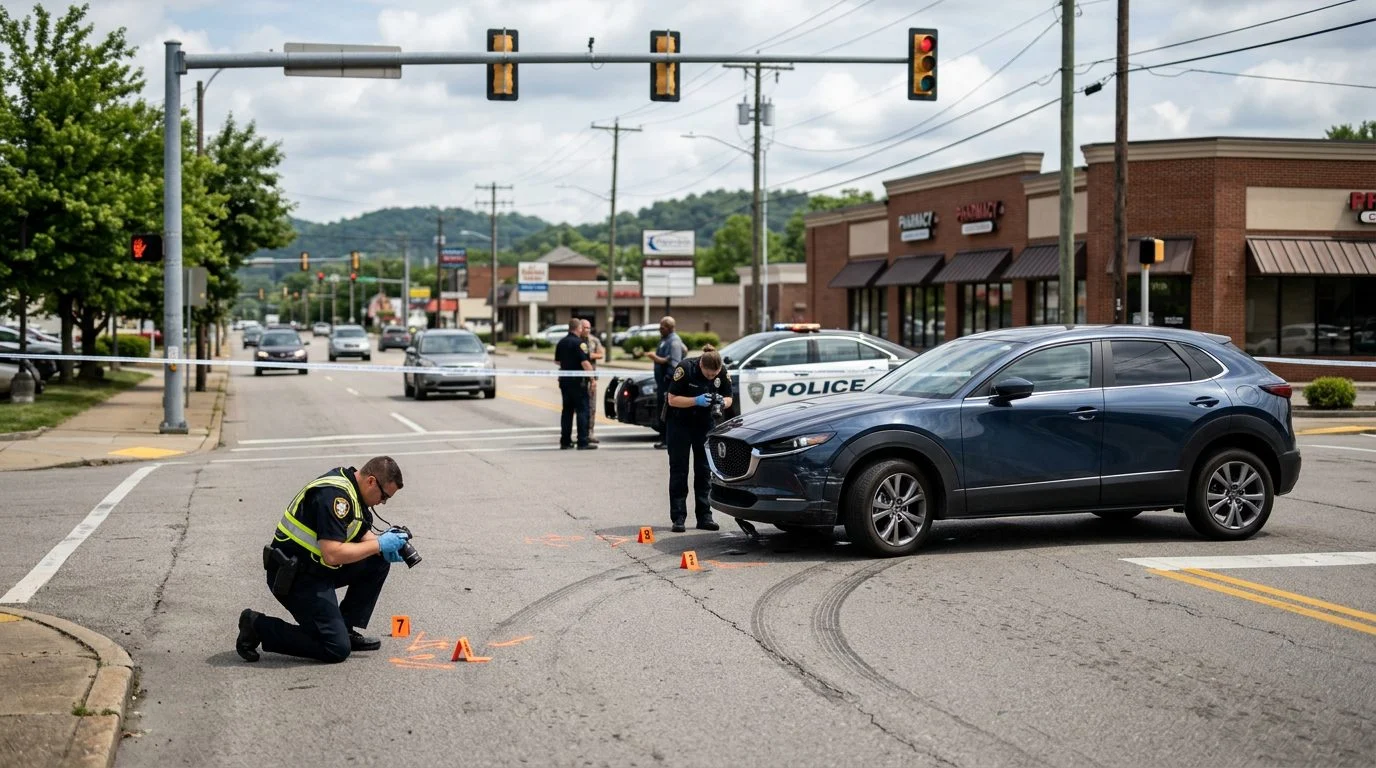
Understanding a Spinal Cord Injury Claim
If you’re trying to understand a loved one’s future work ability, you’re probably balancing medical visits, paperwork and worry all at once.
The firm handles car accident, truck accident, commercial vehicle and catastrophic injury claims, including spinal cord injury cases. We serve injury victims across West Virginia.
If a crash has changed how your loved one works and earns, you can reach out to the firm for a free case review and talk through what happened.