
Car Accident Injuries | West Virginia
Multi-Vehicle Crashes: Understanding Your Injuries
When several vehicles are involved, the injuries and the questions can pile up fast. Here is a plain-language guide to make sense of it.
Published November 15, 2026
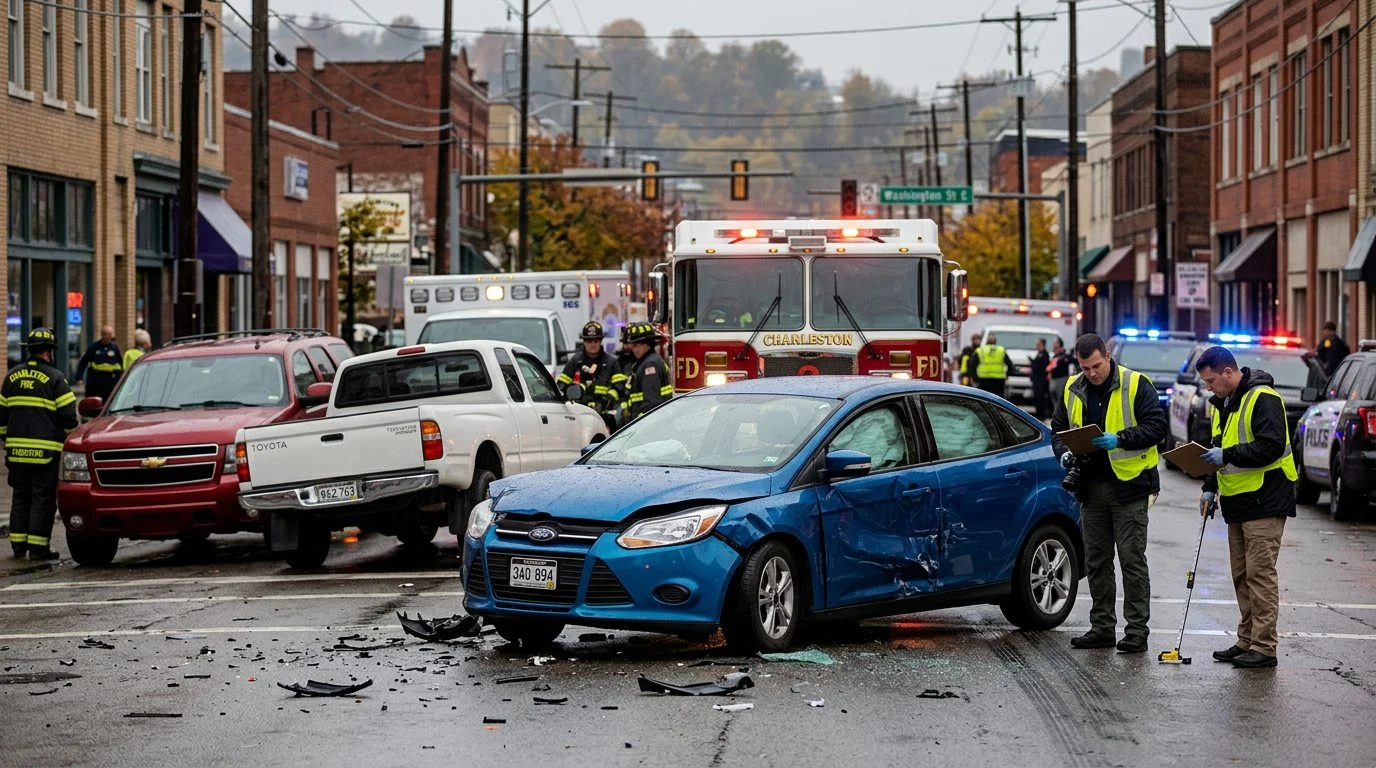
If you were hurt in a crash with several vehicles, or you’re researching one for someone you care about, you may be dealing with a lot at once. If you were hurt in a crash involving several vehicles in West Virginia, you may be wondering how the injuries happened. That happens when a crash pushes or redirects other vehicles into traffic, and a single event can leave several people hurt.
Some of those injuries show up later, and the order of impacts can shape how fault is discussed. This page explains how these crashes unfold, which injuries are possible, and which records may matter.
How a Single Impact Becomes a Multi-Vehicle Crash
A multi-vehicle crash usually starts with one impact that changes where other vehicles go. A car that spins, stops hard, or swerves can strike a vehicle in the next lane. That car may then hit another one ahead or behind it. These secondary and tertiary impacts can happen within seconds.
A simple two-vehicle crash has one impact and usually one clear sequence to trace. A chain reaction has several steps. Each vehicle’s speed, braking, and position can matter. Those details are harder to piece together once the cars have stopped and the scene has cleared.
Speed adds to the problem. According to the Insurance Institute for Highway Safety, speeding increases stopping distance and crash energy. Less time to stop can mean more vehicles get pulled into the sequence.
You may see the abbreviations MVC and MVA in reports and news stories. Both describe a motor vehicle crash. The MVC vs. MVA terms page explains the difference in more detail.
If someone you love was hurt in a pileup, you don't have to work out what happened alone. We're glad to talk it through in a free case review. Talk it through with Big Bubba — the first case review is free, confidential, and carries no obligation.
Common Injuries When Several Vehicles Collide
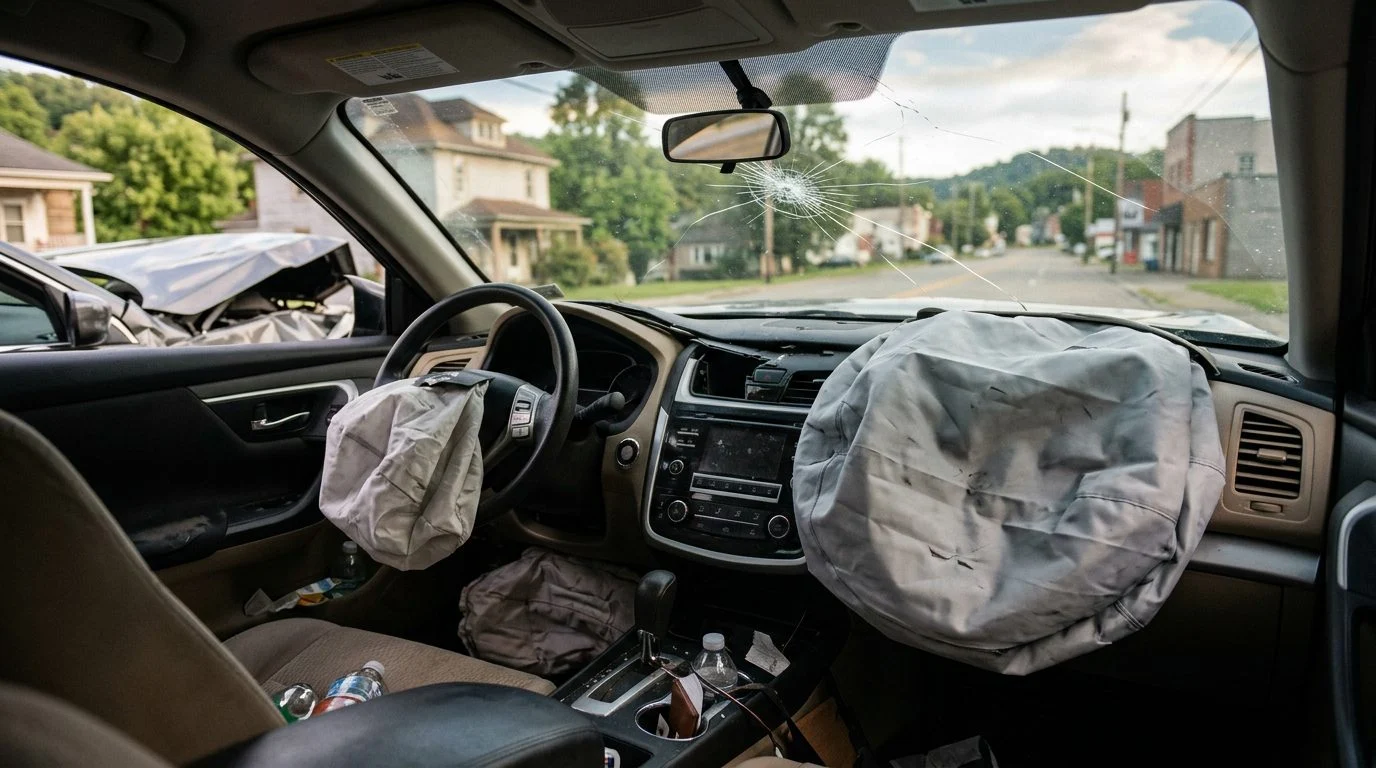
Multi-vehicle crashes can cause neck and back injuries, head injuries, broken bones, and spinal injuries. More than one of these may occur in the same event.
Neck and back strains may occur in rear-end impacts. They can be easy to dismiss at first. A blow to the head, even without a visible wound, may cause a concussion. A concussion is one type of traumatic brain injury, and its effects can vary from person to person.
Each impact adds force. A person may be struck by a second or third vehicle after the first collision. Medical providers may need to evaluate each injury separately.
The spinal cord is protected by layers of tissue and cerebrospinal fluid. According to the National Institute of Neurological Disorders and Stroke, this fluid acts as a cushion against shock. Injuries high in the neck can affect breathing, because the nerves in that region help control the diaphragm.
How serious any injury is depends on the person and on the medical evaluation.
Why Symptoms May Appear Days After the Crash
Some injuries from a pileup may not show up until hours or days after the crash. Adrenaline released at the scene can mask pain. A person may feel shaken but mostly fine, then notice stiffness, headaches, dizziness, or trouble sleeping later in the week.
Those symptoms can be hard to connect to the crash after the fact. The gap in time can also make it harder to show when they began.
Report any new symptom to a medical provider, even if it seems minor. Write down the date each symptom started, what it felt like, and what you couldn’t do that day. A simple written timeline can help a provider and anyone reviewing the case. For more, read about delayed pain after a West Virginia car accident.
Several Drivers, Several Possible Responsibilities
In a chain-reaction crash, more than one driver may have contributed. How fault is split can depend on the facts.
West Virginia’s comparative fault statute defines comparative fault as the degree to which a person’s fault was a proximate cause of an alleged personal injury or death or damage to property, expressed as a percentage (W. Va. Code § 55-7-13a). Under W. Va. Code § 55-7-13c, a plaintiff’s recovery is reduced by their own percentage of fault only if the plaintiff’s fault is less than the combined fault of all other persons. A plaintiff is barred only if their fault is greater than the combined fault of everyone else responsible.
The same section says each defendant’s liability for compensatory damages is generally several only. That means each defendant may be responsible for its own share. Certain conduct, such as driving under the influence, may change that result.
Under W. Va. Code § 55-7-13d, a defending party may give notice no later than one hundred eighty days after service of process that a nonparty was wholly or partially at fault, and the statute also considers a nonparty’s fault if the plaintiff has settled with that nonparty. A car in the chain that was never named in a suit may still be considered.
If another driver was at fault, that driver’s insurer may become involved. Some insurers may dispute a claim. A multi-vehicle crash can also involve several insurance companies at once. If the crash happened in a work zone, the construction zone crash page covers added questions.
Highway Pileups, Emergency Responders, and Crash Reports
Under West Virginia law, the investigating officer must prepare a crash report within 24 hours after finishing the investigation. This applies when a crash involves injury, death, or property damage of $1,000 or more, under W. Va. Code § 17C-4-7.
That report can be a useful reference for what happened at the scene. The officer must also, within 24 hours of the crash and upon request, provide owner, operator, and insurance information for all involved parties to each of the other involved parties and to each party’s respective insurance agents, at no cost, whether or not the accident report has been completed.
Drivers have duties too. Under W. Va. Code § 17C-4-1, a driver in a crash that causes injury or death must immediately stop at the scene or as close to it as possible, and return to and remain at the scene until they have met the duties in § 17C-4-3, such as sharing information and helping anyone injured, though the driver may leave the scene as reasonably necessary to help someone injured in the crash. Under W. Va. Code § 17C-4-3, a driver who is physically able must share their name, a phone number, vehicle details, and proof of insurance.
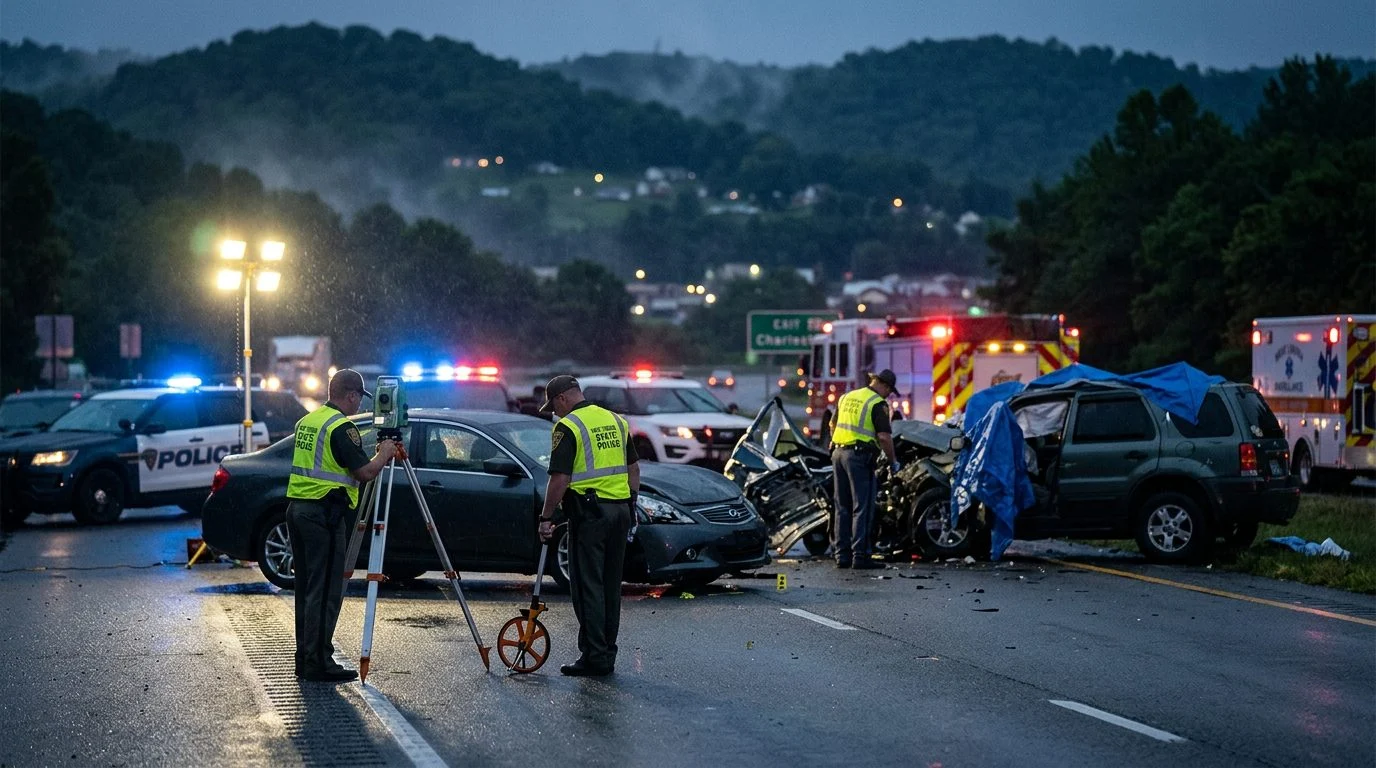
Local news reports of pileups on highways like Interstate 79 or Route 10 may describe several people taken to hospitals and lanes closed for hours. Those reports show that a scene existed. They don’t replace the official crash report.
Information That May Matter in a Multi-Vehicle Case
Keep the items below in one safe place. Some are easier to gather early, while details are fresh.
Photos of the vehicles, the roadway, and any skid marks are worth taking if you can. Names and phone numbers of witnesses matter too. So do medical records and bills, the crash report number, and notes on symptoms and missed work.
Dashcam footage, traffic camera video, and vehicle data may be relevant, depending on the facts. These sources can be overwritten or lost over time, so ask early about what exists.
Under 49 C.F.R. § 382.303, an employer must stop trying to give an alcohol test if it isn’t given within eight hours. The same rule sets a 32-hour limit for a controlled substances test. Those short windows are one reason early records can matter.
West Virginia also limits settlement talks soon after an injury. Under W. Va. Code § 55-7-11a, a person may not negotiate a settlement within twenty days while the injured person is a hospital inpatient or is partially or totally unable to engage in his or her usual trade, profession or occupation. Keep copies of all letters from insurers, and read any statement carefully before you sign it.
Not sure what your next step is?
Talk it through with Big Bubba — the first case review is free, confidential, and carries no obligation.
What to Share About Your Crash
You may be dealing with an injured family member, unanswered questions about the crash, or a decision you didn’t expect to face. Many people in this spot are still deciding what to do next, and that’s normal.
Picture a spouse hurt when traffic stopped on the interstate and a line of cars piled up behind the first impact. You may be trying to track medical visits, police paperwork, and calls from insurers all at once.
The firm offers a free case review, a confidential first conversation with no obligation to continue. The firm handles car accident, truck accident, commercial vehicle accident, catastrophic injury, traumatic brain injury, spinal cord injury, and wrongful death claims.
We serve injury victims across West Virginia, including Charleston, Huntington, Morgantown, Wheeling, Martinsburg, Parkersburg, Beckley, Clarksburg, Fairmont, and Weirton.
If you want to talk through what happened, call the firm about your case or request a free case review.