
Older Driver Crash Checklist | West Virginia
Your Parent Was in a Crash. Here's Where to Start.
A plain-language set of yes-or-no checks to help adult children sort out medical follow-up, memory concerns, records, and insurance contacts.
Published November 17, 2026
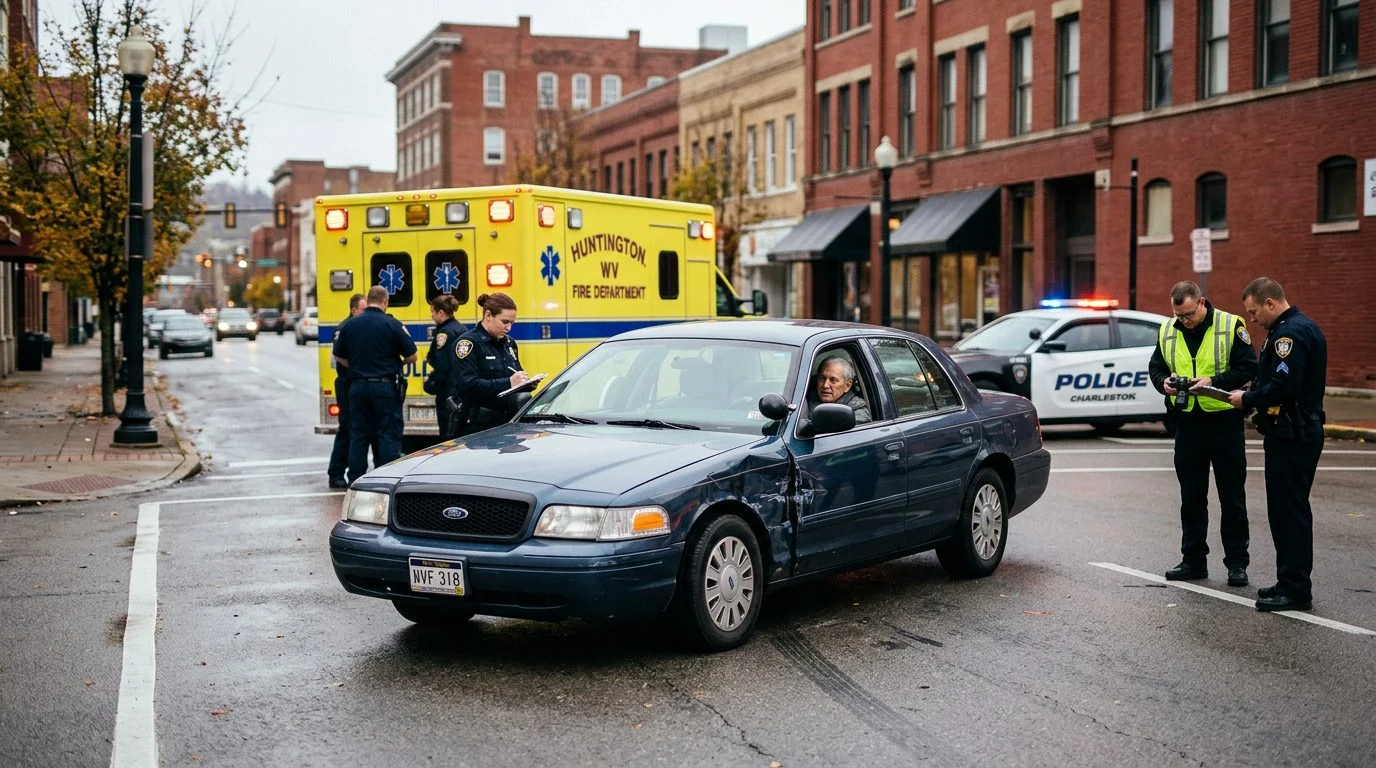
Your parent was in a crash, and now the phone calls, doctor visits, and insurance letters have landed on you. The short answer: check medical follow-up first, report any memory changes, and gather records before anyone asks for a statement.
This checklist walks you through each step. Every item is a yes/no test, one line of explanation, and a next step.
Who This Checklist Is For and What It Covers
This checklist is for adult children handling a parent’s car or truck crash in West Virginia. You may be the one answering calls, driving to appointments, and deciding whether your parent should drive again.
Older adults often say they feel fine. Pain can be slow to show, and many parents don’t want to be a bother. Your job is to ask the questions they might skip.
The steps move from health to paperwork to insurance and legal questions. You don’t need to finish them all in one day. Keep one notebook, and write down the date, the answer, and the name of anyone you spoke with.
If a commercial truck was involved, or if someone died, there are extra steps. Head injuries also need careful attention. For more on brain injury after a crash, read our traumatic brain injury in West Virginia guide.
If your parent's crash has left you with questions about injuries, insurance calls, or a death in the family, you don't have to sort it out alone. Reach out for a free case review. Talk it through with Big Bubba — the first case review is free, confidential, and carries no obligation.
Checklist Step 1: Is Your Parent Getting Medical Follow-Up?
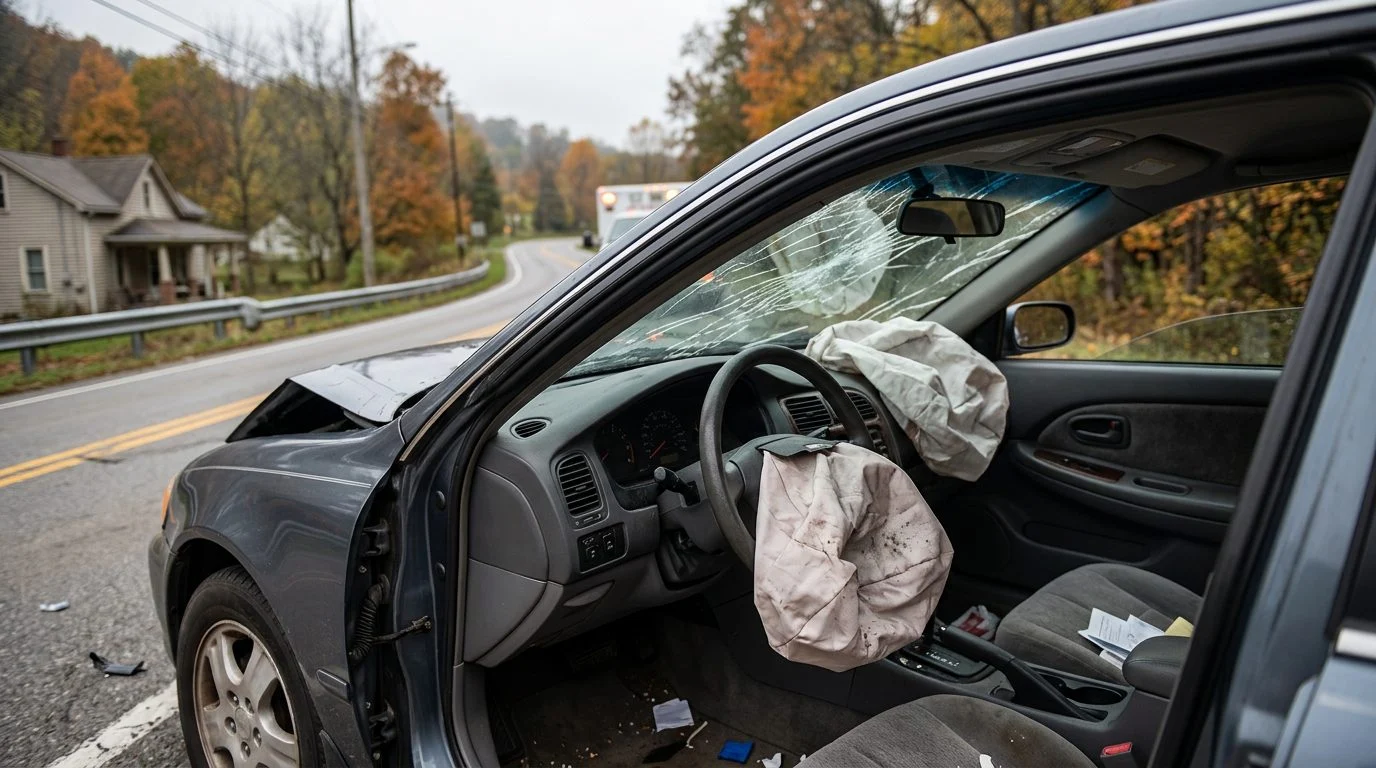
If your parent hasn’t seen a doctor since the crash, book an evaluation now, even if they say they feel fine.
Yes/no test: Has your parent been seen by a doctor since the crash? Older adults often downplay symptoms. A medical visit creates a dated record of their condition. If yes: Ask for copies of the visit notes. If no: Schedule an evaluation this week.
Yes/no test: Have any follow-up visits been missed or delayed? Gaps in care can make it harder to connect later symptoms to the crash. If yes: Put every appointment on one calendar. Ask the doctor which symptoms mean they should come back right away.
Some injuries don’t show up right away. A quick check-up is not an overreaction. It protects your parent’s health and gives the family a clear record of what happened.
Checklist Step 2: Have You Noticed Confusion or Memory Changes?
Confusion, memory gaps, or unusual drowsiness after a crash should be described to a doctor. Don’t write them off as normal aging.
Yes/no test: Has your parent become more confused, repeated the same questions, lost track of time or place, or seemed unusually sleepy since the crash? These changes can be signs of a traumatic brain injury. Doctors need specific details to check for one. If yes: Write down what you saw, when it started, and how often it happens. Use dates.
Yes/no test: Do they have headaches, dizziness, vision or hearing changes, balance trouble, or trouble finding words? These symptoms are also worth reporting, even if they seem minor. If yes: Bring your written list to the next visit. Say “since the crash” so the doctor knows the timing.
Your parent may have had some of these changes before the crash. Tell the doctor what was normal for them, if you know.
Checklist Step 3: Have You Gathered the Crash Records?
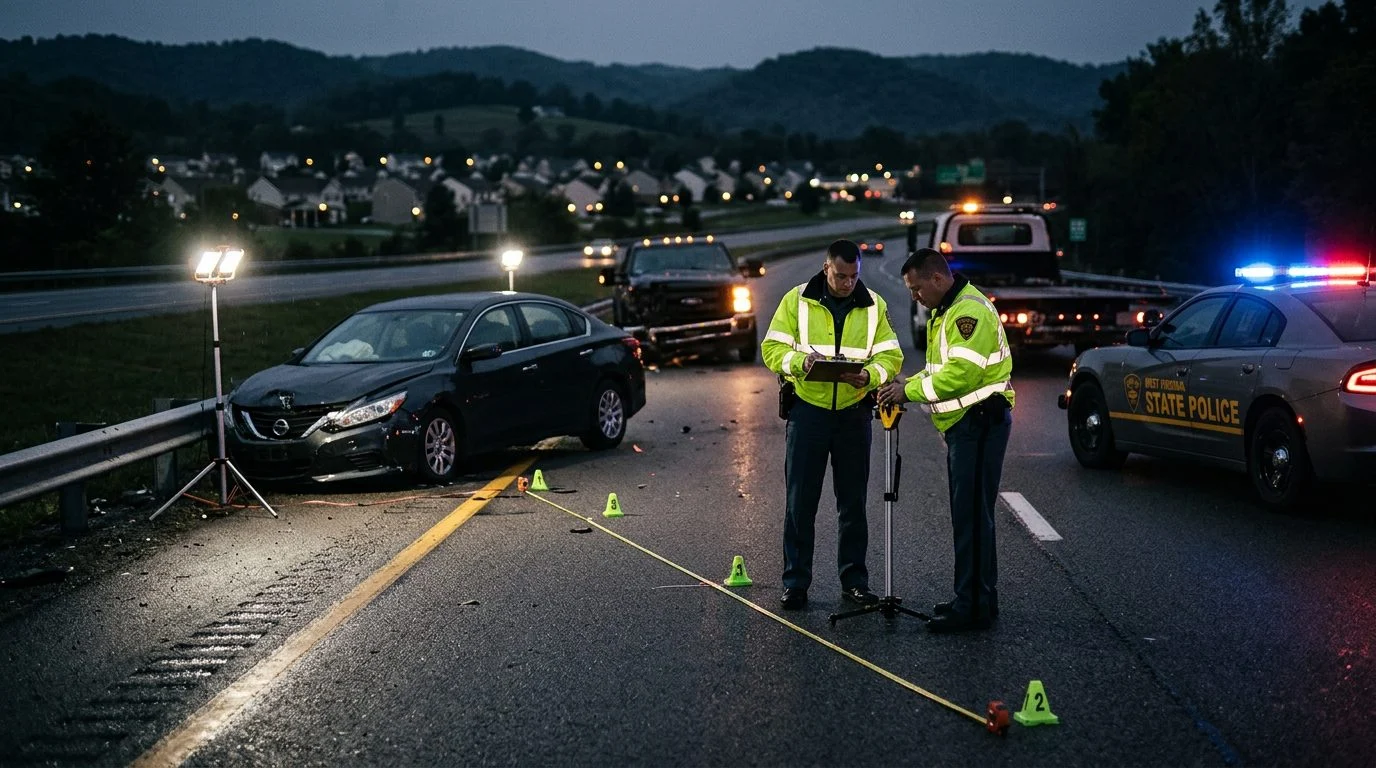
Collect the crash report, photos, witness details, and medical papers early, while details are still fresh.
If no: Contact the police agency that handled the crash and ask how to request the report.
Yes/no test: Do you have photos of the vehicles, the scene, and any visible injuries? Photos taken soon after a crash show positions and damage. Keep the original files with their dates. If no: Ask family members or witnesses who took photos to send them to you.
If no: Ask the police report or the other driver’s insurer for these details.
Yes/no test: Are discharge papers, medical bills, and imaging results in one folder? One folder keeps dates and providers in order. If no: Request copies from each provider.
Checklist Step 4: Has an Insurance Company Called Your Parent?
Before your parent gives any statement, find out who is calling and why.
For 20 days after an injury, a person generally may not negotiate or try to negotiate a settlement, seek a release of liability, or seek a written or oral statement for settlement purposes from an injured person who is a hospital inpatient or is partially or totally unable to do their usual trade, profession or occupation. Exceptions may apply. See W. Va. Code § 55-7-11a.
Yes/no test: Has an adjuster asked your parent for a recorded statement or to sign papers? Some insurers may dispute a claim. A rushed answer can be hard to take back. If yes: Write down the adjuster’s name, company, and callback number. Don’t sign anything until you understand it.
Yes/no test: Is your parent still confused or recovering? A parent who is still recovering may describe the crash wrongly, even by accident. If yes: Tell the caller the family will follow up once the doctor says your parent is ready to talk.
Checklist Step 5: Was a Commercial Vehicle or a Driver Who Left Involved?
West Virginia law generally requires a driver in a crash resulting in injury to or death of any person to immediately stop and remain at the scene, unless the driver leaves as reasonably necessary to render assistance to a person injured in the crash.
Yes/no test: Was the other vehicle a commercial truck, bus, or company van? Commercial vehicles may involve a company as well as a driver. Federal rules may require drug and alcohol testing of a commercial driver after a crash, under Federal Motor Carrier Safety Administration guidance. If yes: Write down the company name, any USDOT number on the vehicle, and its markings.
Leaving is allowed only as needed to help an injured person. An intentional violation made when the driver knows or has reason to believe that another person has suffered physical injury can be a crime, depending on the injuries. If yes: Note the plate, the vehicle’s make and color, and the direction it went. Report it to police right away.
Not sure what your next step is?
Talk it through with Big Bubba — the first case review is free, confidential, and carries no obligation.
Checklist Step 6: Did the Crash Cause a Death?
If a parent died because of the crash, a wrongful death claim generally must be brought within two years of the death (W. Va. Code § 55-7-6).
Under W. Va. Code § 55-7-6, the claim is brought by the personal representative of the person who died. Damages may include the family’s losses, such as lost support and care, and reasonable funeral expenses. For the general steps, see our wrongful death car accident timeline.
Yes/no test: Did your parent die from the crash or from complications afterward? Some deaths follow a crash by weeks or months. Keep the records together. If yes: Keep funeral, hospital, medical, and estate papers in one place. Note the date of death.
Yes/no test: Has a personal representative been appointed for your parent’s estate? The claim is brought in that person’s name. If no: Ask the family’s estate paperwork or the court clerk in your county how appointment works.
If yes: Don’t wait on the deadline. Reach out to us soon.
Deciding Whether to Talk With the Firm
If your answers raise questions about injuries, insurance calls, or a death, the firm offers a free case review to talk them through.
You may be sitting with a parent who seems off since the crash, a stack of insurance letters, and a question about whether the family needs help. That is a reasonable time to ask.
The firm handles car accident, truck accident, commercial vehicle, catastrophic injury, traumatic brain injury, spinal cord injury, and wrongful death matters. We serve Charleston, Huntington, Morgantown, Wheeling, Martinsburg, Parkersburg, Beckley, Clarksburg, Fairmont, and Weirton injury victims and their families across West Virginia.
If your checklist answers point to a commercial truck, the truck accident claim timeline explains the general steps. When you’re ready, contact the firm to talk through your parent’s situation. There is no obligation to continue.