
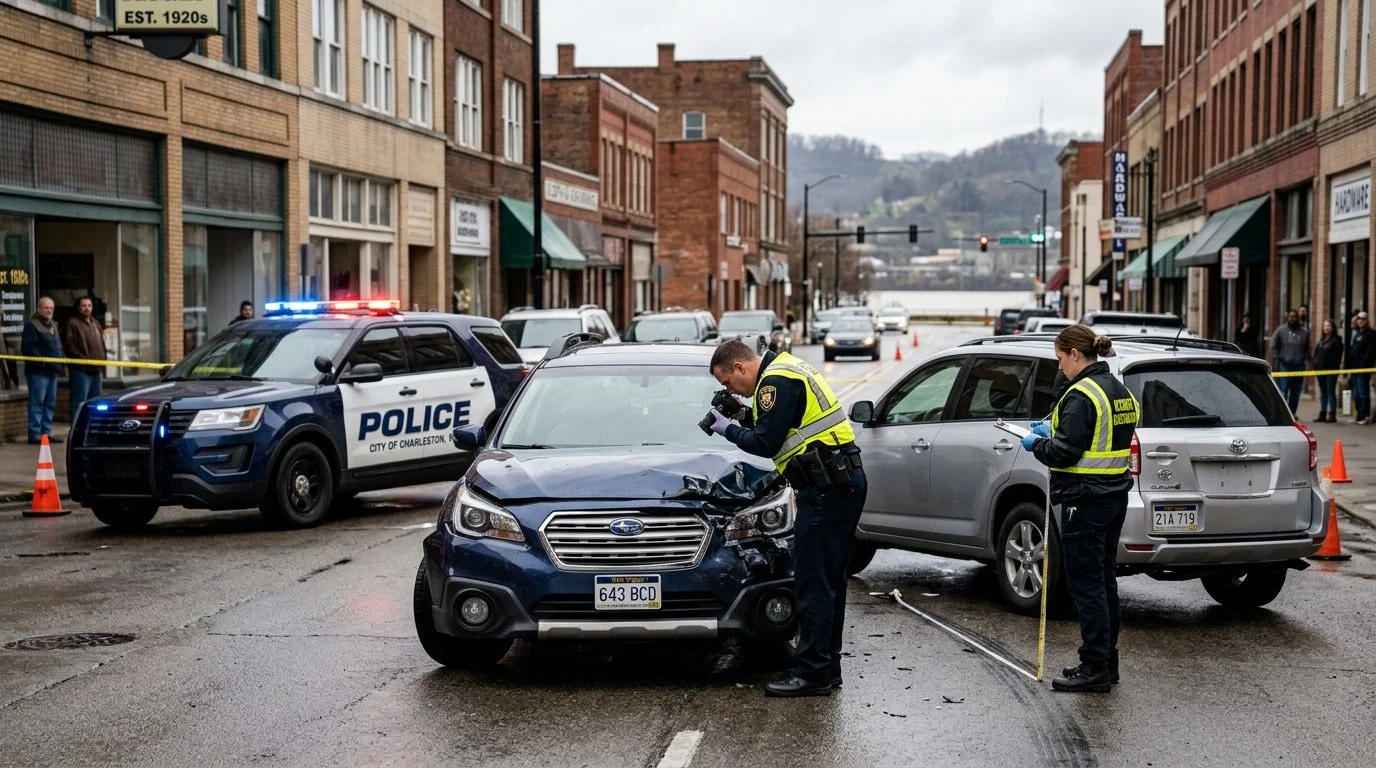
Car and truck crash claims in West Virginia
Seriously hurt in a crash? Start with a free case review.
Tell us what happened, and we will walk through your situation with you in plain language, at your own pace.
Published November 11, 2026
After a serious crash, many people in West Virginia are hurt, out of work, and unsure what to do next. A free case review is a confidential first conversation about your crash, offered with no obligation to continue.
This page explains what the review covers, how the process works, and what to gather beforehand.
What a Free Case Review Is and Who It Is For
A free case review is the firm’s first conversation about your crash. You can talk through what happened and decide afterward whether to go further. There is no requirement to continue.
The review is built for people seriously hurt in car and commercial truck crashes. It also serves families in wrongful death cases, where a crash has caused a death.
The review fits situations such as a crash that:
- sent them to the hospital or kept them there
- leaves them with a long recovery or ongoing pain
- has kept them from work
- involved a commercial truck, bus, or other commercial vehicle
- caused a death in the family
Commercial vehicle crashes often involve more than one driver, company, or insurer. That makes an early, organized look at the facts especially useful.
We serve injury victims across West Virginia, including Charleston, Huntington, Morgantown, Wheeling, Martinsburg, Parkersburg, Beckley, Clarksburg, Fairmont, and Weirton.
If a serious crash has left you hurt or grieving, you may have options worth reviewing, and our team can walk through them with you in a free case review. Talk it through with Big Bubba — the first case review is free, confidential, and carries no obligation.

What the Case Review Covers
The review covers the crash facts, your injuries, who may be responsible, and the steps that need early attention.
- Crash facts: the date, location, road and weather conditions, vehicles involved, and how the collision happened.
- Injuries and treatment: emergency care, imaging, referrals to doctors who treat your injury, and rehabilitation needs.
- Who may be responsible: another driver, a trucking company, a vehicle maintenance provider, or a government entity. Responsibility depends on the facts.
- Losses to document: medical bills, lost pay, and changes in daily life, such as tasks you can no longer do on your own.
- Early steps: keeping evidence such as photos and vehicle details, and noting deadlines that may apply to certain defendants.
The review also looks at what you can still do at work and at home, since those changes are part of the losses you may document.
The Centers for Medicare & Medicaid Services describes how that recovery process works.
West Virginia Code § 55-7-13a defines comparative fault as the degree to which a person’s fault was a proximate cause of an alleged personal injury, death, or property damage, expressed as a percentage (W. Va. Code § 55-7-13a). Under W. Va. Code § 55-7-13c, your own share of fault can reduce a recovery. It bars recovery only when your fault is greater than the combined fault of everyone else responsible. W. Va. Code § 55-7-13c reads: “(c) Any fault chargeable to the plaintiff shall not bar recovery by the plaintiff unless the plaintiff’s fault is greater than the combined fault of all other persons responsible for the total amount of damages, if any, to be awarded.”
A claim against a government entity may follow a different deadline.
Serious Injuries and Wrongful Death Claims the Firm Handles
The firm handles claims for serious injuries and wrongful death that follow car and commercial vehicle crashes.
- Traumatic brain injury: headaches, memory trouble, or mood changes may appear days or weeks after a crash. Early medical records help show when symptoms began.
- Spinal cord injury: complete medical records and evaluation by the doctors who treat you help document the full picture.
- Other catastrophic injuries: harm that changes work, family roles, or long-term care needs.
- Wrongful death: under W. Va. Code § 55-7-6, a wrongful death action is generally brought by the personal representative of the deceased person’s estate. The statute lists damages that may include sorrow and mental anguish, lost income and services, care and hospital expenses, and reasonable funeral expenses. West Virginia generally requires a wrongful death action within two years after the death, and exceptions may apply.
Truck crashes may involve the driver, the carrier, and companies that hired or leased the truck. Federal rules require motor carriers to have drivers record their duty status for each 24-hour period, under 49 C.F.R. § 395.8. After certain qualifying crashes, employers must test surviving drivers for alcohol as soon as practicable, under 49 C.F.R. § 382.303. The Federal Motor Carrier Safety Administration explains federal drug and alcohol testing rules.
Each injury follows its own course, based on the medical facts.
How the Process Works, Step by Step
The process has four steps, and you decide what happens after each one.
- Reach out: call the firm or send an online contact request, and describe what happened in your own words.
- Share the basics: the crash date, your injuries, and any insurance contacts so far.
- Review the facts: the review focuses on your facts and the general options under West Virginia law.
- Decide your next step: you choose whether to move forward, and there is no obligation to continue.
The review is a conversation, not a court hearing. You can bring notes, ask questions, and stop at any time.
Every matter moves at its own pace, based on the facts, the injuries, and the records. Deadlines run from specific dates, so an early conversation leaves more time to act.
What to Gather Before You Reach Out
Bring what you have. You do not need every record before you reach out.
- The crash report number and the agency that investigated, plus how to request a copy of the report.
- Photos of the scene, vehicles, and visible injuries, and witness names and contact details.
- Medical records, discharge papers, and a list of every provider you have seen since the crash.
- Your employer’s name and pay stubs showing time missed from work.
- Insurance letters and notes about any recorded statement you gave.
- For truck crashes, notes about any load that looked loose or unsecured. The West Virginia Division of Motor Vehicles says unsecured cargo can cause serious or catastrophic crashes.
Common Questions About the Free Case Review
Can I request a free case review while I’m still in treatment?
Yes. The review can take place while treatment continues.
Do I need to know who was at fault before I reach out?
No. The review is where the facts are examined, including who may be responsible.
How long do I have to file a claim in West Virginia?
West Virginia generally allows two years for personal injury claims, and exceptions may apply, under W. Va. Code § 55-2-12. Earlier contact is usually better.
What if I was partly at fault?
Shared fault may reduce a recovery under W. Va. Code § 55-7-13c, and it does not bar one unless your share is greater than everyone else’s combined.
Not sure what your next step is?
Talk it through with Big Bubba — the first case review is free, confidential, and carries no obligation.

Factors That May Affect an Injury Claim
Start early, because deadlines run from specific dates and an early review leaves more time to act.
If a serious crash has left you hurt, facing a long recovery, or grieving a loss, you don’t have to decide everything at once. The free case review gives you a confidential place to start, and the firm can go over the crash, your injuries and records, and the general options under West Virginia law.
To tell Big Bubba what happened, call the firm about your case or request a free case review online.