
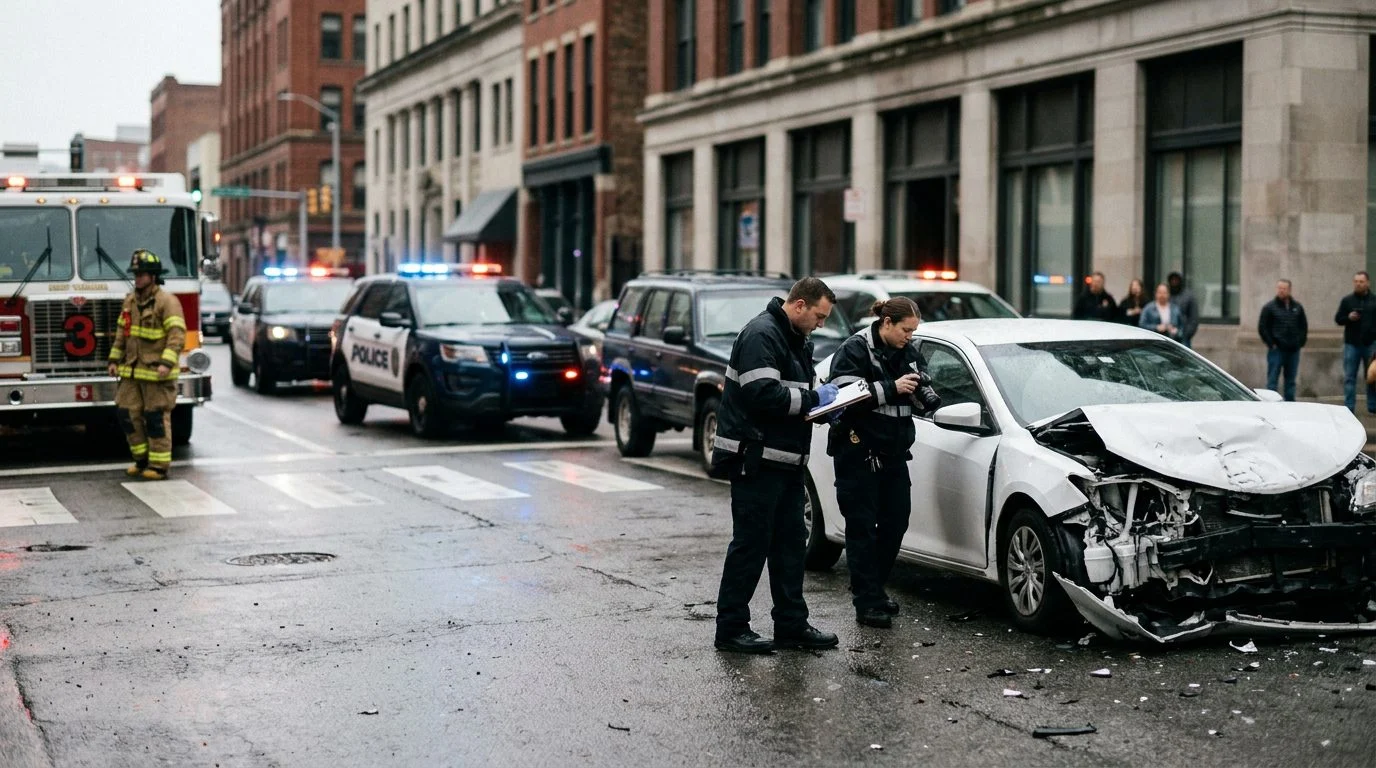
Rideshare car accidents | West Virginia
Hurt in a Rideshare Crash? Talk With Us About Your Options
Uber and Lyft crashes can involve more than one driver, more than one insurance policy, and questions about the app. The firm handles car accident claims across West Virginia and can help you sort through them.
How the firm approaches rideshare crash claims
Looking at every possible source of coverage
A rideshare crash can involve the driver, the app company, and other motorists. We look at which policies may apply to your situation.
Gathering the right records
Police reports, photos, app records, and medical documentation may be relevant, depending on the facts of your crash.
Paying attention to time limits
Injury claims can be subject to filing deadlines, so it is wise to speak with us early.
Serving families across West Virginia
We serve injury victims in Charleston, Huntington, Morgantown, Wheeling, Martinsburg, Parkersburg, Beckley, Clarksburg, Fairmont, Weirton, and throughout the state.
Published November 3, 2026
Looking for a rideshare car accident lawyer West Virginia residents can contact after an Uber or Lyft crash? This page explains how these claims generally work. Fault, app status, and insurance all shape what a claim may look like.
What a Rideshare Car Accident Claim Involves
A rideshare car accident claim asks for money for losses caused by a crash involving an Uber or Lyft vehicle. Many people may be affected. These include passengers, the rideshare driver, other motorists, pedestrians, and families of anyone killed.
A claim may be aimed at the other driver. In some cases, it may also reach others whose conduct contributed to the crash. In some crashes, the rideshare company’s insurance may also be relevant.
The firm handles car accident claims and truck accident claims, including rideshare crash claims in West Virginia. It also represents injured people and families in wrongful death cases.
If you were hurt in a rideshare crash, you can reach out to the firm to talk through what happened.
If an Uber or Lyft crash left you or a loved one seriously hurt, you may have a claim worth reviewing. Request a free case review and tell Big Bubba what happened. Talk it through with Big Bubba — the first case review is free, confidential, and carries no obligation.
Injuries Common in Rideshare Crashes
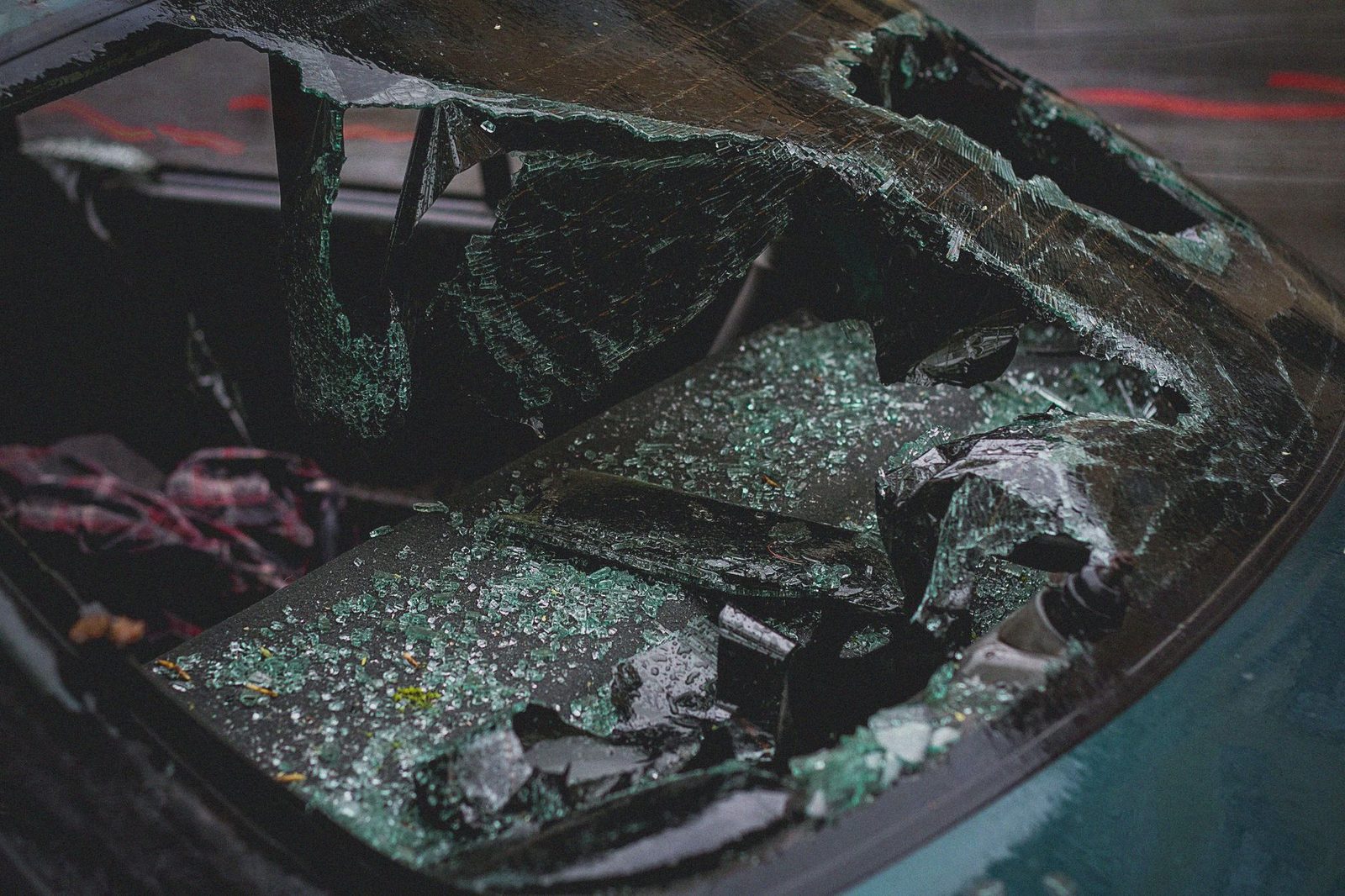
Rideshare crashes can cause serious injuries, including traumatic brain injury and spinal cord injury. High-speed and side-impact collisions may be especially likely to cause harm of this kind.
Some symptoms can appear hours or days after a crash. They may include headaches, dizziness, memory changes, or numbness. A prompt medical evaluation creates a record that ties these symptoms to the crash, and that record may matter later.
Injuries sometimes get worse over time, even when they first seemed minor. Keep all follow-up visits. Tell your doctor about every symptom, even small ones, and describe how the crash happened.
Only a doctor can explain what an injury means for your health and treatment. A catastrophic injury can change how a person works, lives, and cares for family. Our work on these claims focuses on documenting how the crash happened and who may be responsible.
Who May Be Responsible and How App Status Affects Insurance
Fault depends on the facts of each crash, and app status can affect which insurance may apply. A rideshare driver may move through several app periods during a single shift:
- App off: the driver is not using the app.
- App on, waiting: the driver is available but has no ride request.
- Request accepted: the driver is heading to pick up a passenger.
- Trip underway: a passenger is in the vehicle.
Coverage may differ across these periods and across the policies involved. Screenshots of the app status and trip timeline can help show which period applied.
W. Va. Code § 33-6-31 addresses insurance policy requirements, including claims involving a hit-and-run vehicle whose operator is unknown.
West Virginia uses comparative fault. Under W. Va. Code § 55-7-13c, your own fault does not bar recovery unless it is greater than the combined fault of all others responsible. W. Va. Code § 55-7-13c reads: “(c) Any fault chargeable to the plaintiff shall not bar recovery by the plaintiff unless the plaintiff’s fault is greater than the combined fault of all other persons responsible for the total amount of damages, if any, to be awarded.” If your fault is less than the combined fault of all others responsible, any recovery is reduced in proportion to your share of fault.
A business that hired or supervised a driver may also face claims. See McCormick v. West Virginia Department of Public Safety.
Steps to Take After a Rideshare Crash
The first steps are getting medical care, reporting the crash, and preserving evidence. Acting early may help keep important details from fading.
- Get medical care. Be checked even if you feel fine, and describe every symptom.
- Report the crash. Make sure police know about the crash so a police crash report can be prepared.
- Photograph the scene. Capture the vehicles, road conditions, visible injuries, and the app screen.
- Save evidence. Keep trip screenshots, receipts, witness names, and any dashcam or nearby video.
- Be careful with insurers. W. Va. Code § 55-7-11a limits settlement talks and statements for twenty days after an injury, while the injured person is in the hospital or unable to work. Before giving a recorded statement, talk with someone who can explain your options.
A claim often moves through a general sequence: investigation and records collection, a settlement demand, negotiation, and, if needed, a lawsuit. How long each step takes varies and cannot be predicted.
Deadlines and Why Timing Matters
West Virginia generally allows two years to file a personal injury lawsuit, and exceptions may apply. W. Va. Code § 55-2-12 sets a two-year limit for personal injury actions for which no other limitation is prescribed.
Wrongful death claims follow their own rule. W. Va. Code § 55-7-6 says the action is brought by the personal representative of the deceased person’s estate. The statute generally requires it to be commenced within two years after the death, and other provisions may also apply. W. Va. Code § 55-7-6 reads: “The provisions of this section shall not apply to actions brought for the death of any person occurring prior to July 1, 1988.”
Timing also affects evidence. App data, dashcam footage, and witness memories can become harder to obtain as time passes. Early action may help keep those records available.
How the Firm Helps Rideshare Crash Victims and Families
The firm reviews the facts of a rideshare crash and explains which steps may apply to your situation. If you need a rideshare car accident lawyer West Virginia families can contact, the firm’s work includes:
- Reviewing the crash facts, including app status and any police crash report.
- Identifying the parties and insurance policies that may be involved.
- Requesting records and documents tied to the crash and your injuries.
- Communicating with insurers. Some insurers may dispute a claim, so the facts need clear documentation.
- Organizing medical documentation so the timeline is easier to follow.
The firm handles traumatic brain injury claims, spinal cord injury claims, and other catastrophic injury claims. It also represents families in wrongful death cases.
We serve injury victims in Charleston, Huntington, Morgantown, Wheeling, Martinsburg, Parkersburg, Beckley, Clarksburg, Fairmont, Weirton, and communities across West Virginia.
Not sure what your next step is?
Talk it through with Big Bubba — the first case review is free, confidential, and carries no obligation.

Frequently Asked Questions
Below are short answers to common questions about rideshare car accident claims in West Virginia.
Can I sue Uber if I was in an accident?
A claim may be possible against a rideshare company. That turns on fault and the app status at the time of the crash.
Can I sue Lyft for a car accident?
The same questions apply to Lyft. Fault, app status, and the policies involved all shape whether a claim may proceed.
Is West Virginia a no-fault state for auto accidents?
West Virginia generally bases injury recovery on comparative fault. W. Va. Code § 55-7-13a sets out that principle.
What if I was only a passenger?
Passengers may have claims against other drivers. The rideshare company’s coverage may also be relevant, depending on the crash.
Does a police report matter?
A police crash report may document the crash, the parties, and the scene. It is one piece of evidence a claim may use.
If an Uber or Lyft crash left you or a loved one seriously hurt, you may have a claim worth reviewing. If you need a rideshare car accident lawyer West Virginia residents can reach, request a free case review at our contact page and tell Big Bubba what happened.