
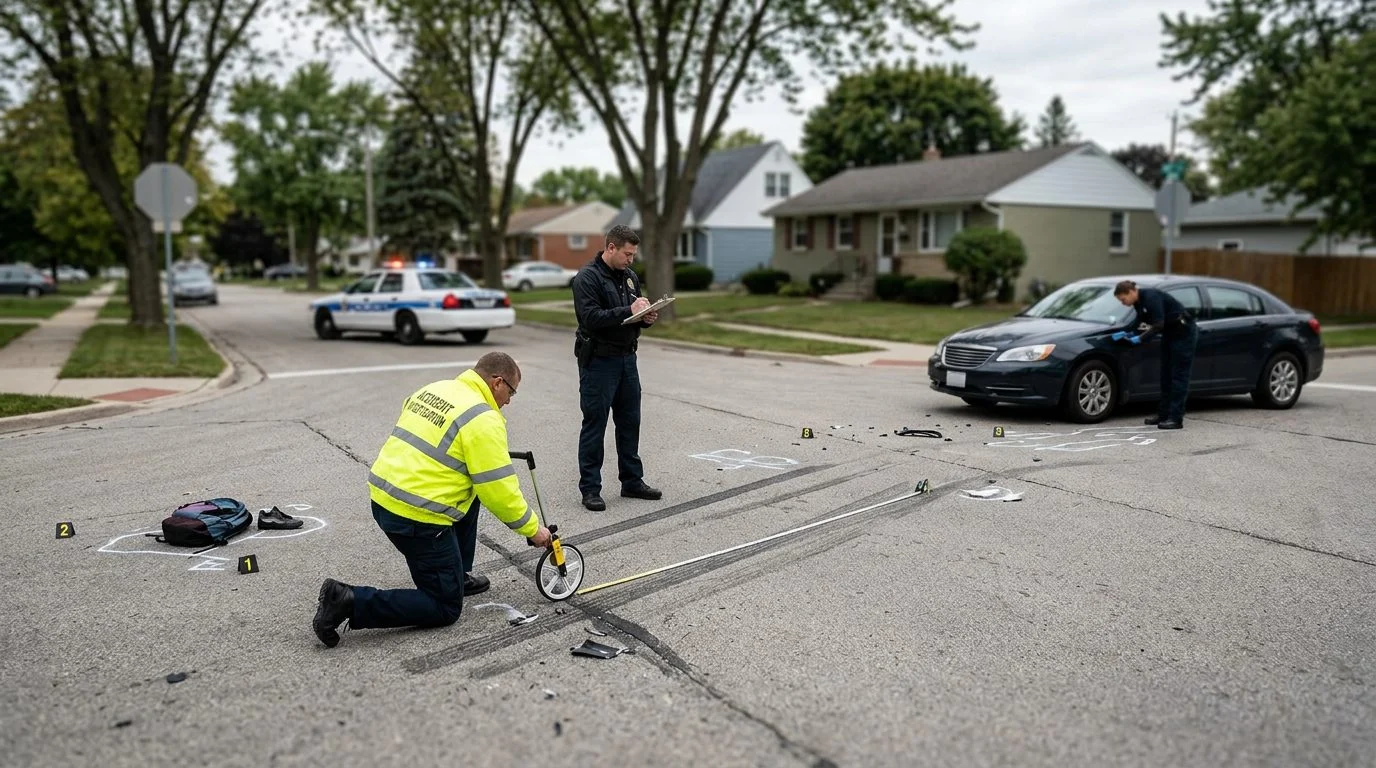
Brain Injury After Car Accident
Signs of Brain Injury: What to Watch For After a Crash
Brain injuries don't always show up right away. Learn what symptoms matter and when to seek help.
Published October 01, 2026
Signs of Brain Injury After a Car Accident: What to Watch For
Brain injuries happen in car crashes even at moderate speeds and without loss of consciousness. Symptoms may not appear right away—some develop hours or days later. Many people don’t realize they’ve been injured because they feel okay at first, especially when adrenaline and shock mask what’s actually happening.
This page explains what to watch for, why symptoms matter, and when to seek medical attention. If you’ve been in a crash and something doesn’t feel right, you’re not alone—and documenting what you notice protects both your health and your legal rights.

If you've been in a crash and something doesn't feel right, you're not alone—and documenting what you notice protects both your health and your legal rights. Talk it through with our team — the first case review is free, confidential, and carries no obligation.
Brain Injuries After Car Accidents Are Common—and Often Missed
A brain injury can occur in a car crash without any loss of consciousness, according to the National Institute of Neurological Disorders and Stroke (NINDS). The force of impact, sudden acceleration or deceleration, or even the whiplash motion itself can cause the brain to move inside the skull, leading to injury.
What makes brain injuries tricky is timing. You might feel fine at the accident scene. You might even drive away thinking nothing serious happened. Then, hours or days later, symptoms emerge. This delayed onset is one reason brain injuries are frequently overlooked—people assume they would have felt something immediately if they were truly hurt.
By then, the connection between the accident and the symptoms isn’t always obvious to them—or to others around them.
Immediate Physical Symptoms After a Crash
Some brain injury symptoms appear right away or within the first few hours after a crash. Watch for:
- Headache (ranging from mild to severe)
- Dizziness or loss of balance
- Nausea or vomiting
- Sensitivity to light or noise
- Loss of consciousness (even briefly)
- Clear fluid from the nose or ears (a sign of more serious injury)
These physical signs warrant prompt medical evaluation. If you experience any of them after a crash, seek medical attention the same day—don’t wait to see if they go away on their own.
Cognitive and Mental Symptoms
Brain injuries often affect how you think and process information. You might notice:
- Confusion or disorientation (not knowing where you are or what happened)
- Memory problems (difficulty recalling the accident or recent events)
- Difficulty concentrating or focusing on tasks
- Feeling “foggy” or mentally slow
- Trouble finding words or speaking clearly
- Poor decision-making or acting without thinking
These symptoms can be subtle. You might not notice them yourself—a family member, coworker, or friend might point out that you seem “off” or different than usual. Don’t dismiss these observations. Cognitive changes after a crash are a sign that your brain has been affected.
Emotional and Behavioral Changes
Brain injury can shift your mood and personality. Common changes include:
- Irritability or mood swings (getting angry or upset more easily)
- Anxiety or nervousness
- Sadness or depression
- Emotional numbness (feeling detached or disconnected)
- Personality changes that others notice and comment on
These emotional shifts often develop gradually. People—including you—might chalk them up to stress from the accident itself rather than recognizing them as a sign of brain injury. But emotional and behavioral changes are a legitimate symptom of traumatic brain injury and deserve medical attention.
Sleep and Fatigue Issues
Sleep disturbances are common after brain injury and can make other symptoms worse. You might experience:
- Excessive drowsiness or difficulty staying awake
- Insomnia or trouble falling asleep
- Sleeping much more than usual
- Feeling exhausted despite getting adequate rest
If you’re suddenly sleeping differently than before the crash, or if you’re exhausted no matter how much you rest, that’s worth mentioning to a doctor. Sleep problems after injury are real and treatable.
Not sure what your next step is?
Talk it through with our team — the first case review is free, confidential, and carries no obligation.
Delayed Symptoms: Why They Matter
Some brain injury symptoms don’t show up until days or even weeks after the crash. Common delayed symptoms include:
- Worsening headaches
- Increased sensitivity to light or sound
- New memory problems or difficulty recalling things
- Mood changes or increased irritability
- Difficulty concentrating that wasn’t there before
Delayed symptoms are still signs of injury. The fact that they appeared later doesn’t make them less serious or less real. Symptoms of traumatic brain injury may develop over hours or days, and keeping a record of when each symptom began helps your doctor understand what happened and can be useful if you later pursue a claim.
When to Seek Medical Attention
Seek emergency care immediately if you experience:
- Loss of consciousness (even briefly)
- Severe headache
- Clear fluid from your nose or ears
- Severe confusion
- Repeated vomiting
- Seizures
Seek urgent care or same-day evaluation if you have:
- Moderate headache
- Dizziness
- Mild confusion
- Nausea
- Sensitivity to light
Schedule a follow-up appointment if any symptom persists or worsens over hours or days, even if it seems minor.
Medical documentation is crucial. It creates a record of your condition and when symptoms appeared—information that’s essential both for your treatment and for any future claim related to your injuries.
Why Symptoms Can Be Easy to Overlook
Several things make it hard to recognize a brain injury after a crash:
Adrenaline and shock mask symptoms immediately after the accident. Your body’s fight-or-flight response can override pain and other warning signs, making you feel surprisingly okay in the immediate aftermath.
Symptoms get confused with stress. Anxiety, fatigue, and mood changes after a traumatic event are normal—but they can also be signs of brain injury. It’s easy to attribute everything to accident-related stress rather than recognizing the injury itself.
Minor symptoms seem insignificant. A mild headache or some fatigue on their own might not seem like a big deal. But when they’re part of a pattern—when they appear after a crash and persist—they matter.
People minimize their injuries. You might downplay what you’re experiencing to avoid seeming weak, to avoid medical bills, or simply because you’re in denial. Taking your symptoms seriously protects both your health and your legal position.
The Importance of Medical Records
Seeking medical evaluation after a crash—even if you feel okay—creates a documented record of your condition and when symptoms appeared. This documentation serves two critical purposes:
For your health: Medical professionals can identify injuries you might not recognize yourself and start appropriate treatment early. Early intervention often leads to better outcomes.
For your legal rights: If you later need to pursue a claim for your injuries, medical records are essential. They establish that you were injured in the crash, document the nature and timing of your symptoms, and create a clear link between the accident and your condition.
Don’t wait until symptoms worsen to seek evaluation. Even if you feel “okay,” getting checked out protects you. Some injuries only become apparent during professional assessment.

Have questions about what happened?
Ask our team directly. The first conversation is free, confidential, and there is no obligation to continue.
Frequently Asked Questions
Can you have a brain injury without losing consciousness?
Yes. Brain injuries occur in crashes without loss of consciousness. Loss of consciousness is a sign of serious injury, but its absence doesn’t mean you’re uninjured.
How long after a crash can brain injury symptoms appear?
Some symptoms appear immediately; others develop over hours or days. Delayed symptoms are still signs of injury and warrant medical evaluation.
Why should I get medical records if I feel okay?
Medical documentation protects your health and your legal rights. It creates an official record of your condition at a specific time, which matters if you later need to pursue a claim.
What’s the difference between a concussion and traumatic brain injury?
A concussion is a type of traumatic brain injury. All concussions are brain injuries, but not all brain injuries are concussions. Both require medical evaluation.
Should I go to the emergency room even for mild symptoms?
If symptoms are severe (loss of consciousness, severe headache, confusion, repeated vomiting), yes—go to the ER. For moderate symptoms, seek urgent care or same-day evaluation. For mild symptoms that persist or worsen, schedule a follow-up appointment.
If you’ve noticed symptoms after a crash—or someone you care about has—the experience can feel confusing and isolating. Reaching out to talk through what happened helps you understand what comes next and whether you may have a legal claim. People in your situation can reach out to us, and we’re here to listen.
Don't Wait for Symptoms to Worsen
Some brain injury symptoms appear immediately after a crash; others develop over hours or days. If you've been in a serious car or truck accident, medical evaluation is critical—even if you feel fine right now.
Common Signs of Brain Injury
Immediate Symptoms
Loss of consciousness, confusion, severe headache, dizziness, nausea, or difficulty staying awake. These warrant emergency care.
Delayed Symptoms
Memory problems, trouble concentrating, sensitivity to light or noise, mood changes, sleep disruption, or persistent headaches that develop hours or days after the crash.
Physical Signs
Weakness, balance problems, slurred speech, or coordination difficulties. These can indicate serious injury even without loss of consciousness.
Cognitive & Emotional Changes
Difficulty making decisions, irritability, anxiety, depression, or personality shifts. Brain injuries often affect how you think and feel.
Why Medical Documentation Matters
Creates a Record
Medical records establish what happened and when symptoms began. This documentation is essential if your injury requires ongoing care or legal action.
Catches Delayed Injuries
A medical professional can identify brain injuries that don't announce themselves immediately. Early detection often leads to better outcomes.
Protects Your Claim
If someone else's negligence caused the crash, your medical records connect your injury directly to the accident. Without them, proving causation becomes much harder.
Brain Injury Without Loss of Consciousness
You can suffer a serious brain injury without ever losing consciousness. Loss of consciousness is a sign of severe injury, but its absence doesn't mean you're uninjured. Many traumatic brain injuries occur in crashes where the person stays awake the whole time.
If You've Been in a Serious Crash, Get Help Now
Related practice areas
- Traumatic Brain Injury from Car and Truck Accidents in West Virginia
- Brain Injury Case Review West Virginia | Big Bubba