
Car Accidents | West Virginia
Reporting a WV Crash to Your Own Insurer: What to Know First
A plain-language guide to your policy duties, what to gather at the scene, and how the firm can help when your injuries and losses are serious.
Published November 21, 2026
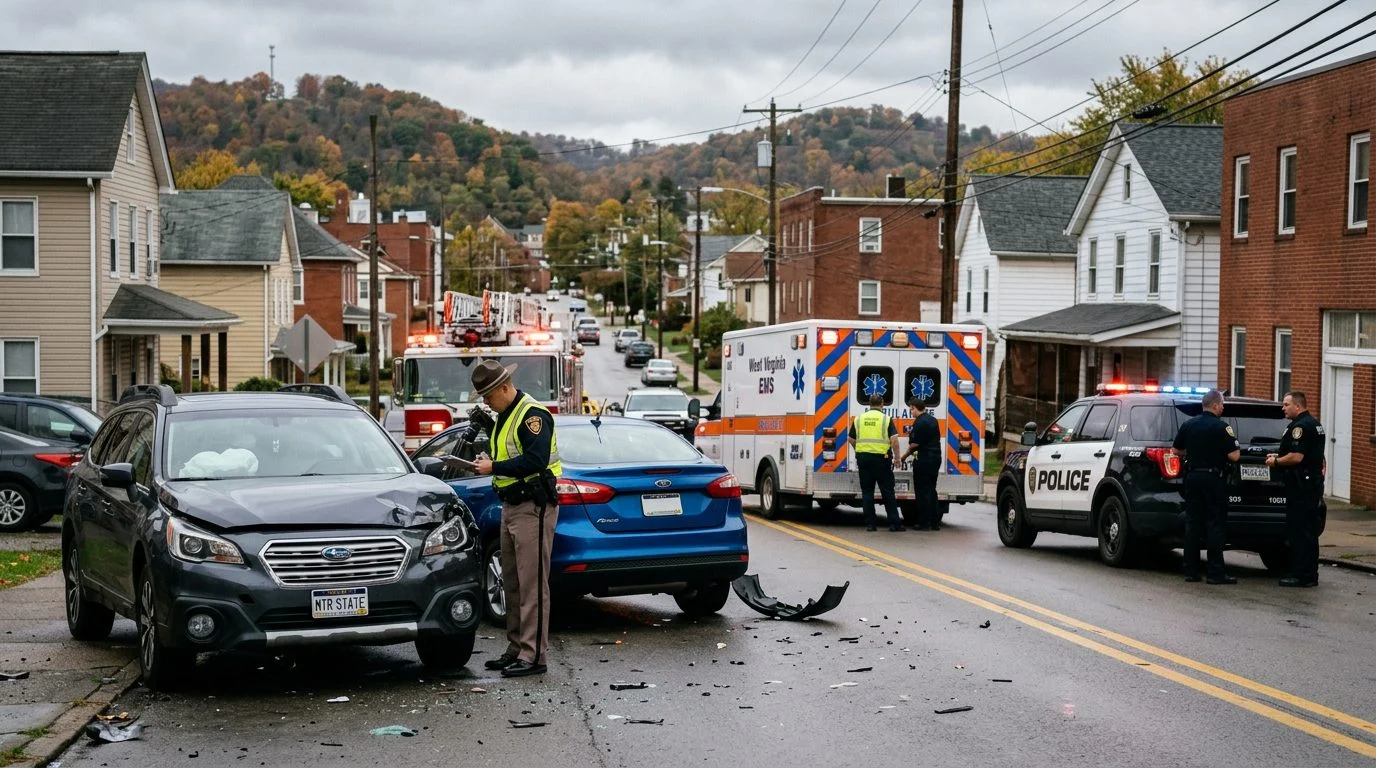
You were in a car accident in West Virginia, and now you’re wondering whether you have to tell your own insurance company. In most cases, reporting the crash to your own insurer soon is a sound first step.
Usually Yes, and Sooner Is Better
Most auto policies ask the policyholder to report a crash promptly, so telling your own insurance company after a car accident in West Virginia is generally a good first move. The duty comes from your policy contract, so the exact wording and timing can differ by insurer and policy. Check the notice section of your policy, or ask your insurer how it wants to hear about a crash.
You may need to report to your insurer even when the other driver caused the crash, because your own coverage may apply to your injuries or vehicle damage. Being hurt, rattled, or helping a relative can make it hard to think clearly. A short checklist can help you act without rushing.
If you were hurt in a West Virginia crash, or you're handling a claim for someone who was, you don't have to sort out your options alone. Talk it through with Big Bubba — the first case review is free, confidential, and carries no obligation.

Why Prompt Notice Matters Under Your Policy
Late or missing notice can lead to disputes over whether your policy covers the loss. An insurer may ask when it first learned of the crash, so a clear date helps. Insurers can also hear about a crash from other sources, such as a police report or a claim from the other driver’s insurer. Under W. Va. Code § 17C-4-7, the investigating officer must provide insurance information to the parties and their insurance agents on request, within 24 hours. That means it’s wise to report the crash yourself rather than let someone else do it first.
A reporting call is not the same as a formal claim. You can report the basic facts without describing your injuries in detail. Write down the date and time of your call, the name of the person you spoke with, and any claim number they give you. Those notes make it easier to show what was reported and when.
What to Report Now and What to Hold for Later
For a first report, stick to the basic facts: date, location, vehicles, drivers, passengers, and witnesses. Details about injuries, treatment, and how the crash happened can usually wait until you understand the situation. Accurate, limited statements are wise. Guessing about fault or downplaying symptoms can create confusion later.
The other driver’s adjuster may ask you for a recorded statement. You may ask to speak with someone before you agree, depending on the facts and your policy. Some insurers may push for a quick statement. Taking time before you answer is often reasonable.
How West Virginia’s At-Fault System Shapes Your Insurance Options
West Virginia is generally an at-fault state, so the at-fault driver’s liability coverage is usually the main source of payment to people who were hurt. Your own policy can still matter. Under W. Va. Code § 33-6-31, a motor vehicle policy must include provisions that pay the insured what they are legally entitled to recover from the owner or operator of an uninsured motor vehicle. That is uninsured motorist coverage. The Insurance Commissioner coverage limits page describes mandatory and optional limits, so check your declarations page to see what you have.
Fault is also compared. Under W. Va. Code § 55-7-13c, a plaintiff’s fault bars recovery only if it is greater than the combined fault of everyone else responsible. If it is less, recovery is reduced in proportion to the plaintiff’s share of fault.
Medical payments coverage may help with immediate bills, depending on your policy’s terms and limits. Collision coverage may address vehicle damage, depending on your policy. If you were a passenger, a family member’s policy may cover you, depending on its terms.
Will Reporting the Accident Raise Your Rates?
There’s no single answer, because premium changes after a crash depend on your insurer, your policy, your driving record, and the facts of the claim. A claim where you were not at fault may be treated differently from one where you were, depending on the insurer’s rating rules. Ask your insurer, ideally in writing, how a reported claim would be handled under your specific policy.
Keep rate questions separate from your duty to report. Don’t delay notice to avoid a possible increase. A late report can create bigger problems, such as disputes over coverage, than a rate change would.

When a Crash Involves Serious Injury or a Death
When injuries are serious or someone has died, the insurance steps and deadlines are often more complicated. West Virginia generally allows two years to file a personal injury lawsuit, under W. Va. Code § 55-2-12, and exceptions may apply. A wrongful death action generally must be started within two years after the death, under W. Va. Code § 55-7-6. W. Va. Code § 55-7-6 reads: “The provisions of this section shall not apply to actions brought for the death of any person occurring prior to July 1, 1988.” That action is brought by the personal representative of the deceased person’s estate.
Under W. Va. Code § 55-7-11a, a settlement, release or statement obtained in violation of the twenty-day restriction (within twenty days of a personal injury, while the injured person is either an inpatient in any hospital or partially or totally unable to engage in his or her usual trade, profession or occupation) may be disavowed by the injured person at any time within one hundred eighty days from the date of the personal injury, and whether this applies depends on the facts of the case. The same statute, W. Va. Code § 55-7-11a, describes how to do that in writing.
A family member acting for an injured or deceased person needs to know whose policies may apply and who can report and pursue a claim. Those answers depend on the policy and the facts, so it helps to review them early. If you were hurt in a West Virginia crash, or you’re handling a claim for a family member who was, you don’t have to sort out these steps alone. You can contact the firm to request a free case review, which is confidential and carries no obligation to continue.