
Car Accidents | West Virginia
Your Totaled Car After a West Virginia Crash
A plain-language guide to total loss valuations, the records worth keeping, and how to review an insurer's offer.
Published November 18, 2026
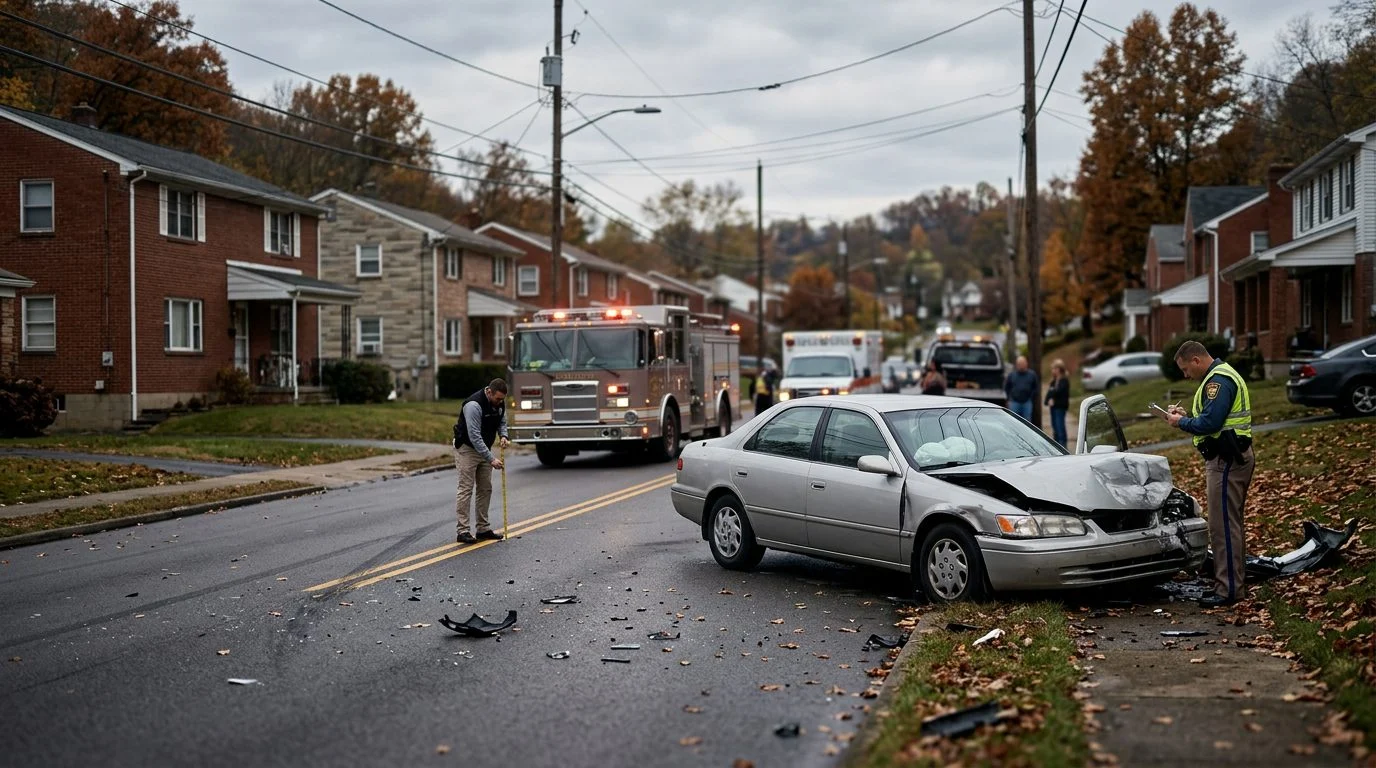
Your car was damaged in a crash, and now it’s sitting at a tow yard with a claim number and a stack of letters. If you’re trying to understand a totaled car after a crash in West Virginia, the short answer is this: the damage is usually handled as a property damage claim, and fault and the insurance policies involved shape who pays.
Those claims move in steps, and the order matters. Knowing what a total loss means, what records to keep and where an offer can be questioned will help you read the insurer’s letters with a clear head.
What Does It Mean When a Car Is Totaled?
A totaled car is one an insurer decides is not worth repairing. Usually that happens when the repair cost is high compared with what the car was worth just before the crash.
Insurers compare the estimated repair cost against the vehicle’s pre-crash value. The exact method depends on the insurer’s valuation process and the facts of the claim, so two similar wrecks may be handled differently.
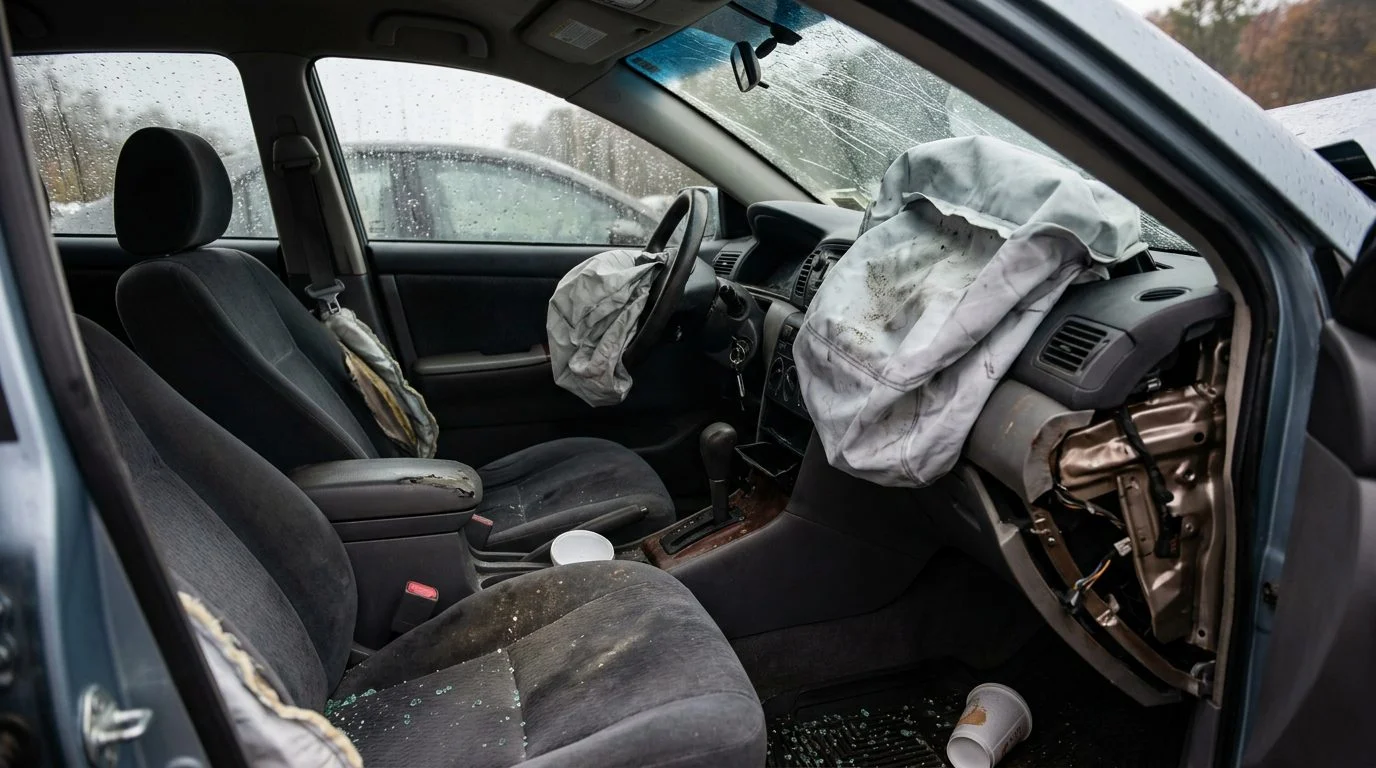
A totaled car is not always a destroyed car. The insurer may keep the vehicle and pay for it at salvage value, which can change the amount of the check you receive. Ask the insurer to explain how it reached its number, and ask for that explanation in writing if you can.
If you still owe money on the car, the lender may have a claim on the payout. Ask the insurer how it handles that before you sign anything. Your rental car and tow bill may also come up, so keep every receipt and note who authorized each charge.
If your car was totaled and an insurer's offer is on the table, you don't have to sort it out alone. Reach out for a free case review. Talk it through with Big Bubba — the first case review is free, confidential, and carries no obligation.
How Property Damage Claims Generally Work in West Virginia
A property damage claim in West Virginia usually goes to the at-fault driver’s liability insurer, or to your own collision coverage if you carry it. Which path applies depends on who caused the crash.
Liability coverage pays for damage you cause to someone else’s property. Collision coverage on your own policy pays for your car’s damage regardless of who caused the crash, usually after you pay a deductible. Your own policy may also include rental coverage, so check your declarations page.
West Virginia’s proof of financial responsibility law defines proof of financial responsibility as proof of ability to respond in damages for liability, and sets the minimum amounts for a motor vehicle. Under W. Va. Code § 17d-4-2, beginning January 1, 2016, the property damage amount is $25,000 for one accident; a policy in effect on December 31, 2015 at the earlier minimum amounts continues to provide adequate proof until the policy expires or is renewed. The West Virginia Division of Motor Vehicles explains the state’s mandatory auto insurance rules and proof of coverage.
A minimum limit is not the same as the value of your car. When the other driver’s insurer shares its policy limits, compare them with what your vehicle was worth before the crash.
How Fault Affects a Totaled Car Claim
Fault decides which insurer is asked to pay for the damage to your car, and it can also shape how much you recover. West Virginia uses a comparative fault system, which means responsibility can be split between drivers (W. Va. Code § 55-7-13c).
Under W. Va. Code § 55-7-13c, a plaintiff’s fault generally does not bar recovery unless it is greater than the combined fault of all other persons responsible. If it is smaller, recovery is generally reduced in proportion to the plaintiff’s share of fault.
If another driver was at fault, the claim generally goes to that driver’s liability insurer. That insurer may dispute fault, which can slow the claim or change its outcome. Gather the facts early, including where each car was, which direction each driver was traveling and what the traffic signals showed.
Rear-end crashes raise their own questions about following distance, braking and sudden stops. Each crash’s facts matter, so write down what you saw and felt while the details are fresh.
Private Property Accidents and Totaled Vehicles
A crash in a parking lot, driveway or other private property can still lead to a property damage claim. The main questions are usually who was at fault and which policy applies.
A private property crash may need a different kind of proof, so start by documenting what you can.
Useful records may include photos of the scene and both vehicles, the property owner’s account, names of witnesses and any video from nearby cameras. Which records matter most depends on the facts, and a store’s security footage may be overwritten quickly, so ask for it early.
Keep your phone’s photos in their original form and avoid editing them. Write down the lot’s location, the time of day and any signs or markings that were present.
What to Gather for a Property Damage Claim
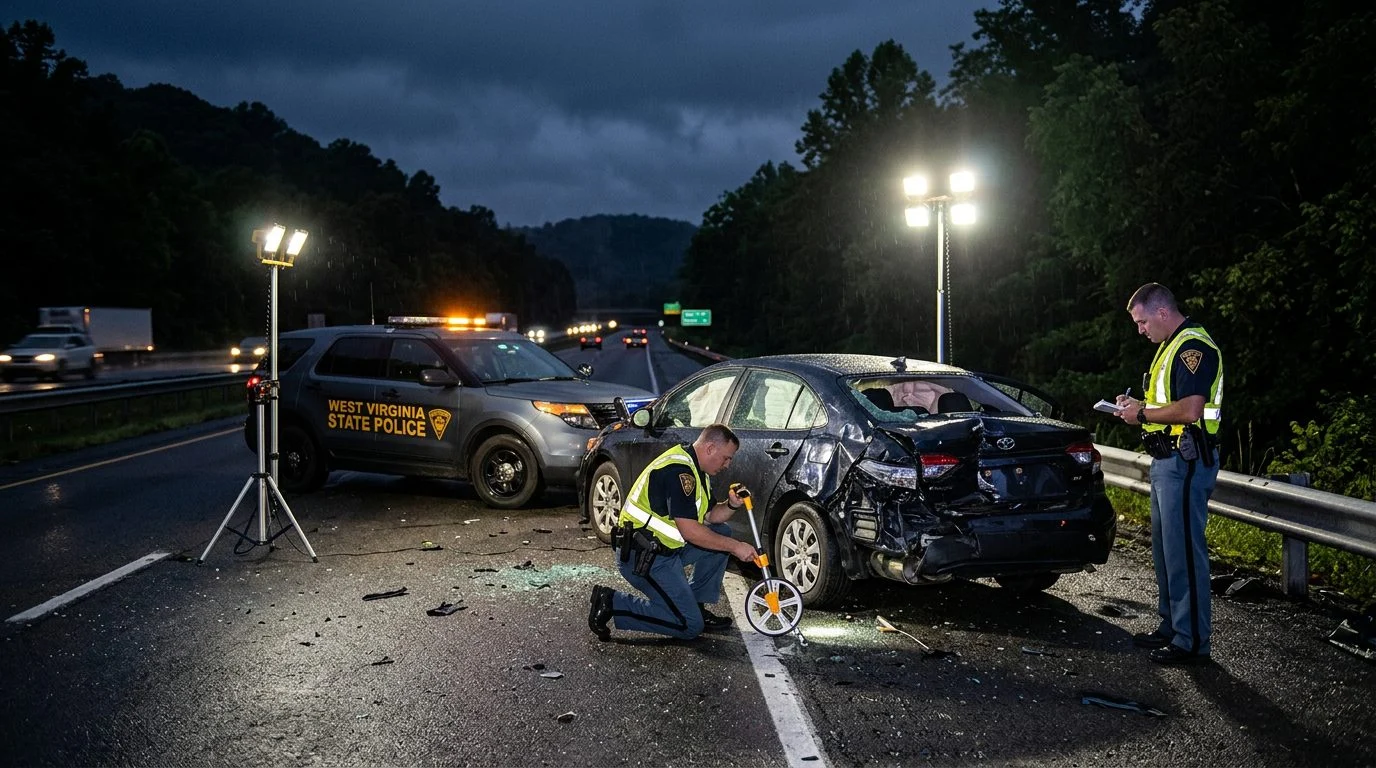
The crash report is usually the first record to request. Under W. Va. Code § 17c-4-6, a driver in a crash resulting in injury to or death of any person or total property damage to an apparent extent of $1,000 or more must immediately notify the local police, the sheriff or the nearest State Police office, depending on where the crash happened.
Under W. Va. Code § 17c-4-7, the investigating officer must prepare the report within 24 hours after completing the investigation. The same statute says the officer must give each involved party the owner, operator and insurance information within 24 hours, at no cost, upon request.
A police department may charge a copy fee for a crash report, and the agency sets that amount. Ask the agency how to obtain the report and whether it is ready yet.
Keep these records together in one folder:
- The vehicle title and registration
- Repair estimates or the insurer’s total loss valuation
- Photos of the vehicle, the scene and any damage to other property
- Rental, tow and storage receipts
- Every letter or email from the insurer
Write down every call with the insurer, including the date, the representative’s name and what was said. A written record can help if the claim is later disputed.
When the Insurance Company’s Offer Seems Too Low
Ask the insurer for its valuation report and the comparable vehicles it used. Those details show how the offer was built, and they give you something specific to answer.
A payout reflects the insurer’s view of the car’s pre-crash value and condition. Options, mileage, recent upgrades and recent sales of similar vehicles may not be reflected in the figure. Point out anything missing, and do it in writing.
Some insurers may dispute a claim or the value they assign to a vehicle. A written counteroffer or an independent appraisal is a common next step, and either may or may not change the number.
Under W. Va. Code § 33-11-4a, a good faith disagreement over the value of a claim is not an unfair claims settlement practice. A third-party claimant may not bring a private lawsuit for an unfair practice. The administrative complaint with the Insurance Commissioner is the third-party claimant’s sole remedy, and it must be filed as soon as practicable, and no later than one year after the actual or implied discovery of the alleged practice.
Not sure what your next step is?
Talk it through with Big Bubba — the first case review is free, confidential, and carries no obligation.
What Happens If You Have Been Hurt Too
A property damage claim covers the vehicle. An injury claim is separate, with its own rules, records and timing.
Under W. Va. Code § 55-2-12, West Virginia generally allows two years to bring a personal action for property damage or for personal injuries. Exceptions may apply, so write down the date of the crash now.
Don’t assume a vehicle offer covers medical bills or the pain that came with the crash. Reviewing both at once helps you see the full picture. Readers with a serious head or spine injury can learn more about traumatic brain injury and spinal cord injury from reliable medical sources.
Medical records, bills and work-loss notes are the core of an injury claim, and they are separate from the vehicle file. Keep them in their own folder.
What Happens to a Totaled Car After a Crash
If your car was totaled, you may be dealing with a rental, a tow bill, an unfamiliar insurer and a long list of questions. Some readers are researching this for a family member who has no time for the calls.
We serve injury victims across West Virginia, including people whose cars were totaled in crashes and people whose families face a wrongful death. If you want help sorting out the crash, the insurer’s offer and the records to keep, request a free case review with the firm, with no obligation to continue.