
West Virginia Work Van Crash Claims
Hurt in a Work Van Crash? Brain Injury Claims Across West Virginia
Big Bubba Injury Law helps people with serious brain injuries after work van and commercial vehicle crashes, and families facing wrongful death. Tell us what happened and we will review your case.
Published October 24, 2026
Brain injuries from work van and commercial vehicle crashes
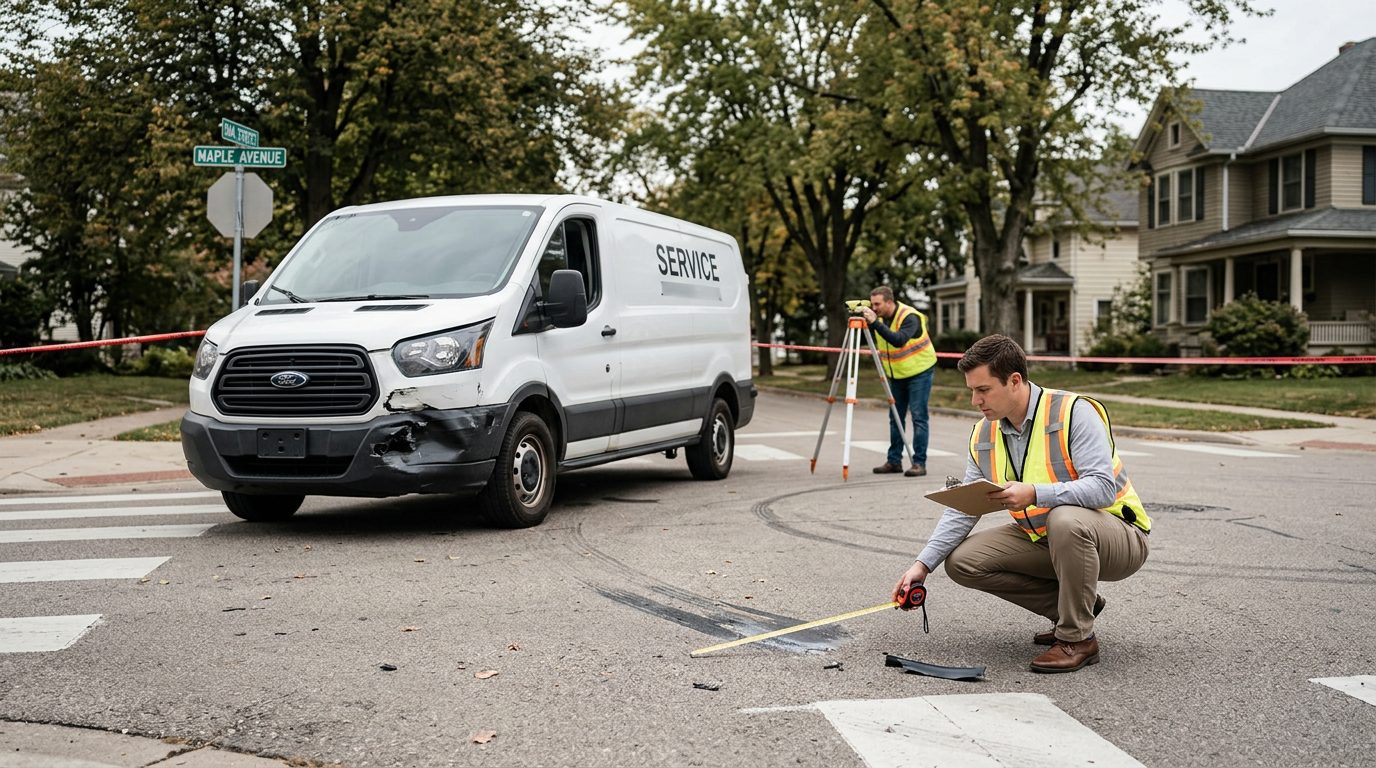
A brain injury work van accident in West Virginia can affect your health, your job, and your family for months. Big Bubba Injury Law represents people seriously hurt in car accidents, truck accidents, commercial vehicle accidents, and catastrophic injuries, including traumatic brain injury.
Automobile accidents can cause traumatic brain injuries, according to the Administration for Community Living. A traumatic brain injury happens when an outside force damages the brain.
This page is for people hurt in work vans and commercial vehicles. It also covers people struck while outside a vehicle, and families of someone who was hurt or killed.
Common crash situations include:
- Intersection collisions
- Rear-end impacts with large trucks
- Rollovers
- Vehicle fires
- A vehicle crashing into a worker or a building
Brain injury symptoms do not always appear right away. Headaches, confusion, dizziness, trouble concentrating, and mood changes can start days after a crash. Report every new symptom to your doctor, even if it seems minor.
Not sure what your next step is?
Talk it through with Big Bubba — the first case review is free, confidential, and carries no obligation.
Why commercial vehicle crashes can involve more than one responsible party
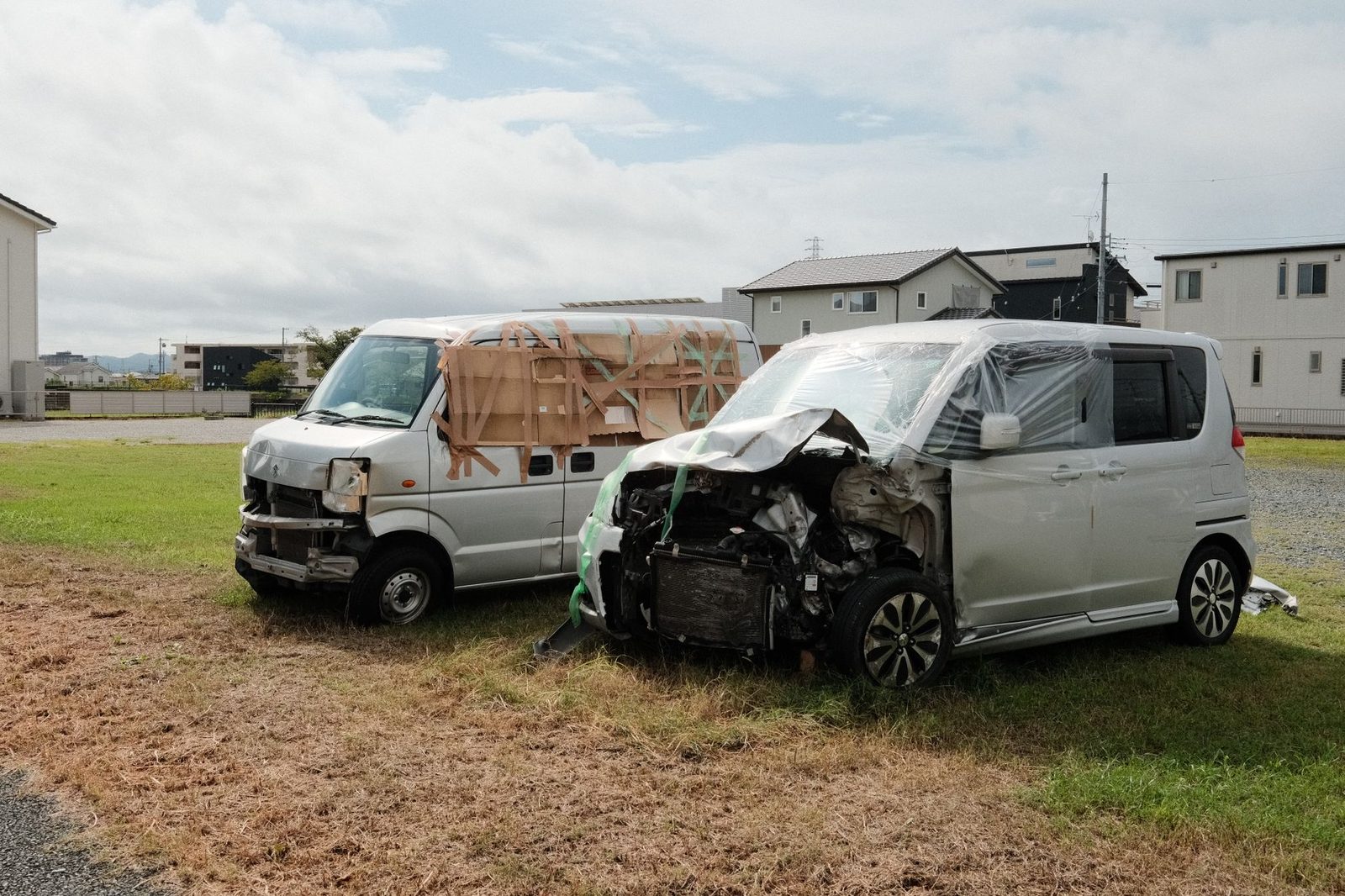
A crash with a work van or commercial truck can involve more than the driver. Responsibility may be shared among the driver, the vehicle owner, the employer or carrier, a contractor, or a maintenance or loading company.
Some truck crash claims raise questions about how a company screened and trained the driver it put on the road. Fleet records, driver logs, maintenance histories, and company policies can help answer that question.
Federal rules also place duties on carriers. Under 49 C.F.R. § 390.11, the motor carrier must require drivers to follow the driver rules that apply to them.
West Virginia uses modified comparative fault. Under W. Va. Code § 55-7-13c, your own fault does not bar recovery unless it is greater than the combined fault of everyone else responsible. If it is less, your recovery is reduced by your share of fault.
Who may be responsible depends on the facts of each crash. A free case review is the place to sort through those facts.
What the free case review covers
The free case review is a confidential conversation about how the crash happened, who was involved, and what injuries and treatment followed. It has no obligation to continue.
Bring what you have, such as:
- The crash report, if you have one
- Photos of the vehicles, the scene, or your injuries
- Names of witnesses
- Discharge papers and medical records
- Insurance information for the vehicles involved
- Written notes about your symptoms
During the review, the firm can identify which parties may be responsible. It can also explain which types of evidence should be requested. The firm will explain next steps in plain terms, so you know what comes next.
How the process works, step by step
You can reach out to Big Bubba Injury Law by calling or using the contact form on that page. The steps below describe a typical path.
- Tell Bubba what happened. Describe the crash in your own words, including the date, the place, and the vehicles involved.
- Share the basics. Provide your injuries and the treatment you have received so far.
- Review the facts. The firm looks at who was involved and which insurance coverage may apply. It also identifies the records needed.
- Decide on next steps. If you choose to continue, the firm requests records and sends preservation letters for time-sensitive evidence.
- Stay informed. The firm communicates with insurers and other parties and keeps you updated at each stage.
Timelines vary. The medical course of a brain injury and the number of parties involved both affect how long a claim takes.
Medical documentation in a brain injury claim
A brain injury claim depends heavily on medical records. These usually include emergency visit notes, imaging results, neurology or neuropsychology evaluations, and follow-up care.
Your symptoms matter even if early test results look normal. Tell every doctor about everything you notice, including changes in memory, sleep, mood, or the ability to work or drive.
Keep a written symptom journal. Note the date, the symptom, how strong it was, and what you were doing at the time. Attend recommended follow-up appointments. Gaps in treatment can be questioned later, so a steady record helps.
Time-sensitive steps after a crash
West Virginia generally gives two years to file a personal injury claim. Under W. Va. Code § 55-2-12, a personal injury action must be brought within two years after the right to sue accrues. Other deadlines may apply to other types of claims.
Wrongful death has its own timing rule. Under W. Va. Code § 55-7-6, a wrongful death action must be commenced within two years after the death, subject to the provisions of section eighteen, article two, chapter fifty-five. W. Va. Code § 55-7-6 reads: “The provisions of this section shall not apply to actions brought for the death of any person occurring prior to July 1, 1988.” The action is brought by the personal representative of the deceased person. Families should ask about these rules early.
Commercial crashes also create evidence that can be hard to recover later. Electronic logs, dash camera footage, vehicle data, maintenance records, and cargo papers all matter. Federal rules require motor carriers, except private motor carriers of passengers (nonbusiness), to install and require each of their drivers to use an electronic logging device for duty status no later than December 18, 2017, except that a motor carrier may require manual records instead in the limited cases the rule allows, under 49 C.F.R. § 395.8.
Post-accident testing also has time limits. Under 49 C.F.R. § 382.303, an alcohol test not given within two hours must be explained in writing, and attempts stop after eight hours. For controlled substances, attempts stop after 32 hours. The sooner records are requested, the more complete the review can be.
Not sure what your next step is?
Talk it through with Big Bubba — the first case review is free, confidential, and carries no obligation.
Frequently asked questions
Can I bring a claim if I was a passenger in a work van?
Passengers may have claims against the parties responsible for the crash, depending on the facts. A free case review can look at your specific situation.
Do I need a police report to start?
A police report helps, but it is not always required to begin a review. The firm can request crash documents.
What if my symptoms started days after the crash?
Delayed symptoms can happen after a crash. Writing them down early helps build a clear record.
What if I am not sure who was at fault?
That is common. The review looks at who was involved and who may share responsibility.
What if a family member died in a commercial vehicle crash?
Families can request a free case review to learn about their options. Wrongful death claims in West Virginia are brought by the personal representative of the deceased person.
Talk to the firm about your crash
Big Bubba Injury Law handles car accidents, truck accidents, commercial vehicle accidents, catastrophic injuries, traumatic brain injury, spinal cord injury, and wrongful death. We serve clients across all 55 West Virginia counties, including Charleston, Huntington, Morgantown, Wheeling, Martinsburg, Parkersburg, Beckley, Clarksburg, Fairmont, and Weirton.
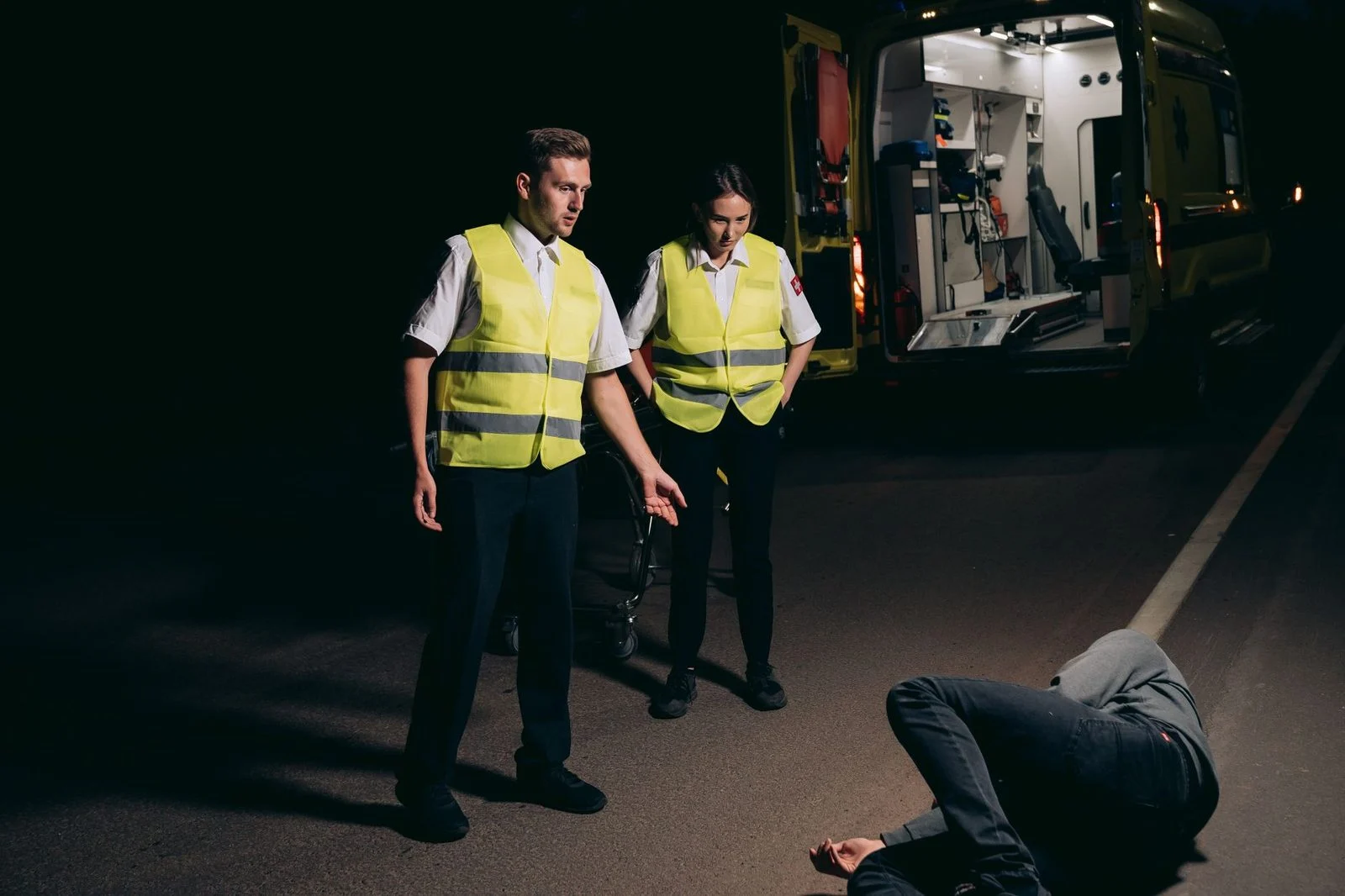
If a work van or commercial vehicle crash has left you or a loved one with a brain injury, the firm can review what happened in a free case review. Reach out through Big Bubba Injury Law when you are ready to talk through the crash.