
Brain Injury Claims | West Virginia
Hurt in a Crash and Don't Remember It? Tell Bubba What Happened
Gaps in memory after a serious crash are frightening, and they can make it hard to know where to start. The firm can help you sort out the questions.
Published November 22, 2026
If you can’t remember a car accident, you may wonder whether a brain injury claim is still possible. In most cases, a missing memory of the crash does not end a claim on its own.
This page explains why memory gaps happen, why symptoms can appear late, what evidence may support a claim, and which deadlines may apply.
The Short Answer: A Claim May Still Be Possible
Yes, a brain injury car accident claim may still be possible in West Virginia when the injured person has no memory of the crash. The memory gap is one fact among many. The injury, the medical records and the other evidence all matter.
Many readers are in a hard spot. Some are adults who were hurt and are missing part of that day. Others are parents, spouses, adult children or caregivers trying to help someone who cannot describe what happened. A hospital stay and a stack of paperwork can make that job feel overwhelming.
For background on claims involving brain injuries from crashes, see our brain injury claims overview. The firm handles car accident, truck accident, catastrophic injury and wrongful death matters, and we serve injury victims and families across West Virginia.
If your loved one cannot recall the crash, you don't have to sort out a possible brain injury claim alone, so reach out to us to request a free case review. Talk it through with Big Bubba — the first case review is free, confidential, and carries no obligation.

Why a Person May Not Remember a Car Crash
A person may not remember a crash when a head injury affects how the brain forms and recalls memories. This is a medical question, and a provider makes the assessment.
Post-traumatic amnesia (PTA) is a period after a head injury when a person may have trouble forming new memories or recalling events normally. It can include the time around the crash itself.
A concussion or other brain injury can also leave a gap around the moment of impact. The Administration for Community Living states that automobile accidents can cause traumatic brain injuries, which involve severe brain damage caused by an external force.
How long memory loss lasts varies widely. It depends on how the brain was injured, and doctors track recovery over time. A medical provider assesses the cause and severity, using methods described in VA research on traumatic brain injury.
A missing memory of the crash is not, by itself, proof of how the crash happened. Other evidence may be considered, and it is covered below.
Delayed Signs and Symptoms That Can Appear After a Crash
Yes, some brain injury symptoms may not show up right away. They can appear later, sometimes after the person has already gone home from the emergency room.
Symptoms a medical provider may evaluate include:
- Headaches
- Confusion or feeling foggy
- Sleep changes
- Mood or personality changes
- Trouble concentrating or remembering
- Sensitivity to light or noise
These signs are easy to mistake for stress, tiredness or a rough week. That is why they are worth reporting to a doctor promptly. Any loss of consciousness, seizure or sudden worsening needs emergency care right away.
Keep a written symptom log with dates, what you noticed, and who you told. Write symptoms down in the injured person’s own words when possible, and note when a family member saw a change. This record may be relevant to a claim, depending on the facts.
Long-Term Cognitive Concerns and Why Medical Follow-Up Matters
Medical follow-up matters because some changes in memory, attention, mood or behavior can develop over months.
Chronic traumatic encephalopathy (CTE) is a condition discussed in connection with repeated head trauma. Only a doctor can determine whether it applies to a particular person.
Ask providers to note the symptoms you report, and keep every follow-up appointment. Medical records, imaging and provider notes document the injury over time. A claim may depend on that documentation.
A scan may not show every type of brain injury, so symptoms and provider notes still matter. Follow-up care also gives a clearer picture of recovery, which matters for every part of a claim.
Our page on how long a brain injury claim takes explains what the process can involve.
Evidence That May Support a Claim Without the Injured Person’s Memory
A claim may rely on records and evidence created by other people, not only on the injured person’s memory.
The police crash report. Under W. Va. Code § 17C-4-7, an officer who investigates a motor vehicle crash occurring on the public streets or highways of West Virginia that causes bodily injury or death, or total property damage of $1,000 or more, must prepare a report within 24 hours after completing the investigation, either electronically or in writing. Within 24 hours of a crash, officers must also provide owner, operator and insurance information for all involved parties, upon request and at no cost, to each of the other involved parties and to each party’s insurance agents, whether or not the accident report has been completed.
Medical records. EMS and emergency room records, imaging such as CT or MRI scans, and treatment notes from each provider can show what was found and treated soon after the crash.
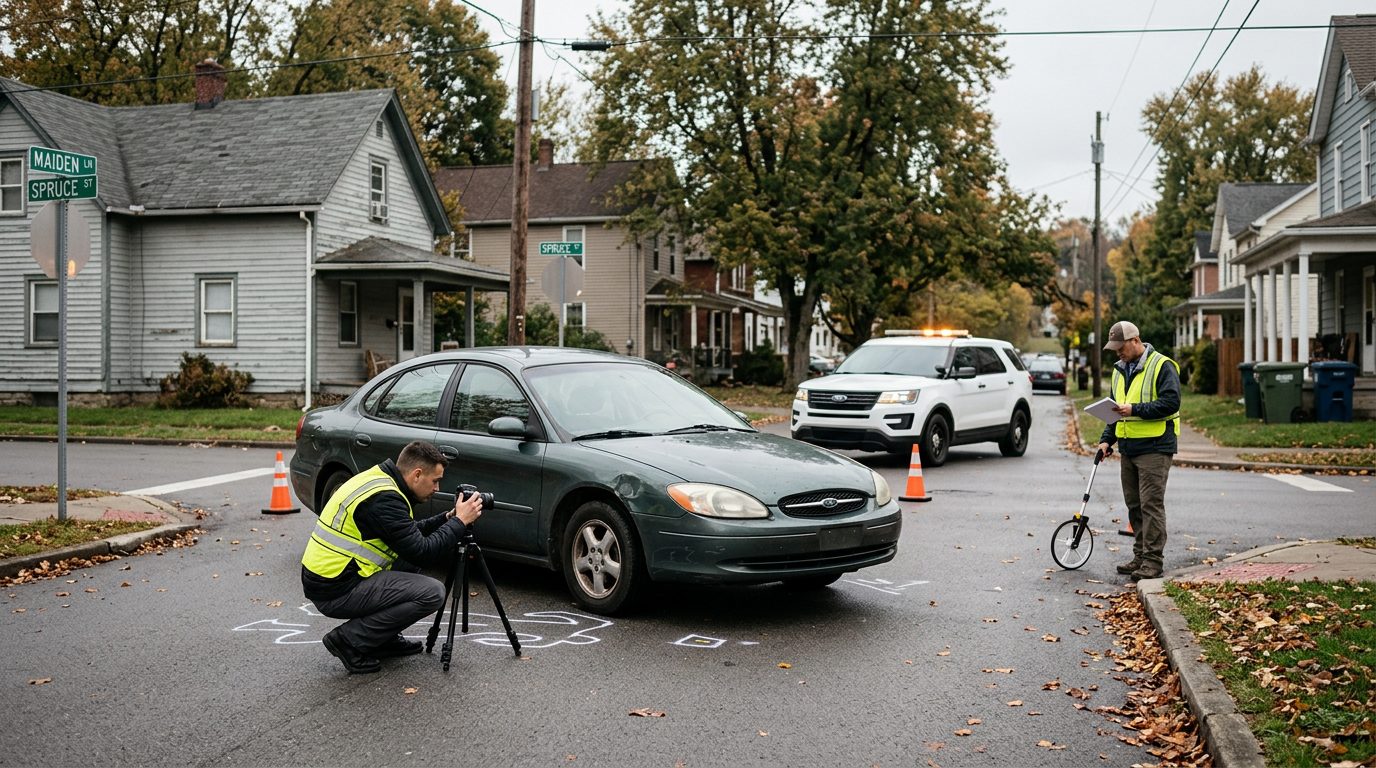
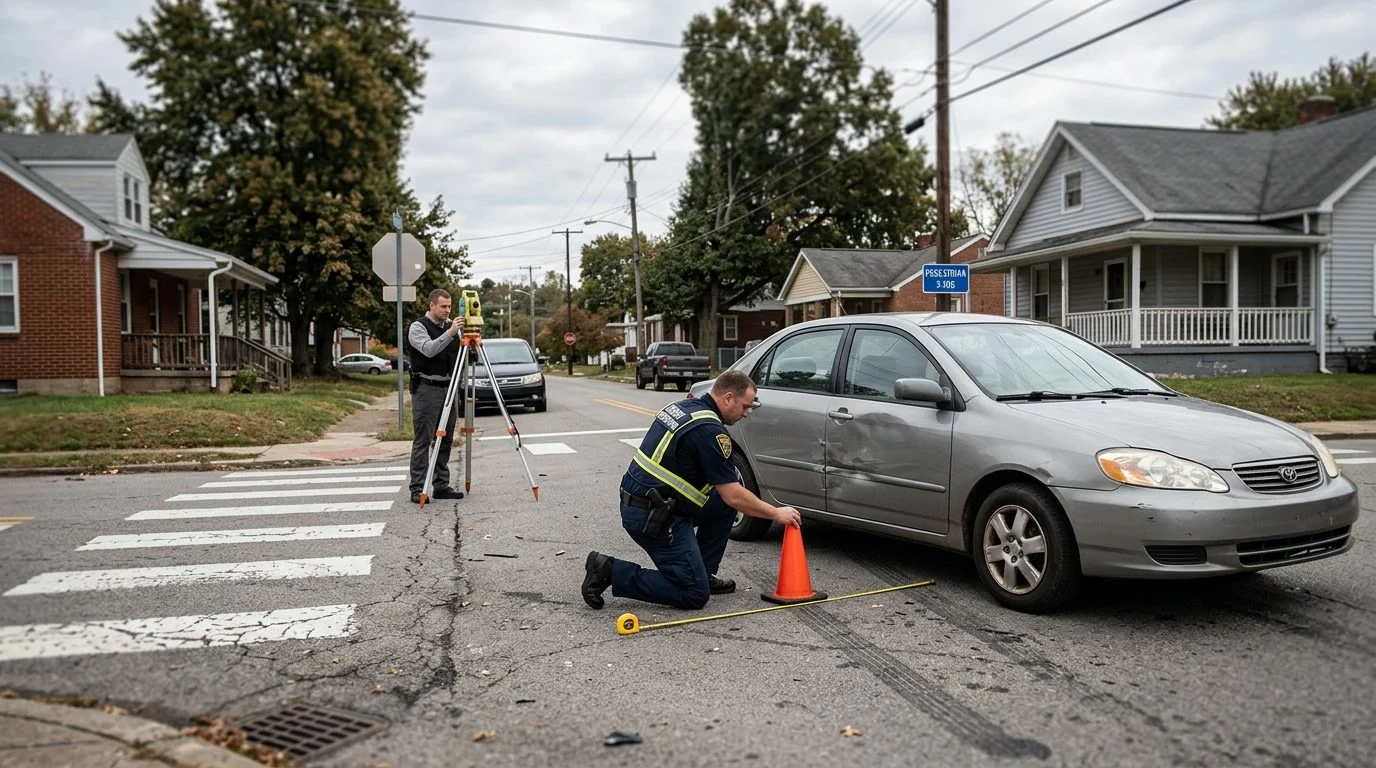
Other evidence. Scene and vehicle photographs, witness statements, vehicle damage and event data, and dashcam or phone records may be relevant to how the crash happened, where they exist.
Some insurers may dispute a claim. That is one reason documentation made close to the crash can matter.
Be careful with statements. For 20 days after a personal injury, while the injured person is an inpatient or unable to work, W. Va. Code § 55-7-11a generally bars anyone from negotiating a settlement, obtaining a release of liability, or obtaining a statement for that purpose.
Who Can Bring a Claim and What Deadlines May Apply
West Virginia generally allows two years to file a personal injury claim, and exceptions may apply. The clock generally runs from when the right to sue arises. W. Va. Code § 55-2-12 sets this two-year period for personal injury actions. Because the time limit matters, it is a reason not to wait.
After a serious injury, some adults may need help managing their personal and financial affairs, and questions like this can come up during a case. Under W. Va. Code § 44a-2-2, a petition may be filed by the person alleged to need protection, a person responsible for the individual’s care or custody, a facility providing care, the person the individual has nominated as guardian or conservator, a person acting as a de facto guardian or de facto conservator, or any other interested person, including the Department of Human Services.
When a crash causes a death, the family may have a wrongful death claim. This is a separate legal path. Under W. Va. Code § 55-7-6, the action is brought by a duly appointed personal representative of the person who died. It generally must start within two years after the death.
If the injured person dies from the injuries after a case has started, the case may continue in the name of a personal representative, under W. Va. Code § 55-7-8.
Not sure what your next step is?
Talk it through with Big Bubba — the first case review is free, confidential, and carries no obligation.
Steps to Take Now If a Loved One Cannot Remember the Crash
Start by keeping records in one place and following every medical recommendation. Useful items include:
- Appointment notes, medication lists and a symptom log.
- The crash report number, insurance details and names of any witnesses.
- Photos of the scene and vehicles, if they exist.
Driving decisions after a brain injury should be made with medical advice. Our page on driving after a brain injury covers that topic.
Seat belt use may come up in a claim. Under W. Va. Code § 17C-15-49a, evidence of the failure of an occupant of a passenger vehicle to use a safety belt may be admissible in some situations. A claimant’s failure to wear a belt is an affirmative defense, which the other side may raise. Our seat belt and injury claims page explains more.
Can you sue for a car accident if you don’t remember the crash?
A missing memory does not automatically end a claim. Other records and evidence may still be considered.
How long do you have to file a personal injury claim in West Virginia?
West Virginia generally allows two years, and exceptions may apply.
Who can file a wrongful death claim in West Virginia?
Generally, a duly appointed personal representative of the person who died brings the claim.
Sharing Details of a Crash You Cannot Remember
You can reach out to the firm about a crash your loved one cannot remember. Trying to help someone who cannot describe the crash is hard, and you don’t have to work out every step alone.
Bring what you have: the crash date and location, any medical records, police or insurance paperwork, and photos. These details help the firm understand what happened.
We serve injury victims and families across West Virginia, including Charleston and Huntington. You can request a free case review, which is confidential and carries no obligation to continue, and talk through what happened and what options may apply.