
Charleston, West Virginia | Car Accident Brain Injuries
Serving Charleston Injury Victims: Traumatic Brain Injury in Car Accidents
A brain injury can change how you think, work, and care for your family long after the crash scene is cleared. The firm focuses on helping injured West Virginians and their families understand their situation and take the next step.
Published October 22, 2026
Charleston Traumatic Brain Injury Car Accident Lawyer
Not sure what your next step is?
Talk it through with Big Bubba — the first case review is free, confidential, and carries no obligation.

Head Injuries From Charleston-Area Car Crashes: Who This Page Is For
A traumatic brain injury car accident claim in Charleston follows the same basic path as other injury claims. The medical proof is often harder to see, though. This page explains what that means for you and what to do next.
The firm serves Charleston and communities throughout the Kanawha Valley. We handle crashes on local roads and highways across West Virginia.
This page is for two groups. The first is crash survivors who have headaches, memory or focus problems, sleep changes, or mood swings after a collision. The second is family members trying to understand a loved one’s brain injury and the paperwork that follows.
If that describes you, the firm offers a free case review. It is confidential, and there is no obligation to continue. Reading on can help you prepare questions and gather the right papers first.
What a Traumatic Brain Injury Is and Why It Changes a Claim
A traumatic brain injury is damage to the brain caused by a sudden blow, jolt, or penetrating force. The Administration for Community Living notes that automobile accidents can cause these injuries. Severity ranges from a mild concussion to serious damage.
Symptoms don’t always appear right away. Some people feel shaken but fine at the scene, then notice problems days or weeks later. Prompt medical evaluation protects your health and creates a clear record of when symptoms began.
Test results alone may not tell the whole story. A brain injury can be real even when a first scan doesn’t show clear damage. Symptoms, cognitive testing, and notes from several providers often help show what one test misses.
This is where brain injury claims differ from ordinary injury claims. Many simple claims rest on visible harm and a few weeks of treatment. Brain injury effects, such as trouble with memory, attention, and mood, often unfold over months. Proving them usually takes records from many providers over time. The full picture of recovery, not only the first emergency room visit, shapes the claim.
What a Brain Injury Car Accident Claim Can Cover
A brain injury car accident claim can seek compensation for losses the crash caused. These losses usually fall into a few groups:
- Medical costs now: emergency care, hospital stays, imaging, neurology visits, and rehabilitation.
- Therapy: speech, occupational, and cognitive therapy that help you relearn daily skills.
- Future care: treatment your doctors reasonably expect the injury to require.
- Lost income: time away from work and any reduced ability to earn in the future.
- Daily life: help at home when the injury changes what you can do on your own.
- Pain and loss of enjoyment: non-economic losses such as pain, suffering, and loss of enjoyment of life.
A claim usually starts with the at-fault driver. If that driver’s insurance is too low to cover your losses, your own underinsured motorist coverage may matter. Under West Virginia underinsured motorist law, a vehicle is underinsured when its liability limits are less than the underinsured coverage you carried, or when payments to others hurt in the same crash reduce those limits below your coverage.
Which Documents Matter Most in a Brain Injury Claim
Your medical records, the crash records, and proof of income matter most. Gather what you can now. Missing items can often be requested later.
- Emergency and hospital records: these show your first documented symptoms and how they were described.
- Imaging reports: CT and MRI results, plus any follow-up scans ordered when symptoms lasted.
- Neurology and testing records: visits, neuropsychological testing, and rehab notes that track thinking and mood over time.
- A symptom journal: a simple daily log of headaches, sleep, memory, work performance, and relationships.
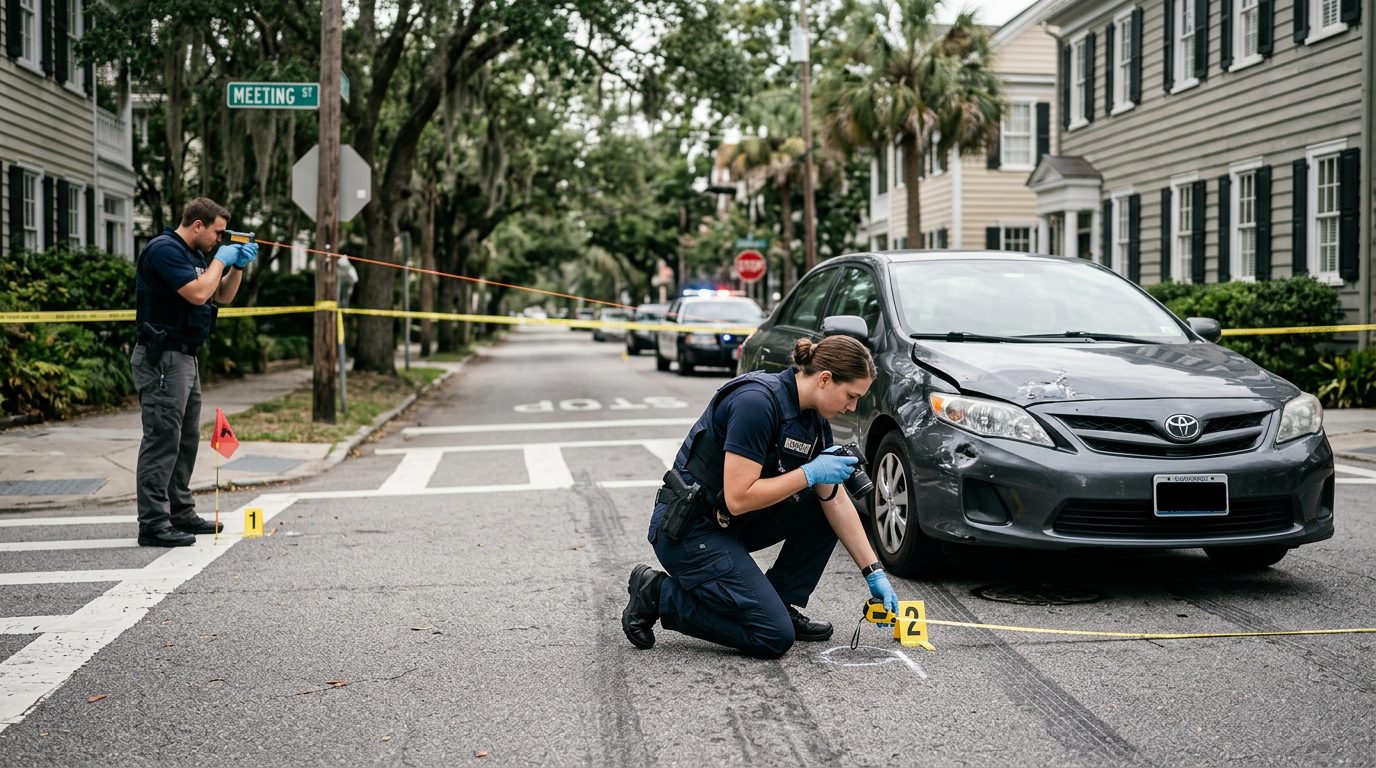
- Crash evidence: the police crash report, photos of the vehicles and scene, and witness names.
- Income proof: pay stubs, employer records, and tax documents from before and after the crash.
- Insurance letters: keep every letter and any statement request, and share them with the firm before you respond.
A common mistake is waiting to see whether symptoms fade before getting checked. Gaps in treatment can make it harder to link later problems to the crash.
How a Brain Injury Car Accident Case Moves Forward
A brain injury case usually moves from a free case review to evidence gathering, medical documentation, negotiation, and, if needed, a lawsuit. Each step depends on the facts.
- Free case review. The firm learns what happened, reviews your injuries and medical timeline, and explains your options.
- Evidence gathering. Medical records, crash reports, and scene documentation are requested from providers and agencies.
- Medical picture. Treating providers’ records and any needed testing are collected so the injury is documented in full.
- Claim and negotiation. The firm presents the claim and handles communication with the insurance company.
- Lawsuit, if needed. If a fair resolution isn’t reached, a lawsuit can be filed in court.
Under W. Va. Code § 55-7-11a, for twenty days from the date of a personal injury, while the injured person is an inpatient in any hospital or is partially or totally unable to engage in his or her usual trade, profession or occupation, no one may negotiate or attempt to negotiate a settlement of the injury claim with or on behalf of the injured person, obtain or attempt to obtain from the injured person a partial or general release of liability, or obtain or attempt to obtain a written or oral statement from the injured person for use in negotiating a settlement or obtaining a release. The statute does allow a person acting on the injured person’s behalf to take a statement when the injured person expressly requests it.
Timelines vary widely. Brain injuries often need time to stabilize before the full extent of harm is known.
Not sure what your next step is?
Talk it through with Big Bubba — the first case review is free, confidential, and carries no obligation.
Next Steps After a Brain Injury From a Car Accident
The firm handles car and commercial truck accidents, catastrophic injuries, traumatic brain injury, spinal cord injury, and wrongful death. Our work centers on direct communication with injured people and their families.
Support staff handle records requests, scheduling, and follow-up, so you can focus on recovery. Each free case review is confidential, with no obligation to continue.
Common Questions About Brain Injury Car Accident Claims in West Virginia
West Virginia generally requires personal injury actions to be filed within two years (W. Va. Code § 55-2-12). Waiting can put a claim at risk.
How long do I have to file?
Under W. Va. Code § 55-2-12, most personal injury actions must be brought within two years.
Can I still have a claim if I was partly at fault?
Often yes. Under W. Va. Code § 55-7-13c, your fault bars recovery only if it is greater than the combined fault of everyone else responsible; if it is less, your recovery is reduced in proportion to your share of fault.
Should I talk to the other driver’s insurer?
Be careful. Talk with the firm before giving any recorded statement. The first 20 days carry special limits when the injured person is an inpatient or is partially or totally unable to work.
Do I need a normal CT scan to have a claim?
No single test defines a brain injury. Records from many providers help show the full picture.
If a traumatic brain injury car accident in Charleston left you or someone you love with lasting symptoms, you can request a free case review with the firm and tell us what happened.
Related practice areas
- Can a Brain Injury From a Car Accident Show Up on a Normal CT Scan?
- Tow Truck Accident Lawyer West Virginia | Big Bubba