
Brain Injury After a Car Accident in West Virginia
A Normal CT Scan Does Not Mean Your Brain Was Not Hurt
Learn what a CT scan can show, what it can miss, and how symptoms and medical records can document a brain injury after a crash.
Published October 22, 2026
A normal CT scan after car accident brain injury does not always mean the brain was not hurt. A CT scan is one test, and it answers a narrow question: does the picture show a visible problem at the time it was taken? Many people with real brain injuries have normal CT results, and their symptoms are still real. This page explains what a CT scan can and cannot show, which other tests doctors may use, and how symptoms and medical records can document a brain injury after a crash in West Virginia.
Why a Normal CT Scan Does Not Always Mean Your Brain Is Uninjured
A normal CT scan does not by itself prove the brain was uninjured. Traumatic brain injury, or TBI, is damage to the brain caused by a blow or jolt to the head. It ranges from mild concussion to severe injury. The VA’s traumatic brain injury overview covers common causes, symptoms, severity and recovery time, including injuries from motor vehicle accidents. A PMC article on brain injuries in Georgia notes that TBI effects may be long-lasting and may not be immediately apparent after an accident. That same article notes that mild TBI can be difficult to diagnose.
That matters after a crash. You may have headaches, fogginess, or dizziness while a scan looks clean. Those symptoms deserve careful medical follow-up. A clean image doesn’t erase what you feel, and it doesn’t settle the question on its own. Your doctor looks at the whole picture, including your history, your exam, and how you’re doing day to day.
Families often hear that the scan was normal and assume the danger has passed. That can make the symptoms seem less real, both to the person who was hurt and to loved ones. Understanding the limits of one test helps everyone stay focused on follow-up care.
If headaches, fogginess, or dizziness continue after your crash even with a clean scan, we invite you to request a free case review and talk through what's happening. Talk it through with Big Bubba — the first case review is free, confidential, and carries no obligation.
What a CT Scan Is Designed to Find After a Head Impact
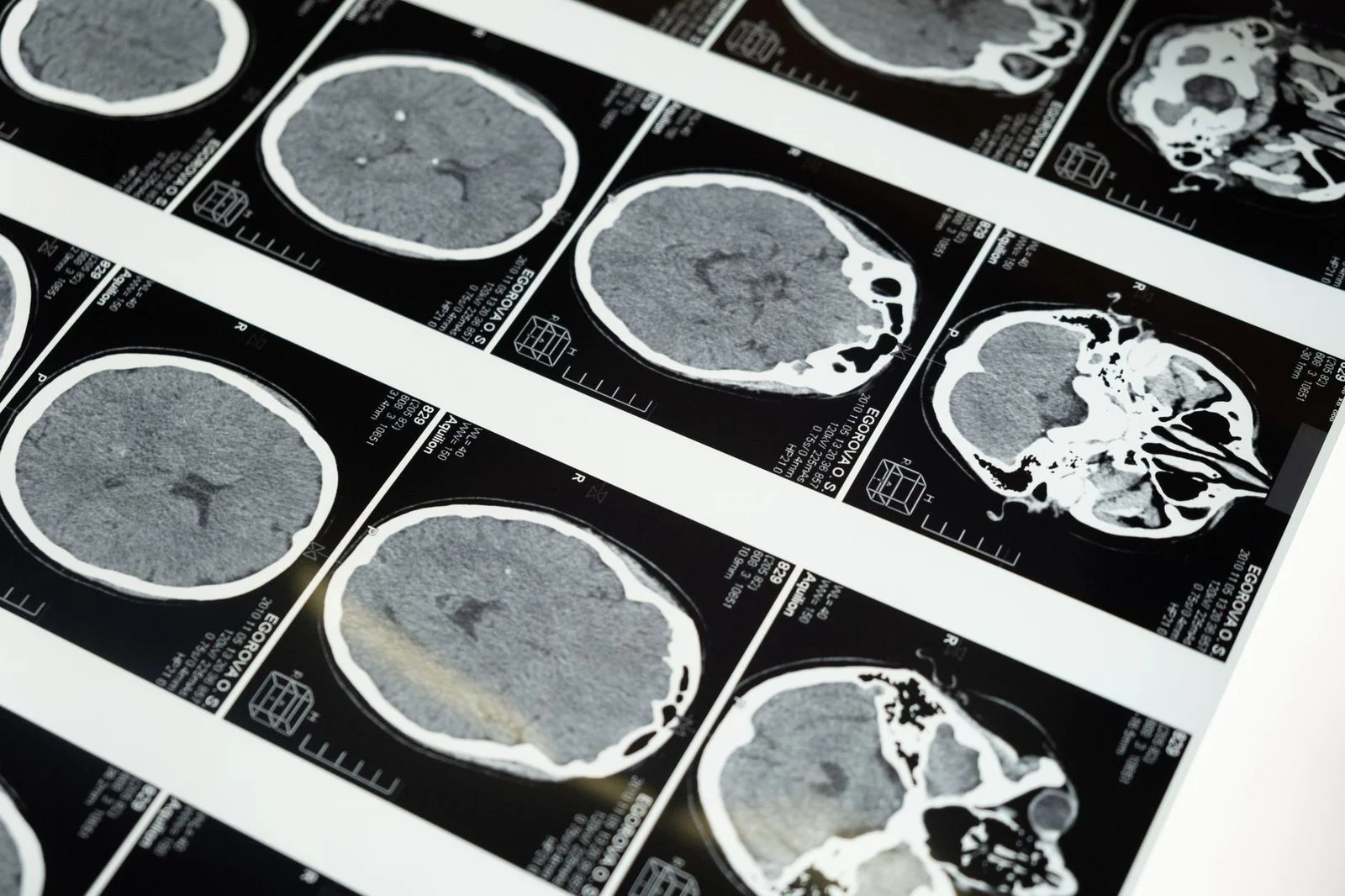
A CT scan is a fast imaging test that shows whether there is a visible structural problem in the head at the time of the scan. Emergency teams often use it because some head injuries need quick treatment. A CT can show bleeding inside the skull, skull fractures, and significant swelling.
Speed is the main reason it is so common after a crash. When doctors need to rule out a serious problem, they need an answer in hours, not days. A CT is usually quicker than other scans, so it is often the first test ordered.
The key point is what the test doesn’t answer. A CT tells doctors whether there is a visible structural change when the picture was taken. It doesn’t directly measure how well the brain is working. A person can have a normal CT and still struggle with memory, balance, or focus. Those problems are found through symptoms, exams, and follow-up care, not through the picture itself.
That’s why a normal CT is best understood as one answer to one question, not the whole story.
Why Brain Injuries Can Be Missed on a CT Scan
With milder injuries, a normal CT scan after car accident brain injury is common, and that can be confusing. A concussion is mainly a change in how the brain works. Standard CT often shows nothing visible in that case. Doctors describe concussion as a functional injury, which means symptoms come from how the brain is working rather than from a visible tear or bleed.
Diffuse axonal injury is another example. In this injury, the long nerve fibers that carry signals between brain cells are stretched or torn at a microscopic level. Those tiny changes can be real and still fail to show up on a standard CT image.
Timing also matters. Some changes can develop over hours or days after the crash, so an early scan may not show them. A first scan is a snapshot taken at one moment. It isn’t a final verdict on the brain.
If symptoms change or grow, tell your doctor right away. They can decide whether more testing is needed. Describing when each symptom started and how it has changed gives your doctor useful detail.
Other Imaging and Tests Doctors May Use
An MRI is often the next test doctors consider when a CT is normal but symptoms continue. An MRI uses magnets and radio waves instead of X-rays. It can show soft brain tissue in more detail. For certain soft-tissue changes, it is often more sensitive than a CT, though it doesn’t show everything.
Which imaging is ordered depends on the facts of each person’s injury and symptoms, as decided by the treating physician. Two people in similar crashes may end up with different test plans. Your doctor chooses based on your own history and exam.
Repeat imaging is sometimes ordered if symptoms get worse or don’t improve over time. A second scan can show changes that were not visible before, or it can confirm that nothing has changed. Either result gives your doctor information to use.
Imaging is only one part of the medical picture. Your history, your exam, and your symptoms matter too. Keep your doctor informed about every change, and ask what the next step is.
Symptoms That Can Continue Even When Scans Look Normal
Common symptoms after a head injury include headaches, dizziness, sensitivity to light or noise, memory and concentration problems, sleep changes, and irritability. Any of these can continue after a normal scan. Many people feel their symptoms don’t match the test result, and that gap is frustrating.
Vision, balance, and dizziness can be especially hard to explain to others. Our page on vision, balance and dizziness walks through those symptoms in more detail. Mood changes, including anger and shifts in personality, are covered on the page about mood and personality changes. If you’ve had seizure-like episodes, read our guide to seizures after a head injury.
Report every symptom to your doctor, even the ones that seem minor or unrelated to the crash. A symptom you forget to mention may be the one that changes the plan. Write down when it started, how often it happens, and what makes it better or worse.
Loved ones may notice changes you miss. Their observations can be useful to share with your doctor.
How Doctors Evaluate Brain Function Beyond Imaging
Doctors can check brain function directly with a neurological exam and, in some cases, neuropsychological testing. The neurological exam looks at reflexes, coordination, eye movement, and memory. These checks can show problems that a picture cannot.
Neuropsychological testing measures attention, memory, processing speed, and executive function, which covers planning and organizing. Results can document changes in thinking that imaging doesn’t capture. This testing can help show how the brain is working day to day.
Doctors interpret these tests alongside your medical history and your symptoms. No single score tells the whole story. The results become part of a larger record that your care team reviews over time.
If your doctor recommends this testing, ask what it will measure and how the results will be used in your care. Those answers help you understand where you are in the process. Some people find this process long and tiring, and that’s common.
Not sure what your next step is?
Talk it through with Big Bubba — the first case review is free, confidential, and carries no obligation.
Documentation That Helps Explain a Brain Injury After a Crash
The strongest records link your symptoms to the crash over time. Start a dated symptom journal. Note headaches, sleep, concentration, mood, and how daily tasks are affected, such as work, driving, or reading. Write each entry the same day when you can. Small details are easy to forget weeks later.
Keep every appointment note, referral, prescription, and imaging report in one place. These papers show what your doctors found and when they found it. A folder or a digital file works well. Bring it to each visit.
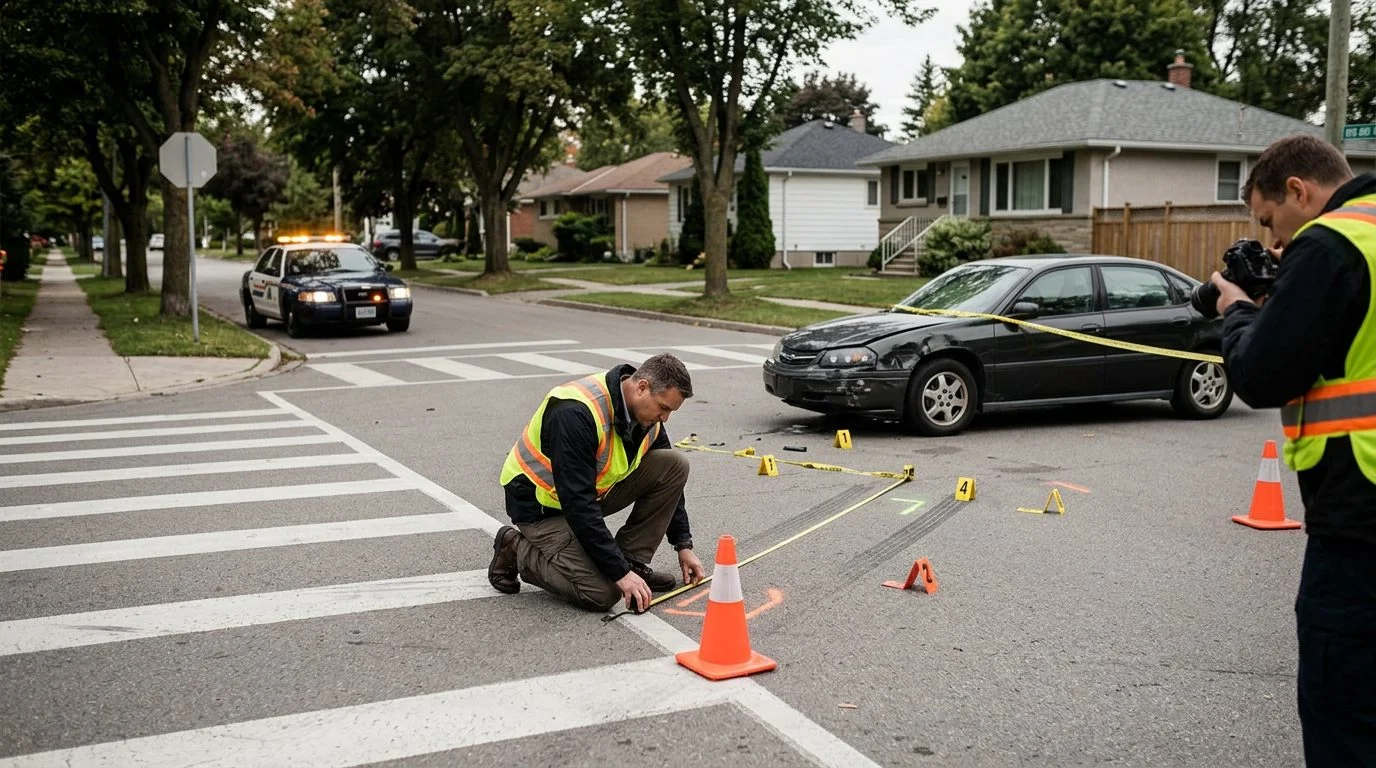
Gather the crash report, photos of the vehicles, and the names of any witnesses. Those details help show how the injury happened. Save any messages about the crash and any insurance letters you receive.
A consistent medical record that ties symptoms to the crash is central to how a brain injury is documented. Gaps in care can make that link harder to see. Keeping follow-up visits, even when you feel better, helps your record tell the full story.
Next Steps If You Are Weighing What a Normal Scan Means for Your Situation
A normal CT scan after car accident brain injury can leave you with real symptoms and no clear answer. That’s hard, especially when you’re handling medical visits, insurance calls, time off work, and questions about what comes next. You can take these steps one at a time.
West Virginia law generally requires a personal injury action to be brought within two years after the right to bring it has accrued, as stated in W. Va. Code § 55-2-12. Knowing that date early helps you plan.
Early on, West Virginia law also limits settlement contact. For twenty days after an injury, while you are a hospital inpatient or unable to do your usual work, others may not negotiate a settlement with you. See W. Va. Code § 55-7-11a.
We handle car accidents, truck accidents, and traumatic brain injury cases. We serve people across West Virginia, including Charleston, Huntington, and Morgantown. If you want to talk through your crash and your symptoms, you can request a free case review with the firm.