
Traumatic Brain Injury Attorney
Brain Injury Lawyer for Charleston, WV
If a crash or accident left you with a traumatic brain injury, Big Bubba Injury Law is here to help you understand your rights and pursue the compensation you deserve.
Published October 05, 2026
Traumatic Brain Injury After a Charleston Accident: What You Need to Know
A traumatic brain injury (TBI) occurs when a bump, blow, or jolt to the head—or a penetrating injury where an object pierces the skull—changes how the brain normally works. Even injuries that seem minor at first can cause lasting damage and long-term complications. If you’ve been hurt in a Charleston car accident, truck crash, or other collision, understanding what a traumatic brain injury is and what legal rights you have can help you protect yourself and your family.
If you or a loved one suffered a traumatic brain injury in a Charleston-area accident, you may have a legal claim. Talk it through with our team — the first case review is free, confidential, and carries no obligation.
What Is a Traumatic Brain Injury?
Traumatic brain injury happens when impact or sudden movement damages brain tissue and disrupts normal brain function. Not all brain injuries are the same. They range from mild to severe.
A concussion is a type of TBI caused by a bump, blow, or jolt to the head. It’s often called “mild” TBI, but that label can be misleading. Concussions carry real risks and can have lasting effects on memory, concentration, and balance.
Moderate and severe TBIs involve more significant damage. They may cause loss of consciousness, prolonged confusion, or physical disability. The brain’s complexity means that even injuries that don’t show up clearly on early imaging can still cause problems weeks or months later.
Why does this matter for your case? Insurance companies and defense lawyers often downplay mild TBIs or argue they’ll heal on their own. Medical evidence is essential to prove the injury’s severity and long-term impact on your life.
Accidents That Cause Traumatic Brain Injury
In Charleston and across West Virginia, traumatic brain injury most often results from vehicle crashes. Vehicle crashes are a leading cause of traumatic brain injury and spinal cord injury.
Car accidents can cause TBI through direct impact to the head or sudden, violent movement of the brain inside the skull. Even rear-end collisions at moderate speeds can inflict serious injury.
Commercial truck crashes pose an especially high risk. The size and weight of tractor-trailers mean collisions often involve tremendous force. A passenger vehicle hit by a truck may experience forces that cause the brain to shift and strike the inside of the skull.
Workplace and equipment accidents can also cause TBI, as can falls from heights or onto hard surfaces. In Charleston, where construction and industrial work are common, these injuries happen too.
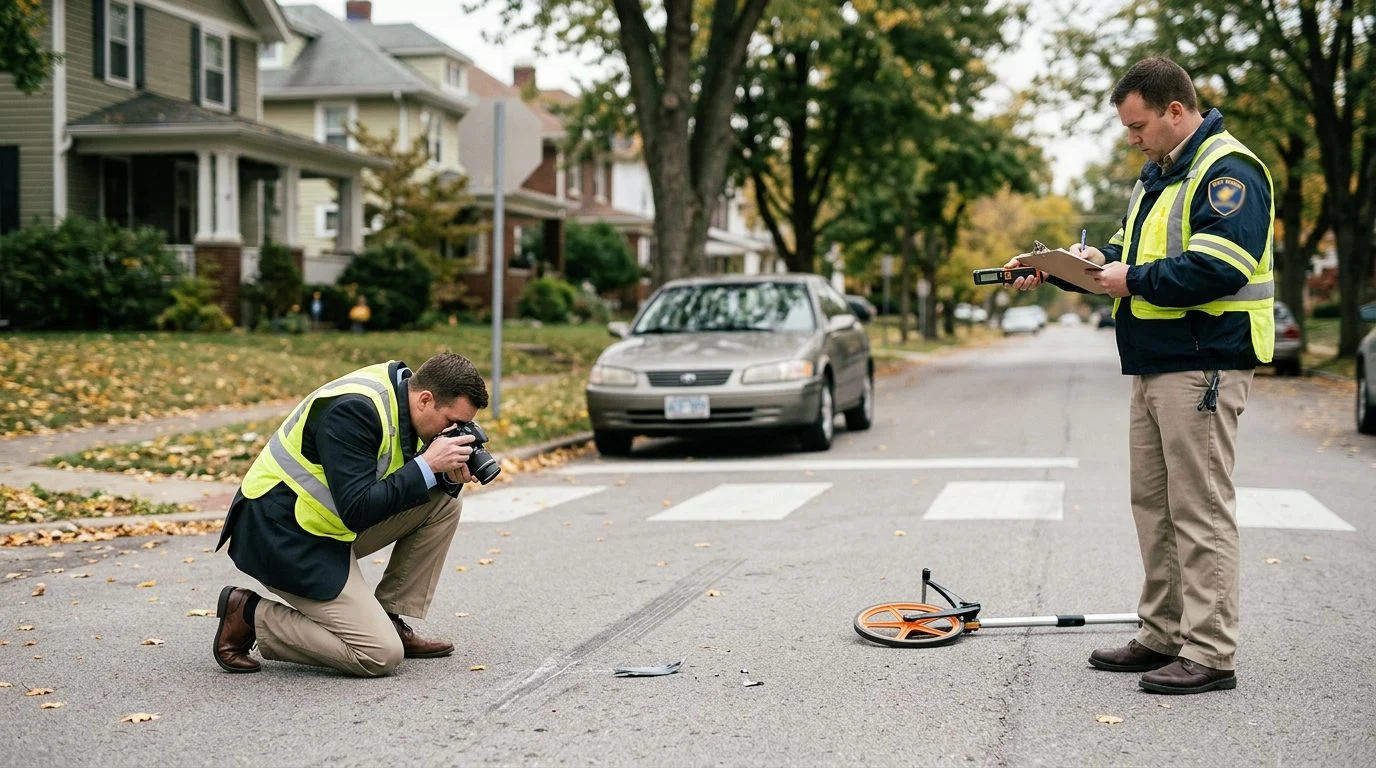
If the accident wasn’t your fault, you may have a legal claim against the responsible party and their insurance company. We investigate accidents to establish liability and protect your rights.
Symptoms and Effects of Traumatic Brain Injury
Symptoms of TBI can appear immediately or develop over hours or days. They vary widely depending on the injury’s severity.
Immediate physical symptoms include headache, dizziness, nausea, balance problems, and sensitivity to light or noise. Some people lose consciousness; others don’t.
Cognitive effects are often the most disruptive. You may struggle with memory, concentration, processing speed, or problem-solving. Tasks that were once automatic become exhausting or impossible.
Emotional and behavioral changes are common too. Mood swings, irritability, anxiety, depression, and personality changes can strain relationships and make recovery harder.
Long-term complications can include post-concussion syndrome (ongoing headaches, dizziness, and cognitive fog), sleep disturbances, chronic pain, and increased risk of future TBIs. Brain function tests can be repeated at regular intervals to monitor recovery.
Early diagnosis and treatment matter enormously. Diagnosis of TBI typically involves CT scans or MRI imaging to assess the severity and location of brain injury. Documenting your symptoms and treatment from day one strengthens your legal claim.
Not sure what your next step is?
Talk it through with our team — the first case review is free, confidential, and carries no obligation.
Damages You May Recover in a Traumatic Brain Injury Claim
If someone else’s negligence caused your TBI, you may be entitled to recover damages for:
- Medical expenses: emergency care, hospitalization, surgery, imaging, rehabilitation, therapy, and ongoing treatment
- Lost income: wages you missed while recovering, and reduced earning capacity if the injury affects your ability to work
- Pain and suffering: compensation for physical pain and emotional distress caused by the injury
- Out-of-pocket costs: transportation to medical appointments, home care, assistive devices, and other injury-related expenses
- Reduced quality of life: the impact of the injury on your relationships, hobbies, independence, and daily functioning
Documenting these damages is critical. Keep medical records, bills, pay stubs, and notes about how the injury affects your daily life. This evidence supports your claim and helps ensure fair compensation.
Why You Need a Brain Injury Attorney
Insurance companies often undervalue TBI claims, especially when the injury is “mild” or when symptoms are primarily cognitive or emotional rather than visible physical disability. They may argue that you’re exaggerating, that you’ll recover fully, or that your symptoms aren’t related to the accident.
Proving causation requires medical evidence. You need to show that the accident caused the injury. This often requires testimony from neurologists, neuropsychologists, or rehabilitation specialists.
West Virginia’s statute of limitations matters too. In West Virginia, a personal-injury lawsuit generally must be filed within two years after the right to bring the action accrued. Missing that deadline may bar your claim, and exceptions may apply.
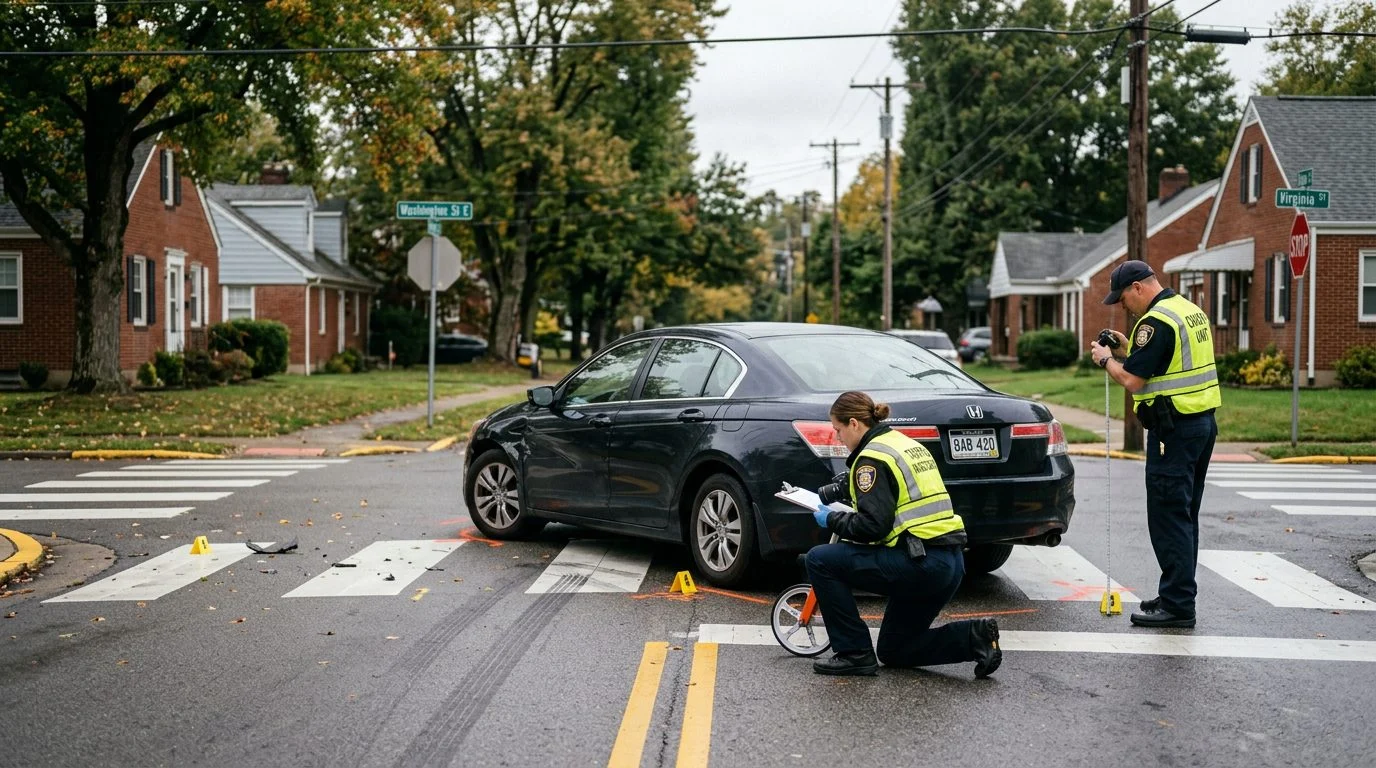
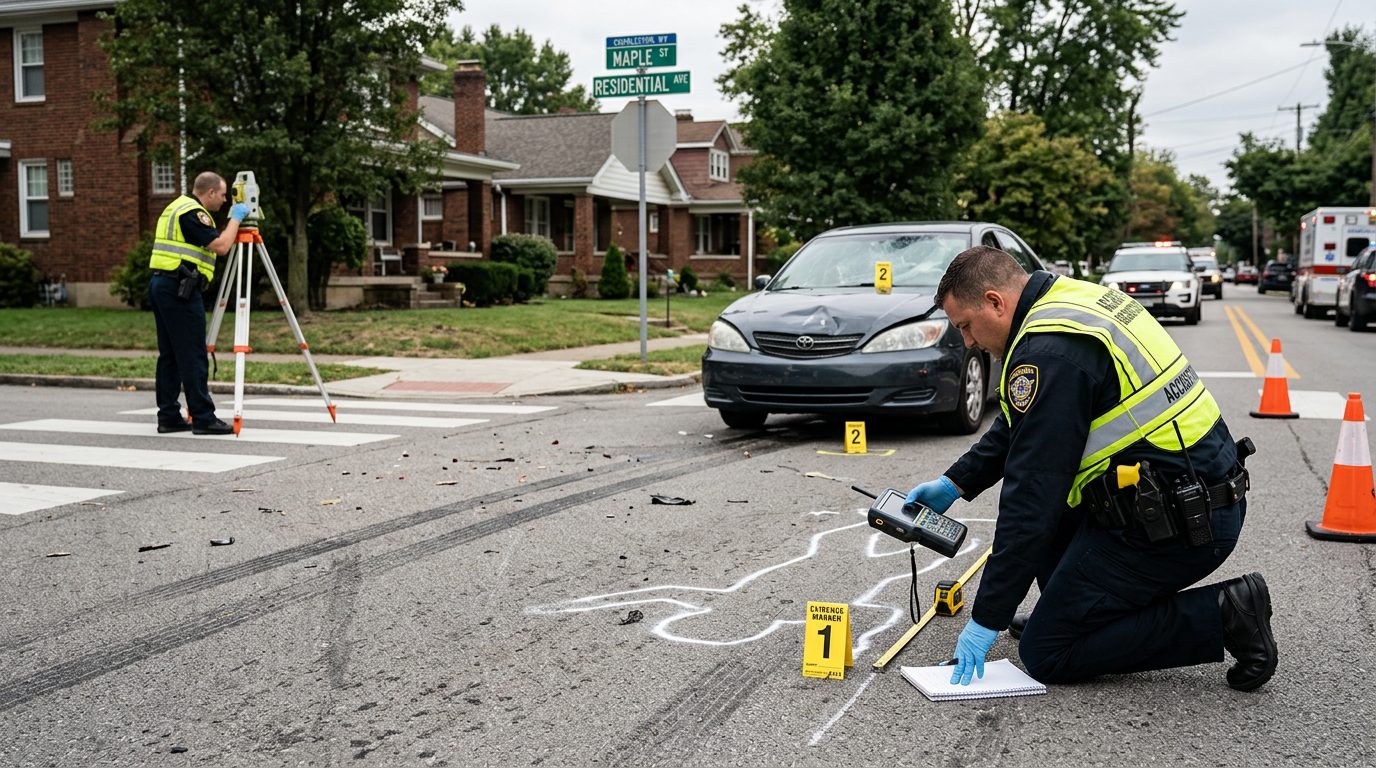
Liability can be complex. In multi-vehicle accidents or commercial truck crashes, determining who was at fault requires careful investigation of police reports, witness statements, vehicle data, and accident reconstruction.
West Virginia’s comparative fault rule also applies. West Virginia follows a modified comparative fault rule: an injured person’s damages are reduced by their percentage of fault, but they are barred from recovery only if their fault is greater than the combined fault of all other parties. If you were partially at fault, you generally can still recover, though your recovery is reduced in proportion to your share of fault, unless your fault is greater than the combined fault of all other persons. A lawyer protects your rights in these negotiations.
How Big Bubba Injury Law Can Help
We serve Charleston injury victims and handle traumatic brain injury cases across West Virginia. We work with medical professionals to document your injury, its cause, and its long-term impact. We investigate the accident to establish liability. And we pursue fair compensation for your damages so you can focus on recovery.
Whether your TBI came from a car accident, a commercial truck crash, or another collision, we’re here to help. Learn more about our personal injury claim process and how we support clients through recovery.
Have questions about what happened?
Ask our team directly. The first conversation is free, confidential, and there is no obligation to continue.
Frequently Asked Questions
What’s the difference between a concussion and a traumatic brain injury?
A concussion is a type of TBI caused by a bump, blow, or jolt to the head. Not all TBIs are concussions, but all concussions are TBIs.
How long does it take to recover from a traumatic brain injury?
Recovery varies widely. Mild TBIs may resolve in weeks or months; moderate and severe TBIs can take years, and some effects may be permanent.
Can I recover compensation if I was partially at fault for the accident?
Yes. Under West Virginia law, you can still recover damages even if you were partially at fault—unless your fault exceeds the combined fault of all other parties (W. Va. Code § 55-7-13c).
What medical evidence do I need to support my claim?
Imaging (CT or MRI scans), neurological exams, neuropsychological testing, medical records, and testimony from doctors or rehabilitation specialists strengthen your case.
What is the deadline to file a brain injury lawsuit in West Virginia?
Under W. Va. Code § 55-2-12, you generally have two years after the right to bring the action accrued to file a personal-injury lawsuit. Missing this deadline may bar your claim, and exceptions may apply.
If you or a loved one suffered a traumatic brain injury in a Charleston-area accident, you may have a legal claim. Tell us what happened—reach out for a free case review.
Related practice areas
- Traumatic Brain Injury from Car and Truck Accidents in West Virginia
- Brain Injury Settlement vs. Trial in West Virginia