
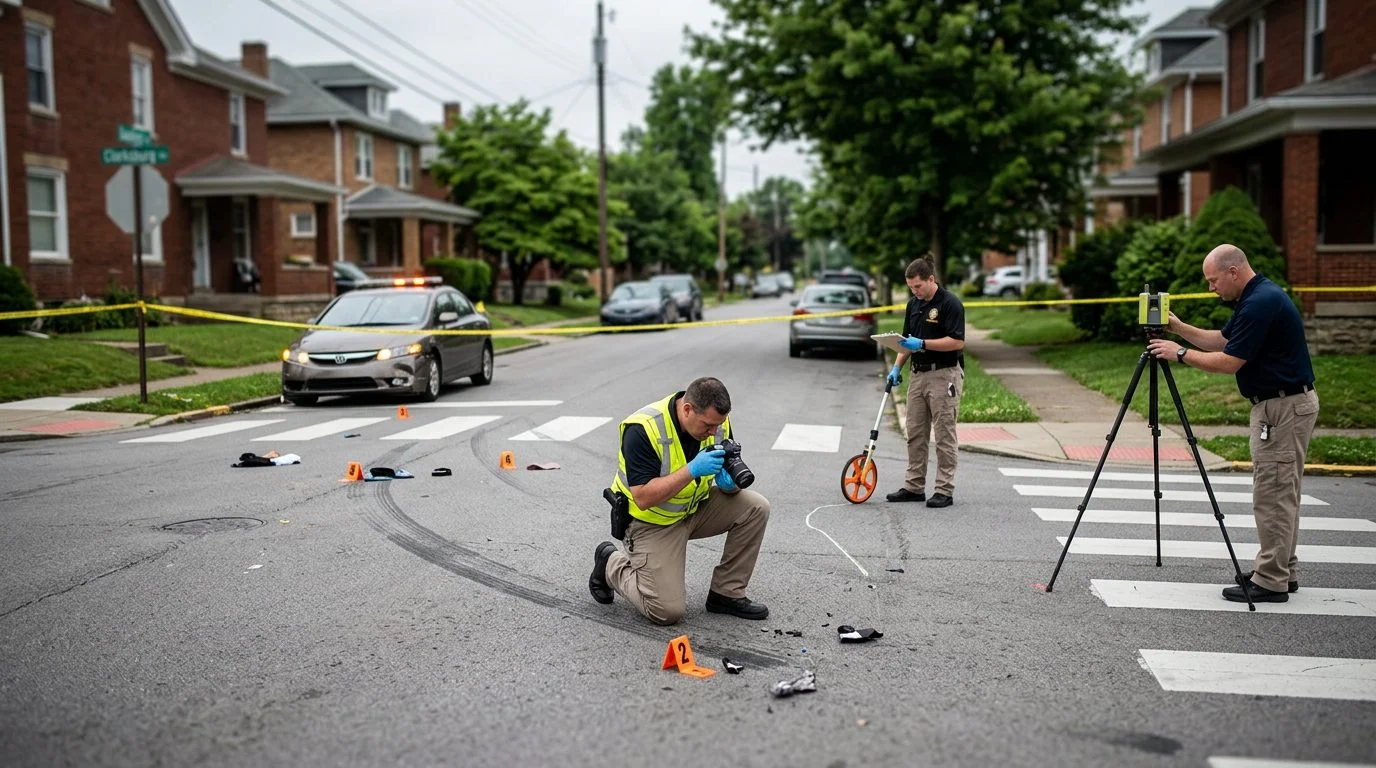
Traumatic Brain Injury
Serious Brain Injury After an Accident in Clarksburg?
Big Bubba Injury Law helps Clarksburg residents recover after traumatic brain injuries caused by car crashes, truck accidents, and other serious collisions.
Published October 05, 2026
Traumatic Brain Injury in Clarksburg, West Virginia
A traumatic brain injury (TBI) occurs when a sudden blow, jolt, or penetrating wound to the head damages how your brain works. TBI can range from mild (like a concussion) to severe, with effects that may show up right away or develop over days and weeks. If you or a loved one has suffered a TBI from a car crash, truck accident, or other incident in Clarksburg or West Virginia, understanding what happened—and what comes next—is the first step toward recovery and justice.
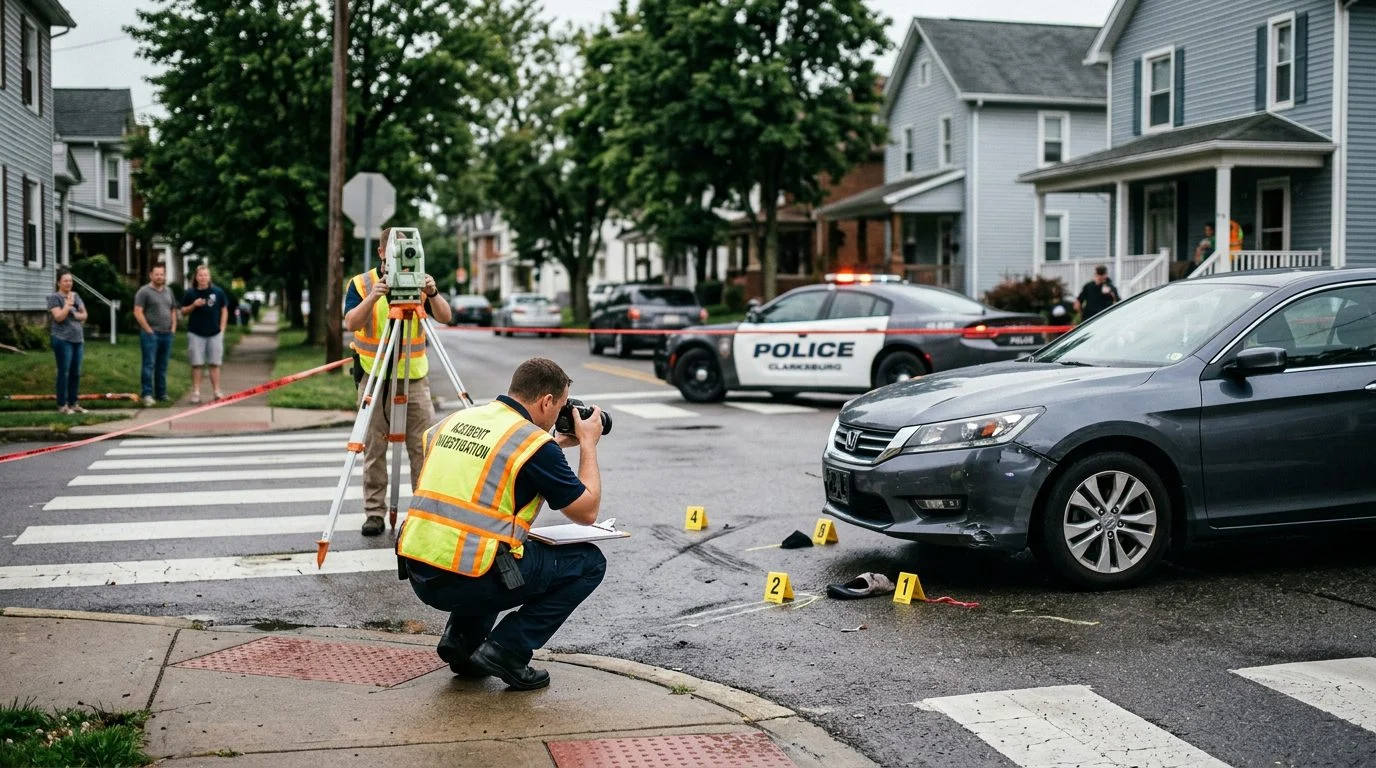
Not sure what your next step is?
Talk it through with our team — the first case review is free, confidential, and carries no obligation.
What Is Traumatic Brain Injury?
Traumatic brain injury happens when a sudden impact or jolt to the head disrupts normal brain function. TBI comes in two main types: closed TBI, where the skull stays intact but the brain is shaken or bruised inside, and penetrating TBI, where an object breaks through the skull and enters brain tissue. A concussion is the mildest form of TBI; severe TBI can cause lasting damage to thinking, movement, emotion, and behavior.
Doctors diagnose TBI using CT scans or MRI imaging to see where the brain is damaged and how badly. The severity of a TBI is assessed using standardized tools and repeated brain function tests—sometimes every one to two years—to track recovery over time. Not all TBIs show up on imaging right away, which is why medical care and documentation matter so much in legal claims.
How Traumatic Brain Injuries Happen in Accidents
Vehicle crashes are a leading cause of severe traumatic brain injury. In a car accident, the sudden deceleration and impact force can throw your head forward, backward, or sideways. Your brain shifts and bounces inside the skull, damaging nerve fibers and blood vessels. You might strike your head on the steering wheel, dashboard, or window—or the injury can happen without any direct blow, just from the violent motion itself.
Commercial truck accidents carry even greater risk. The weight and size difference between a truck and a passenger car means the force of impact is far more severe. Vehicle crashes are a leading mechanism for traumatic spinal cord injury and are also common causes of severe traumatic brain injuries. Even accidents that seem minor—a low-speed rear-end collision, for example—can result in significant brain injury if your head moves violently or strikes an object.
Immediate and Long-Term Effects of TBI
The symptoms of TBI vary by severity. Right after the injury, you might lose consciousness, feel confused, have a headache, feel dizzy, or be sick to your stomach. These immediate signs are often what brings people to the hospital.
But TBI’s real impact often unfolds over weeks, months, and years. Many people experience cognitive changes: trouble remembering things, difficulty concentrating, slower thinking and processing. Physical effects include balance problems, extreme fatigue, and sensitivity to light and sound. Emotional and behavioral shifts are common too—mood swings, irritability, depression, anxiety, or personality changes that strain relationships and work.
The long-term effects depend on where the brain was injured, how severe the damage is, and your age and health before the accident. Some people recover fully within weeks. Others face permanent changes to their ability to work, live independently, or enjoy the life they had before. Genetic factors such as apolipoprotein E ε4 (APOE4) are associated with worse health outcomes following a TBI, meaning recovery isn’t one-size-fits-all.
Have questions about what happened?
Ask our team directly. The first conversation is free, confidential, and there is no obligation to continue.
The Impact on Family and Caregivers
When someone you love suffers a traumatic brain injury, the whole family is affected. Spouses, parents, and adult children often become the primary caregivers—managing medical appointments, medications, therapy, and daily tasks their loved one can no longer do alone. Many caregivers cut back work hours or leave their jobs entirely to provide care.
The emotional toll is real. Watching someone change after a brain injury—losing skills, struggling with mood, or becoming someone who feels like a stranger—strains relationships and mental health. Families deserve support, both emotional and financial, to help them through recovery. Fair compensation for your loved one’s injury should account for the caregiver burden and the family’s sacrifices.
Why You Need a Lawyer After a Traumatic Brain Injury
TBI claims are complex. Insurance companies see a car accident and think they know what happened. But brain injuries aren’t always obvious, and their costs are enormous. You need medical evidence to prove the injury exists and explain how it will affect your loved one for life. You need to document ongoing treatment, rehabilitation, lost wages, and the cost of future care—which can span decades.
Insurance adjusters often underestimate what a TBI truly costs. They may offer a quick settlement that sounds fair on the surface but doesn’t account for long-term cognitive therapy, vocational rehabilitation, home modifications, or the loss of earning capacity over a lifetime. That’s where a lawyer comes in. You need someone who understands both the medical side of your case and the legal rules that govern injury claims in West Virginia.
What to Do If You or a Loved One Has Suffered a Traumatic Brain Injury
Seek medical attention immediately. Even if you feel okay, get checked by a doctor or go to the emergency room. Brain injuries can develop over hours or days, and early diagnosis and treatment improve outcomes.
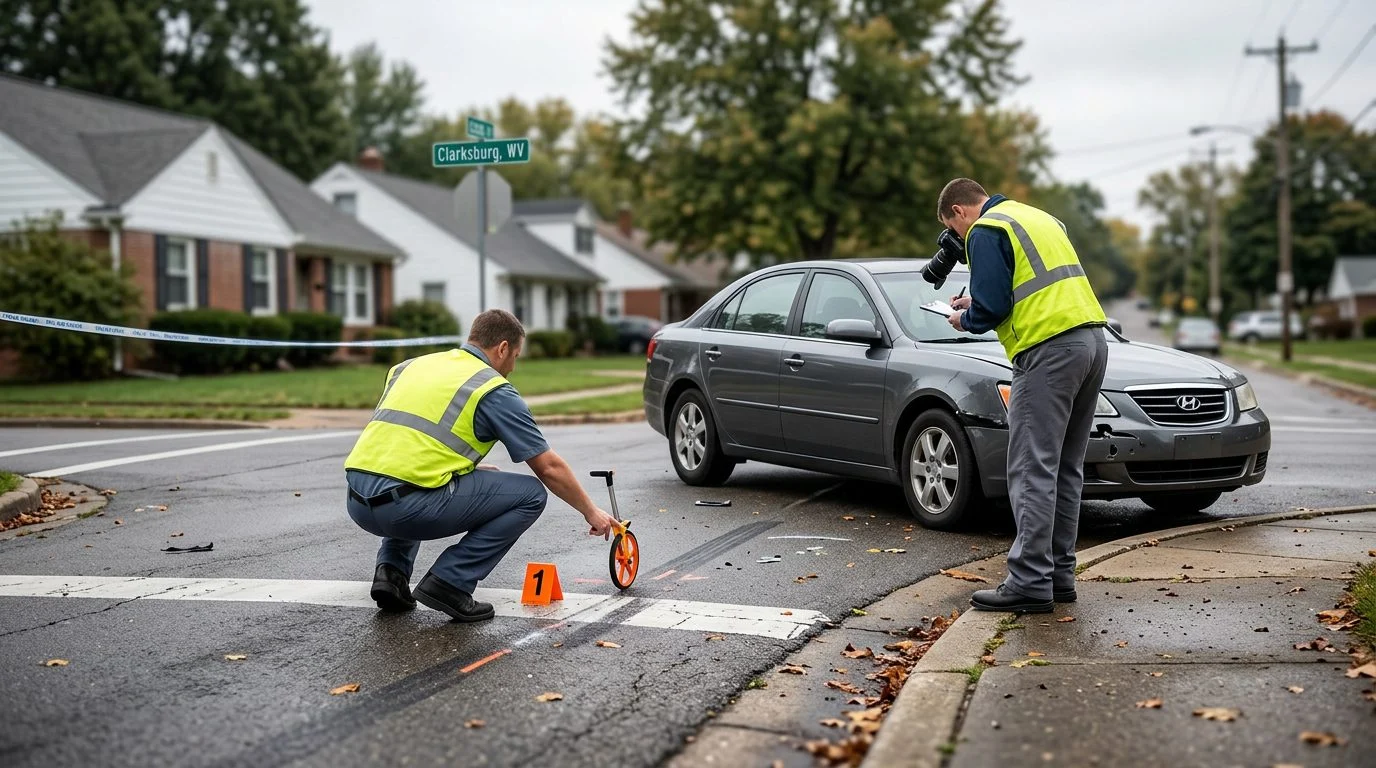
Document everything. Take photos of the accident scene, vehicle damage, and any visible injuries. Get the names and phone numbers of witnesses. Keep copies of all medical records, test results, and bills.
Don’t talk to insurance adjusters alone. Insurance companies have teams of people trained to minimize payouts. Anything you say can be used against your claim.
Contact Big Bubba. We serve injury victims across West Virginia, including Clarksburg, and we handle traumatic brain injury cases from car accidents, truck accidents, and other serious incidents. A free case review is the first step to understanding your rights and options.
Want to know where you stand?
Tell us what happened and our team will walk you through the options available to you, at no cost.
Frequently Asked Questions
How long do I have to file a lawsuit for a traumatic brain injury in West Virginia?
In West Virginia, you generally have two years to file a personal-injury lawsuit under W. Va. Code § 55-2-12, measured from when the right to bring the action accrued, and exceptions may apply. Missing this deadline may mean you lose your right to sue, so don’t wait.
Can I recover damages even if I was partly at fault for the accident?
West Virginia follows a modified comparative fault rule: you can still recover damages if you are 50% or less at fault, though your recovery is reduced by your percentage of fault. If you’re more than 50% at fault, you cannot recover.
What kinds of compensation are available for a traumatic brain injury?
Compensation can include medical expenses (past and future), lost wages, loss of earning capacity, pain and suffering, and the cost of ongoing care and rehabilitation. In severe cases, damages also account for the impact on family members and caregivers.
How is traumatic brain injury proven in a legal case?
Medical records, imaging (CT scans, MRI), neuropsychological testing, and expert testimony from doctors and therapists all help prove a TBI and its effects. Documentation of your symptoms, treatment, and how the injury has changed your life is critical.
If you or someone you care about has suffered a traumatic brain injury from a crash or accident in Clarksburg or anywhere in West Virginia, reach out to Big Bubba to discuss what happened and explore your options.
Related practice areas
- Traumatic Brain Injury from Car and Truck Accidents in West Virginia
- Traumatic Brain Injury in West Virginia