
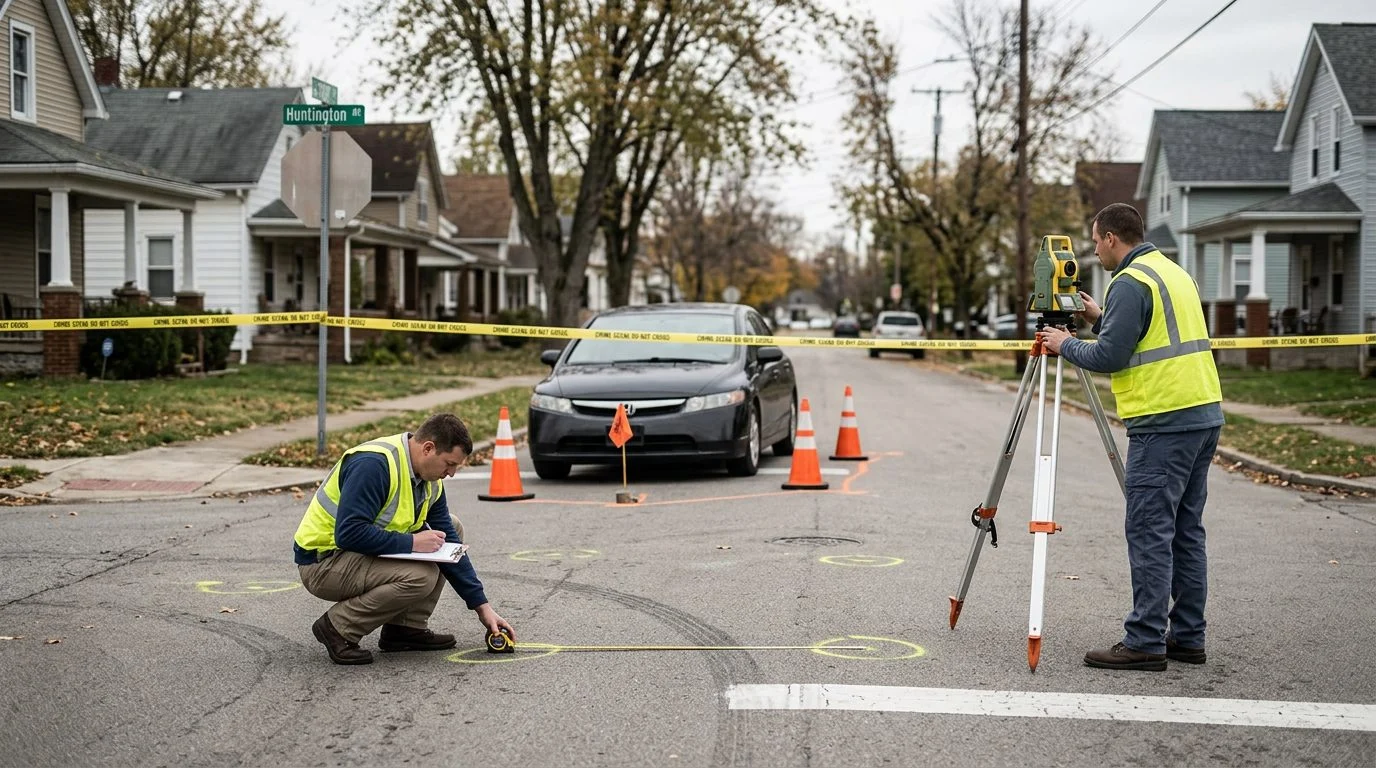
Huntington, West Virginia
Traumatic Brain Injury After a Crash
If you or a family member suffered a TBI in a car, truck, or commercial vehicle accident caused by someone else's negligence, Big Bubba Injury Law can help you understand your rights and next steps.
Published October 05, 2026
A traumatic brain injury (TBI) occurs when a sudden blow, jolt, or penetrating wound to the head disrupts normal brain function. In car crashes, truck collisions, and commercial vehicle accidents across Huntington and West Virginia, TBI is one of the most serious injuries a person can suffer—and recovery is often long, expensive, and uncertain.
If you or a family member sustained a traumatic brain injury in an accident caused by another party’s negligence, understanding what happened to your brain, what recovery looks like, and your legal rights can help you move forward.
What Is Traumatic Brain Injury?
Traumatic brain injury is caused by a bump, blow, or jolt to the head that disrupts normal brain function. The injury can be mild (concussion), moderate, or severe, depending on how hard the head was struck and whether consciousness was lost.
A TBI can be closed (the skull remains intact but the brain moves inside it) or penetrating (an object pierces the skull and enters brain tissue). In vehicle accidents, closed TBIs are most common—the head strikes the steering wheel, dashboard, side window, or another vehicle, causing the brain to move violently within the skull. This sudden movement damages brain cells and disrupts the signals between them.
Even a “minor” accident can cause a TBI if the head strikes something with enough force. You don’t have to lose consciousness to have a serious brain injury.
Not sure what your next step is?
Talk it through with our team — the first case review is free, confidential, and carries no obligation.
How Traumatic Brain Injury Happens in Accidents
In Huntington and across West Virginia, traumatic brain injuries occur in several types of vehicle collisions:
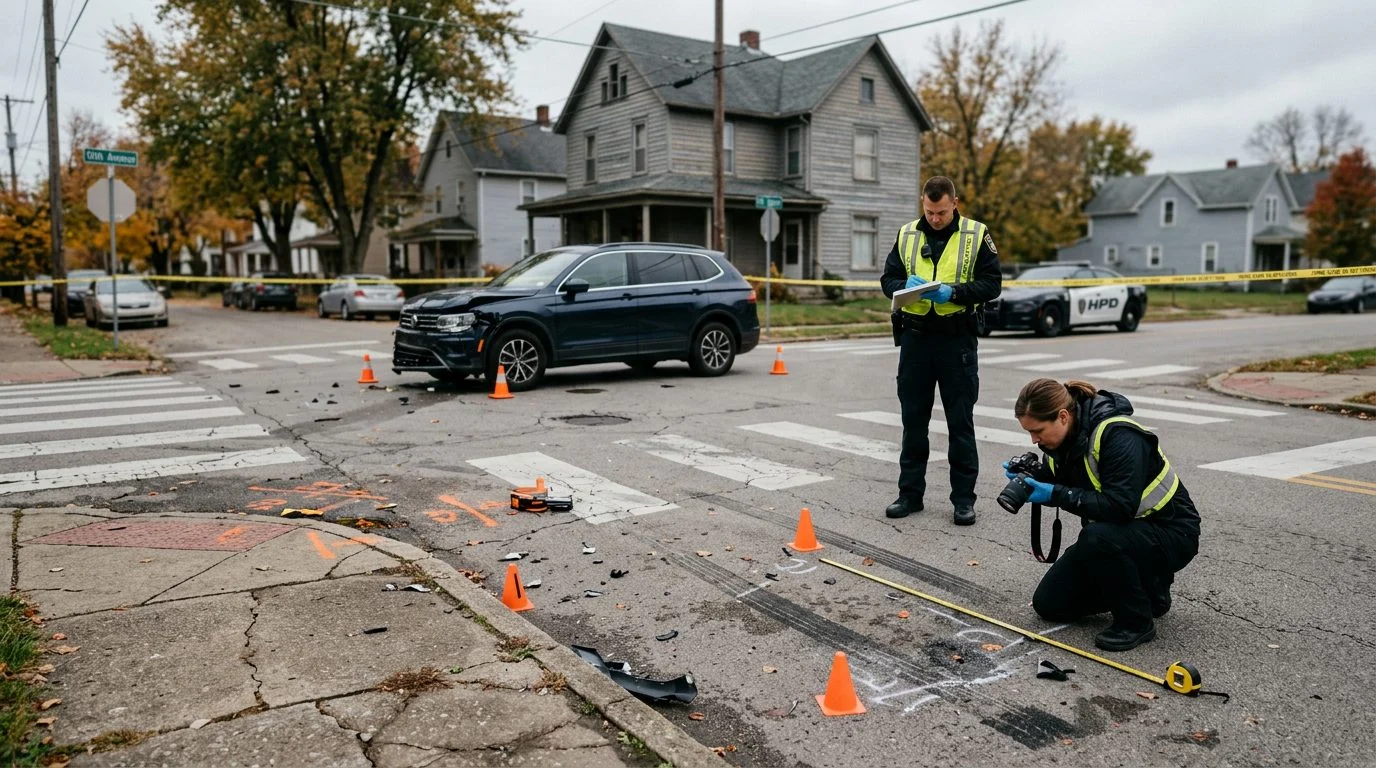
Car accidents often cause TBI when the driver or passenger’s head strikes the steering wheel, dashboard, windshield, or side window during impact. High-speed collisions and sudden deceleration can also cause the brain to move inside the skull, tearing nerve fibers even if the head doesn’t strike anything.
Truck accidents involve greater force and higher speeds. A collision with a commercial truck, a rollover, or an underride crash (where a smaller vehicle slides under a truck’s trailer) can cause severe TBI due to the massive energy involved.
Commercial vehicle accidents may involve multiple vehicles, cargo shifts, or secondary collisions that increase the risk of head trauma and brain injury.
In each scenario, the force of impact or the violent movement of the head inside the skull causes the injury—and symptoms may not appear immediately.
Signs and Symptoms of Traumatic Brain Injury
Symptoms of TBI vary by severity and may appear right away or develop over hours or days:
Immediate symptoms include loss of consciousness, confusion, severe headache, dizziness, nausea, or vomiting.
Short-term symptoms (days to weeks) include memory problems, difficulty concentrating, mood changes, sensitivity to light or sound, sleep disturbance, and irritability.
Long-term symptoms (weeks to months or longer) include persistent headaches, ongoing cognitive difficulties, personality changes, anxiety, depression, and problems with balance or coordination.
If you were in an accident and experience any of these symptoms—even if they seem mild—seek medical attention immediately. Some brain injuries worsen without prompt care.
Do People With TBI Go Back to Normal?
Recovery from traumatic brain injury depends on the severity of the injury and the individual. Mild TBI (concussion) often improves within weeks to months with proper rest and medical care. Many people return to their normal activities.
Moderate to severe TBI involves a longer recovery. Rehabilitation—including physical therapy, occupational therapy, speech therapy, and cognitive rehabilitation—is often necessary and can last months or years. Some people regain most or all of their function; others experience permanent changes in memory, attention, emotion, or physical ability.
Recovery is not always linear. Progress may plateau, and some symptoms may persist indefinitely. Early medical care, consistent rehabilitation, and family support improve outcomes, but there is no guarantee of a full return to pre-injury function.
Have questions about what happened?
Ask our team directly. The first conversation is free, confidential, and there is no obligation to continue.
Does TBI Qualify for Disability?
Severe traumatic brain injury can result in permanent disability that affects your ability to work, manage daily tasks, or live independently. Disability may be temporary (during active recovery) or permanent (if lasting impairment remains).
If your TBI is severe enough, you may qualify for Social Security Disability Insurance (SSDI) or other benefits. However, the application process is lengthy and often requires extensive medical documentation.
More importantly, if another driver, company, or property owner caused your accident through negligence, they may be legally responsible for your injury and its costs. This is separate from disability benefits—it is a civil claim for damages caused by someone else’s wrongdoing.
Medical Care and Treatment for Traumatic Brain Injury
Immediate care after a head injury includes emergency room evaluation, imaging (CT scan or MRI), and close monitoring for complications like bleeding or swelling.
During the acute phase, treatment focuses on rest, medication to manage symptoms (pain, nausea, sleep problems), and observation. Hospitalization may be necessary for moderate to severe injuries.
Rehabilitation is central to recovery. Physical therapy restores strength and balance. Occupational therapy helps you relearn daily skills. Speech therapy addresses communication and swallowing problems. Cognitive rehabilitation helps restore memory, attention, and problem-solving.
Long-term management includes ongoing medical follow-up, mental health support (counseling or therapy), lifestyle adjustments, and sometimes assistive devices or home modifications.
The Cost of Traumatic Brain Injury
The financial burden of TBI is substantial:
- Emergency care, hospitalization, and imaging can cost tens of thousands of dollars.
- Rehabilitation and therapy may continue for months or years, adding up to hundreds of thousands.
- Lost wages during recovery and potential long-term income loss if you cannot return to work.
- Ongoing medical needs, adaptive equipment, and home modifications.
- Caregiver support if the injury leaves you unable to care for yourself.
If your traumatic brain injury resulted from someone else’s negligence—a reckless driver, a negligent trucking company, or an unsafe roadway—the at-fault party may be responsible for these costs through a personal injury claim.
In West Virginia, a personal-injury lawsuit must generally be filed within two years after the right to bring the claim has accrued, and exceptions may apply. Additionally, West Virginia follows a modified comparative fault rule: an injured person’s damages are reduced by their percentage of fault, but they are barred from recovery only if their fault is greater than 50%. This means even if you share some responsibility for the accident, you may still recover damages if the other party bears more fault.
Want to know where you stand?
Tell us what happened and our team will walk you through the options available to you, at no cost.
When to Contact a Personal Injury Attorney
If you or a family member suffered a traumatic brain injury in a car, truck, or commercial vehicle accident in Huntington or elsewhere in West Virginia, reaching out to a lawyer early is important. An attorney can:
- Investigate the accident and identify who was at fault.
- Preserve evidence (photos, witness statements, vehicle data) before it disappears.
- Gather medical records and expert opinions to document the severity of your injury.
- Calculate the full cost of your care, including future medical needs and lost income.
- Handle negotiations with insurance companies and, if necessary, file a lawsuit.
- Protect your rights and ensure you are not pressured into a settlement that undervalues your claim.
You don’t have to navigate this alone. If another party’s negligence caused your traumatic brain injury, you deserve compensation for your medical care, rehabilitation, lost wages, and the lasting impact on your life.
If a car, truck, or commercial vehicle accident caused your traumatic brain injury in Huntington, you may have a legal claim for your medical care and recovery costs—reach out to tell us what happened.
Related practice areas
- Traumatic Brain Injury from Car and Truck Accidents in West Virginia
- Brain Injury Settlement vs. Trial in West Virginia
- Traumatic Brain Injury Attorney Charleston, WV | Big Bubba