
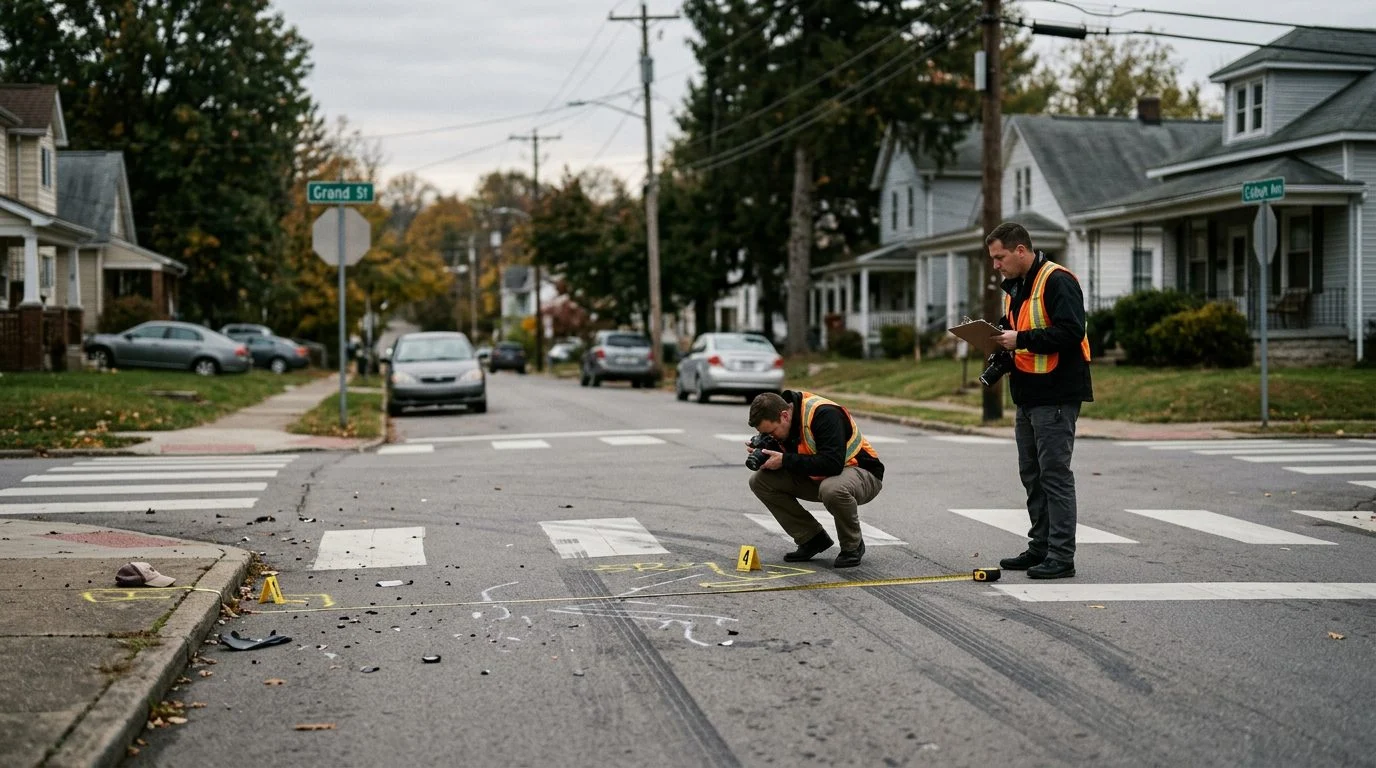
Traumatic Brain Injury
Traumatic Brain Injury in Morgantown, West Virginia
If a car or truck accident left you with a head injury, you need to understand what happened to your brain and what comes next.
Published October 05, 2026
A traumatic brain injury (TBI) is a bump, blow, or jolt to the head that changes how the brain normally works. TBIs range from mild (concussion) to severe, with effects that may appear right away or develop over hours and days. If you’ve been in a car or truck accident in Morgantown and hit your head, understanding what a TBI is and how it affects you matters—both for your health and your legal rights.
What Is a Traumatic Brain Injury?
A traumatic brain injury occurs when sudden impact, acceleration, or penetrating trauma damages brain tissue and disrupts normal brain function. TBIs fall into two broad types: penetrating (when an object pierces the skull and enters the brain) and closed (from impact or acceleration without skull penetration). Most vehicle accidents cause closed TBIs.
TBI severity varies widely. A mild TBI (concussion) may cause brief confusion or headache. A moderate TBI can lead to longer periods of unconsciousness or memory loss. A severe TBI can result in prolonged unconsciousness, lasting cognitive problems, or permanent disability. Critically, TBI severity is not always obvious at first—you may feel fine immediately after the accident and develop serious symptoms hours or days later.
Not sure what your next step is?
Talk it through with our team — the first case review is free, confidential, and carries no obligation.
How Do Car and Truck Accidents Cause Traumatic Brain Injury?
Vehicle collisions cause TBI through sudden deceleration and impact. When a car or truck stops abruptly, your head and body lurch forward or sideways. Your brain, suspended in cerebrospinal fluid inside the skull, moves and shifts with that force. The brain may strike the inside of the skull, causing bruising, bleeding, or tearing of nerve fibers.
Commercial truck accidents carry heightened TBI risk. Trucks are heavier and move faster than passenger vehicles, so the force of impact is far greater. A side-impact collision, rollover, or head-on crash with a truck can cause severe TBI even at moderate speeds.
Airbag deployment, steering wheel impact, side-window contact, and whiplash (rapid back-and-forth neck movement) are common TBI scenarios in accidents. Importantly, TBI can occur even without loss of consciousness or visible head wounds. Many people walk away from accidents feeling okay, only to experience symptoms later.
Signs and Symptoms of Traumatic Brain Injury
Immediate symptoms after a head injury in an accident include:
- Headache or pressure in the head
- Confusion or disorientation
- Dizziness or loss of balance
- Nausea or vomiting
- Loss of consciousness (even briefly)
- Memory loss of the accident or events before or after
Delayed symptoms may emerge hours or days after the accident:
- Mood changes (irritability, sadness, anxiety)
- Sleep disturbance (sleeping too much or too little)
- Difficulty concentrating or thinking clearly
- Sensitivity to light or noise
- Fatigue or low energy
- Difficulty with coordination or fine motor tasks
Symptoms vary widely from person to person. Some people experience only a few; others have many. The absence of loss of consciousness does not mean you don’t have a TBI. If you hit your head in an accident and develop any of these symptoms, seek medical evaluation promptly. A doctor can order imaging (CT scan, MRI) and perform neurological tests to assess your injury.
Have questions about what happened?
Ask our team directly. The first conversation is free, confidential, and there is no obligation to continue.
Long-Term Effects of Traumatic Brain Injury
Recovery from TBI is unpredictable. Some people recover fully within weeks. Others experience lasting effects that persist for months or years.
Cognitive effects include memory problems, difficulty with attention and concentration, slower processing speed, and trouble with decision-making or problem-solving. These changes can affect your ability to work, manage finances, or care for yourself.
Physical effects may include chronic headaches, balance problems, fatigue, weakness, seizures, or sensitivity to light and sound. You may need ongoing medical care, physical therapy, or occupational therapy.
Emotional and behavioral changes are common and often underestimated. You may experience depression, anxiety, irritability, or personality shifts that strain relationships and affect your quality of life.
The financial and personal costs are substantial. Lifetime care costs for a traumatic spinal cord injury range from $2.1 million to $6.4 million, depending on severity and age at injury. TBI costs are similarly high when you factor in emergency care, imaging, rehabilitation, ongoing therapy, lost wages, and home modifications.
Why You Need Legal Help After a Traumatic Brain Injury
TBI cases are complex. Insurance companies often underestimate them because the injury is not always visible on the surface. A person with a broken leg has a cast; a person with a TBI may look fine while struggling cognitively or emotionally.
Proving a TBI claim requires medical evidence—imaging results, neuropsychological testing, doctor testimony—showing that the accident caused your injury and that the injury has lasting effects. You’ll need to document all medical treatment, therapy, lost income, and other damages.
An injury attorney experienced in TBI cases can:
- Gather and organize medical records and expert opinions
- Calculate the full cost of your care, including future treatment
- Negotiate with insurance adjusters who may try to minimize your claim
- Pursue fair compensation for medical expenses, lost wages, pain and suffering, and reduced quality of life
- Represent you if your case goes to trial
In West Virginia, a personal-injury lawsuit generally must be filed within two years after the right to bring the action accrued, under W. Va. Code § 55-2-12, and exceptions may apply. You also have the right to pursue damages under West Virginia’s modified comparative fault rule, which allows recovery even if you are partly at fault, as long as your fault does not exceed the combined fault of all other parties.
Want to know where you stand?
Tell us what happened and our team will walk you through the options available to you, at no cost.
Tell Big Bubba What Happened
Big Bubba handles traumatic brain injury cases from car and truck accidents across West Virginia, including Morgantown. A free case review means you share what happened—the accident, your injuries, your symptoms—and Big Bubba evaluates whether you have a claim and what it may be worth.
There is no cost to discuss your case and no obligation to proceed. Big Bubba will listen, answer your questions, and explain your options.
Frequently Asked Questions
Can you have a TBI without losing consciousness? Yes. Many people with TBI never lose consciousness. Symptoms like headache, confusion, memory loss, or difficulty concentrating can indicate a TBI even if you stayed awake.
How long does TBI recovery take? Recovery varies. Some people recover fully in weeks; others experience lasting effects for months or years. Severity, age, overall health, and quality of rehabilitation all affect recovery.
What should I do right after a car accident if I hit my head? Seek medical attention. Tell the doctor you hit your head and describe any symptoms. Get imaging and neurological tests. Keep all medical records and report your symptoms to your doctor even if they develop later.
Why do insurance companies undervalue TBI claims? Because TBI is often invisible. Unlike a broken bone, a TBI doesn’t show on an X-ray in an obvious way. Insurance adjusters may assume you’re fine if you don’t have a visible injury, so you need medical evidence and legal representation to prove your claim.
Related practice areas
- Traumatic Brain Injury from Car and Truck Accidents in West Virginia