

Traumatic Brain Injury
Traumatic Brain Injury in Weirton: What You Need to Know
After a serious accident, a brain injury can change everything. We help Weirton residents understand what happened and pursue the support they deserve.
Published October 05, 2026
Traumatic Brain Injury in Weirton, West Virginia: Legal Help After a Crash
A traumatic brain injury (TBI) is a bump, blow, or jolt to the head that changes how the brain works. If you’ve been in a car or truck accident in Weirton, understanding what a TBI is, how it develops, and when to seek legal help can protect your health and your rights.
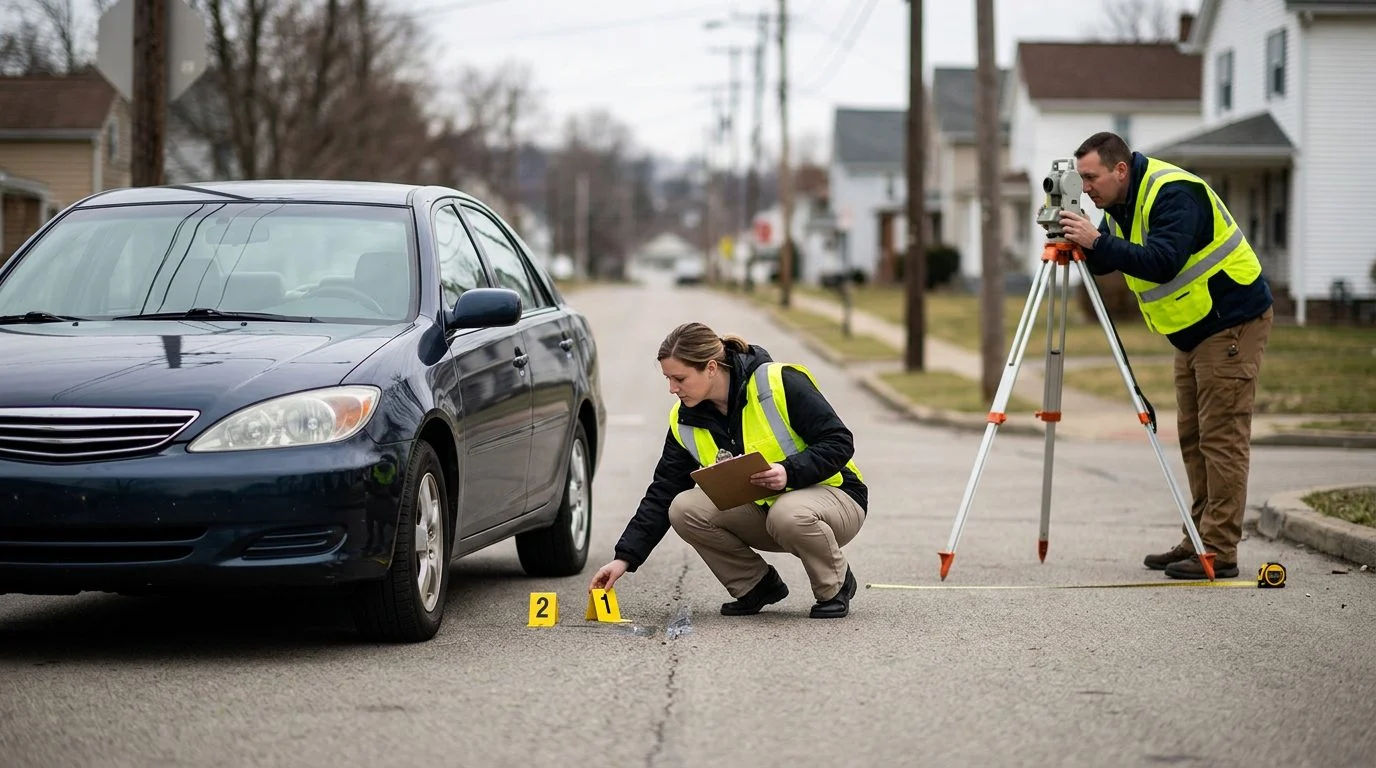
If your traumatic brain injury resulted from another driver's negligence or a commercial vehicle operator's error, you may have a legal claim. Talk it through with our team — the first case review is free, confidential, and carries no obligation.
What Is a Traumatic Brain Injury?
A traumatic brain injury occurs when sudden impact or force damages brain function. TBIs fall into two broad categories: closed head injuries and penetrating injuries.
In a closed head injury, the brain moves inside the skull without any visible wound. This is the most common type in vehicle accidents. The skull doesn’t break, but the brain shifts and sustains damage from the force of impact or sudden deceleration.
A penetrating injury happens when an object pierces the skull and enters brain tissue. While less common in car accidents, penetrating TBIs can occur in high-speed collisions or when debris enters the vehicle.
Severity ranges from mild to severe. A mild TBI—often called a concussion—is still serious. “Mild” does not mean symptom-free. Many people with mild TBI experience real, lasting effects. Moderate and severe TBIs can cause permanent disability.
Symptoms may appear immediately after an accident or develop over hours or days. This delayed onset is why medical evaluation is critical even if you feel okay right after the crash.
How Car and Truck Accidents Cause Traumatic Brain Injury
Vehicle accidents cause traumatic brain injury through two main mechanisms: direct impact and sudden deceleration.
Direct impact occurs when your head strikes the steering wheel, dashboard, side window, or headrest. Even at moderate speeds, a direct blow to the head can cause serious brain injury.
Sudden deceleration happens when a vehicle stops abruptly. Your body may be restrained by a seatbelt, but your brain continues moving forward inside the skull. This movement can tear brain tissue and cause bleeding or swelling.
High-speed collisions and multi-vehicle crashes carry greater TBI risk. Truck accidents often cause more serious injuries than passenger-car crashes because commercial vehicles are heavier and generate more force on impact.
In Weirton, accidents involving trucks, highway collisions, and multi-car pileups are common sources of traumatic brain injury. Even a lower-speed accident can cause TBI if the head impact is direct or if the deceleration is sudden and forceful.
Immediate Symptoms and Early Warning Signs
After a head injury in an accident, watch for these acute symptoms:
- Loss of consciousness (even briefly)
- Confusion or disorientation
- Headache
- Dizziness
- Nausea or vomiting
- Sensitivity to light or sound
- Difficulty staying awake
- Slurred speech
Not everyone loses consciousness after a TBI. Many people with serious brain injuries remain awake and alert. The absence of unconsciousness does not mean there is no injury.
Seek medical evaluation immediately after an accident, even if you feel okay. Some symptoms appear hours or days later. Delayed symptoms—such as worsening headache, confusion that develops later, or memory problems—are common and warrant urgent care.
Do not wait to see if symptoms go away on their own. Early medical documentation strengthens both your health recovery and any future legal claim.
Not sure what your next step is?
Talk it through with our team — the first case review is free, confidential, and carries no obligation.
Long-Term Effects of Traumatic Brain Injury
Traumatic brain injury can cause lasting changes across multiple areas of function.
Cognitive effects include memory loss, difficulty concentrating, slowed thinking, and impaired judgment. You may struggle to follow conversations, make decisions, or remember new information.
Physical effects include chronic headaches, balance problems, fatigue, sleep disturbance, and in some cases, seizures. These can persist for months or years.
Emotional and behavioral changes such as mood swings, irritability, anxiety, depression, and personality changes are common. You may feel like a different person.
Recovery from traumatic brain injury is unpredictable. Some people recover fully within weeks or months. Others face permanent disability and require ongoing medical care, therapy, and support for years. The long-term impact depends on the injury’s severity, your age, overall health, and the quality of early treatment.
Medical Evaluation and Documentation
Proper diagnosis and documentation are essential for both your recovery and your legal case.
CT scans and MRI imaging are used to diagnose and assess the severity of traumatic brain injury. Your doctor may also order neuropsychological testing, which evaluates memory, attention, processing speed, and other cognitive functions.
Medical records are critical evidence in a personal injury case. They document the injury, its severity, your symptoms, and your treatment. Early and thorough medical records strengthen any claim for compensation.
If possible, seek care from a neurologist or trauma specialist. These physicians have training in brain injury and can provide detailed assessment and documentation.
When to Reach Out to a Lawyer About Your Traumatic Brain Injury
If your traumatic brain injury resulted from another driver’s negligence or a commercial vehicle operator’s error, you may have a legal claim. The at-fault party’s insurance may owe compensation for medical bills, lost wages, pain and suffering, and ongoing care costs.
TBI cases are complex. They often require medical testimony to explain the injury, its cause, and its long-term impact. An early conversation with a lawyer helps you understand your rights and protect your claim.
West Virginia law generally allows two years from when the right to bring a personal-injury claim accrues to file a lawsuit, and exceptions may apply (W. Va. Code § 55-2-12). Do not wait until the deadline approaches. Reaching out early gives you time to gather evidence, obtain medical records, and build a strong case.
West Virginia follows a modified comparative fault rule: you can recover damages even if you are partially at fault for the accident, as long as you are not more than 50% responsible (W. Va. Code § 55-7-13c). Your recovery is reduced by your percentage of fault. This rule can work in your favor if the other party shares blame.
We Serve Weirton Injury Victims
We handle car accident and truck accident cases involving traumatic brain injury across West Virginia, including Weirton. We offer a free case review to discuss what happened, your injuries, and your legal options.
There is no fee unless we recover compensation for you. You are responsible for court costs and case expenses.
If a car or truck accident left you with a head injury and symptoms that won’t go away, you may have a legal claim. Reach out to discuss your situation and learn what your case may be worth.
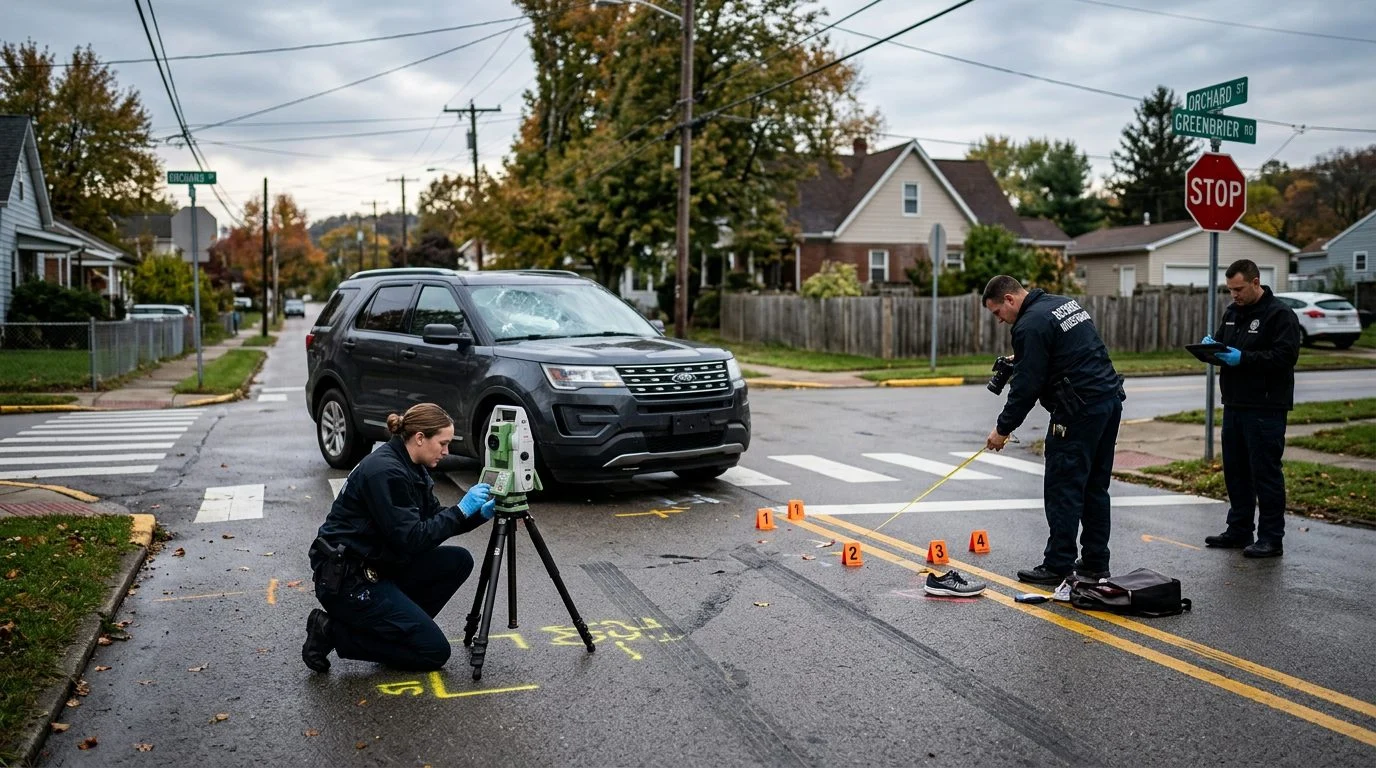
Have questions about what happened?
Ask our team directly. The first conversation is free, confidential, and there is no obligation to continue.
Frequently Asked Questions
What’s the difference between a concussion and a traumatic brain injury?
A concussion is a type of mild TBI. All concussions are TBIs, but not all TBIs are concussions. Concussions result from a bump or blow to the head and can cause real, lasting symptoms even though they’re classified as “mild.”
Can symptoms of TBI appear days after an accident?
Yes. Many TBI symptoms develop hours or days after the accident. Delayed symptoms like worsening headache, confusion, or memory problems are common and warrant immediate medical attention.
How do I know if I have a legal claim for a traumatic brain injury?
If the accident was caused by another driver’s negligence or a commercial vehicle operator’s error, you likely have a claim. A free case review can help you understand your options.
What is the statute of limitations for a TBI case in West Virginia?
West Virginia generally allows two years from when the right to bring a personal-injury claim accrues to file a lawsuit, and exceptions may apply (W. Va. Code § 55-2-12). Do not wait until the deadline approaches.
Related practice areas
- Traumatic Brain Injury from Car and Truck Accidents in West Virginia
- Traumatic Brain Injury in West Virginia
- Car Accidents in Charleston
- Traumatic Brain Injury in Huntington