
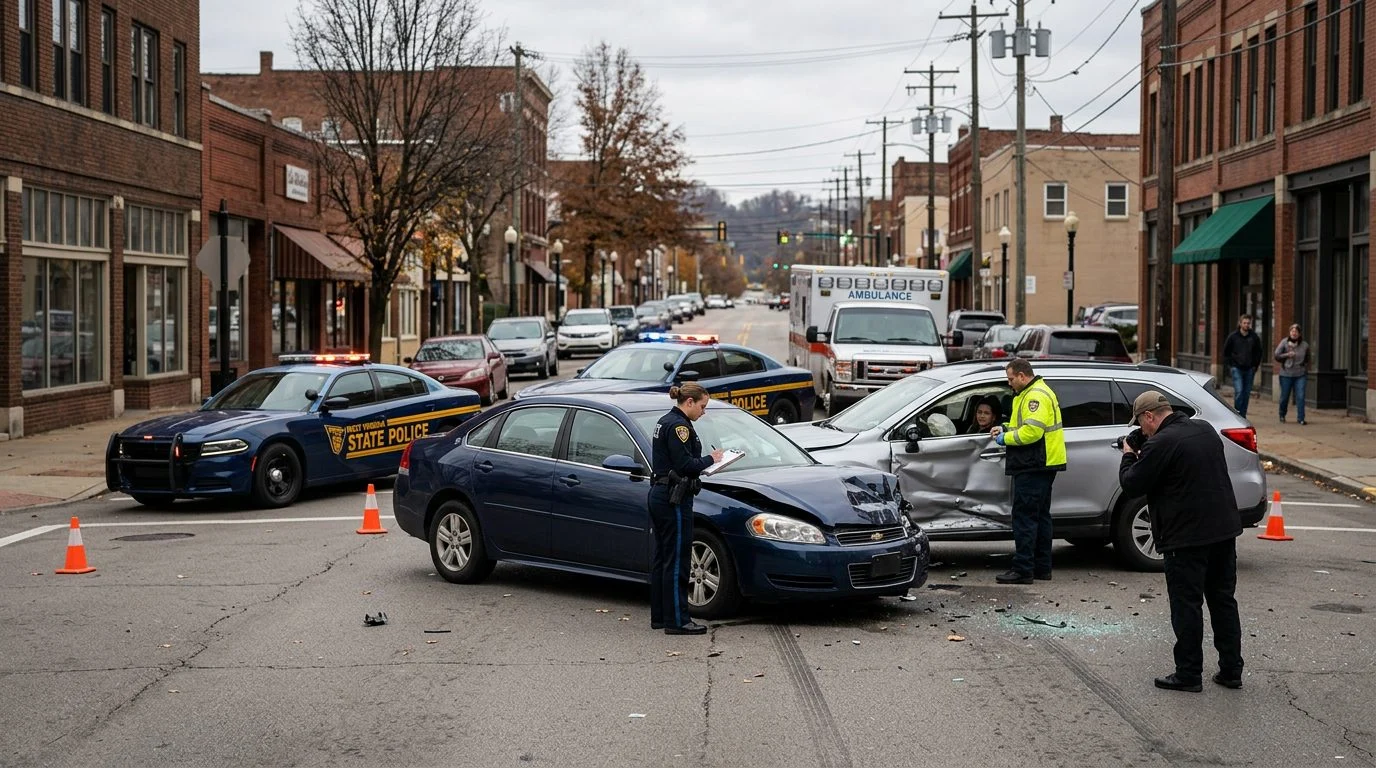
Crash guidance for West Virginia families
What Does "No-Fault" Mean After a Crash?
Insurance paperwork can read like a foreign language. Here is a calm, plain-language way to sort out the terms before you respond to anyone.
Published November 18, 2026
Someone you love was just in a crash, and an insurance letter uses the words “no-fault.” That’s a hard moment to decode legal terms.
The label describes how that first layer of payment works. It does not decide who was careless. Below, we explain how no-fault and at-fault states differ and what that means in West Virginia.
What no-fault means in plain terms
No-fault describes how early crash benefits get paid, not who was careless.
Many people hear this term for the first time after a crash, when they have the least time to learn it. Think of it as two steps. Step one is your own coverage. Step two is any claim against the driver who caused the harm, and that step works differently from state to state.
The goal of step one is faster help.
The term describes an insurance system, not a finding of blame. The same crash can be handled under different rules depending on where it happened.
If a crash has left someone you love hurt and the insurance letters don't make sense, you don't have to sort them out alone; request a free case review to talk it through. Talk it through with Big Bubba — the first case review is free, confidential, and carries no obligation.
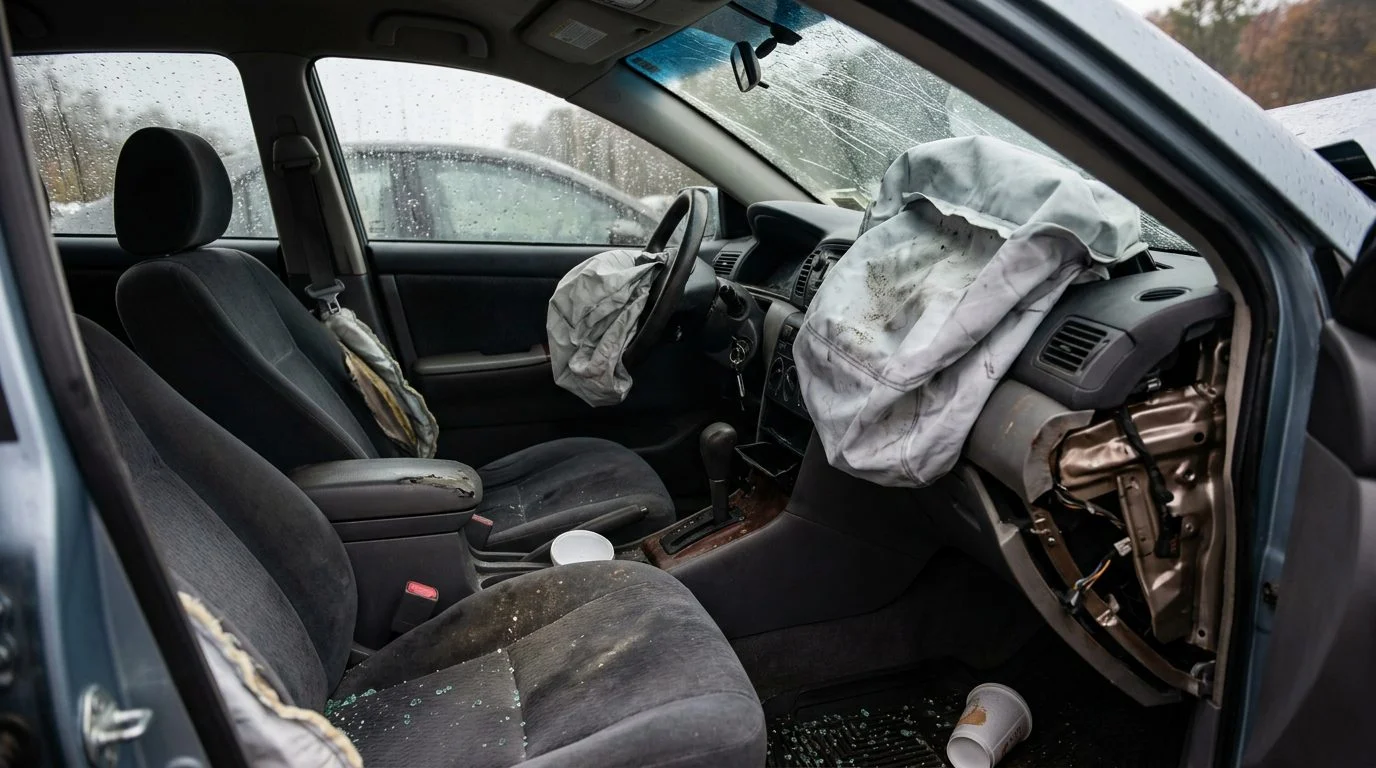
How no-fault insurance works after a crash
The most common piece is personal injury protection, often called PIP. PIP is the part of a policy that commonly pays medical bills and some wage loss. How much it pays depends on the limits set by state law and by your policy. Check your PIP limits now, before you need them.
A common mistake is waiting. Start the claim early, and keep every bill, pay stub and treatment note. Ask your insurer which forms it needs, and write down the claim number and the name of the person handling your file.
Which states use no-fault systems
Several states use some form of no-fault insurance, and each sets its own rules. Some mix no-fault features with traditional fault rules, so a simple label may not tell the whole story.
Because the rules are set state by state, the crash location usually matters most.
Insurance terms appear in several places: the declarations page, the policy form and letters from your insurer. These documents can use different words for the same coverage. Write down each term you don’t understand, and ask about it before you sign anything.
Your declarations page lists your limits and coverages in one place. It is a useful starting point after any crash, because it shows what you carry.
How at-fault states differ
In an at-fault state, the driver who caused the crash is generally responsible for the other person’s damages. These states are also called tort states.
The injured person generally makes a claim against the responsible driver’s liability insurance. Liability coverage pays for harm the at-fault driver caused, up to the policy limits. Liability insurance is separate from your own PIP coverage.
If the claim can’t be settled fairly, a lawsuit may be an option. Some insurers may dispute a claim, so the evidence matters.
Fault often comes down to details, such as who had the right of way, the speed of each vehicle, or whether a lane change was involved. Under W. Va. Code § 55-7-13a, fault is split by percentage among everyone involved. Each person’s share is set in direct proportion to that person’s percentage of fault.
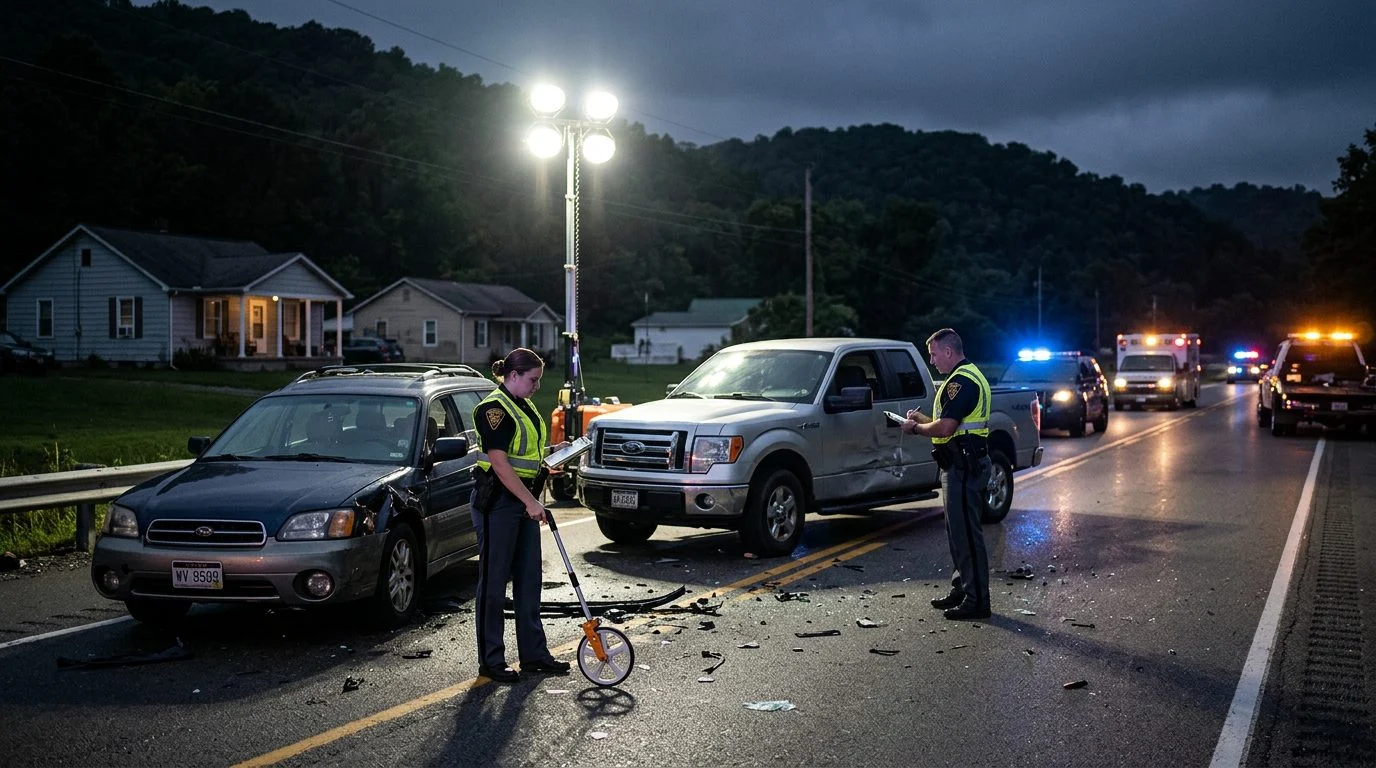
The crash report is early evidence. Under W. Va. Code § 17c-4-7, a law-enforcement officer who investigates a motor vehicle crash resulting in bodily injury, death, or total property damage to an apparent extent of $1,000 or more must prepare a crash report within 24 hours after finishing the investigation. The officer must also, within 24 hours of a motor vehicle crash, share each driver’s owner, operator and insurance information with the other involved parties and their insurance agents, at no cost, upon request. How fault is weighed may depend on the facts.
Where West Virginia fits
West Virginia is generally an at-fault state.
Under the state’s comparative fault rules, your own share of fault doesn’t bar recovery unless it is greater than the combined fault of everyone else responsible. If your share is less, your recovery is reduced by that share, as explained in W. Va. Code § 55-7-13c.
State law also sets minimum insurance. Under W. Va. Code § 17d-4-2, the proof-of-financial-responsibility amounts for motor vehicles are $25,000 for one person’s injury or death in one accident, $50,000 for two or more people, and $25,000 for property damage. The West Virginia Offices of the Insurance Commissioner also publishes the mandatory limits.
Those minimums set a floor, not a ceiling. They may not cover all losses after a serious injury.
For most personal injury claims, West Virginia generally allows two years from when the right to sue arises, and exceptions may apply, under W. Va. Code § 55-2-12. Watch that date closely from the start.
Why the difference matters after a brain or spinal cord injury
After a serious brain or spinal cord injury, insurance questions can last as long as medical care does. That’s why knowing which coverage pays first, and what limits apply, matters.
Medical records that document diagnosis and treatment can matter for that reason.
PIP limits can run out. When they do, other coverage may matter. That can include the at-fault driver’s liability policy and your own uninsured or underinsured motorist coverage. W. Va. Code § 33-6-31 sets out those coverage options. How they apply varies with the details of each claim.
Traumatic brain injury and spinal cord injury claims often involve detailed medical records and ongoing treatment. A family member may track bills, appointments and insurance letters in one place, which helps everyone see the full picture.
A common mistake is assuming the first letter from an insurer is the final word. Don’t assume one policy tells the whole story. Gather every letter and bill as it arrives.
Not sure what your next step is?
Talk it through with Big Bubba — the first case review is free, confidential, and carries no obligation.
Tell Bubba what happened
The term no-fault can add confusion when you’re already handling hospital bills and a loved one’s recovery. Which insurer pays first, and whether a claim against another driver is possible, depends on the state, the crash, and the injuries involved.
We handle car accident, truck accident and commercial vehicle crash claims. We also handle catastrophic injury, traumatic brain injury, spinal cord injury and wrongful death cases. We serve injury victims across West Virginia.
If you’re weighing what to do next, you don’t have to sort out the insurance letters alone. Request a free case review to talk through where the crash happened, your coverage, and the injuries in front of you.
Bring the crash report number, the insurance letters and any discharge papers you have. Those details help the conversation start from facts.
Related practice areas
- Traumatic Brain Injury from Car and Truck Accidents in West Virginia
- Who Is at Fault in a Rear-End Collision in West Virginia?