
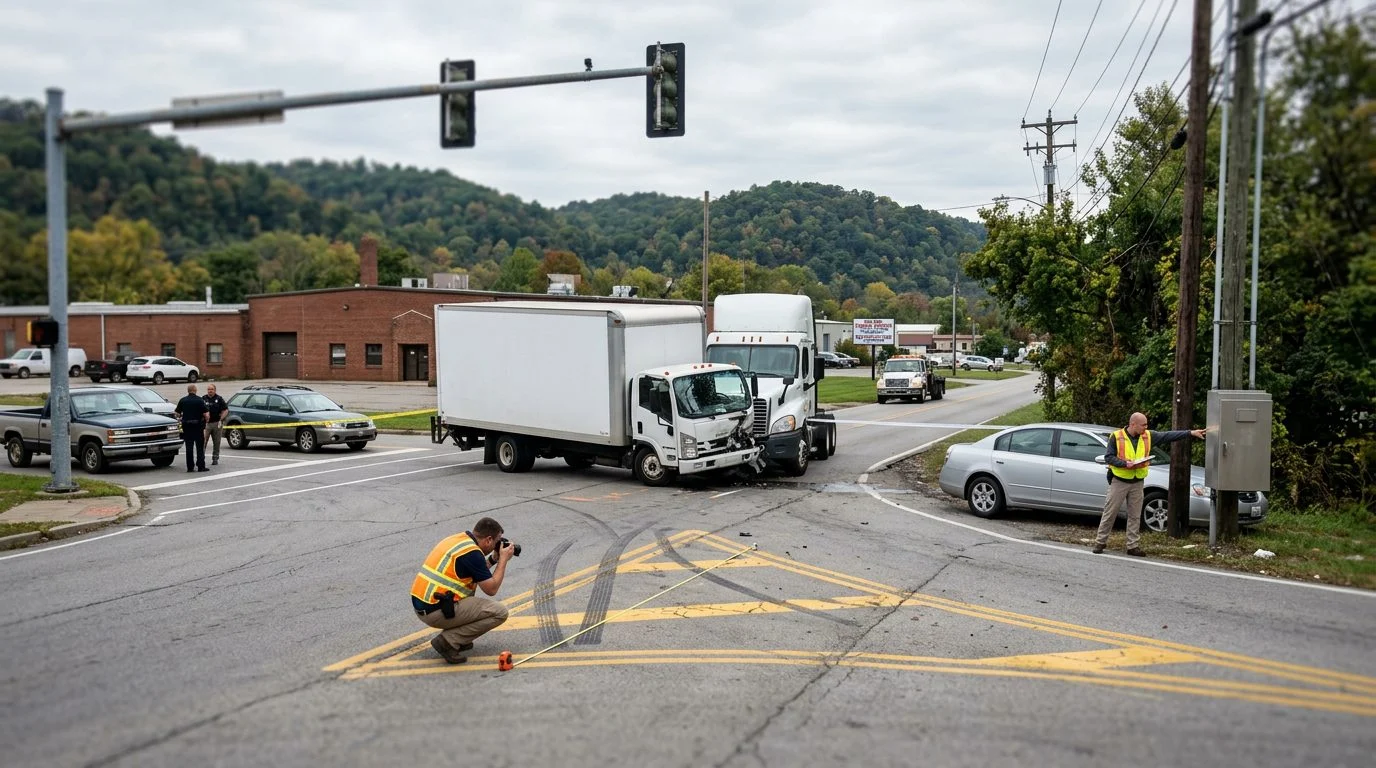
Auto Accident Claims in West Virginia
Why Every Auto Accident Claim Is Valued Differently
A plain-language look at what shapes the value of a crash claim, and how the firm can help you understand your own situation.
Published November 20, 2026
When bills are piling up and time off work is hard to afford, many people ask how an auto accident claim is valued.
The short answer is that no single standard payout applies to auto accident claims in West Virginia. Each claim is judged on its own losses, injuries and evidence. This page explains what shapes that value and how the process generally works.
Why There Is No Single Standard Payout for an Auto Accident
No fixed schedule sets the value of an auto accident claim. Two crashes that look alike can produce very different claims, because the injuries, losses and proof are different.
Value is judged case by case. The key questions are what losses the injured person suffered and how much another person may be responsible for them. Insurers, lawyers and courts all look at the same basic question: what the crash really took, in money and in daily life.
Looking for a standard figure is a reasonable first step when money worries are real. Understanding the process can help you decide what to do next.
Public numbers are also hard to find for a legal reason. W. Va. Code § 55-7-25 says a personal injury or wrongful death complaint may not state a specific dollar amount for the damages sought. Where a case ends up depends on the facts, so no single figure fits every crash.
If a crash, a serious injury or a death in your family has you searching for answers, you can reach out to Big Bubba for a free case review. Talk it through with Big Bubba — the first case review is free, confidential, and carries no obligation.

The Types of Losses an Auto Accident Claim May Include
A claim may include economic losses and non-economic losses. Both depend on what the crash took from the injured person.
Economic losses are the money losses you can document. These may include medical bills, future medical care, lost wages and a reduced ability to earn. Keep bills, pay stubs and work notes.
Non-economic losses are harder to put on paper. They can include physical pain, emotional distress and loss of enjoyment of life. A jury or judge weighs these based on the evidence.
Wrongful death claims work differently. Under W. Va. Code § 55-7-6, the action is brought by the decedent’s personal representative. Under W. Va. Code § 55-7-6, the jury must set forth separately in its verdict the amount of damages, if any, awarded for reasonable funeral, hospital, medical and other expenses caused by the wrongful act, neglect or default. These can cover sorrow and mental anguish, lost income and services, care and treatment expenses, and reasonable funeral expenses.
The court or jury may also direct how damages are shared, after making provision for the funeral, hospital, medical and other expenses described above, among a surviving spouse, children, including adopted children and stepchildren, brothers, sisters, parents and any persons who were financially dependent on the person who died or would otherwise be equitably entitled to share in such distribution. If an injured person dies while a claim is pending, W. Va. Code § 55-7-8a says the action may be revived in favor of the personal representative.
Factors That Commonly Shape the Value of a Claim
The main factors are injury severity, proof of fault, available insurance and how the injury connects to the crash.
Injury severity. Serious harm such as traumatic brain injury and spinal cord injury often needs detailed medical records. Those records show the diagnosis, treatment and daily limits. Some effects may take time to become clear.
Proof of fault. West Virginia compares fault. Under W. Va. Code § 55-7-13c, a plaintiff’s fault generally does not bar recovery unless it is greater than the combined fault of all others responsible. If it is less, recovery is reduced in proportion to the plaintiff’s share of fault.
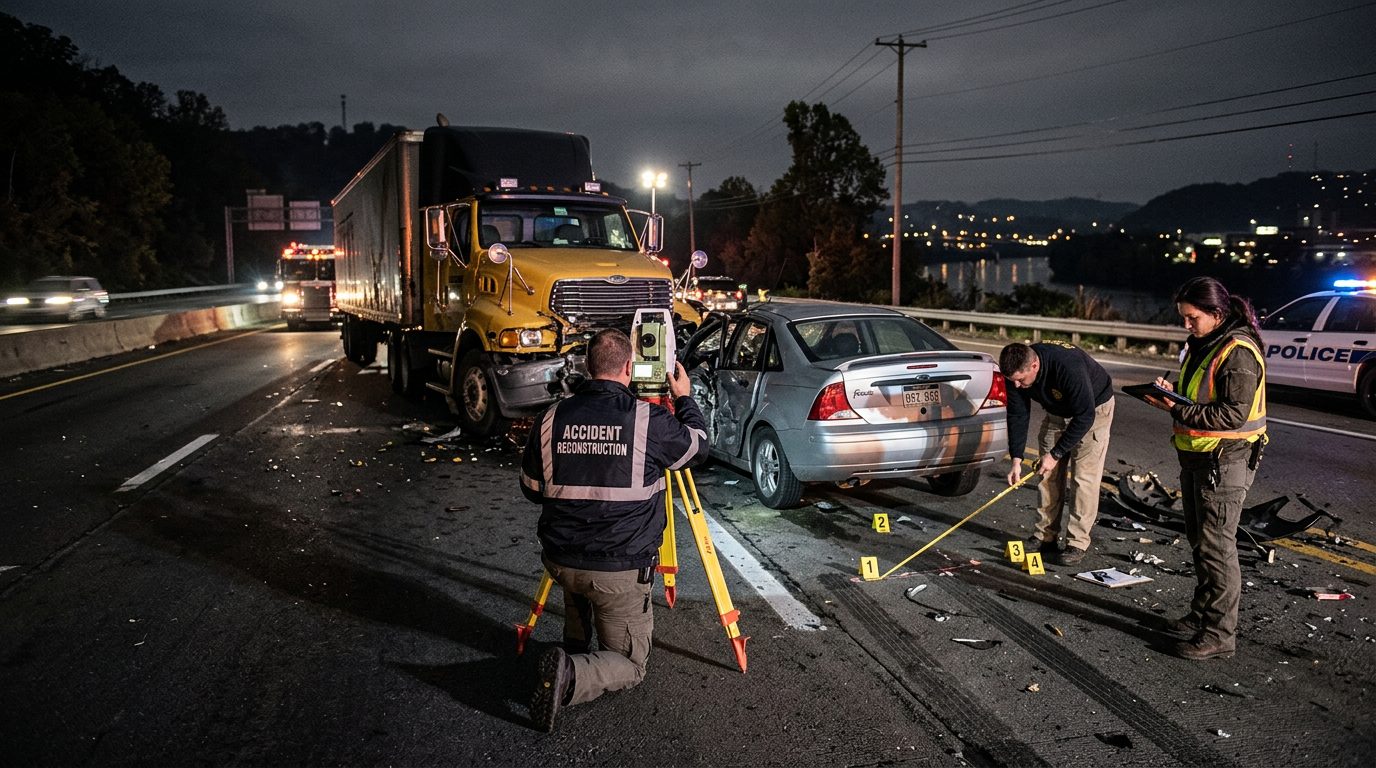
Police reports, witness statements, photos and vehicle damage may help show what happened. If another driver was at fault, these records may matter a great deal. Conduct such as reckless driving may also be relevant to fault.
Insurance. Questions about the insurance involved in a crash often come up, and you can reach out to the firm to discuss them. Uninsured and underinsured motorist coverage may apply in some cases under W. Va. Code § 33-6-31.
Prior conditions. Old health problems can complicate a claim. Records help show what existed before the crash and what the crash may have caused.
Commercial trucks. A crash with a commercial vehicle can involve more than one responsible party. West Virginia’s high court has said an employer may be answerable for an employee’s negligent act within the scope of employment, as in Zirkle v. Winkler.
How the Auto Accident Claim Process Generally Unfolds
Most claims follow a general sequence: notice to insurers, record gathering, crash investigation, documenting losses, and a written demand.
Notice comes first. The insurers involved are told about the crash and the claim. Then records are gathered, including police reports, medical charts and wage information.
Investigators or adjusters may ask for a recorded statement. Your words can be used later, so it may help to think carefully before you speak.
Documenting losses takes time. Medical treatment, follow-up visits and work limits all add to the file.
Next comes a demand, a written request for a settlement amount. Negotiations can take time, and the length of each step depends on the facts, the injuries and the parties involved.
If a fair resolution is not reached, some claims move into a lawsuit. A lawsuit adds court deadlines and a formal exchange of evidence, called discovery. Keep copies of everything you send and receive.
Why an Early Insurance Offer May Not Reflect the Full Picture
An early offer may come before the full extent of an injury is known. That can mean it does not cover the full losses.
Some insurers may dispute a claim or offer less than the full value of losses. An offer is a starting point, not a final answer.
Injuries such as traumatic brain injury can show lasting effects over time. Medical follow-up can help document them.
West Virginia also limits early settlement contact.
Before you sign anything, read it closely. A release may limit what you can seek later.
Deadlines to Know Before Pursuing an Auto Accident Claim
West Virginia generally allows two years to file a personal injury lawsuit, and exceptions may apply (W. Va. Code § 55-2-12).
Under W. Va. Code § 55-2-12, a personal injury action must generally be brought within two years after the right to sue accrues. Property damage claims fall under the same two-year period.
For wrongful death, W. Va. Code § 55-7-6 generally requires filing within two years after the death, subject to other rules that may apply.
Missing a deadline can affect whether a claim can be pursued. That is why timing deserves early attention, even while medical care is ongoing.
Both sets of dates matter. Dates are easy to lose track of after a crash, so write them down.
Not sure what your next step is?
Talk it through with Big Bubba — the first case review is free, confidential, and carries no obligation.
Talking With the Firm About Your Situation
Many people reading this are dealing with a crash that changed their household. Others are researching for a parent, spouse or child who was hurt or died.
Big Bubba handles car accident, truck accident and commercial vehicle claims. The firm also handles catastrophic injury, traumatic brain injury, spinal cord injury and wrongful death matters. We serve injury victims across West Virginia.
Is there a standard payout when a lawyer sues for an auto accident?
No single figure applies. Each claim’s value depends on its own losses, injuries and evidence.
Does the at-fault driver’s insurance matter?
It may. The at-fault driver’s coverage can affect what insurance is available, and other coverage may apply in some cases.
If a crash, a serious injury or a death has you asking these questions, you can reach out to Big Bubba for a free case review. It is confidential, and it carries no obligation to continue. Contact Big Bubba to talk about your situation.