
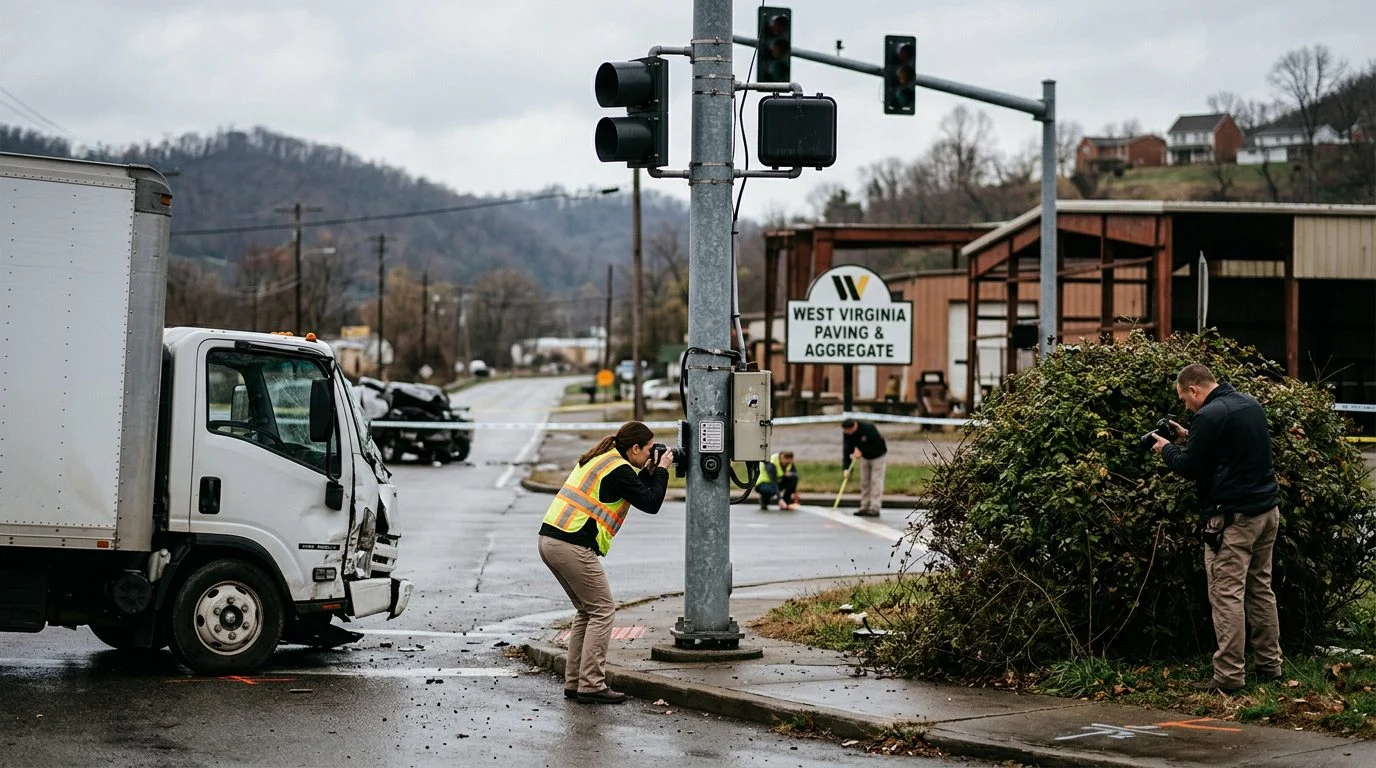
West Virginia Property Damage Claims
Don't Let the Calendar Catch You Off Guard After a Crash
Vehicle damage brings repair bills, rental questions, and paperwork all at once. Knowing how timing works helps you decide what to do first.
Published November 18, 2026
A crash can total your car and leave you wondering what comes next. The first question many people ask is how long they have to act.
In West Virginia, the statute of limitations for property damage generally gives you two years from when the right to sue accrues. That two-year rule is in W. Va. Code § 55-2-12. Exceptions may apply, so the exact date depends on your facts.
The short answer: the general deadline for property damage in West Virginia
West Virginia generally allows two years to file a claim for damage to property. The rule comes from subsection (a) of W. Va. Code § 55-2-12, which covers a personal action for damage to property. Subsection (b) of the same section sets two years for personal injuries. Subsection (c) sets one year for a narrow group of other matters.
A statute of limitations is a deadline set by law. It starts running when the right to bring the action accrues. The exact start date depends on the facts of your case.
Treat two years as a starting point, not a finish line. Other provisions may pause or extend the period in certain situations. The sections below explain the most common ones.
Not sure what your next step is?
Talk it through with Big Bubba — the first case review is free, confidential, and carries no obligation.

When the clock starts after a crash
The crash report is the simplest proof of that date. W. Va. Code § 17c-4-7 requires the investigating officer to prepare a report within 24 hours after finishing the investigation. That rule covers crashes on public streets or highways of this state involving injury, death, or total property damage to an apparent extent of $1,000 or more. If the investigation runs past 10 days, a preliminary report is due on the 10th day. The same statute says the officer must provide owner, operator, and insurance information, upon request, to each of the other involved parties and to each party’s insurance agents, at no cost, within 24 hours of the crash, whether or not the accident report has been completed. Ask for it early.
Some damage shows up later, such as a frame problem found at a repair shop. Whether a later discovery changes the start date depends on the facts.
Keep the crash date, the report number, the tow receipt, photos, and repair estimates together. Waiting to gather these can make the timeline harder to prove later. Discarding a damaged part before anyone photographs it can make the damage harder to prove, too.
Property damage versus injury claims from the same crash
One crash can produce a property damage claim and an injury claim at the same time. The two sit in different subsections of W. Va. Code § 55-2-12, so check each one on its own.
Your vehicle, a phone, or a car seat counts as property. A broken arm or a head injury falls under injury claims. Both carry a two-year starting point, but the facts that start each clock can differ. A person may have an injury claim running on one calendar and a vehicle claim on another. Put both dates on the same page so neither gets missed.
Fault matters too. Under W. Va. Code § 55-7-13a, comparative fault is expressed as a percentage, and in any action for personal injury, property damage, or wrongful death, liability is allocated in direct proportion to each person’s percentage of fault. If another driver was at fault, your own share of fault may affect what you can recover. That is one more reason to start the calendar early.
Insurance claim deadlines are not the same as the lawsuit deadline
An insurance claim deadline and the court filing deadline are separate. The insurer’s process follows your policy and its own timing. The court deadline follows state law.
Some insurers may dispute a claim, ask for more records, or take time to respond. Whether anything else changes it depends on the facts.
If the other driver cannot be identified, or is uninsured, coverage may apply. W. Va. Code § 33-6-31 describes uninsured motorist coverage that may pay sums you are legally entitled to recover for damage to property. If the other driver is unknown, the statute sets out conditions that must be met, including notifying your insurer within sixty days after the accident. Whether these conditions apply to your claim depends on the facts, so check them promptly.
The Insurance Information Institute explains that these coverages protect drivers when the at-fault driver lacks adequate insurance. Read your own policy and note every deadline in it.
Exceptions, tolling and very old claims
Generally, the two-year period bars a claim filed after it runs out. Some exceptions may apply, so an older crash is not always closed.
Can you sue years later? Generally, a claim filed after the period runs is barred, but the law has exceptions. Under W. Va. Code § 55-2-15, if the person with the right to sue was an infant (a minor) or insane when the right accrued, the action may be brought within the same number of years after that person reaches full age or becomes sane, for any personal action other than an action described in subsection (a) of this section, which covers sexual assault or sexual abuse. That extra time is capped at 20 years from when the right accrues.
Another provision may help after a lawsuit is dismissed. Under W. Va. Code § 55-2-18, a party may refile within one year after an involuntary dismissal not based on the merits, if the first filing was timely. An example is a dismissal for failure to have process served on time.
These are general rules, and each one has conditions. Whether any of them applies to your crash depends on the facts and the timing.
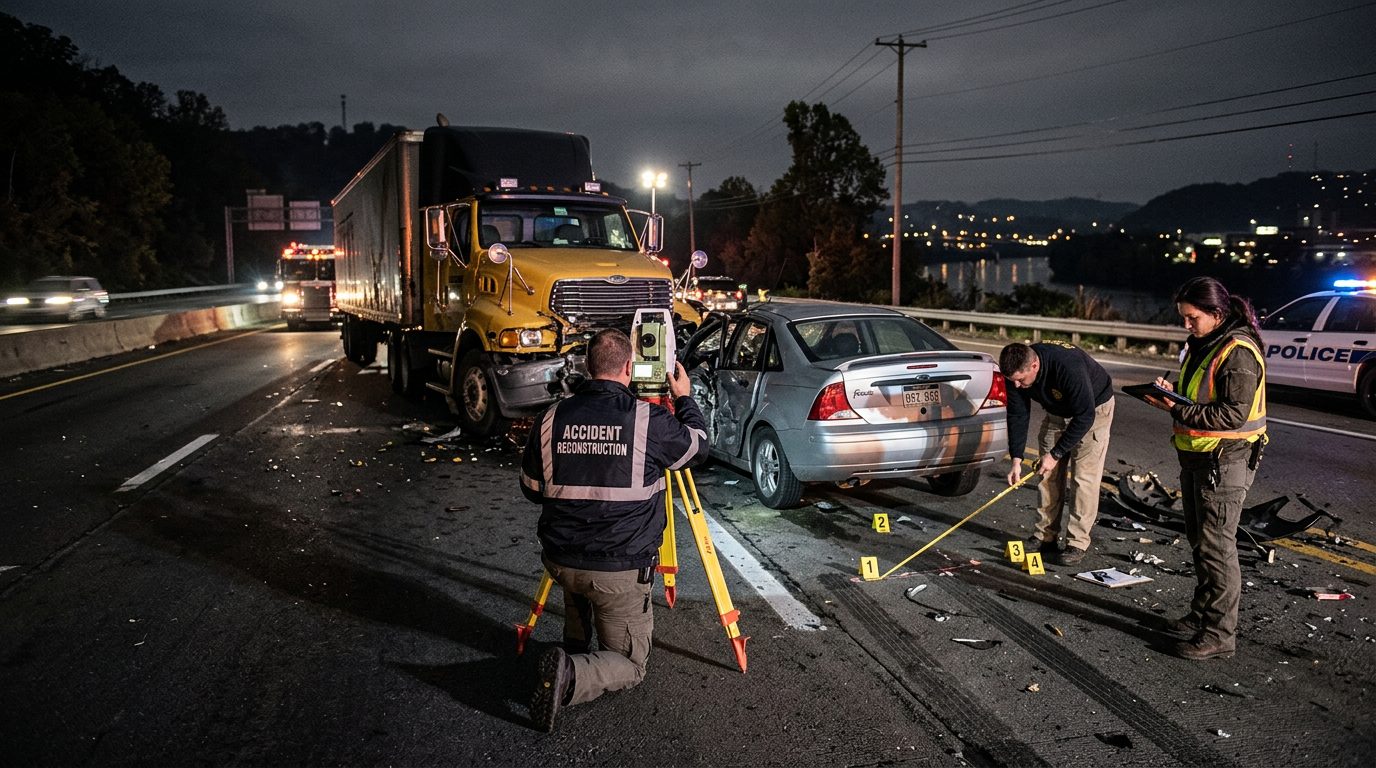
Deciding what to do next when a deadline is in view
The clearest next step is to write down the crash date and the damage while the details are fresh.
You may be dealing with a damaged vehicle, calls from an adjuster, and a calendar you did not pick. Some readers are looking this up for a parent or spouse. Starting with the facts helps everyone involved.
Gather what you already have: the crash report, the insurance information the officer gave you, photos, the tow bill, and any repair or total-loss estimates. Write down each date you received a letter or call. Then compare those dates against the two-year rule and any deadlines in your policy (W. Va. Code § 55-2-12).
If a crash left you with damage and an open question about your deadline, the firm can help you think it through. We serve injury and crash victims across West Virginia. You can request a free case review, which is confidential, and decide for yourself whether to move forward.