
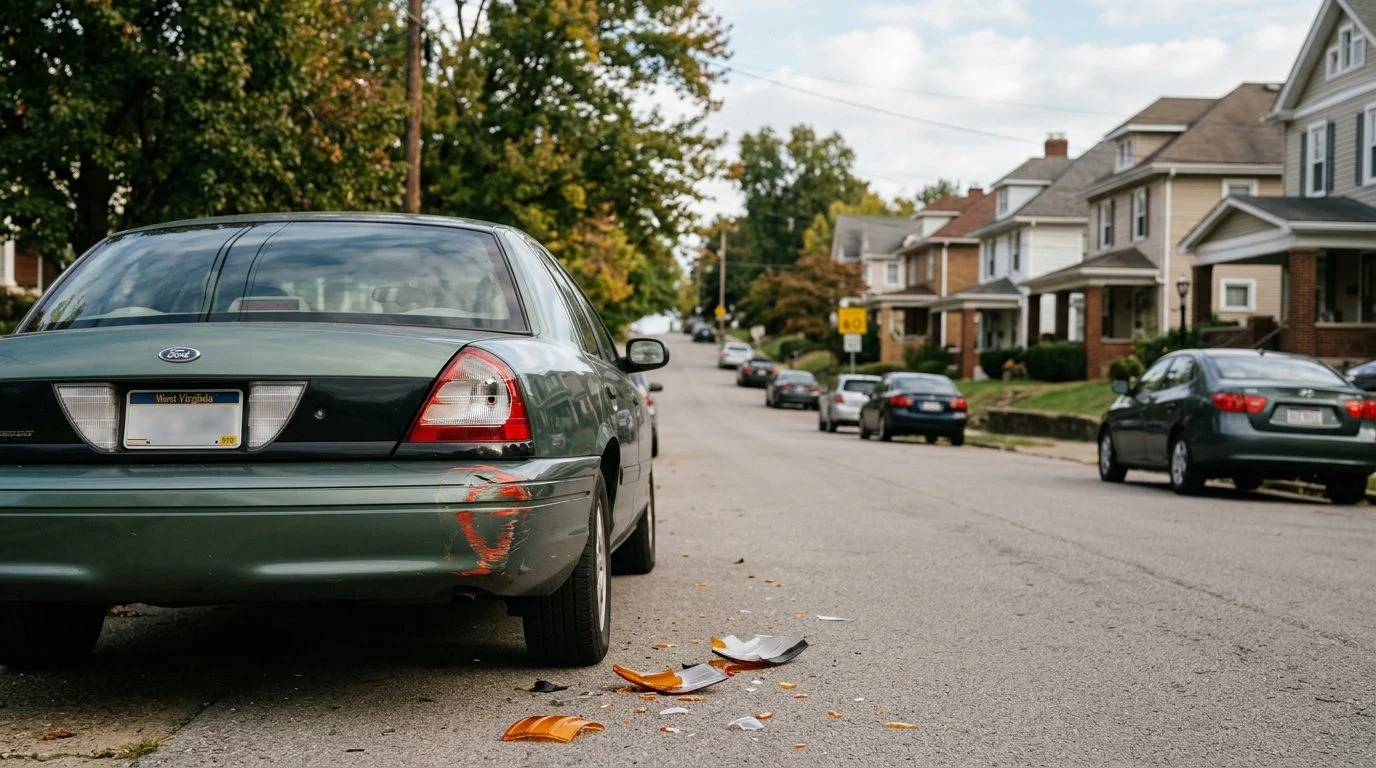
Hit-and-Run Crashes in West Virginia
Hit by a Driver Who Drove Away? Insurance May Still Help
We help West Virginians sort out which coverage may apply after a crash, and how to document the claim.
Published November 13, 2026
A driver hit you and kept going. Now there are hospital bills, missed work, and an insurance company to deal with. Insurance may still pay, but the answer depends on which coverage applies and how the claim is documented.
Short answer: insurance may still pay after a driver leaves the scene
Yes, insurance may still pay for your medical care and lost income when a driver leaves the scene. The driver’s flight does not automatically end your injury claim. Usually three coverage sources are worth checking. Your own auto policy may include medical payments coverage. Uninsured motorist coverage may apply if the other driver cannot be found or insured. If another driver was at fault, that driver’s liability policy may also be an option. Some insurers may dispute a claim, so early records matter.
Here is how each route works in practice. Your own policy pays according to its terms, which you should review now. Uninsured motorist coverage pays what you can legally recover from an uninsured driver, but recovery is subject to the conditions set out in the statute. A liability policy generally pays only when another driver was at fault and that driver is identified. Each route has its own paperwork, so keep track of which one you are pursuing.
If a driver left you hurt and you're unsure which coverage applies, we invite you to request a free case review with our team. Talk it through with Big Bubba — the first case review is free, confidential, and carries no obligation.

Why leaving the scene changes the insurance picture
Leaving the scene usually makes the at-fault driver harder to identify and claim against. When the other driver is gone, a claim against that driver’s liability policy may not be possible. That is why your own coverage often becomes central. Criminal charges against the driver are a separate matter. A criminal case runs on its own track, and it does not by itself decide who pays your medical bills or vehicle repairs.
Your claim still needs evidence. Police reports, photos of the scene, and medical records all help show what happened. If you can’t identify the driver, write down anything you remember: the vehicle’s color, make, a partial plate, and which way it turned. Do it as soon as you can, while the details are fresh.
Some families first learn about the crash from police. Others learn only after a hospital bill arrives. Either way, the early steps matter. A driver who is found later may still face a claim, and the timing can change which policy responds. Our car accident page covers the wider claim process.
Uninsured motorist coverage and unidentified drivers
Uninsured motorist coverage can be an important tool in these cases. West Virginia law makes recovery under uninsured motorist coverage subject to the conditions set forth in the section, and deems a motor vehicle uninsured if its owner or operator is unknown.
Some policies may require prompt notice to your insurer. They may also ask for proof that the crash happened, such as a police report, photos, or witness contact information. Read the uninsured motorist section of your policy closely. Look for the limits you chose and any notice rules.
Property damage has its own clock. Ask your insurer in writing how your coverage applies to repairs and rental car needs. The West Virginia mandatory insurance limits page explains the state’s required auto limits and optional coverages.
Medical care, delayed symptoms, and lost wages
Get a medical evaluation after any crash, even if you feel fine at first. Some head and spinal injuries may not show clear symptoms right away. A medical record made soon after the crash can help connect your treatment to the collision. Gaps in treatment may give an insurer a reason to question the claim, so follow through on referrals. Missed appointments can be used the same way, so reschedule quickly if you must miss one.
A simple symptom journal can help. Write down headaches, dizziness, pain, sleep problems, and how each feels from day to day. Note which activities you could not do. The details help your doctor, and they help show how the crash affected your daily life.
Keep every bill, insurance explanation, and receipt. For lost wages, save pay stubs, a note from your employer about missed shifts, and a simple log of time away from work. The amount an insurer pays depends on your policy and the facts of your case. Family members can help by writing down symptoms and appointment dates as they happen.
What not to tell your insurance company
Stick to short, factual answers about when, where, and how the crash happened. Avoid guessing about speed, fault, or how badly you are hurt. A guess given in good faith may still be used later. You may be asked for a recorded statement. Before you give one, ask what it is for and what the claim covers.
West Virginia law sets special rules for the first twenty days after an injury.
Insurers may send forms, medical release requests, or questions by phone. Answer what is asked and take time to review anything you are unsure about. Keep copies of everything you sign or send. Dates, names, and written replies help you track what was said. Signing a release can limit later claims, so read every page before you sign.

Time limits and taking the next step
West Virginia generally allows two years to file a personal injury lawsuit, and exceptions may apply. W. Va. Code § 55-2-12 sets that two-year period for personal injury claims. For a wrongful death claim, W. Va. Code § 55-7-6 generally requires filing within two years after the death. The same statute says a personal representative brings the case, and the jury’s verdict shall include, but may not be limited to, damages for sorrow, mental anguish, and solace, which may include the society, companionship, comfort, guidance, kindly offices and advice of the decedent; reasonably expected loss of income and of services, protection, care and assistance; expenses for the care, treatment and hospitalization of the decedent; and reasonable funeral expenses. Because deadlines are easy to miss, check them early.
Evidence matters too. Save photos of your vehicle and the scene. Ask nearby businesses about security video, which may be erased after a short time. Write down witness names.
If a driver drove away and left you hurt, you may be carrying pain, bills, and questions you never expected. You don’t have to sort out your coverage alone. We serve injury victims across West Virginia. Reach out to us through our contact page to request a free case review of your situation.