

Wrongful Death | Car Accidents | West Virginia
After a Fatal Crash: A Checklist for West Virginia Families
Some steps can help protect your family's options while you grieve. Here is what to gather, and how to reach out to Big Bubba.
Published November 14, 2026
If someone you love died in a car or truck crash, you may be planning a funeral and sorting paperwork at the same time. This wrongful death car accident checklist for West Virginia families helps you take the next steps one at a time.
The short answer: protect the crash evidence, gather the records, and check the filing deadline early. West Virginia generally allows two years from the date of death to file, and exceptions may apply (W. Va. Code § 55-7-6).
What This Checklist Covers and Who It Helps
This checklist is for family members of someone killed in a car or commercial truck crash in West Virginia. It shows what to gather, what to check, and what to ask first. Some items may not apply to your family, and that’s okay.
West Virginia law generally allows a claim when a wrongful act, neglect, or default causes a death, even though the injured person has died. W. Va. Code § 55-7-5
Work through each item and mark it yes, no, or not sure. A no or not sure is simply a to-do.
The firm handles wrongful death claims arising from car and commercial truck crashes. We serve injury victims across West Virginia.
If your loved one also had a brain or spinal cord injury before death, tell the firm early, because those records can matter.
If you answered yes to most items, or you're unsure about a deadline, you don't have to sort this out alone. Talk it through with Big Bubba — the first case review is free, confidential, and carries no obligation.
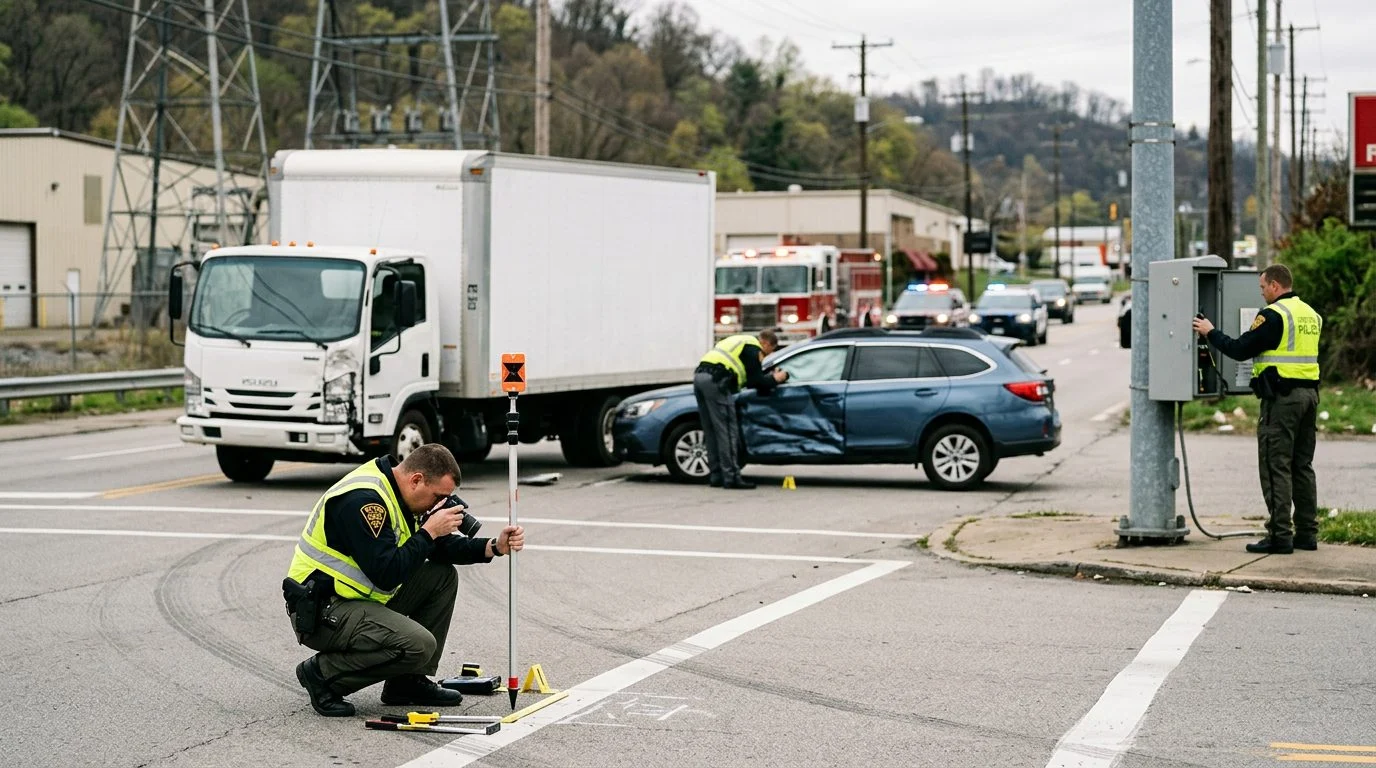
Checklist Part 1: Evidence From the Crash Scene
Evidence from the scene helps show how the crash happened and who may be responsible.
- Do you have the crash report number? The investigating agency’s report records the basic facts. Next step: ask for a copy and write the number down.
- Were photos, video, or notes made at the scene? Phone and dashcam video can be lost. Next step: save the original files and don’t edit them.
- Do you know any witnesses’ names? Memories fade fast. Next step: write down each name, phone number, and what that person saw.
- Do you know where the vehicle is? Vehicles are often moved, repaired, or sold. Next step: ask the storage yard in writing to keep it, and keep a copy of your letter.
- Do you have the other driver’s insurance details? On a truck, the company name may differ from the driver’s employer. Next step: photograph any company name, unit number, or carrier information.
West Virginia generally uses a modified comparative fault system. Each person’s share of responsibility is set in direct proportion to that person’s percentage of fault. W. Va. Code § 55-7-13a
For a company truck, the state’s definition of an “employer defendant” may include the owner, the employer, and anyone who controls the vehicle or driver. Under federal trucking safety rules, a motor carrier subject to the requirements of this part must require each driver to record the driver’s duty status for each 24-hour period, except for a private motor carrier of passengers (nonbusiness).
Checklist Part 2: Medical, Coroner, and Death Records
Medical and death records show the timeline of care and how the death was recorded.
- Do you have the EMS run report and hospital records? These show when care started and what providers recorded. Next step: request copies from each provider.
- Do you have the death certificate and the medical examiner or coroner’s report? These records document the cause and circumstances of death. Next step: request certified copies from the office that issued them.
- Do you know the names of the treating doctors or trauma team? Names help sort the records. Next step: list each name, department, and date of care.
- Do you have records of injuries before death, such as brain or spinal cord injuries? Injuries that lasted before death can be part of the timeline. Next step: gather those records in date order.
- Have you received releases or requests for a recorded statement? Some insurers may ask for these early. Next step: read every form and ask questions before signing or speaking on the record.
Keep originals in one folder and bring copies to a free case review.
Checklist Part 3: Who May Bring a Claim and the Deadlines
In West Virginia, a wrongful death claim is generally brought by the personal representative appointed for the person who died. W. Va. Code § 55-7-6
- Has a personal representative been appointed? This is the person formally named to handle the estate. The appointment may be made in this state, in another state, territory or district of the United States, or in a foreign country; if it was made outside this state, the representative must post a $100 bond, with a corporate surety authorized to do business in this state, at the time of filing the complaint, and the circuit court may increase or decrease the amount of the bond for good cause. Next step: check the estate paperwork and write down the name and date. Next step: check the estate paperwork and write down the name and date.
- Are you a spouse, child, parent, or sibling? The law lists who may share in any damages, including spouses, children, parents, siblings, and people financially dependent on the person who died. Next step: list each eligible family member and how they were related.
- Do you know the date of death? West Virginia generally allows two years from the date of death to file, and exceptions may apply. W. Va. Code § 55-7-6 Next step: write that date on your calendar and mark it to check first.
- Did the person suffer injuries before dying? West Virginia law may allow a separate claim for damages between the injury and the death. W. Va. Code § 55-7-8 Next step: note the date of injury as well as the date of death.
Checklist Part 4: Losses Your Family May Need to Document
West Virginia law lists the kinds of losses a wrongful death verdict may include. W. Va. Code § 55-7-6
- Do you have funeral and burial bills and receipts? Reasonable funeral expenses are one category the law names. Next step: keep every receipt and invoice together.
- Do you have the income records of the person who died? Pay stubs and tax returns can show expected lost income. Next step: gather recent pay stubs and returns.
- Can you describe the household services the person provided? Childcare, home repairs, and caregiving are examples. Next step: write a short list of those tasks and who handles them now.
- Can you describe the loss of guidance, companionship, or comfort? The law refers to sorrow, mental anguish, and solace, which may include these. Next step: keep a simple journal if it helps.
- Do you have medical bills from care before death? Care and hospital costs tied to the injury may be included. Next step: collect paid and unpaid bills in one folder.
Frequently Asked Questions
Families usually ask about proof, who can file, deadlines, and trucks.
How do families prove a wrongful death claim?
Proof usually comes from the crash report, medical and death records, and witness information. The details depend on the facts of each crash.
Who can bring the claim?
The personal representative generally brings the claim, and eligible family members may share in any damages. W. Va. Code § 55-7-6
How long do families have to file?
West Virginia generally allows two years from the date of death, and exceptions may apply (W. Va. Code § 55-7-6).
What if a company truck was involved?
State law may treat the truck’s owner, employer, or controlling company as an employer defendant. W. Va. Code § 55-7-32 Driver logs and maintenance records may also be relevant.
What should I do first?
Save the evidence, request the crash report and death records, and write down witness names and insurance contacts.
Do I need every item before I reach out?
No. Start with the items you can reach now, and bring the rest as you find them.
Not sure what your next step is?
Talk it through with Big Bubba — the first case review is free, confidential, and carries no obligation.

What to Share When You Describe Your Family’s Situation
If you answered yes to most items, or you’re unsure about a deadline, you don’t have to sort this out alone. Many families reach this point while still grieving and planning a funeral. The firm can review what you’ve gathered so far and explain which items may matter for your family’s situation. When you’re ready, contact the firm to request a free case review. You can tell Big Bubba what happened in your own words, and bring this checklist and your records.