
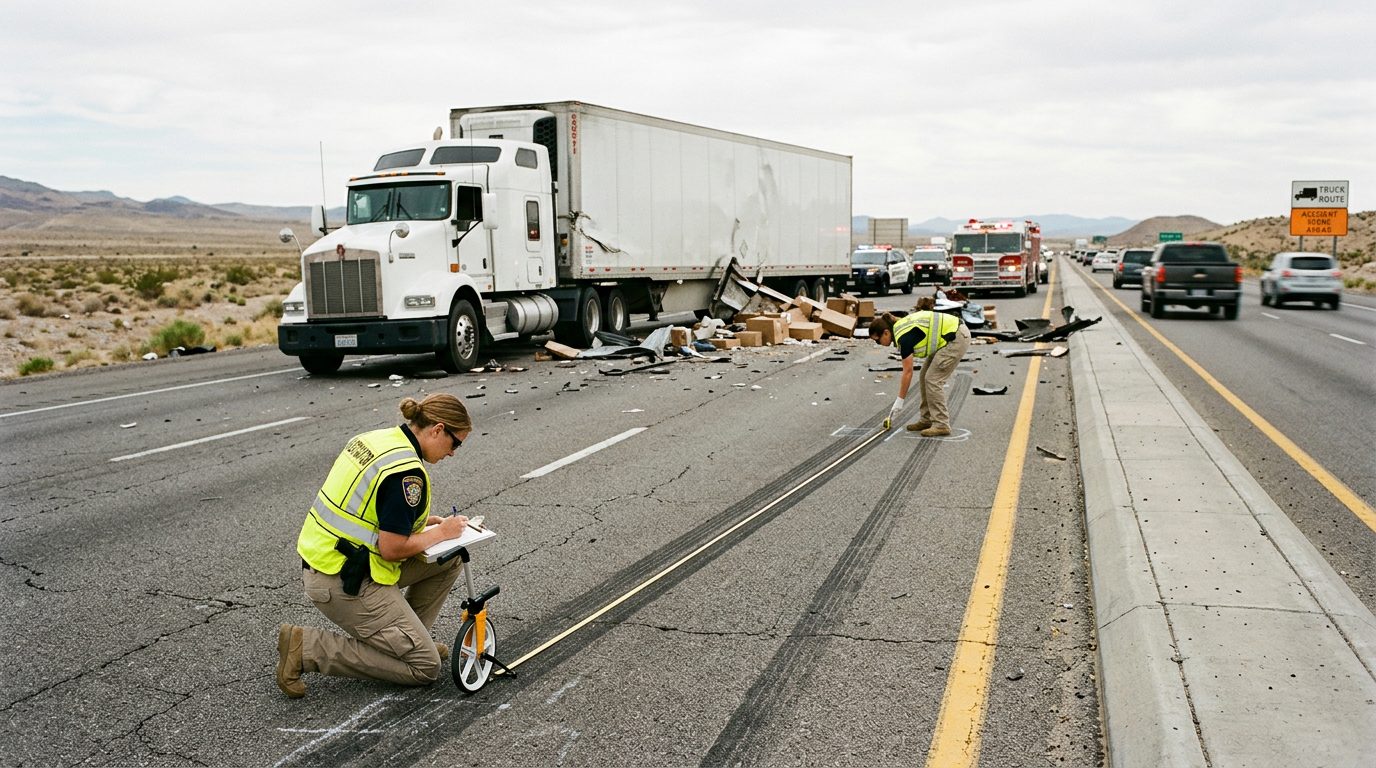
Truck Accidents Across West Virginia
Federal Trucking Rules and Who May Be Responsible After a Truck Crash
Commercial trucks are governed by federal safety regulations. Big Bubba Injury Law explains how those rules can shape a truck accident claim for injured people and families across West Virginia.
Where and what we handle
55
West Virginia counties we serve
7
Areas of injury and wrongful death law we handle
Published October 29, 2026
Federal trucking regulations are one of the main ways to show who may be responsible after a truck crash. These safety rules cover commercial drivers, the companies that employ them, and the trucks they drive, but the vehicle report and repair rules do not apply to a private motor carrier of passengers (nonbusiness), a driveaway-towaway operation, or any motor carrier operating only one commercial motor vehicle. When a driver or company breaks one of these rules, that break can become evidence in a claim. Evidence is weighed with everything else that happened, though. This page explains the main rules, the records they create, and the West Virginia law that applies alongside them.
What Federal Trucking Regulations Are and Who They Cover
The Federal Motor Carrier Safety Regulations (FMCSRs) set safety standards for commercial motor vehicles, the drivers who operate them, and the companies that run them. Under the federal rule at 49 C.F.R. § 395.8, a motor carrier subject to its requirements must require each driver to record the driver’s duty status for each 24-hour period, using an electronic logging device (ELD) or, where the rule allows, a manual record of duty status. The rules apply to large trucks used in commerce and to the carriers that hire and dispatch those drivers.
Investigators and courts often compare what happened in a crash against these standards. A rule violation can help show that a driver or company did not use reasonable care.
Under W. Va. Code § 55-7-13a, recovery in a personal injury, property damage or wrongful death action is based on comparative fault, and each person’s liability is allocated in direct proportion to that person’s percentage of fault.
If a commercial truck crash hurt you or someone you love, the firm can review the records that may show who is responsible. Reach out for a case review. Talk it through with Big Bubba — the first case review is free, confidential, and carries no obligation.

Hours of Service and Driver Fatigue Rules
Federal rules limit how long a commercial driver can work and drive before resting.
Drivers record their duty status, often through an electronic logging device (ELD). Those records are often compared with fuel receipts, dispatch messages, and GPS data. Federal rules bar false reports and tampering with a logging device, as stated in 49 CFR § 395.8. Carriers also may not alter or erase original hours-of-service information, under 49 CFR § 395.30.
A logbook problem can point to fatigue as a possible factor. It is not proof of fatigue on its own. Hours violations also matter under state law.
Driver Qualification, CDL, and Drug and Alcohol Testing
A motor carrier must keep a driver qualification file for every driver it employs. The file holds items such as the driver’s application, motor vehicle records, and medical certificate.
Testing follows serious crashes, too. Drivers cited for a moving violation after certain injury or tow-away crashes must also be tested. Under 49 CFR § 382.303, an alcohol test not given within two hours requires a written reason. If it is not given within eight hours, the employer must stop trying. Drug tests have a 32-hour limit.
Missing or incomplete files and test records can support claims about how a company hired and supervised a driver.
Vehicle Maintenance, Inspections, and Cargo Loading
A motor carrier must repair any defect listed on the driver vehicle inspection report that is likely to affect the safety of operation of the vehicle before requiring or permitting a driver to operate it. When a driver finds a defect or deficiency in a commercial vehicle, the driver must write a report on it at the end of that day’s work on the vehicle; a report is not required for a day when no defect is found. The carrier keeps those reports, with repair certifications, for three months, under 49 CFR § 396.11.
Brakes, tires, and lights are common examples. A report that lists a known brake or tire problem can show the company knew about it. The repair records show what was fixed and when.
Cargo must be secured, too. Under 49 CFR § 393.100, cargo cannot leak, spill, blow, or fall from a truck on public roads. It also must not shift in a way that harms the vehicle’s stability or maneuverability. Poor loading can contribute to rollovers and loss of control.
Loaders and repair shops sometimes handle these tasks instead of the carrier. Who had responsibility turns on the facts.
Who Can Be Held Liable in a Truck Accident Case
The driver can be liable, and so can the company that owns, employs, or controls the truck. The West Virginia commercial vehicle statute defines an “employer defendant” to include the truck’s owner, the operator’s employer, and any person with legal control over the truck or its operator.
West Virginia also allows a person to be held liable for the fault of an agent or servant, as stated in W. Va. Code § 55-7-13d. In practice, a company may answer for a driver it employs.
Claims can also target the company’s own choices. W. Va. Code § 55-7-13d addresses when a plaintiff’s own criminal conduct bars recovery; it does not say that a federal rule violation can support these claims.
Key Evidence Used to Prove Liability
The strongest evidence is often the records the carrier was already required to keep. Those records include logs, inspection reports, driver files, and test results.
- Police and crash reports, witness statements, and photos of the scene and vehicles
- Electronic logging device data and driver logs
- Driver qualification, drug and alcohol testing, and maintenance records
- Dispatch, GPS, and cell phone records where relevant
- Black box (event data recorder) and engine control module data from the truck
Timing matters. Some required records have set retention periods. Inspection reports, for example, need to be kept for only three months. Acting early helps make sure key records are requested before they are lost.
Not sure what your next step is?
Talk it through with Big Bubba — the first case review is free, confidential, and carries no obligation.
Timelines and Steps After a Serious Truck Crash
Most West Virginia personal injury claims must be brought within two years after the right to sue arises. That rule comes from W. Va. Code § 55-2-12.
A wrongful death action is brought by and in the name of the personal representative of the deceased person, under W. Va. Code § 55-7-6.
Steps to take now:
- Get medical care and follow your treatment plan. Keep records of every visit.
- Request the police report, and keep any photos and witness names.
- Write down what you remember while it is still fresh.
Frequently Asked Questions About Federal Trucking Rules and Liability
Here are short answers to common questions about these rules.
Can a trucking company answer for an employee driver’s crash?
Often, yes. West Virginia law reaches employers and others who control the truck or the driver.
How long do I have to file a claim?
Generally two years for personal injury, and two years after death for wrongful death. The exact deadline turns on the facts of your case.
Who files a wrongful death case?
The decedent’s personal representative files it. Damages are then distributed to the surviving spouse, children, and other eligible survivors as the jury or court directs, and if there are no such survivors, according to the decedent’s will or, if there is no will, the laws of descent and distribution, except that any amount awarded for funeral, hospital, medical and other expenses is spent by the personal representative.
How soon should records be requested?
As early as possible, because some records have short retention periods.
Talk With the Firm About Your Truck Crash
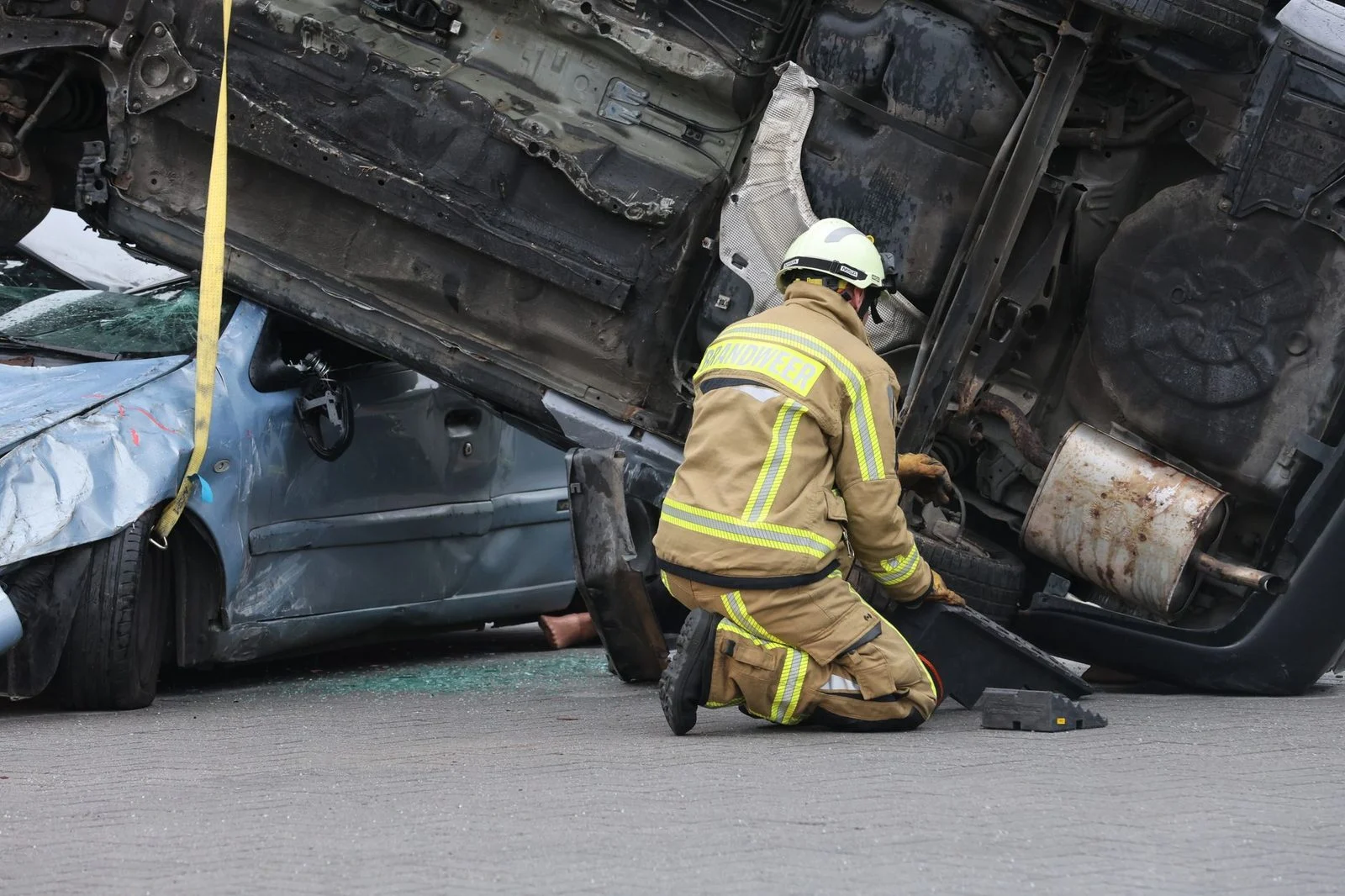
If a commercial truck crash hurt you or a family member, the firm can review it under these federal rules. Bring what you have, such as the police report, medical records, photos, and witness names.
The firm serves injured people and families across West Virginia, including Charleston, Huntington, Morgantown, Wheeling, Martinsburg, Parkersburg, Beckley, Clarksburg, Fairmont, and Weirton.
If a commercial truck crash has left you or someone you love hurt, contact the firm to request a case review of your crash.
Related practice areas
- Wrongful Death Lawsuit Payouts in West Virginia