
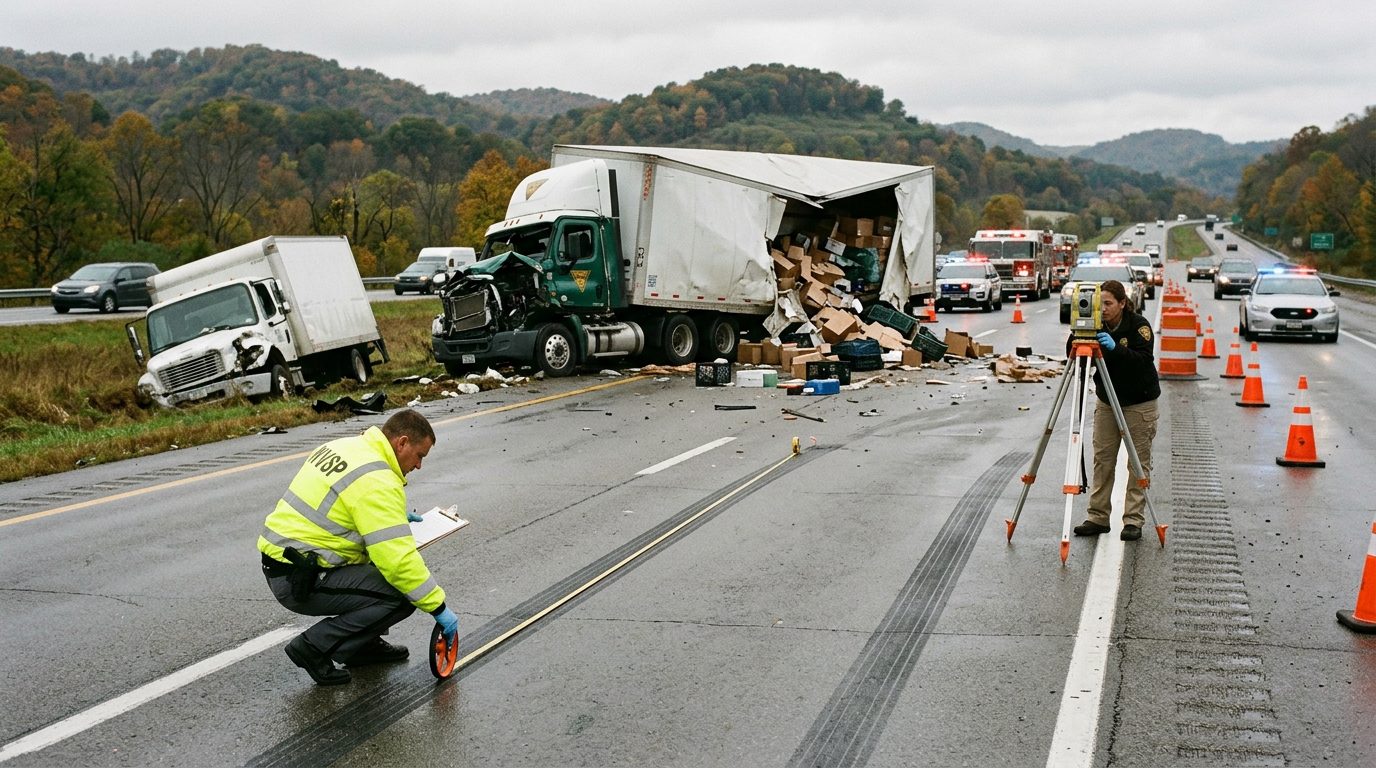
Truck Accidents · West Virginia
A Ligament Tear After a Truck Crash? Here's What to Know
Ligament injuries can be hard to spot right away. Learn what to watch for, why truck crash cases often differ from car cases, and how to reach out for a free case review.
Published October 28, 2026
If you are looking up ligament tear truck accident West Virginia information, here is the short answer. A ligament tear is damage to the tough tissue that holds a joint together. After a truck crash, it can be serious, and it often shows up days later. This guide explains what these injuries are, how they happen, how doctors check them, and what a West Virginia claim can involve. Big Bubba Injury Law handles serious injury claims from car and commercial truck crashes.
What Ligament and Joint Injuries Are After a Truck Crash
A ligament is a tough band of tissue that connects one bone to another and keeps a joint steady. Joint injuries after a crash can include sprains, partial or complete tears, dislocations, and damage to the cartilage or capsule around a joint.
These injuries are easy to miss at the scene. Pain from other injuries, shock, and adrenaline can hide them. Swelling, a joint that feels loose, or trouble bending or straightening often shows up days or weeks later.
This page is for three kinds of readers: the injured driver or passenger, a family member helping them, and anyone trying to understand a diagnosis they just received.
The firm handles serious injury claims from car and commercial truck crashes, including catastrophic injuries, traumatic brain injury, spinal cord injury, and wrongful death. We serve injury victims across West Virginia, including Charleston, Huntington, Morgantown, Wheeling, Martinsburg, Parkersburg, Beckley, Clarksburg, Fairmont and Weirton.
If a truck crash left your knee, shoulder, or ankle unstable, the firm offers a free case review, and you can reach out whenever you're ready. Talk it through with Big Bubba — the first case review is free, confidential, and carries no obligation.

How Truck Crashes Cause Ligament and Joint Injuries
Truck crashes injure joints mainly through force, sudden twisting, and hard impact. A collision with a big truck can send much more force into a smaller vehicle.
- Weight: A loaded tractor-trailer is far heavier than a passenger car. Its impact can throw occupants hard against the vehicle’s interior.
- Dashboard strikes: When the body lurches forward, the knee or lower leg can hit the dashboard or steering column.
- Restraint loading: A seat belt holds you in place, but it also presses on the shoulder, collarbone, and chest during a hard stop.
- Twisting motion: Jackknife, rollover, and sideswipe crashes twist the body. That strain can affect knees, ankles, hips, and wrists.
- Falls and crush injuries: Being thrown from a seat or pinned in a crushed cab can damage joints that are hard to see at first.
Common Ligament and Joint Injury Sites
Common sites include the knee, shoulder, ankle, wrist, and hip. Each joint has its own ligaments, and each injury needs its own medical follow-up.
- Knee: The anterior cruciate ligament (ACL) and the medial and lateral collateral ligaments are common concerns. The meniscus, a cartilage pad, can also tear.
- Shoulder: Rotator cuff tears and acromioclavicular (AC) joint separations are common. The labrum, a rim of cartilage in the shoulder socket, can be damaged too.
- Ankle and foot: High ankle sprains and ligament tears can occur, sometimes with fractures near the joint surface.
- Wrist and hand: The scapholunate ligament, which links two wrist bones, can tear when a hand braces during impact. Finger joints can dislocate as well.
- Hip and spine: Pelvic ligament strain and facet joint injuries can happen. These can overlap with spinal cord injury cases, so the spine should be checked.
Several injuries from one crash are common. Each one should be recorded separately in your medical file so none gets lost.
Diagnosis, Treatment, and Recovery Timeline
A doctor usually starts with a physical exam, then orders X-rays to rule out fractures. An MRI often shows ligament, cartilage, and other soft tissue damage that X-rays cannot show.
Early medical care matters for two reasons. It protects your health, and it creates a dated record of when symptoms began and what they looked like.
Treatment depends on the joint and how severe the injury is. Common paths include:
- Immobilization with a brace, splint, or sling
- Physical therapy to rebuild strength and motion
- Injections for pain and swelling, when a doctor recommends them
- Surgical repair or reconstruction for significant tears
Recovery is usually measured in months, not days. Some people develop long-term stiffness, instability, or post-traumatic arthritis (joint wear that develops after an injury).
To protect your recovery record, keep a simple symptom journal. Note pain, swelling, sleep trouble, and tasks you can’t do. Follow medical advice and attend every follow-up visit.
Liability and Evidence in a West Virginia Truck Crash Claim
In a ligament tear truck accident West Virginia claim, the evidence often shapes how the case is built. Responsibility can reach beyond the driver. Depending on the facts, the driver, the motor carrier, the vehicle owner, a maintenance provider, or a cargo loader may be involved.
West Virginia uses modified comparative fault (shared fault). Under West Virginia comparative fault statute, your own fault bars recovery only if it is greater than the combined fault of everyone else. Otherwise, your recovery is reduced by your share of fault.
Hiring, training and supervision practices can be part of an investigation after a commercial vehicle crash.
Federal driving rules also create records. Under federal driving time rules, a property-carrying driver generally must take 10 consecutive hours off duty before driving. Driver logs can show whether those limits were followed.
For truck crash claims arising after July 1, 2024, West Virginia truck damages law generally caps the noneconomic damages that each person injured or killed can recover from the owner, employer or other party controlling a commercial motor vehicle requiring a commercial driver’s license at $5 million for each occurrence. That amount increases for inflation beginning January 1, 2026, and each year after, up to 150 percent of the stated figure. The cap is not available to an employer defendant that does not carry at least $3 million in commercial motor vehicle insurance for each occurrence. The section also does not apply at all if the driver is found to have done any of several things at the time of the incident, including operating with willful or wanton disregard for the safety of persons or property, operating a vehicle loaded beyond its maximum gross vehicle weight rating (other than legally under a permit), or driving distracted, along with the other driver conduct listed in subsection (d) of the statute.
Preserve evidence early. Useful items include photos, vehicle details, witness names, and trip paperwork.
Frequently Asked Questions About Ligament and Joint Injuries in Truck Crashes
Can a torn ligament show up days after a truck crash?
Yes. Swelling and instability often grow over days or weeks, so new or ongoing symptoms should be checked.
Is a ligament tear truck accident West Virginia case different from a car crash case?
Often, yes. Trucking companies and federal rules can add records and possible defendants to the case.
How long do I have to act?
West Virginia generally gives two years for personal injury claims under W. Va. Code § 55-2-12 for which no limitation is otherwise prescribed. Timing depends on the facts, so it’s worth reviewing early.
Can a family bring a claim if a joint injury later leads to death?
Yes. Under W. Va. Code § 55-7-6, a wrongful death action is brought by the personal representative of the deceased person’s estate.
Do I need surgery to have a claim?
Not necessarily. A claim looks at the full medical picture, including non-surgical injuries and their lasting effects.
What if an insurer calls soon after the crash?
Be careful with recorded statements.
Not sure what your next step is?
Talk it through with Big Bubba — the first case review is free, confidential, and carries no obligation.
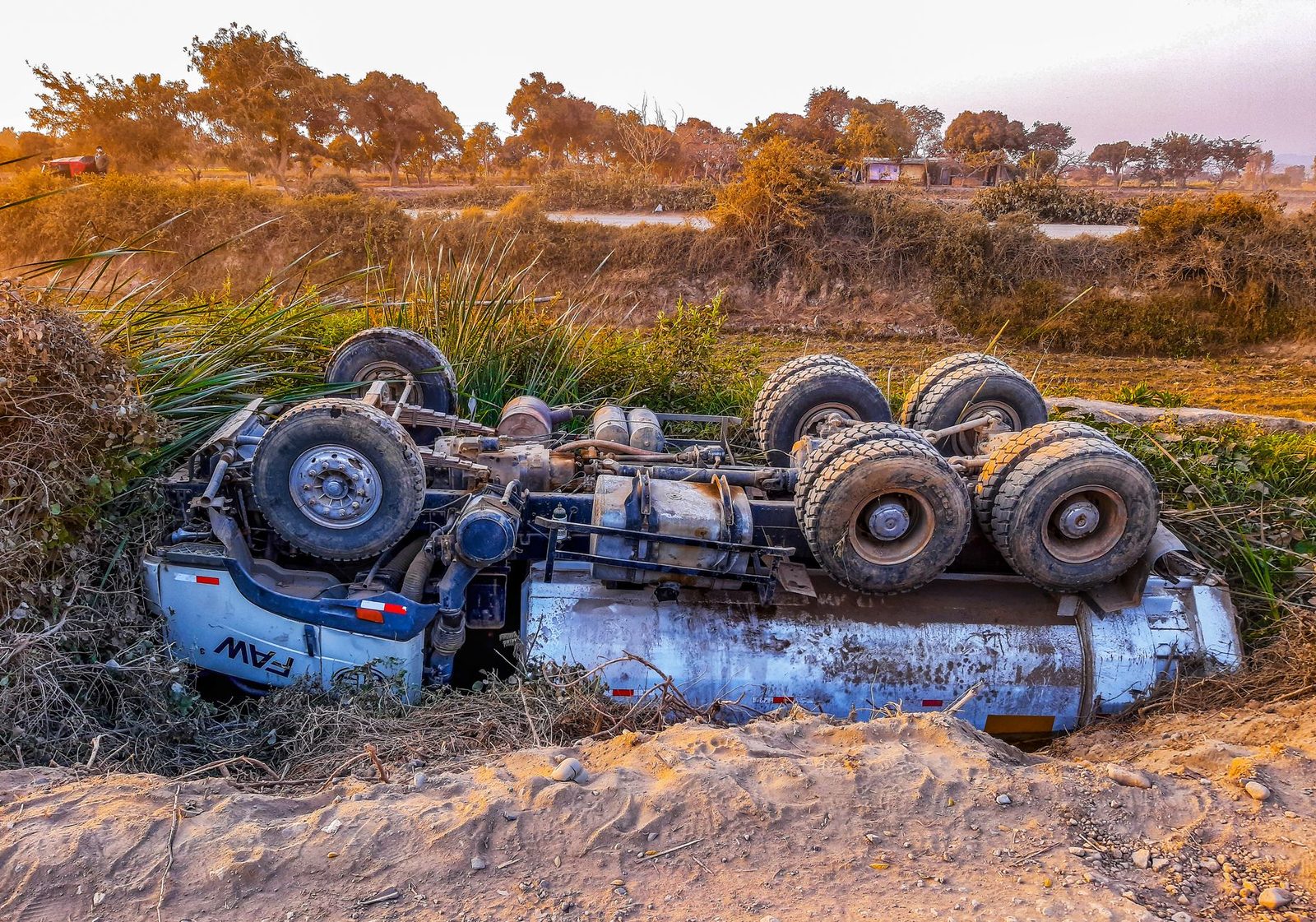
Steps to Take After a Truck Crash and Next Steps With the Firm
The first steps after a truck crash protect your health and your records.
- Get medical evaluation for every joint or ligament symptom, even if it seems minor. Keep copies of all records.
- Write down crash details, the carrier and driver names if known, and witness names while memory is fresh.
- Keep photos of injuries, the vehicle, and the scene. Save notes about missed work.
- Avoid posting about the crash or your injuries on social media. Insurers may review those posts.
If a truck crash left your knee, shoulder, or ankle unstable and you’re still deciding what comes next, you don’t have to sort it out alone. The firm offers a free case review, and it carries no obligation to continue. Contact the firm when you’re ready to talk through what happened.