
Wrongful Death Claims
Wrongful Death Claims in Wheeling, West Virginia
When a loved one is killed because of someone else's negligence, your family deserves answers and fair compensation. Big Bubba Injury Law helps families in Wheeling pursue wrongful death claims.
Published October 03, 2026
When someone dies because of another person’s or entity’s negligence or wrongful act, West Virginia law generally allows the deceased person’s personal representative to bring a wrongful death claim to hold the responsible party accountable and recover damages. In Wheeling and across West Virginia, families who have lost loved ones in fatal car crashes, truck accidents, and other tragic circumstances have legal rights—and a deadline to act on them.
Wrongful Death Claims in Wheeling
A wrongful death claim is a legal action brought by the deceased person’s personal representative when negligence or wrongful conduct causes that person’s death, and any amount recovered is distributed to the surviving beneficiaries as the statute directs. Under West Virginia Code § 55-7-6, the personal representative of the estate (usually a surviving spouse, adult child, or parent) must commence the claim within two years after the death, subject to the provisions of section 55-2-18 of the West Virginia Code. This two-year period is subject to other provisions of West Virginia law, so exceptions may apply.
Wrongful death claims can arise from fatal car accidents, commercial truck crashes, and other incidents where negligent or reckless conduct directly causes someone’s death. Who files is set by law: the deceased person’s duly appointed personal representative brings the claim, while surviving spouses, children, parents, and other dependents recognized under West Virginia law may share in any recovery. The goal is not only to hold the responsible party accountable but also to recover the financial losses the family has suffered as a result of the death.
Not sure what your next step is?
Talk it through with our team — the first case review is free, confidential, and carries no obligation.
Common Causes of Wrongful Death in Wheeling
Fatal crashes in and around Wheeling often stem from preventable negligence. Head-on collisions, rear-end crashes, and intersection accidents—frequently caused by speeding, impaired driving, or distracted driving—can result in death. Commercial truck crashes, including jackknife accidents, underride collisions, and cargo shifts, are particularly deadly because of the size and weight of the vehicles involved.
Vehicle defects and maintenance failures also cause fatal crashes. A truck with faulty brakes, a car with a defective steering system, or inadequate maintenance of safety equipment can lead to loss of control and fatal collisions. Road hazards—potholes, debris, inadequate signage, or poor lighting—that property owners or municipalities fail to maintain or warn about can also contribute to fatal accidents.
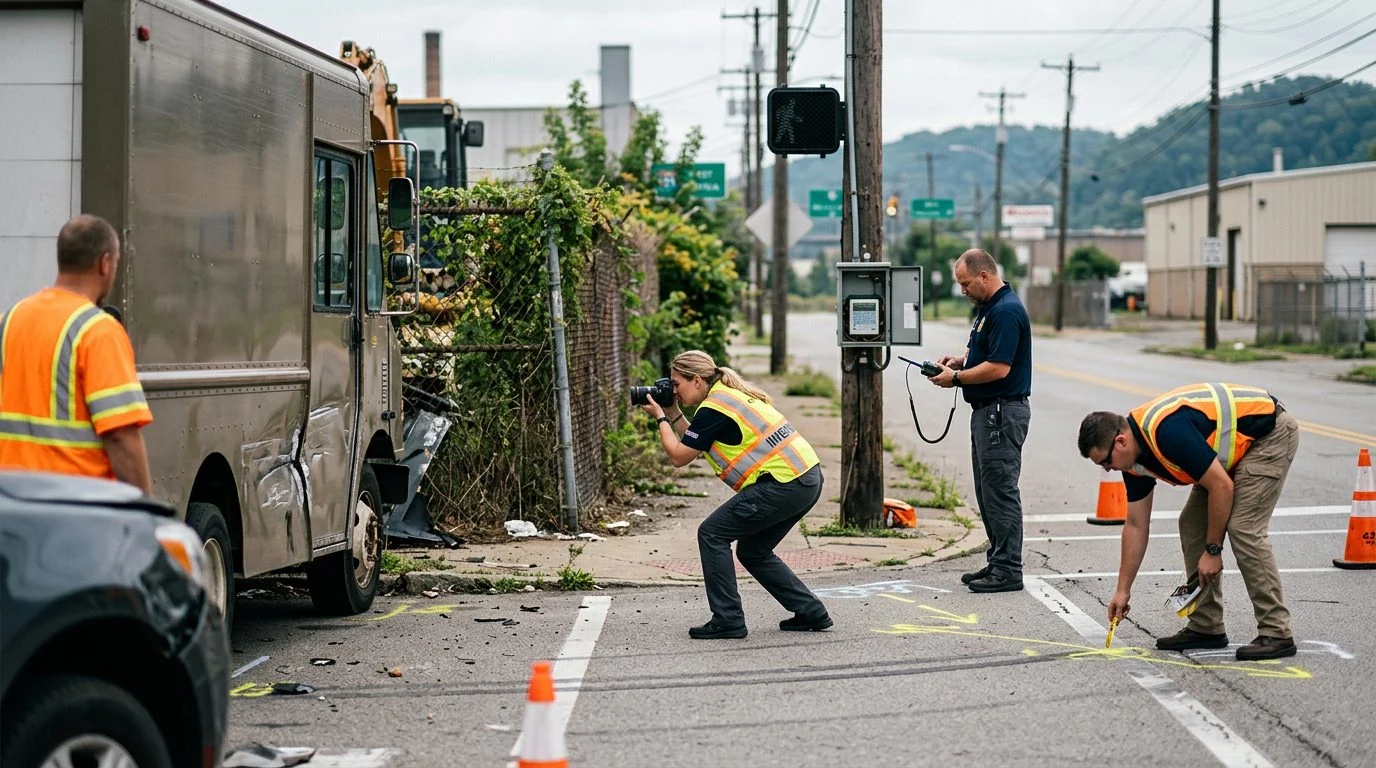
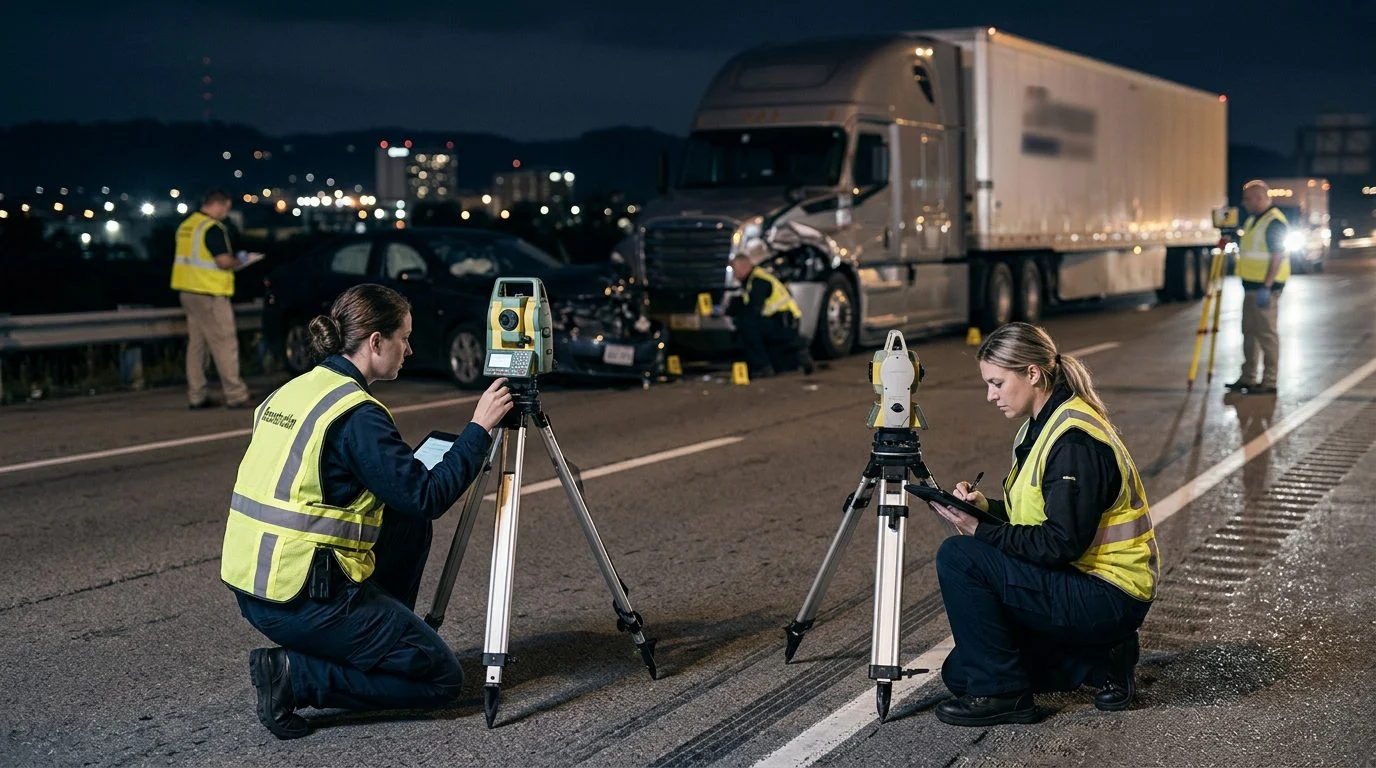
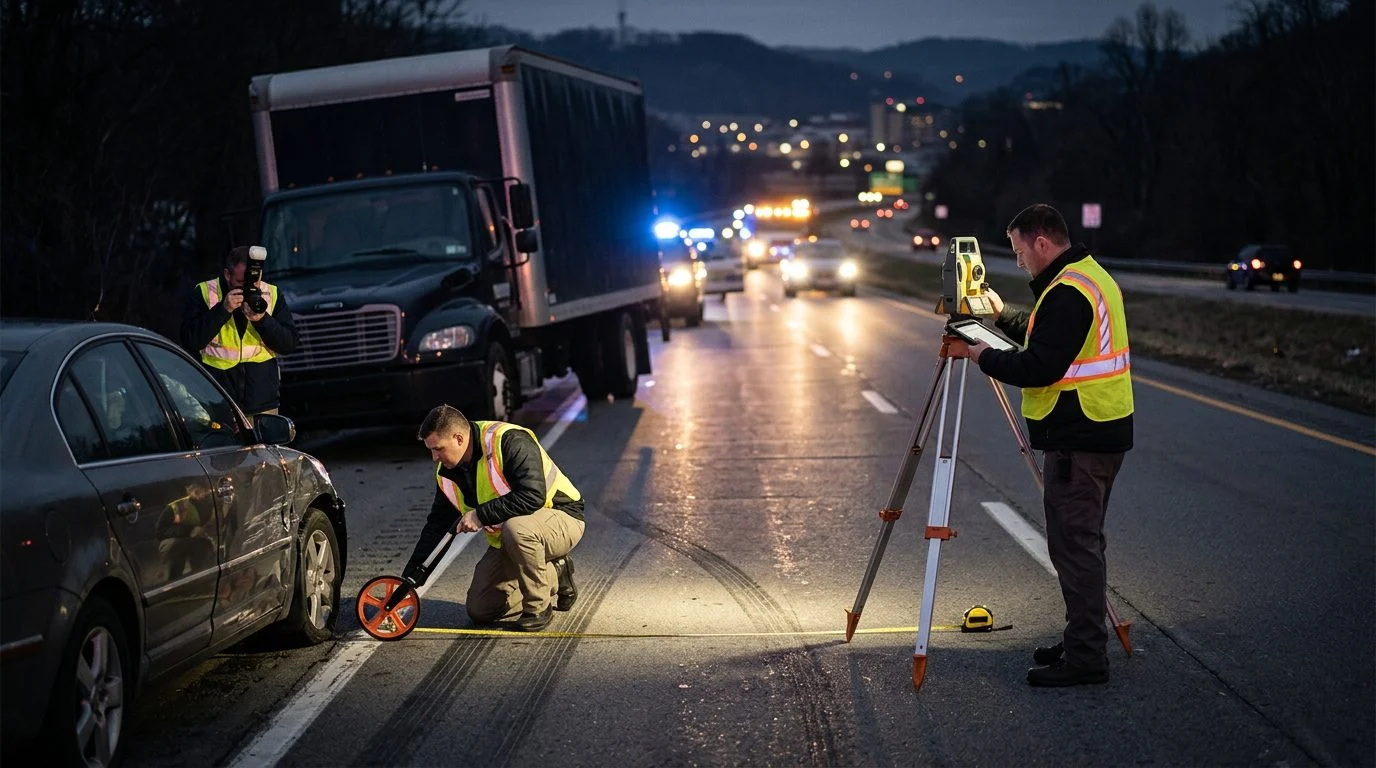
In a wrongful death case, establishing what caused the crash is the first step. We investigate thoroughly: we obtain accident reports, interview witnesses, review medical records, and work with accident reconstruction experts to determine who or what caused the death.
What Damages Can Be Recovered in a Wrongful Death Case
Wrongful death damages compensate the family for both financial and non-financial losses. Medical and funeral expenses incurred as a result of the death are recoverable. Lost wages and income the deceased would have earned over their lifetime—based on age, health, work history, and earning potential—are also included.
Loss of benefits is another category: health insurance, retirement accounts, pensions, and other benefits the deceased provided or would have provided to the family. Loss of companionship, guidance, emotional support, and the comfort of the deceased’s presence in the family’s life are recognized as real damages in West Virginia wrongful death cases.
In some cases, such as where the deceased had filed suit before death, the deceased’s personal representative may be able to recover the deceased’s pain and suffering between the injury and death through a separate claim, as provided in W. Va. Code § 55-7-8. And where clear and convincing evidence shows the defendant acted with actual malice or a conscious, reckless and outrageous indifference to the health, safety and welfare of others, punitive damages (damages meant to punish the wrongdoer and deter similar conduct) may be available.
How Wrongful Death Claims Work
Pursuing a wrongful death claim involves several steps. Investigation comes first: gathering evidence, obtaining police and accident reports, collecting witness statements, and securing medical records. We work to establish liability—that the defendant owed a duty of care, breached that duty, and that breach directly caused the death.
Next, we calculate damages. We work with medical experts, economists, and vocational specialists to quantify the family’s losses: funeral costs, the deceased’s lost lifetime earnings, loss of benefits, and the non-economic impact on the surviving family members.
Then comes negotiation or litigation. We pursue settlement with the responsible party’s insurance company or, if necessary, file suit and take the case to trial. Throughout the process, we handle the legal work so your family can focus on grieving and healing.
The statute of limitations matters urgently: West Virginia Code § 55-7-6 generally requires the action to be commenced within two years of the date of death, subject to other provisions of law. Acting quickly also preserves evidence—witness memories fade, physical evidence may be lost or destroyed, and surveillance footage is often retained for limited periods.
Have questions about what happened?
Ask our team directly. The first conversation is free, confidential, and there is no obligation to continue.
Grounds for a Wrongful Death Claim
A wrongful death claim rests on one or more legal grounds. Negligence is the most common: the defendant owed a duty of care (such as the duty to drive safely), breached that duty, and the breach caused the death. Recklessness—willful disregard for the safety of others—can also support a claim, such as when someone drives at extremely high speed or under the influence of drugs or alcohol.
Intentional misconduct (deliberately causing harm) can give rise to a wrongful death claim, though such cases are rare. Strict liability applies in certain circumstances—for example, when a defective product causes death—without requiring proof of intent or negligence. And death resulting from a violation of law or safety regulations (such as a commercial truck driver violating hours-of-service rules) may also support a wrongful death claim.
In Wheeling, we evaluate the specific facts of your case to determine which legal grounds apply and how best to pursue accountability.
Modified Comparative Fault in West Virginia
West Virginia follows a modified comparative fault rule. Under West Virginia Code § 55-7-13c, if the deceased was partly at fault for the accident, damages are reduced in proportion to their percentage of fault. However, you are barred from recovery only if the deceased’s fault was greater than the combined fault of all other parties—meaning you can recover even if the deceased was up to 50% at fault.
Under this rule, even if the deceased bore some responsibility, the claim is not barred unless the deceased’s fault is greater than the combined fault of all others responsible, and any recovery is reduced in proportion to the deceased’s share of fault (W. Va. Code § 55-7-13c). Our role is to build the strongest case possible and, if necessary, defend against claims that the deceased was partially responsible.
Frequently Asked Questions
How long do I have to file a wrongful death claim in West Virginia?
West Virginia generally allows two years from the date of death to file, subject to other provisions of state law, and exceptions may apply (W. Va. Code § 55-7-6). Because other provisions of West Virginia law may affect that deadline, it’s important to act quickly.
Who can file a wrongful death claim?
The personal representative (usually a surviving spouse, adult child, or parent) files the claim, and any amount recovered is distributed to the family and dependents as the wrongful death statute directs.
What if the deceased was partly at fault for the accident?
West Virginia’s modified comparative fault rule allows recovery even if the deceased was up to 50% at fault; damages are reduced by the deceased’s percentage of fault (W. Va. Code § 55-7-13c).
Can I recover punitive damages?
Yes, but only in limited circumstances: West Virginia law allows punitive damages only if the plaintiff establishes by clear and convincing evidence that the damages resulted from conduct carried out with actual malice or a conscious, reckless and outrageous indifference to the health, safety and welfare of others.
What types of expenses can I recover?
Medical and funeral expenses, lost wages and lifetime earnings, loss of benefits, loss of companionship and emotional support, and in some cases pain and suffering before death.
Want to know where you stand?
Tell us what happened and our team will walk you through the options available to you, at no cost.
Moving Forward After Loss
Losing a loved one in a fatal crash is devastating. The legal process—investigation, negotiation, and potentially litigation—can feel overwhelming on top of your grief. That’s why we handle the work for you. We serve Wheeling families. We investigate thoroughly, work with experts, and pursue accountability and compensation for your family’s losses.
We work on a contingency basis: you pay no fee unless we recover compensation for you. You may still be responsible for court costs and case expenses. Your first step is a free case review, where we listen to what happened, answer your questions, and explain what you may be entitled to pursue. There’s no obligation, and your conversation is confidential.
Related practice areas
- Wrongful Death Claims After a Crash in West Virginia
- Wrongful Death Huntington | Big Bubba Injury Law