
Wrongful Death | West Virginia
Who Can File a Wrongful Death Claim in West Virginia
When a loved one dies from someone else's negligence, West Virginia law limits who has the right to pursue a claim. Understanding your standing is the first step.
Published October 01, 2026
Who Can File a Wrongful Death Claim in West Virginia After a Fatal Crash
In West Virginia, a wrongful death claim after a fatal car or truck crash is brought by and in the name of the deceased person’s duly appointed personal representative. Under W. Va. Code § 55-7-6, the wrongful death action is brought by and in the name of the deceased person’s duly appointed personal representative, and the statute allows damages to be shared among certain family members and others.
Understanding who can file is the first step if you’ve lost someone in a crash caused by another driver’s negligence. This page explains West Virginia law on wrongful death eligibility, so you know whether you have the right to pursue a claim.

Not sure what your next step is?
Talk it through with our team — the first case review is free, confidential, and carries no obligation.
Who Has the Legal Right to File a Wrongful Death Claim in West Virginia
Under West Virginia law, the estate’s personal representative brings the wrongful death action after a fatal crash, and specific family members may share in any recovery. The person filing is the deceased person’s duly appointed personal representative, as set out in W. Va. Code § 55-7-6.
The claim is filed by the estate’s personal representative, and surviving spouses, children, and parents are among the family members who may share in any recovery. Brothers and sisters may also share in the recovery without proving financial dependency, while other relatives—such as grandparents, aunts, or uncles—may share if they were financially dependent on the deceased at the time of death or would otherwise be equitably entitled to share in the distribution.
Spouses and Children
A surviving spouse may share in the recovery, but the claim itself is filed by the deceased person’s duly appointed personal representative. Under W. Va. Code § 55-7-6, the jury’s verdict shall include, but may not be limited to, damages for sorrow, mental anguish, and solace, which may include society and companionship, as well as compensation for reasonably expected loss of the decedent’s income and services.
Children of the deceased—including adopted children and stepchildren—may also share in the recovery. Whether a child is an adult or a minor, the wrongful death action must be brought by the deceased person’s duly appointed personal representative; an adult child may be appointed to serve in that role and bring the claim in that capacity. Grandchildren are not named among the family members who share in the recovery, but they may share if they were financially dependent on the deceased at the time of death or would otherwise be equitably entitled to share.
Age and dependency status matter. A minor child does not file the claim; it is brought by and in the name of the deceased person’s duly appointed personal representative, and the child may share in any recovery. An adult child likewise does not file directly, because the action must be brought by and in the name of the duly appointed personal representative, though coordinating with other eligible family members is often practical and necessary.
Parents and Other Family Members
Parents of an adult deceased do not file a wrongful death claim themselves in West Virginia; the deceased person’s personal representative brings it. However, the statute names parents among the family members who may share in the recovery, without requiring that they were financially dependent on the deceased.
Brothers and sisters are named among the family members who may share in the recovery, with no financial dependency requirement. Grandparents and others not named in the statute may share if they were financially dependent on the deceased at the time of death or would otherwise be equitably entitled to share in the distribution.
The relationship must be established and documented. Casual or distant family ties do not give anyone the right to file. Only the personal representative brings the claim, and family relationships bear on who may share in the recovery.
The Estate’s Personal Representative
The personal representative (executor or administrator) of the deceased’s estate can file a wrongful death claim for the benefit of the eligible survivors. This person is typically named in the deceased’s will; if there is no will, the county commission or its clerk determines the right to administer the estate. The personal representative acts in a fiduciary capacity, meaning they must pursue the claim in the best interest of all eligible beneficiaries, not just their own interest.
If no personal representative has been appointed at the time a claim needs to be filed, one may need to be appointed by the probate court before the lawsuit can proceed. This can add time to the process, which is why understanding the statute of limitations deadline is critical.
What About Unmarried Partners or Other Dependents
Unmarried partners are not named among the family members who share in the recovery, even if they were in a long-term relationship with the deceased or lived together, but a partner who was financially dependent on the deceased at the time of death may share. This is a significant distinction that surprises many people. The law does not recognize unmarried cohabitation as conferring the same legal rights as marriage.
Other persons who were financially dependent on the deceased at the time of death may also share in the recovery. Each situation is fact-specific. Under W. Va. Code § 55-7-6, financial dependency on the deceased is one way a person may be allowed to share in the recovery.
Have questions about what happened?
Ask our team directly. The first conversation is free, confidential, and there is no obligation to continue.
What Happens If Multiple Family Members Are Eligible
When more than one family member may share in the recovery—for example, a surviving spouse and adult children—the personal representative brings the claim, by and in the personal representative’s own name, on behalf of all eligible beneficiaries. West Virginia law sets no fixed priority: the jury or court may direct in what proportions any recovery is distributed among the surviving spouse, children, brothers, sisters, parents, and financial dependents.
Disputes among family members about who should file or how to proceed can complicate the process. One family member may want to settle quickly; another may want to pursue the case aggressively. Legal guidance helps clarify each person’s rights and responsibilities and can prevent conflict from derailing the claim.
Typical Grounds for a Wrongful Death Claim
A wrongful death claim arises when someone dies as a direct result of another person’s or entity’s negligence, recklessness, or intentional wrongdoing. In a fatal car or truck crash, this typically means the other driver’s negligent or reckless conduct caused the collision and the death.
The deceased does not have to have survived the crash for any period of time. Immediate fatal injuries qualify. The defendant’s conduct must be the legal cause of the death; there must be a clear causal link between the wrongful act and the fatal outcome.
Common grounds in crash cases include speeding, running a red light, driving under the influence, distracted driving, or reckless operation of a commercial vehicle. The defendant must have owed a duty of care to the deceased (which all drivers owe to others on the road) and must have breached that duty through negligent or wrongful conduct.
How Hard Is It to Prove Wrongful Death
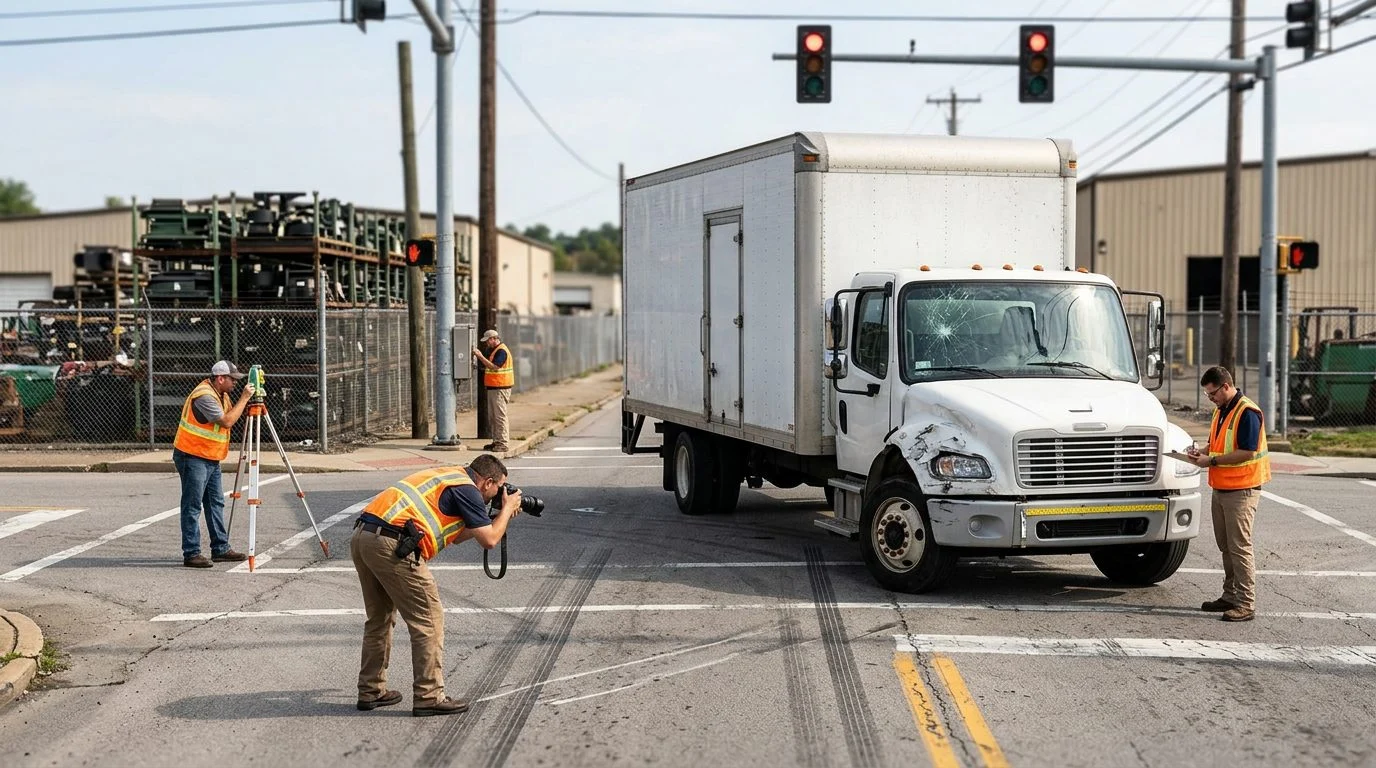
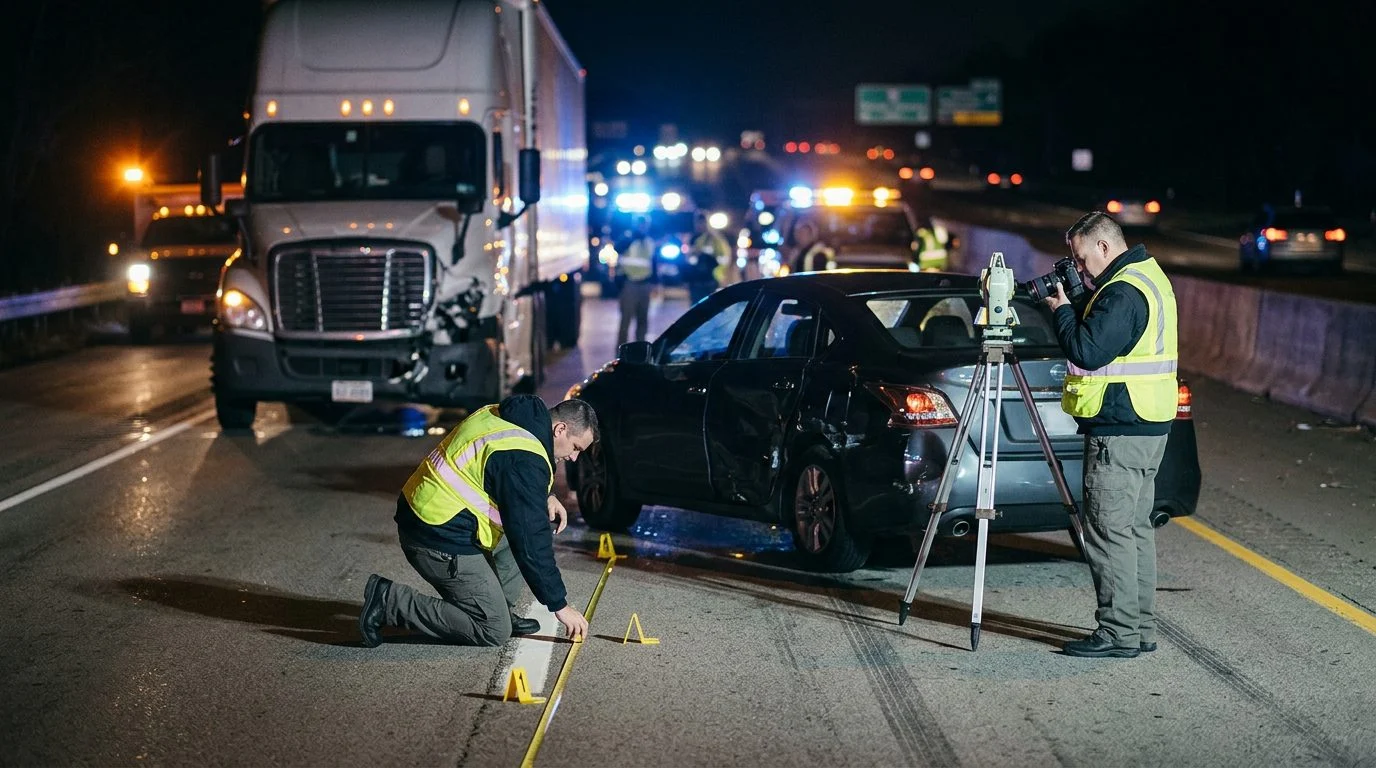
Proving wrongful death requires establishing that the defendant owed a duty of care, breached that duty, and that breach caused the death. In a car crash, proving negligence often involves evidence of traffic violations, witness statements, police reports, and accident reconstruction.
In a civil case, the usual burden of proof is “preponderance of the evidence”—more likely than not—which is lower than the criminal standard of proof beyond a reasonable doubt. This means you must show it is more probable than not that the defendant’s conduct caused the death.
Complexity depends on the facts. A case involving a traffic violation, such as a driver running a red light and causing a fatal collision, may be more straightforward to prove than a multi-vehicle collision or a case where liability is disputed, though fault is still determined from the facts. Accident reconstruction experts, toxicology reports, and witness testimony often play a key role in establishing negligence.
Time Limits for Filing a Wrongful Death Claim in West Virginia
West Virginia has a statute of limitations that sets a deadline for filing a wrongful death lawsuit. Under W. Va. Code § 55-7-6(d), the deadline generally runs from the date of death, not the date of the crash, and it is subject to other provisions of West Virginia law. Missing this deadline may bar the claim, subject to other provisions of West Virginia law, so timing is critical.
Whether any circumstance pauses or extends the deadline depends on the specific facts, so it is safest not to rely on one. Consulting an attorney early protects your rights and ensures the deadline is not missed.
What Compensation Can a Wrongful Death Claim Recover
Wrongful death damages may include sorrow, mental anguish, and solace, which may include society and companionship; reasonably expected loss of the decedent’s income and services; expenses for care, treatment, and hospitalization incident to the injury; and reasonable funeral expenses, as listed in W. Va. Code § 55-7-6.
The personal representative brings the action, and any recovery is shared among the family members and others the statute allows to share. A surviving spouse’s loss of companionship is different from a child’s loss of parental support and financial security. A parent’s loss of a child is measured differently than a child’s loss of a parent.
Punitive damages (damages meant to punish the defendant) may be available only where clear and convincing evidence shows the defendant acted with actual malice or a conscious, reckless and outrageous indifference to the health, safety and welfare of others. The specific damages available and how they are calculated depend on West Virginia law and the facts of the case. No outcome or amount can be guaranteed.
Want to know where you stand?
Tell us what happened and our team will walk you through the options available to you, at no cost.
Frequently Asked Questions
Can I file a wrongful death claim if I’m not married to the deceased?
Whether an unmarried partner may share in a recovery under West Virginia law generally depends on the facts of the case, including whether the partner was financially dependent on the deceased at the time of death. Children and parents are named, and the claim itself is brought by the estate’s personal representative.
What if there’s no will and no one has been appointed as personal representative?
The probate court can appoint a personal representative if needed; this person can then file the wrongful death claim for the eligible beneficiaries.
How long do I have to file a wrongful death claim in West Virginia?
West Virginia generally allows two years from the date of death to file, and exceptions may apply; consulting an attorney promptly can help you understand the deadline that applies to your case (W. Va. Code § 55-7-6).
Can multiple family members file a wrongful death claim together?
Yes, several family members can be eligible beneficiaries of the same claim, which the personal representative files on their behalf.
What evidence do I need to prove wrongful death in a crash?
Police reports, witness statements, accident reconstruction, traffic violation evidence, and medical records establishing the cause of death are typically crucial.
If you’ve lost a family member in a fatal crash and you’re trying to understand whether you have the legal right to file a claim, reach out to discuss your specific circumstances. Families in your situation can contact our office to learn about their options and to protect their rights during an incredibly difficult time.
Time matters
Wrongful death claims are subject to strict legal deadlines. The sooner you reach out, the sooner we can protect your family's rights and gather critical evidence.
Who typically has standing to file
Surviving spouse
A surviving husband or wife is among the family members who may share in damages for loss of companionship, support, and other harms; the jury may direct in what proportions the damages are distributed.
Children
Children of the deceased—including adopted children, stepchildren, and adult children—are among the family members who may share in the recovery, though the claim itself is brought by the personal representative.
Parents
Parents of the deceased are named among the family members who may share in the recovery, whether or not they were financially dependent on their child.
Personal representative or estate
The executor or administrator of the deceased's estate can bring a wrongful death action on behalf of the estate and its beneficiaries.
What you should know
Unmarried partners may face obstacles
West Virginia law does not automatically recognize unmarried domestic partners as having standing to file. Your situation may require careful legal analysis.
The estate may need a representative
If no will exists or no personal representative has been appointed, the probate court can appoint one to pursue the claim on behalf of the family.
We handle the legal complexity
Determining who has standing, navigating probate, and building a wrongful death case involves many moving parts. We manage that process for your family.
Your family's recovery is our focus
We work to hold negligent parties accountable and pursue fair compensation for your family's loss, medical expenses, and financial hardship.
Ready to move forward?
Related practice areas
- Wrongful Death Claims After a Crash in West Virginia
- Fatal Car Crash in West Virginia: Family Guide & Legal