
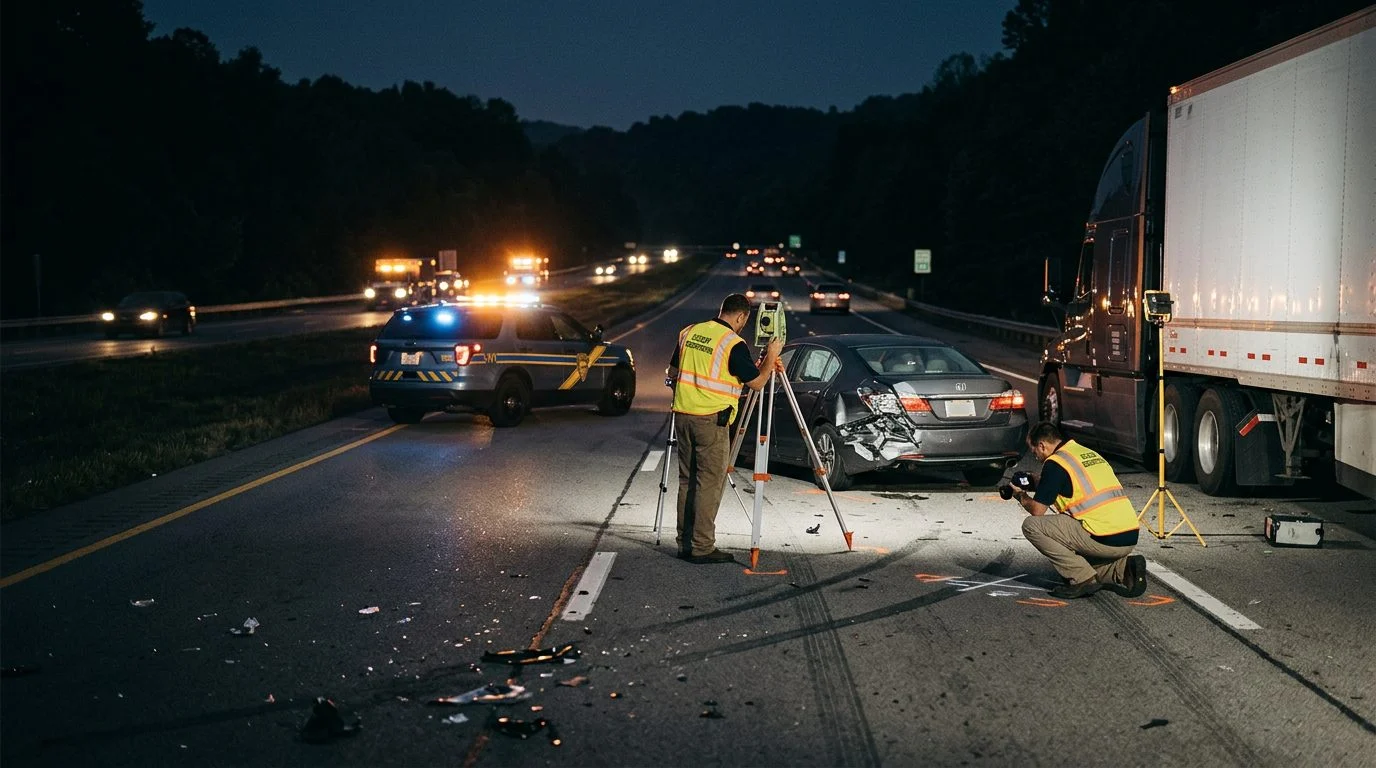
Wrongful Death · West Virginia
Out-of-Pocket Costs After a Wrongful Death in West Virginia
Funeral bills, medical costs and other expenses can arrive before a family has had time to grieve. Here is how to think about them.
Published November 1, 2026
A family that loses someone in a crash often faces bills before grief has settled. This page answers a common question about wrongful death case out of pocket expenses. It separates the costs that fall on the family from the fees that courts and other people set. The answers use West Virginia’s statutes as the state writes them.
What losses may a family pursue in a wrongful death case?
Families often pay funeral and burial costs, plus medical bills from the final injury, before any claim is resolved. The family’s own losses are different from these litigation charges.
The Insurance Institute for Highway Safety reported 256 motor vehicle crash deaths in West Virginia in 2024, a fatality rate of 14.5 per 100,000 people, according to its state-by-state fatality data. Families who lose someone in these crashes face these bills across the state.
Keep the two groups apart when you track costs. The first group is the family’s losses.
If you want to talk through your family's losses, reach out to the firm and request a free case review at bigbubba. Talk it through with Big Bubba — the first case review is free, confidential, and carries no obligation.

Funeral and burial costs the family pays
Funeral and burial costs are usually the first bills a family pays after a death. West Virginia’s wrongful death statute says the verdict shall include, but may not be limited to, reasonable funeral expenses. The wrongful death statute, W. Va. Code § 55-7-6 lists this item.
Common funeral costs include:
- funeral home services and staff fees
- burial or cremation charges
- cemetery plot and opening or closing fees
- a headstone or grave marker
- transport of the body
- obituary and memorial notices
Keep every itemized statement from the funeral home. Ask for a breakdown of each charge, not only a total. Save receipts for items you paid for directly, such as flowers, programs, or a reception.
The same statute says a jury must set out funeral, hospital, and medical expenses separately from other damages. That separate line is one reason clear payment records matter from the first day.
Medical bills from the injury that led to death
Medical bills from the injury that caused the death can be part of a family’s losses. The statute covers expenses for the care, treatment, and hospitalization of the person who died, when the expenses relate to the injury that resulted in death. The wrongful death statute, W. Va. Code § 55-7-6 sets out this category.
Families often receive bills from an ambulance service, an emergency room, a hospital, a surgeon, and an intensive care unit. Several of these may arrive in the same month. Itemized bills and explanation-of-benefits statements from health insurers help sort what was billed, what was paid, and what still is owed.
Insurance can matter in another way. After a verdict, a defendant who has been found liable for medical or other economic losses may present evidence of payments the plaintiff received for the same injury. Those payments can come from sources such as health insurance. The collateral source statute, W. Va. Code § 55-7b-9a explains how the court handles that evidence.
Keep the emergency and hospital records from the day of the crash. They show the link between the crash, the injury, and the death, and that link is central to any claim.
Lost income and household support the family goes without
A family may seek the income the person who died was expected to earn. It may also seek the services and support that person provided at home. A family’s claim may involve several kinds of losses, and which ones apply depends on the facts of each case.
For many households, that covers childcare, transportation, home repairs, meals, and help with daily needs. Family records may help show what the household relied on, depending on the facts of each case.
Gather records early. Useful items include pay stubs, W-2 forms, tax returns, employer statements about pay and benefits, and a written list of the household duties the person handled. Benefit records can also show retirement contributions and health coverage the family may have depended on.
Other losses a family may face after a crash
Courts charge filing fees to open a civil case. Professional witnesses charge their own fees for reviewing records and giving testimony. These are charges set by others, and the amounts vary from case to case.
A professional witness is a person who reviews records, examines evidence, or explains medical or crash facts to a judge or jury. In a fatal crash case, that can include a physician who reviews hospital records or a person who reconstructs how a crash happened.
Timing also matters. West Virginia law generally requires a wrongful death action to be brought within two years after the death. Exceptions may apply, so the date should be reviewed early. The wrongful death statute, W. Va. Code § 55-7-6 states this rule.
A complaint in a personal injury or wrongful death case may not include a specific dollar amount of damages. The complaint rule, W. Va. Code § 55-7-25 sets out this limit.
Keeping a clear record of what the family pays
The simplest protection is a written record of every payment. Use one folder or ledger. For each expense tied to the death or the final injury, record the date, the payee’s name, the amount, and a copy of the receipt or statement.
Crash reports belong in that folder too. Police agencies may charge a copy fee for a crash report, so ask about the fee when you request one. That fee is another party’s charge, not the family’s loss.
Some insurers may dispute a claim. Organized records make it easier to answer questions later, and they help the family keep track of who has paid what.
A wrongful death action is brought by the personal representative appointed for the decedent’s estate. The wrongful death statute, W. Va. Code § 55-7-6 says so. Keep estate paperwork with the other records.
Not sure what your next step is?
Talk it through with Big Bubba — the first case review is free, confidential, and carries no obligation.
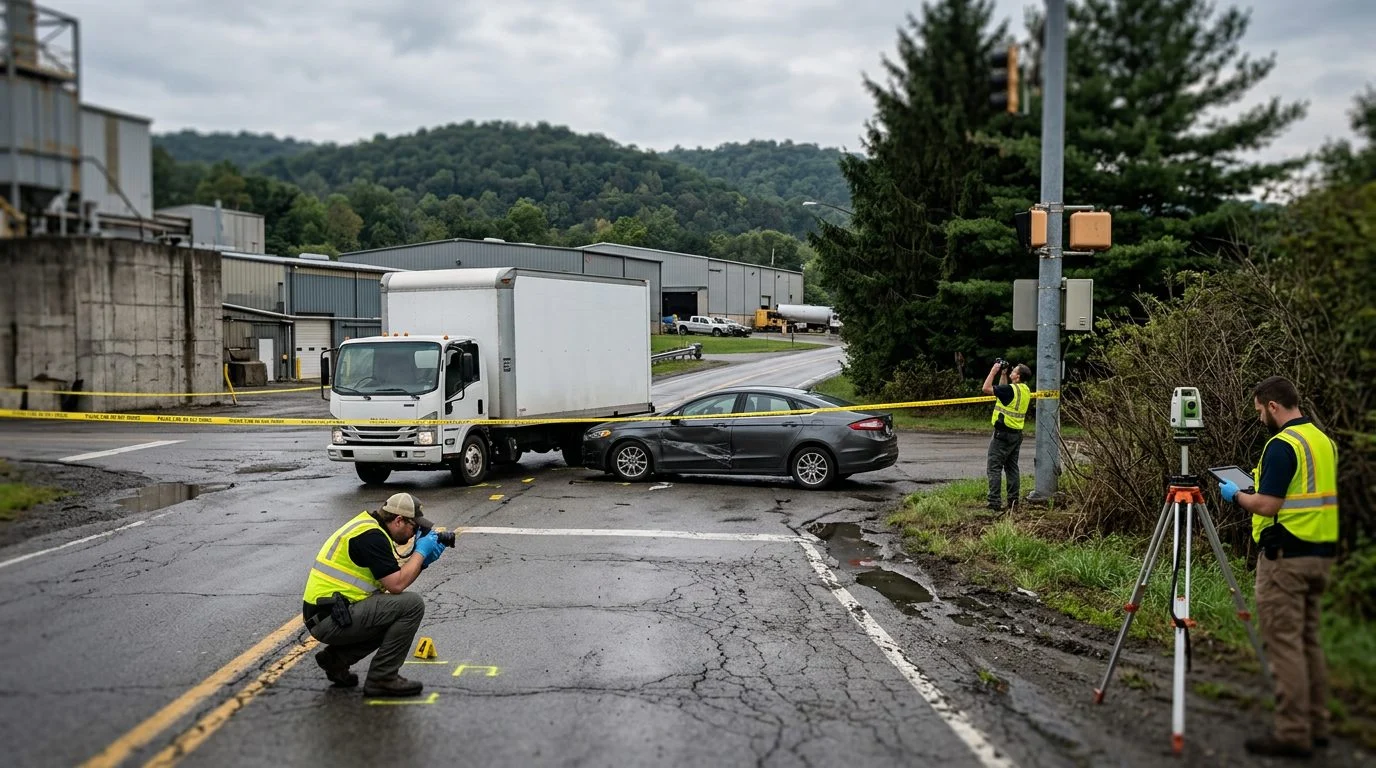
Talking through your family’s losses with the firm
If you are reading this after losing someone in a car or truck crash, you may be handling bills, paperwork, and grief all at once. Many families in that position are still deciding whether to talk with a lawyer. That decision takes time, and you don’t have to make it today.
The firm handles car accident, truck accident, commercial vehicle, and wrongful death claims for families across West Virginia. If another driver was at fault, your family may have a claim worth discussing. The firm can review what happened and explain how the losses in this article might apply to your situation.
If you want to talk through your family’s losses, reach out to the firm and request a free case review at bigbubba.com/contact.