
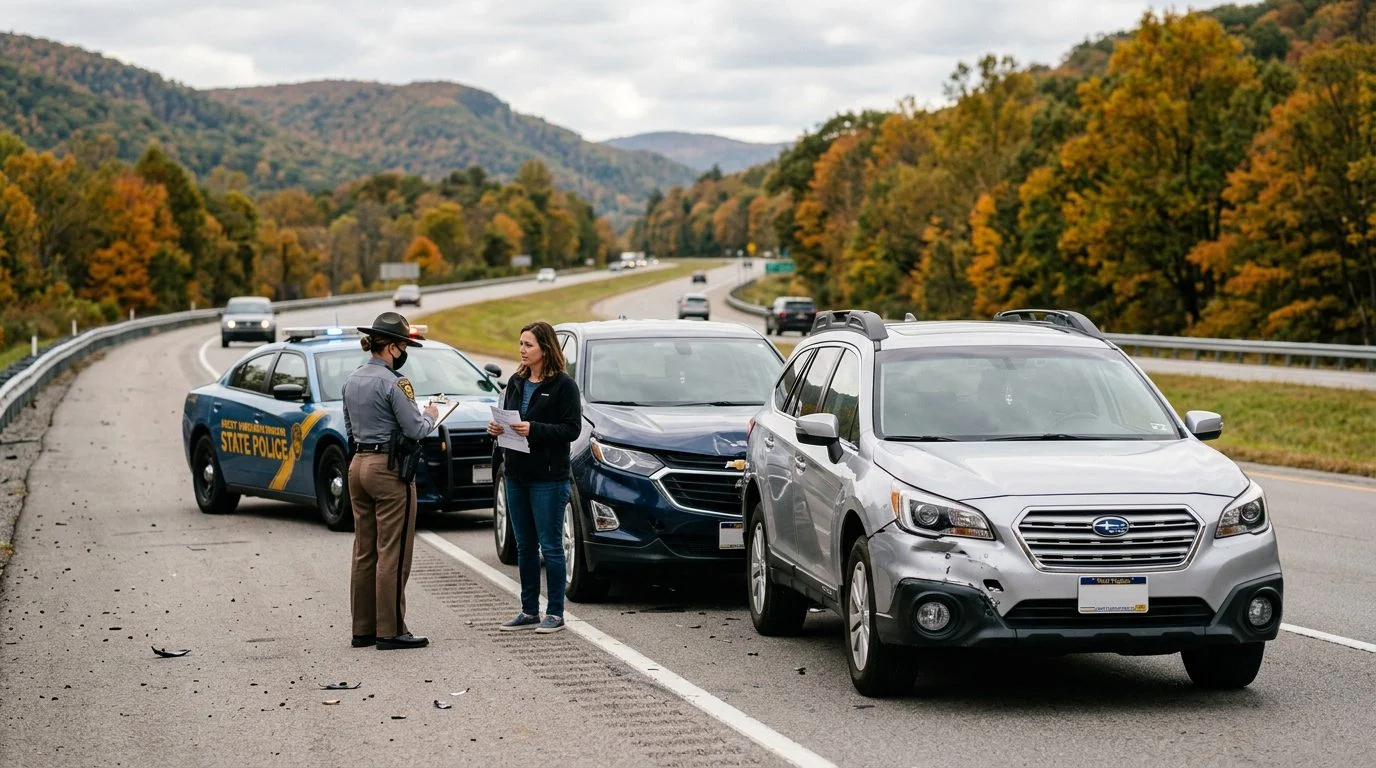
Car and Truck Accident Claims | West Virginia
Were You Hit by Another Driver in West Virginia? Here's What to Know
The firm represents people hurt in car and commercial truck crashes, including serious brain and spinal cord injuries and wrongful death. You can reach out to us to talk through what happened.
Published November 5, 2026
Can I sue someone if they crash into me? In many cases, yes. When another driver’s careless driving causes a crash, the person hurt, or whose vehicle was damaged, may have a legal claim in West Virginia. This guide explains who can be named, what a claim may cover, and the deadlines that matter most.
Short answer: can you sue a driver who hit you?
You may be able to sue a driver who hit you if that driver was negligent, meaning they failed to use reasonable care. Common examples include distracted driving, following too closely, running a red light, and unsafe lane changes.
Two kinds of losses are often handled separately:
- Property damage covers the vehicle, such as repairs, a rental, or lost use of the car.
- Personal injury covers medical care, lost income, and pain and suffering.
A claim is not a promise of payment. Whether you recover depends on who was at fault, the evidence, and the injuries involved.
If another driver's crash left you hurt or your car damaged, you may have a claim worth reviewing, and the firm is ready to talk through it with you. Talk it through with Big Bubba — the first case review is free, confidential, and carries no obligation.

Who can be named in a crash lawsuit
The at-fault driver is usually the first party a claim names. Other people may also be named if their conduct contributed to the crash.
- The vehicle owner may be named in some cases, such as when the owner let someone else drive. This is possible, not automatic.
- An employer may be named when the driver was working at the time. The answer turns on the relationship and the facts of the crash.
- Other parties whose conduct played a role may be named. This is common in crashes involving commercial vehicles, where more than one company may be involved.
If another driver was at fault, the next question is what that driver’s share of responsibility was. Each party’s share is decided on the evidence in the case.
What a claim may cover
A claim may seek the losses the crash caused you. These often include:
- Past and future medical bills
- Lost wages and reduced ability to earn
- Vehicle repair, rental, and transportation costs
- Non-economic harm, such as pain, suffering, and loss of enjoyment of life
Bills, pay records, repair estimates, and medical notes are how these losses are documented. Ongoing symptoms and limits on daily activities can matter too. They matter most when a treating provider records them and ties them to the crash.
What must be shown, and how shared fault works
Every crash claim turns on its own facts, and the firm can explain how those facts may apply to your situation.
West Virginia uses modified comparative fault. Your own share of fault can reduce what you recover. Under W. Va. Code § 55-7-13c, fault chargeable to the injured person does not bar recovery unless that person’s fault is greater than the combined fault of everyone else responsible. If it is less, recovery is reduced in proportion to that person’s share.
Picture a busy intersection where each driver says the light was green. Police findings, witness accounts, and physical evidence such as vehicle damage and skid marks would all be weighed together. The result can shift the analysis, but this is only an illustration, not a prediction.
Evidence and steps to take right after a crash
Get medical care soon, even if you feel fine. The Brain Injury Association of America states that brain injury symptoms may be masked or delayed after a crash. Neck pain and stiffness can also appear in the first few days, as described in FloridaHealthFinder’s whiplash entry.
Other steps that help protect a claim:
- Request the police crash report and keep the report number.
- Photograph vehicle damage, the scene, road conditions, and visible injuries.
- Save names and contact details for witnesses.
- Keep a written journal of symptoms, missed work, appointments, and daily limits.
- Keep every bill, receipt, and repair estimate.
The other driver’s insurer may ask for a recorded statement. You may want to understand your claim before you give one.
Insurance claims, lawsuits, and filing deadlines
Many crash claims start with the other driver’s liability insurer. A lawsuit is a formal step if the claim cannot be resolved.
Some insurers may dispute a claim, the amount of damages, or who was at fault.
West Virginia generally allows two years to file a personal injury or property damage lawsuit, under W. Va. Code § 55-2-12. Exceptions may apply. Waiting can cost you the right to sue, so do not assume extra time is available.
Your own auto policy may include uninsured or underinsured motorist coverage. These can matter when the at-fault driver has little or no coverage. Whether they apply depends on the facts and on your policy.
Not sure what your next step is?
Talk it through with Big Bubba — the first case review is free, confidential, and carries no obligation.
Crashes involving commercial trucks, serious injuries, or a death
Crashes with commercial trucks can involve more parties and more records. Federal rules generally require motor carriers, except private motor carriers of passengers (nonbusiness), driveaway-towaway operations, and any motor carrier operating only one commercial motor vehicle, to keep driver vehicle inspection reports for three months, under 49 C.F.R. § 396.11. Electronic logging devices must also accurately record and retain required data, under 49 C.F.R. § 395.8. Requesting these records early matters.
West Virginia also addresses employer liability for commercial motor vehicle crashes in W. Va. Code § 55-7-32. Its rules can turn on the employer’s insurance and the facts.
Traumatic brain injury and spinal cord injury claims often involve medical care documented over time. They may also involve future care needs.
Under W. Va. Code § 55-7-32, the base limit on noneconomic damages against an employer defendant in a civil action involving a commercial motor vehicle that requires a commercial driver’s license is $5 million per occurrence. Beginning January 1, 2026, that base amount increases each year to account for inflation under the Consumer Price Index, up to 150 percent of the stated amounts. The cap is not available to an employer defendant that lacks at least $3 million in commercial motor vehicle insurance per occurrence, and it does not apply in certain cases, such as where the operator was impaired, over hours of service, or acting in willful or wanton disregard for safety. Under W. Va. Code § 55-7-6, a wrongful death action generally must be commenced within two years after the death of the deceased person, subject to the provisions of section eighteen, article two, chapter fifty-five. W. Va. Code § 55-7-6 reads: “The provisions of this section shall not apply to actions brought for the death of any person occurring prior to July 1, 1988.” Damages may include sorrow and mental anguish, lost income and services, and medical and funeral expenses.
The firm handles car accident, truck accident, commercial vehicle, catastrophic injury, and wrongful death matters across West Virginia.
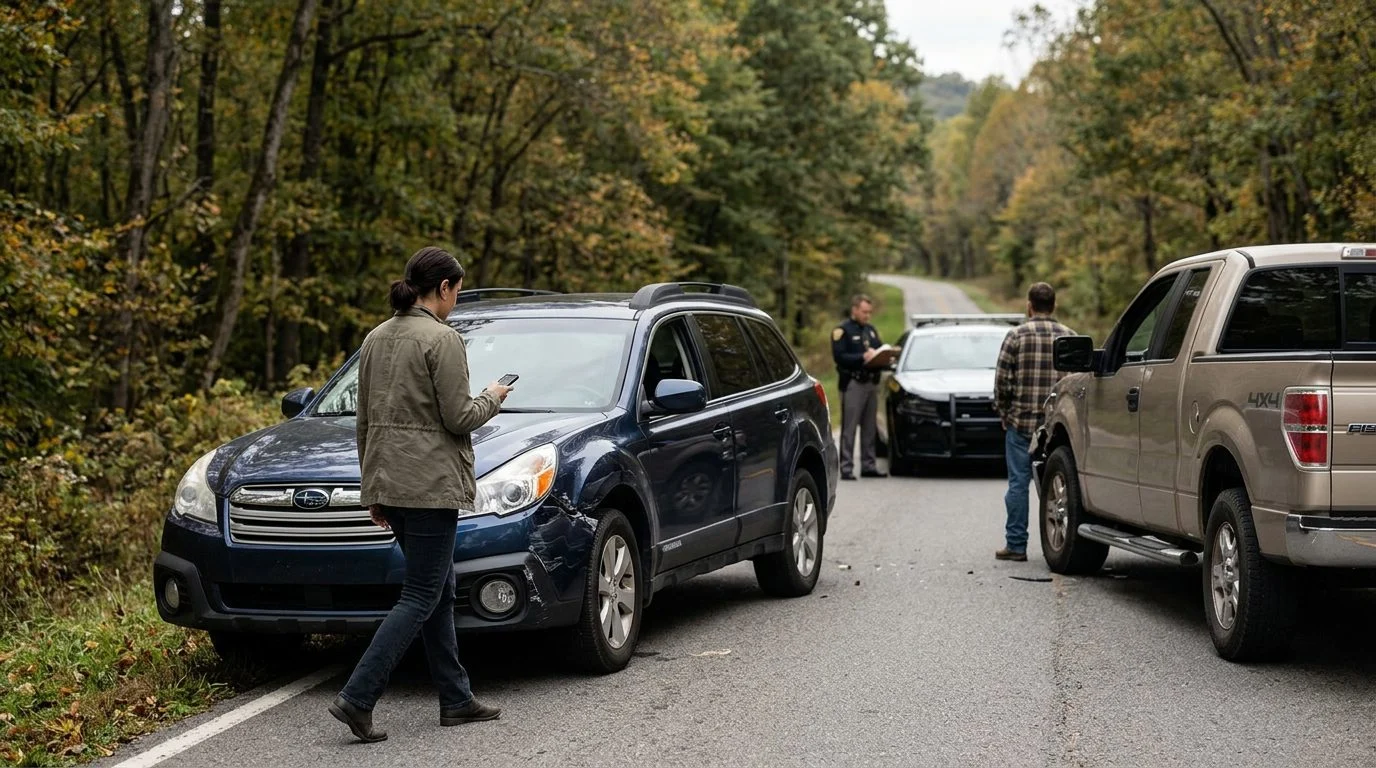
Questions to consider after a crash
If another driver hit you and you are deciding whether to sue, the firm can help you sort out the next steps.
Common questions
Can I sue if I was partly at fault?
Yes, in many cases. West Virginia’s modified comparative fault rule generally does not bar recovery unless your fault is greater than everyone else’s combined.
Who might a claim involve after a West Virginia crash?
That can turn on the circumstances of the collision and whichever law may apply, so you can tell the firm what happened during a free case review. Filing an insurance claim is different and is allowed.
Can I sue after two years have passed?
Generally, no. Exceptions may apply, so check the timing early.
Can a family sue after a fatal crash?
Generally, yes, through the personal representative, within two years after the death (W. Va. Code § 55-7-6).
If another driver’s crash left you hurt or your car damaged, bring your police report number and medical notes to a free case review with the firm.