
Catastrophic Brain Injury Claims | Parkersburg, WV
A Serious Brain Injury Changes Everything. You Don't Have to Face It Alone.
Big Bubba Injury Law represents people seriously hurt in car and commercial truck crashes, along with families in wrongful death cases. We serve Parkersburg injury victims and their families across West Virginia.
Published October 22, 2026
A catastrophic brain injury can change how a person thinks, speaks, moves and provides for a family. When a car or truck crash causes one, a claim may raise questions about who can bring the case and what damages may be recoverable. This guide explains how these claims work and what to expect. Big Bubba Injury Law serves Parkersburg and injured people across West Virginia.
What Is a Catastrophic Brain Injury Claim?
A catastrophic brain injury claim is a personal injury case for someone with a serious, lasting brain injury caused by another person’s careless driving. Doctors often call these moderate-to-severe traumatic brain injuries.
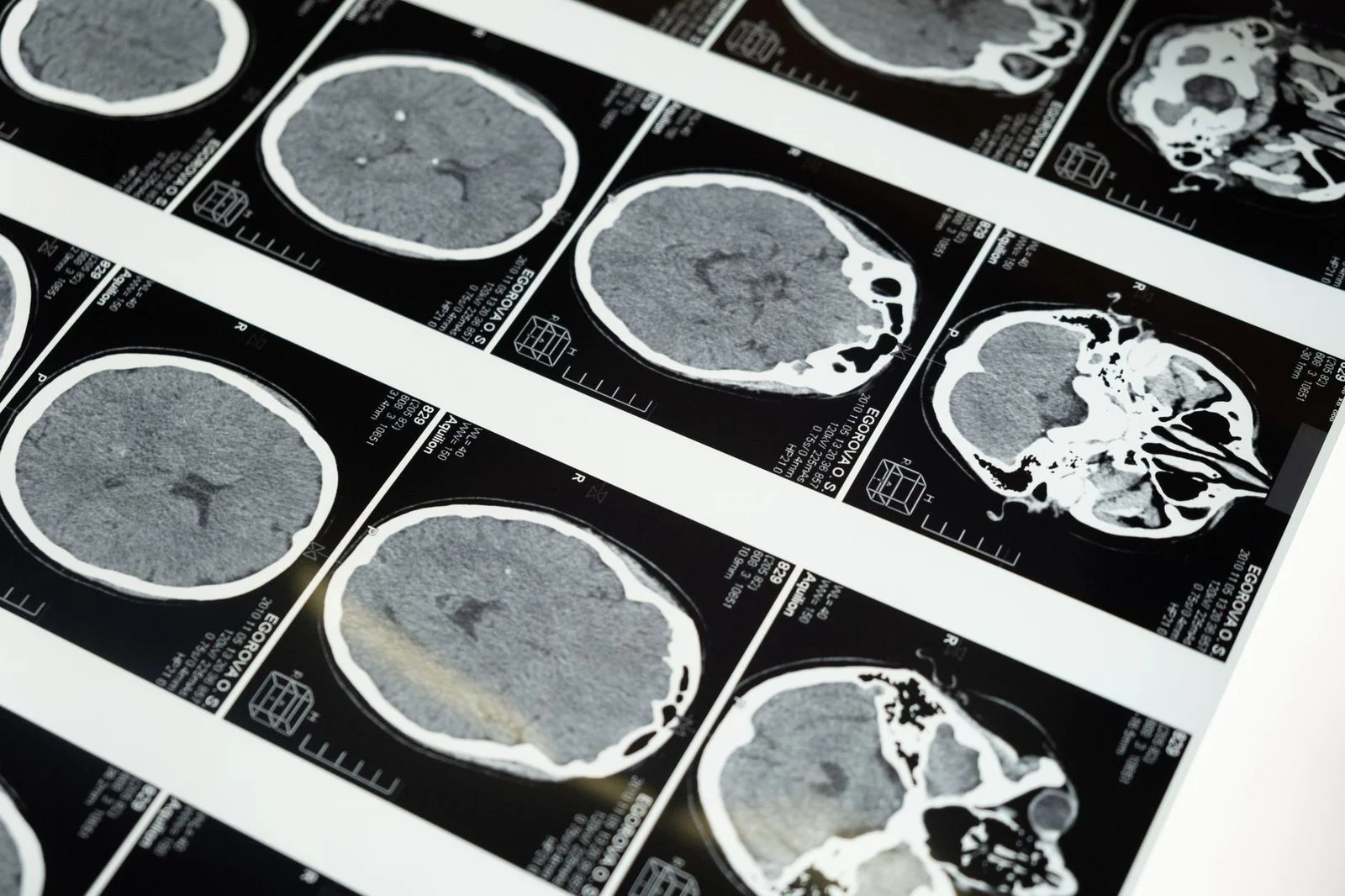
The effects can last. They may include changes to memory, attention, speech, mood, balance or the ability to live on your own. Doctors may use brain imaging and neuropsychological testing to document these changes.
Many serious brain injuries are not obvious at the scene. Symptoms can grow over days or weeks, so follow-up medical care matters early on.
Head impacts and rollovers can cause these injuries in car crashes. They can also happen in collisions involving commercial trucks and other commercial vehicles.
This page is for injured adults. It is also for spouses, parents and adult children who are deciding what to do after a loved one’s brain injury. Big Bubba Injury Law serves Parkersburg and Wood County, and it handles these cases for injured people across West Virginia.
If a crash has left you or someone you love with a serious head injury, you do not have to face the next steps alone. Tell the firm what happened. Talk it through with Big Bubba — the first case review is free, confidential, and carries no obligation.
What Damages Can a Brain Injury Claim Include?
A brain injury claim can seek compensation for medical care, lost income, future care and the harm the injury causes in daily life. Each category needs proof, so the records you keep matter.
- Past and future medical care: emergency treatment, hospital stays, surgery, neurology visits, medications and rehabilitation.
- Therapy: speech, occupational, physical and cognitive therapy, along with the notes that show ongoing need.
- Lost income: wages missed during recovery, and any loss of ability to return to the same job or hours.
- Future care: help with daily living, home changes, transportation and equipment, often supported by medical and life-care planning records.
- Non-economic harm: pain, suffering, loss of enjoyment of life and changes in family relationships.
The value of a claim depends on the medical evidence and the facts of the crash. That value cannot be predicted in advance. Two cases with similar injuries can still look very different.
How Does a Brain Injury Claim Move Forward?
A brain injury claim usually moves through a free case review, evidence gathering, medical documentation and insurance work. It then ends in settlement talks or a lawsuit.
- Free case review. You share the crash details, medical records and insurance information. The firm then reviews whether your claim fits its practice areas. You can start with a free case review at any time.
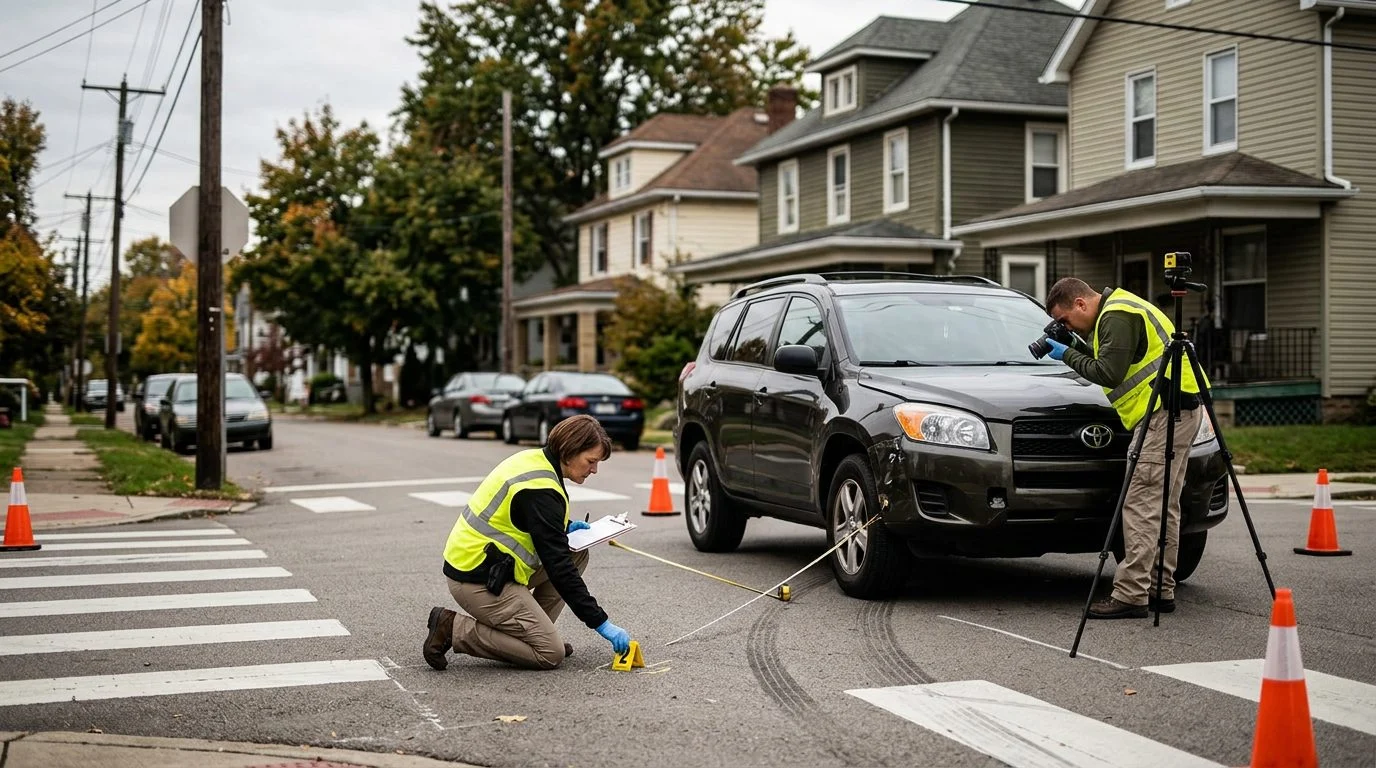
- Evidence preservation. Early requests can cover crash reports, photos, vehicle data and witness names. In truck cases, they can also reach driver logs, maintenance records and company safety files.
- Medical documentation. Records from treating providers, imaging and testing show how the injury affects daily life.
- Insurance and liability work. The firm identifies each party and insurer that may be responsible and handles contact with adjusters.
- Settlement or lawsuit. Settlement talks may begin once the medical picture is clearer. If a fair resolution is not reached, a lawsuit may be filed.
Timing matters. West Virginia generally requires a personal injury lawsuit to be brought within two years after the right to sue has accrued (W. Va. Code § 55-2-12). Early action helps protect your options.
Why Do Brain Injury Cases Depend on Medical Records?
Medical records are the core proof in a brain injury case, and they build over time. A scan or emergency note is often only the first step.
Early records may not show the full extent of the injury. Later visits can add diagnoses, test results and notes about changes at home or at work. A simple symptom journal can help you and your doctors track what is changing.
Neuropsychological testing can measure attention, memory and processing speed. Insurers sometimes argue that a normal scan means little harm. Records from testing and treating providers help answer that argument.
Be careful before giving recorded statements or accepting early offers. You may not yet know the full medical picture. The firm’s support staff help organize records, bills and correspondence, so you are not handling the paperwork alone.
What If a Brain Injury Affects Decision-Making?
When a brain injury affects judgment, the injured person may struggle to manage money, medical choices or legal matters. A family may need legal authority before a claim can move forward for that person.
Families often ask about guardianship, a court-supervised role for making decisions for someone who cannot make them safely. The process and timing can differ from case to case, so it helps to raise these questions early.
Family members who care for an injured loved one can share the day-to-day picture with the firm. That helps the firm understand which questions apply to your family’s situation.
How Do Commercial Truck Crashes Change a Brain Injury Claim?
A commercial truck crash can involve more than one responsible party, so a claim may reach beyond the driver. Possible parties include the driver, the carrier, the vehicle owner, a company that leases or controls the truck, and a maintenance provider. The facts decide who is responsible.
Some drivers are independent contractors. A carrier’s responsibility can still depend on the facts, the contract and how much control the company had.
Key records often include:
- Driver qualification files, which carriers must keep while a driver is employed and for three years after, except as provided in paragraph (d) of this section (49 C.F.R. § 391.51).
- Duty-status logs, which a motor carrier subject to the requirements of this part must require drivers to record for each 24-hour period, except for a private motor carrier of passengers (nonbusiness) (49 C.F.R. § 395.8).
- Cargo securement and maintenance history. The West Virginia Division of Motor Vehicles warns that unsecured cargo can cause serious or catastrophic crashes.
Not sure what your next step is?
Talk it through with Big Bubba — the first case review is free, confidential, and carries no obligation.
Frequently Asked Questions
Can I still have a claim if I was partly at fault?
Under West Virginia law, claims for personal injury, property damage, or wrongful death are based on comparative fault, and each person’s liability is allocated in direct proportion to that person’s percentage of fault (W. Va. Code § 55-7-13a). Your claim is not barred unless your fault is greater than all other responsible persons combined, and any recovery is reduced by your share (W. Va. Code § 55-7-13c).
What if my symptoms started weeks after the crash?
Brain injury symptoms can appear days or weeks later. Medical records made over time help connect those symptoms to the crash.
The firm handles wrongful death cases.
Should I talk to the other driver’s insurance company?
Be careful with recorded statements and early offers. Talk with the firm before you agree to anything.
Does the firm serve people outside Parkersburg?
Yes. The firm serves Parkersburg and injured people across West Virginia.
If a crash left you or a family member with a serious brain injury, the firm is ready to hear your story. Tell us what happened.