
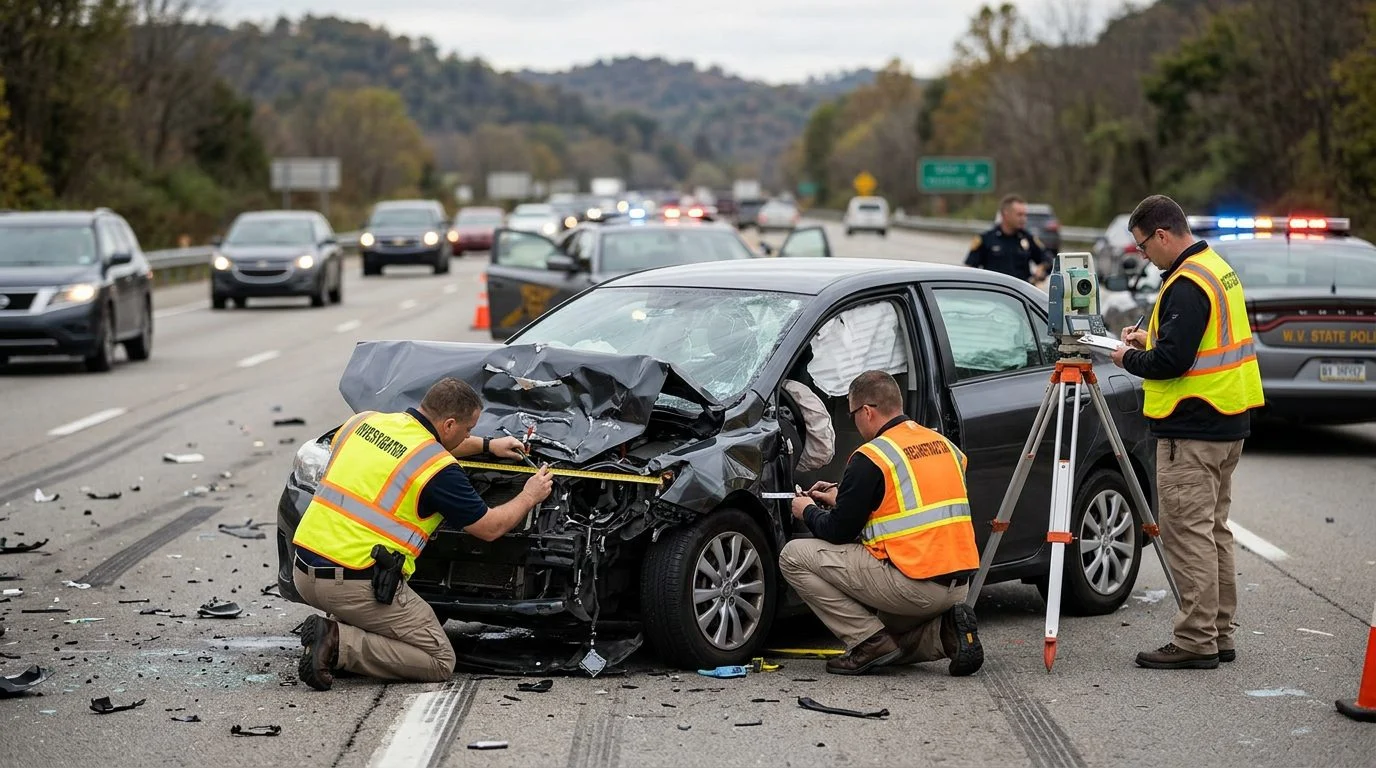
Bus Crash Claims | West Virginia
Hurt in a Bus Crash? Get Clear Answers About Your Claim
The firm represents people seriously injured in bus crashes and families who have lost a loved one across West Virginia. Tell us what happened.
Published November 4, 2026
A bus crash catastrophic injury claim is a legal claim for serious harm from a motorcoach, charter, intercity, or school bus crash. It is brought against the party or parties whose negligence may have caused the crash. This page explains how these claims work in West Virginia, in plain language.
If you want to tell Bubba what happened, you can reach the firm through its contact page.
What a bus crash injury claim is
Bus crash claims are brought by people hurt in a bus crash, or by family members after a fatal one. The claim is aimed at the party or parties whose negligence may have caused the harm.
Bus crashes can involve motorcoaches, charter and tour buses, intercity buses, and school buses. Each type can raise different questions about who operated it and who owned it. The firm handles commercial vehicle accident claims, and bus crashes often raise commercial vehicle issues.
Potential claimants may include:
- Passengers hurt on the bus
- Pedestrians or drivers struck by a bus
- Family members in a wrongful death case
If a bus crash has left you or a loved one seriously hurt, you may have a claim, and the firm is glad to talk through what happened. Talk it through with Big Bubba — the first case review is free, confidential, and carries no obligation.
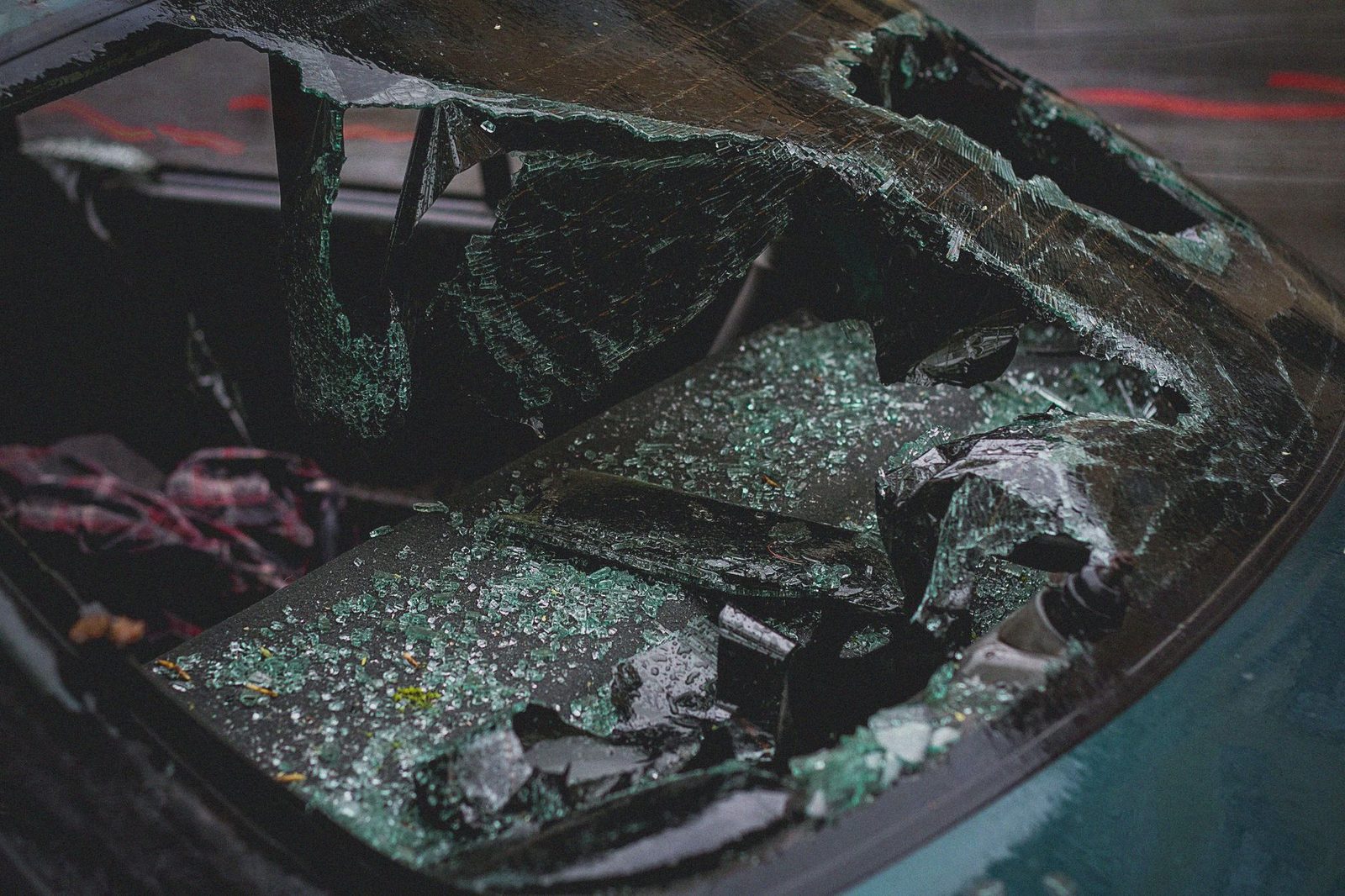
Injuries that commonly make bus crash claims catastrophic
Catastrophic injuries are serious harms that may change a person’s work, daily life, or independence for a long time.
Traumatic brain injury. A brain injury may not show its full effects right away. Some symptoms may appear later, so a neurological evaluation may be needed.
Spinal cord injury. A spinal cord injury may cause paralysis or partial loss of function. Long-term care needs may follow, based on the injury.
Fractures, internal injuries, and crush injuries. Rollovers and impacts can cause these harms. Each one needs prompt medical attention.
What helps. Report every symptom to a medical provider. Keep copies of bills, prescriptions, and appointment notes. These records may matter to a claim.
Who may be responsible when a bus crashes
More than one party may share responsibility when a bus crashes, depending on the facts. Possible parties include:
- The bus driver
- The bus operator or employer
- A company that leased, owned, or maintained the bus
- A maker of a defective part
- Another driver involved in the crash
Hiring practices can be one part of some truck accident investigations.
Claims often look at driver fatigue, distraction, speeding, poor maintenance, and road conditions such as black ice. These are factors that may be examined, not conclusions. If another driver was at fault, that driver may share responsibility.
West Virginia uses modified comparative fault. Under W. Va. Code § 55-7-13a, each person’s share of fault is stated as a percentage. Some insurers may dispute a claim.
Evidence that can matter in a bus crash claim
The records that show how a bus was driven and maintained often matter most.
- Crash and police reports. These describe the scene and the parties. Ask the responding agency how to request a copy.
- Driver qualification files. Federal rules require a motor carrier to keep one for each driver, under 49 CFR § 391.51. Federal rules generally require a motor carrier to retain each driver’s qualification file for as long as it employs that driver and for three more years, though some records in the file may be taken out once three years have passed since they were executed.
- Hours-of-service records. For passenger-carrying vehicles, 49 CFR § 395.5 limits driving to 10 hours after 8 consecutive hours off duty. These records may show how long a driver had been working.
- Maintenance and inspection records. Under 49 CFR § 396.3, carriers must inspect and maintain their vehicles and keep related records.
- Video and event data. Dashcam video, onboard electronic data, witness names, and scene photos can also matter.
Some of this evidence may be lost over time, so early action may help. If you have these records, call the firm about your case so the file can be reviewed.
Wrongful death claims after a fatal bus crash
A wrongful death claim after a fatal bus crash is brought by the personal representative of the deceased person’s estate. Under W. Va. Code § 55-7-6, the court or jury may decide how damages are shared among the surviving spouse, children, and other relatives or dependents.
Damages may include sorrow, mental anguish, and solace. They may also include expected loss of income and services, medical and hospital expenses, and reasonable funeral expenses.
West Virginia generally requires a wrongful death action to be started within two years after the death, under the same statute (W. Va. Code § 55-7-6). Exceptions may apply.
How a bus crash claim typically moves forward
A bus crash claim usually moves through a first review, evidence gathering, a claim to the responsible parties, and, if needed, a lawsuit.
- First review. The firm learns what happened in a free case review. It is confidential and carries no obligation to continue.
- Preservation. Letters may ask the bus company to keep records and video.
- Documentation. Reports, medical records, and provider notes are gathered.
- Claim. The claim is presented to responsible parties and their insurers, with negotiation where appropriate.
- Lawsuit. If a fair resolution is not reached, a suit may be filed. West Virginia generally allows two years to file a personal injury claim under W. Va. Code § 55-2-12, and exceptions may apply.
Timelines vary from case to case.
Not sure what your next step is?
Talk it through with Big Bubba — the first case review is free, confidential, and carries no obligation.
How the firm handles bus crash claims
The firm handles car accident, truck accident, and commercial vehicle accident claims. It also handles catastrophic injury, traumatic brain injury, spinal cord injury, and wrongful death claims.
We serve Charleston, Huntington, Morgantown, Wheeling, Martinsburg, Parkersburg, Beckley, Clarksburg, Fairmont, and Weirton injury victims, and families across West Virginia.
Support staff, including assistants and administrative staff, help with the work of handling claims. Clients can reach out to the firm with questions about their case.
The free case review is confidential and carries no obligation to continue. It gives you a place to describe what happened in your own words.
Common questions about bus crash injury claims
Can I still have a claim if I was partly at fault?
West Virginia generally uses modified comparative fault: the injured person’s fault does not bar recovery unless it is greater than the combined fault of all other persons responsible, and otherwise reduces recovery in proportion to the injured person’s degree of fault (W. Va. Code § 55-7-13c). How this applies may depend on the details of the crash.
Does a police report decide who was at fault?
No single document decides fault. A police report is one piece of evidence that may be considered alongside driver files, maintenance records, and video.
Should I speak with the bus company’s insurer first?
Some insurers may dispute a claim. Talking with the firm before giving a recorded statement may help you understand your options.
Do school bus crashes follow the same rules?
The statute on commercial motor vehicle employers, W. Va. Code § 55-7-32, excludes school buses and passenger carriers. School bus and motorcoach claims may follow different rules.
Next steps after a bus or motorcoach crash
If you were hurt in a bus crash, or your family is facing a loss, the next step is usually a clear look at what happened. Many people in this position are handling medical care, insurance calls, and deadlines at the same time.
Writing down the crash details now can help later. Bus crashes can raise questions about the crash itself, the injuries, and the timing of each step, and you can reach out to the firm to talk through them in a free case review.