
Catastrophic Injury Claims · West Virginia
Severe Burn Injuries From a Crash? Learn Your Options.
The firm represents people across West Virginia who suffered catastrophic burn injuries in car, truck, and commercial vehicle crashes, and families who lost a loved one.
Published November 2, 2026
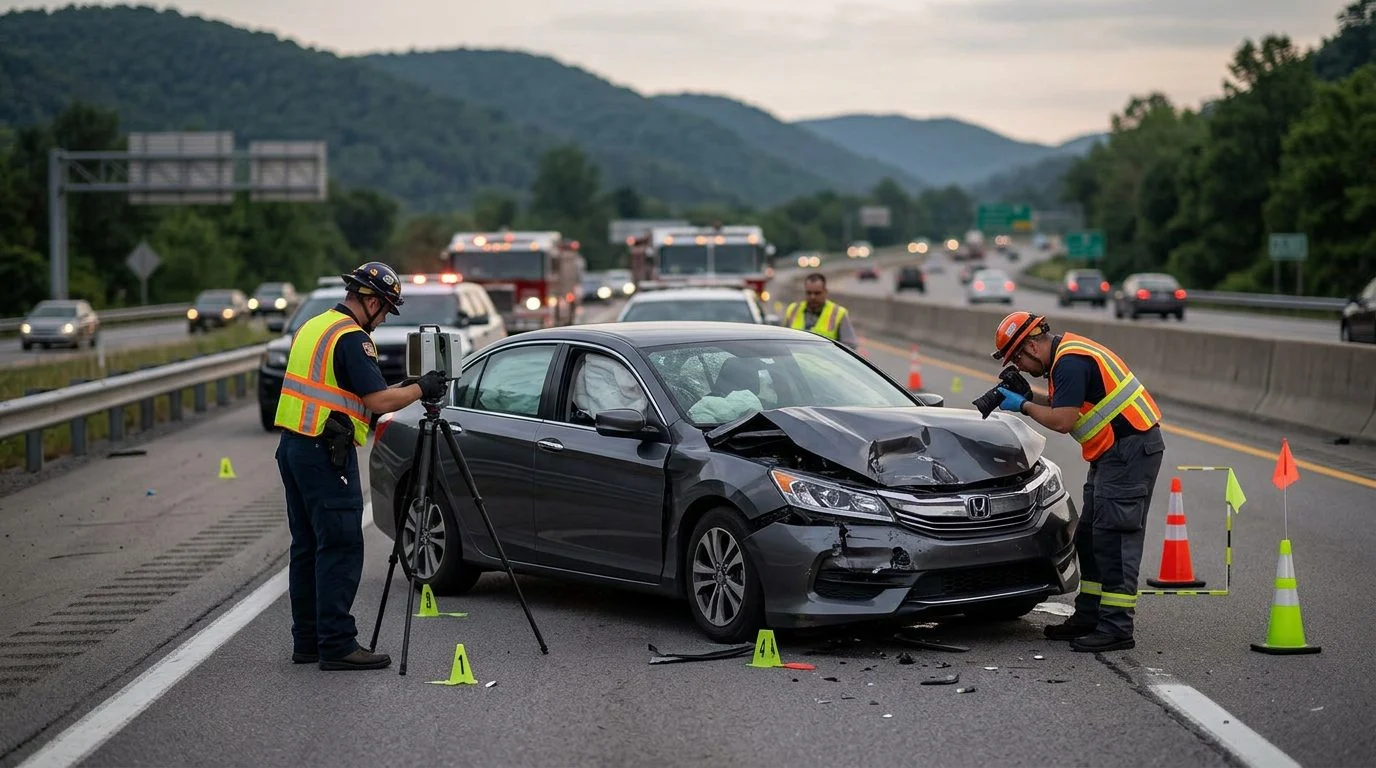
A catastrophic burn injury from a crash is a severe burn that can reach deep tissue, cover a large part of the body, or affect the face, hands, or airway. In West Virginia, the injured person and their family may have legal options against the parties whose fault contributed to the crash. This guide explains the basics in plain language. The facts of each crash decide what applies.
What a catastrophic burn injury from a crash involves
A catastrophic burn injury is a burn severe enough to need long hospital care and repeated treatment. Many people need burn unit care, surgery, skin grafts, and reconstructive procedures. Recovery varies from person to person. A treating physician, not a lawyer, decides medical prognosis.
Crash fires can start in several ways. Common sources include a post-collision fire, a fuel leak, an electrical fire, or a fire involving cargo or a tank on a truck or other commercial vehicle.
This page is for injured adults. It is also for family members who are researching a claim on someone else’s behalf while that person is still in treatment.
If a burn injury from a crash has changed your family's life, you don't have to sort out the claim alone. Reach out for a free case review. Talk it through with Big Bubba — the first case review is free, confidential, and carries no obligation.
What a burn injury claim can cover
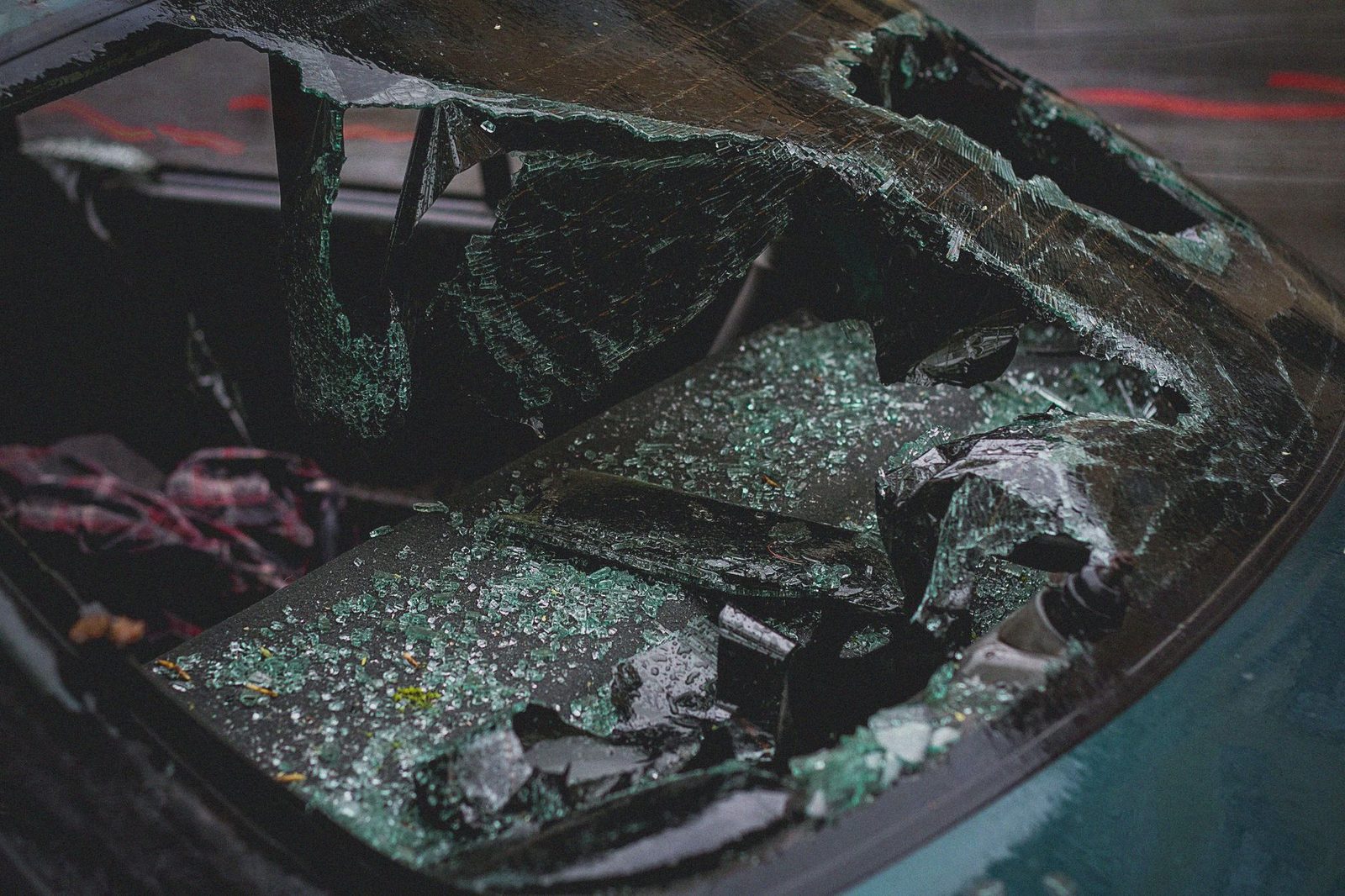
A burn injury claim may seek compensation for losses the injured person actually suffers. Losses may include:
- Medical care, from emergency treatment through burn unit care, surgery, skin grafts, and therapy
- Future medical care and equipment, when a treating doctor documents the need
- Lost wages and a lower ability to earn, including time off during recovery
- Pain, scarring, disfigurement, and emotional distress
- Household help and caregiving, when a family member provides daily care
Each claim depends on its own documented losses. What, if anything, can be recovered depends on the facts and the evidence.
Who may be responsible in a truck or commercial vehicle crash
Responsibility may fall on the driver, the company that employs the driver, or another party whose fault contributed to the crash. In West Virginia, an “employer defendant” can include the owner of a commercial motor vehicle and the employer of its operator, as defined in W. Va. Code § 55-7-32. Conditions and limits may apply, so the facts of each case matter.
Other parties may be involved depending on the facts. These can include a vehicle maintenance contractor, a company that loaded the cargo, or a parts maker. The West Virginia Division of Motor Vehicles states that unsecured cargo can cause serious or catastrophic crashes and injuries.
If another driver was at fault, the injured person may have a claim against that driver and the responsible insurer. Some insurers may dispute a claim. An insurer’s position does not decide who was at fault.
Evidence that matters early in a burn injury claim
The evidence that disappears first is often the most useful. Start with these items:
- The crash report and any fire or emergency response report, which can be requested from the responding agency
- Medical records from the emergency room, burn unit, and follow-up visits, including photos of wounds as treatment progresses
- Photos and video of the vehicles, the scene, and any fire or fuel damage, taken as soon as it is safe
- Names and contact details for witnesses, and the names of responding officers and firefighters
- A personal journal of pain, treatment, missed work, and daily limits
For commercial vehicles, trucking records can matter a great deal. Under 49 C.F.R. § 395.8, a motor carrier must keep records of duty status and supporting documents for at least six months from the date of receipt. Because these retention periods are limited, early requests matter.
How a burn injury claim generally moves forward
A burn injury claim usually moves through medical care, investigation, documentation, a demand to the insurer, and, if needed, a lawsuit. Each case differs, so the steps below describe the general path.
- Get medical treatment first. Do not delay care to build a claim.
- Talk with the firm. A free case review is confidential and carries no obligation to continue.
- Investigate the crash. This covers the vehicles, the fire, and the responsible parties, along with requests to preserve trucking records.
- Document injuries and losses. Treating providers can describe current care and future needs.
- Make a demand and negotiate. A demand goes to the responsible insurer. Negotiation follows where the facts support it.
- File a lawsuit if needed. If a fair resolution is not reached, the claim may go to court.
No fixed timeline applies. Each phase depends on medical recovery, the number of parties, and how complex the evidence is.
Deadlines and what happens if the burn victim dies
West Virginia generally allows two years to file a personal injury lawsuit, and exceptions may apply. Under W. Va. Code § 55-2-12, a personal action for personal injuries generally must be brought within two years after the right to sue accrues. Timing matters because vehicle data and video can be lost, and medical records take time to gather.
If a burn injury from a crash is fatal, family members may have a wrongful death claim. Under W. Va. Code § 55-7-6, the action is brought by the personal representative of the deceased person’s estate and generally must be commenced within two years after the death. The statute lists damages that may include sorrow, mental anguish and solace, lost income and services, care and hospital expenses, and reasonable funeral expenses. If the injured person dies from the injuries, W. Va. Code § 55-7-8 explains how the claim may continue.
Not sure what your next step is?
Talk it through with Big Bubba — the first case review is free, confidential, and carries no obligation.
Questions people ask about burn injury crash claims
Can I still file if I was partly at fault?
West Virginia uses comparative fault, which divides fault by percentage under W. Va. Code § 55-7-13a. How that applies depends on the facts of the crash.
Do I have to stop medical treatment to pursue a claim?
No. Continuing care is important for your health, and those medical records usually document the injury.
What if an insurer calls me?
Some insurers may dispute a claim. Consider talking with the firm before giving detailed statements.
Can a family member help with the process?
A family member may help gather records, photos, and information about the crash. For a wrongful death claim, the personal representative brings the action.

Request a free case review for a crash-related burn
If you are dealing with a burn injury, hospital visits, and questions about a crash you did not choose, you are not alone. A free case review is a confidential first step. It covers the crash facts, the injuries and treatment so far, the vehicles involved, and the deadlines that may apply. Reach out through the contact page when you are ready to talk about what happened.