
Traumatic Brain Injury | West Virginia
A Brain Injury After a Crash Can Be Hard to See. Here's How Doctors Diagnose It.
Plain-language answers about the exams, scans and tests used to identify a brain injury after a car accident, why symptoms can take time to appear, and how medical records support a claim.
Published October 27, 2026
So, how is a brain injury diagnosed after a car accident? Doctors usually combine several steps. They check how the person responds, examine brain and nerve function, order imaging when needed and track symptoms over time. One test rarely settles the question on its own.
This guide walks through that process in plain terms. It also explains which records help document a diagnosis, and why a family member’s notes can matter.
Why a Brain Injury After a Crash Can Be Hard to Spot Early
A brain injury often does not show on the outside. A person can look fine at the scene and still have one.
The Veterans Affairs overview of traumatic brain injury describes common causes, symptoms and severity levels for the condition. Confusion, headache, dizziness or gaps in memory can look like shock, stress or a minor bump. People in shock after a crash may not notice these signs right away.
Research also notes that the effects of brain injury may be long-lasting and may not be immediately apparent after an accident, according to a PMC article on brain injury health care and policy. That is why diagnosis is built from several sources. Doctors look at a physical and neurological exam, imaging, cognitive testing, the person’s symptom history and written records.
If you are reading this for someone else, you may be doing it on a hard day. Your loved one may still be in treatment, and the symptoms may not have a clear name yet. That is a common place to be.
If someone you love was hurt in a crash and you are still waiting on answers, Big Bubba Injury Law invites you to reach out for a free case review. Talk it through with Big Bubba — the first case review is free, confidential, and carries no obligation.
What Happens at the Scene and in the Emergency Room
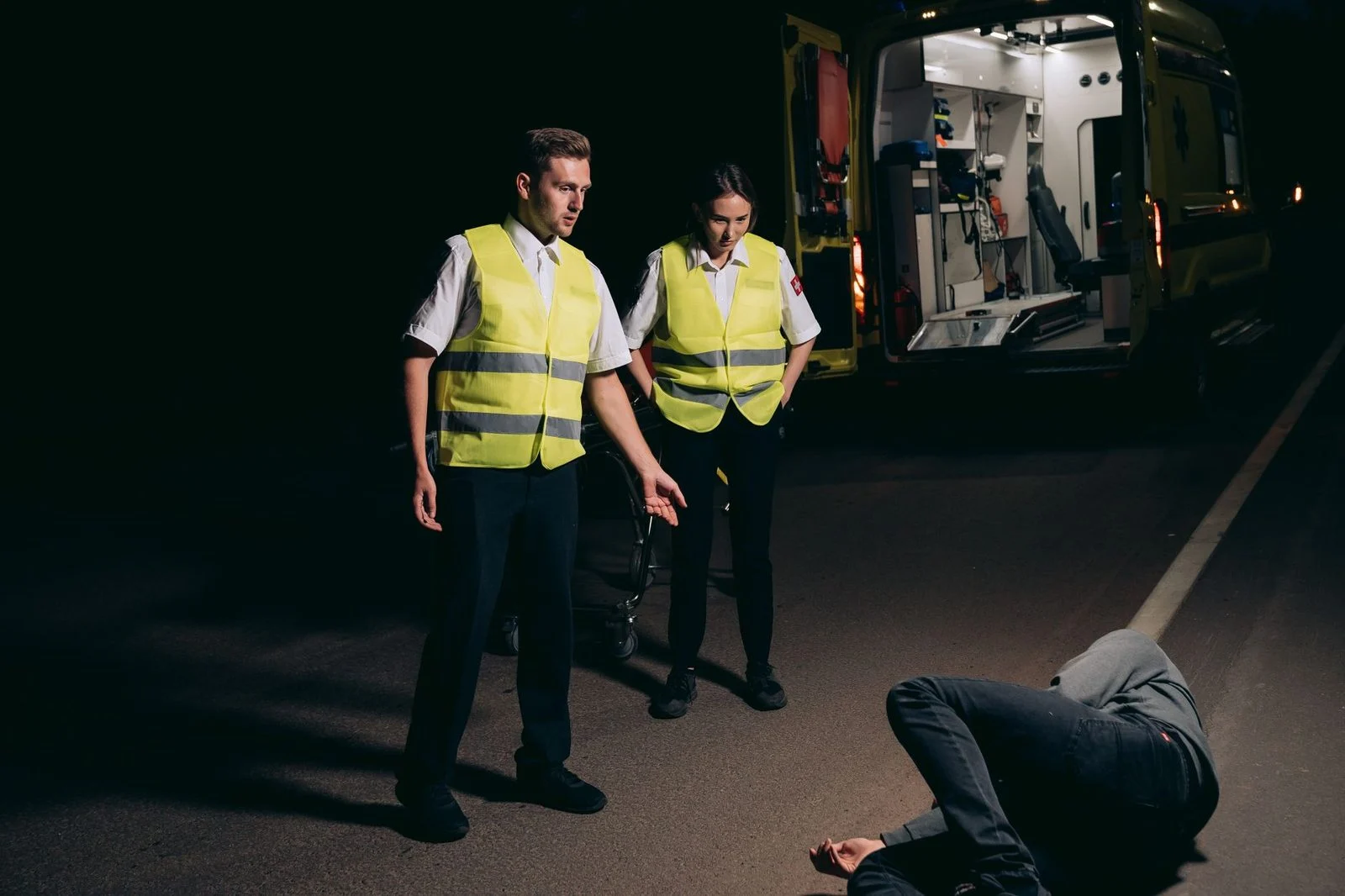
Diagnosis often starts before anyone reaches the hospital. Emergency medical technicians check responsiveness, breathing and signs of head trauma. They then write down what they see in a run report.
In the emergency room, physicians commonly use the Glasgow Coma Scale. This 15-point tool scores eye opening, verbal response and movement to measure level of consciousness. A low score, or a change in score, can signal a serious injury that needs fast care.
Repeat checks matter. Doctors often recheck a patient’s neurological status over the first hours. They do this to see whether the person is stable or changing. Each change should appear in the chart.
Ask for the full emergency department chart, including nursing notes. Nursing notes often record changes over time, such as a patient who becomes drowsy, confused or restless. These details are easy to overlook. They can help show what happened after the crash.
CT Scans: The First Imaging Test Most Patients Receive
A CT scan is often the first imaging test after head trauma because it is fast. It uses X-rays to build cross-sectional images of the skull and brain.
A CT scan can show bleeding, skull fractures, swelling and other injuries that need urgent treatment. Those findings can guide decisions in the first hours after a crash.
A CT scan may not show every injury. Small areas of damage and many concussion-related changes can be missed. Families often hear that the scan was normal and assume the brain is fine. That conclusion can be too quick. Doctors may still order more tests if symptoms continue.
A radiologist reads the images and writes a report. That written report is a key record. The images themselves can be requested separately, so ask for both.
MRI and Other Advanced Imaging
An MRI uses magnetic fields and radio waves instead of X-rays. It often shows soft-tissue damage that a CT scan can miss.
Doctors may order an MRI when symptoms continue after a CT scan looked normal. They may also use it to look for diffuse axonal injury, which is widespread damage to the brain’s nerve fibers. It can also show small areas of bleeding.
Some clinics use CT angiography to view blood vessels when a vessel injury is a concern. Imaging is one piece of the picture. Doctors read it alongside the exam, the symptoms and the testing results. A picture alone rarely tells the whole story.
Keep copies of every imaging report. The report explains what the radiologist found, and it becomes part of the medical record.
Neurological Exams and Cognitive Testing
A neurological exam checks reflexes, strength, sensation, balance, coordination, eye movement and speech. These checks help doctors find problems in how the brain and nerves work.
Cognitive screening tests look at attention, memory, processing speed and problem solving. Clinicians can repeat them over time to track change. These screens are quick and can be done at the bedside or in a clinic.
Neuropsychological testing is a longer evaluation. A psychologist or neuropsychologist often performs it. It measures specific thinking and memory skills in more detail.
Baseline and follow-up testing matter. The same tests done at different times show whether function is improving, staying the same or declining. A single test captures one moment. Repeated tests show a pattern.
Concussions and Mild Traumatic Brain Injury
A concussion is a form of mild traumatic brain injury. Many people with one have a normal CT scan.
Diagnosis usually rests on the crash history, the symptoms and the exam. Mild traumatic brain injury can be difficult to diagnose, as the PMC article on brain injury health care and policy notes. Symptoms can include headache, sensitivity to light or noise, trouble concentrating, irritability, sleep changes and feeling foggy.
A normal scan does not mean the injury was not real. A written symptom record from the beginning helps explain this to insurers, employers and family. Write down what changed, when it changed and what got harder to do.
Not sure what your next step is?
Talk it through with Big Bubba — the first case review is free, confidential, and carries no obligation.
Delayed Symptoms and Follow-Up Evaluations
Symptoms can appear days or weeks after a crash. That is why follow-up care matters. Later symptoms can include memory problems, mood changes, fatigue and trouble with work or school.
Follow-up visits with a primary care doctor, neurologist, physical therapist or other clinician often record how symptoms change. Referrals and test orders made at these visits become part of the medical record. They show the path from the first complaint to the diagnosis.
Tell every treating provider about every symptom, even ones that seem unrelated. A headache mentioned once may look unimportant later. A complete record is easier to build when the person reports everything early.
A common mistake is skipping follow-up visits or downplaying symptoms to get back to normal life. Missed visits leave gaps that are hard to explain later.
Medical and Crash Records That Document a Brain Injury
The records that document a brain injury include EMS run reports, emergency department charts, imaging reports, discharge summaries and follow-up notes. Request each one as soon as you can.
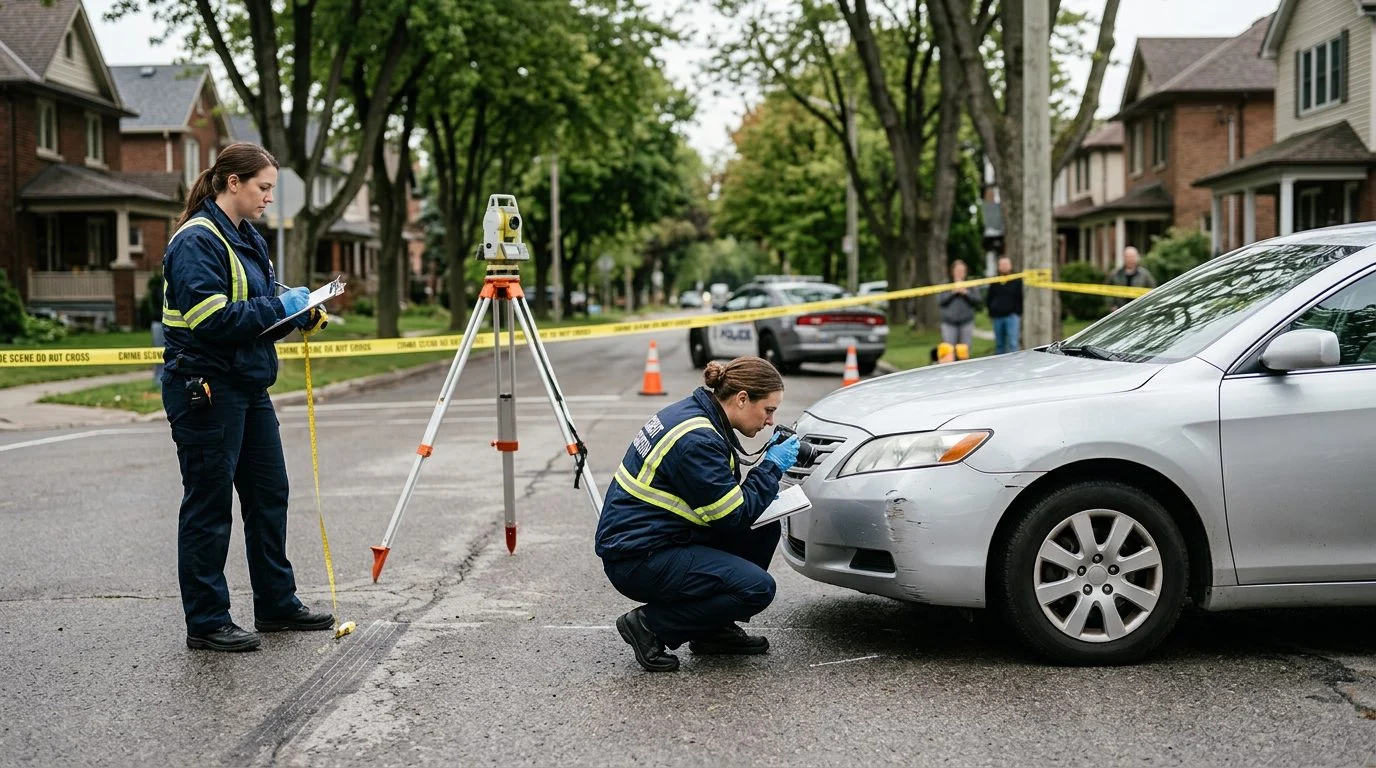
Keep a symptom journal. A family member can help. Record dates, headaches, memory lapses, mood changes and daily tasks that became harder. The police crash report and scene photographs can show how the crash happened.
When a commercial truck or other commercial motor vehicle is involved, more records may matter. Federal rules require a motor carrier to keep records of duty status and supporting documents for each driver for not less than 6 months from the date of receipt, under 49 C.F.R. § 395.8.
Except drivers for a private motor carrier of passengers (nonbusiness), drivers must submit supporting documents to their employer within 13 days of the later of the 24-hour period to which the documents pertain or the day the document comes into the driver’s possession, under 49 C.F.R. § 395.11. An electronic logging device automatically records items such as date, time, location, engine hours and vehicle miles, under 49 C.F.R. § 395.26. Because the retention period is short, early requests matter. You can read more in our guide to trucking company records after a crash.
Getting Help Reviewing a Brain Injury Diagnosis in West Virginia
Under W. Va. Code § 55-2-12, a personal action for which no other limitation period is prescribed must be brought within two years after the right to bring it has accrued, if it is for damages for personal injuries. A wrongful death action must be commenced within two years after the death, subject to the provisions of section eighteen, article two, chapter fifty-five, under W. Va. Code § 55-7-6. W. Va. Code § 55-7-6 reads: “The provisions of this section shall not apply to actions brought for the death of any person occurring prior to July 1, 1988.”
Under W. Va. Code § 55-7-13a, recovery in a personal injury or wrongful death case is based on comparative fault, and each person who proximately caused the damages, including the injured person, is assigned liability in direct proportion to that person’s percentage of fault. Under W. Va. Code § 55-7-13c, fault chargeable to the plaintiff does not bar recovery unless the plaintiff’s fault is greater than the combined fault of all other persons responsible for the total amount of damages, and if the plaintiff’s fault is less than that combined fault, the plaintiff’s recovery is reduced in proportion to the plaintiff’s degree of fault.
Big Bubba Injury Law handles car accidents, truck accidents, commercial vehicle accidents and catastrophic injuries. That includes traumatic brain injury and spinal cord injury. We serve Charleston, Huntington, Morgantown, Wheeling, Martinsburg, Parkersburg, Beckley, Clarksburg, Fairmont, Weirton and other communities across West Virginia. Families in wrongful death cases document the injured person’s medical course and their own losses. Our page on wrongful death in West Virginia explains that process.
Quick Answers About Brain Injury Diagnosis
How is a brain injury diagnosed after a car accident?
Doctors combine a neurological exam, imaging, cognitive testing, symptom history and medical records.
Can a brain injury show up on a CT scan?
Yes, a CT scan can show bleeding and fractures, but it may miss small areas of damage and many concussion-related changes.
Can symptoms appear days or weeks later?
Yes. Memory problems, mood changes and fatigue can appear later, so keep every follow-up visit.
If you are caring for someone hurt in a crash, still waiting on test results, or trying to make sense of a diagnosis that seems incomplete, you can reach out for a free case review. Big Bubba Injury Law is ready to talk through your situation.