
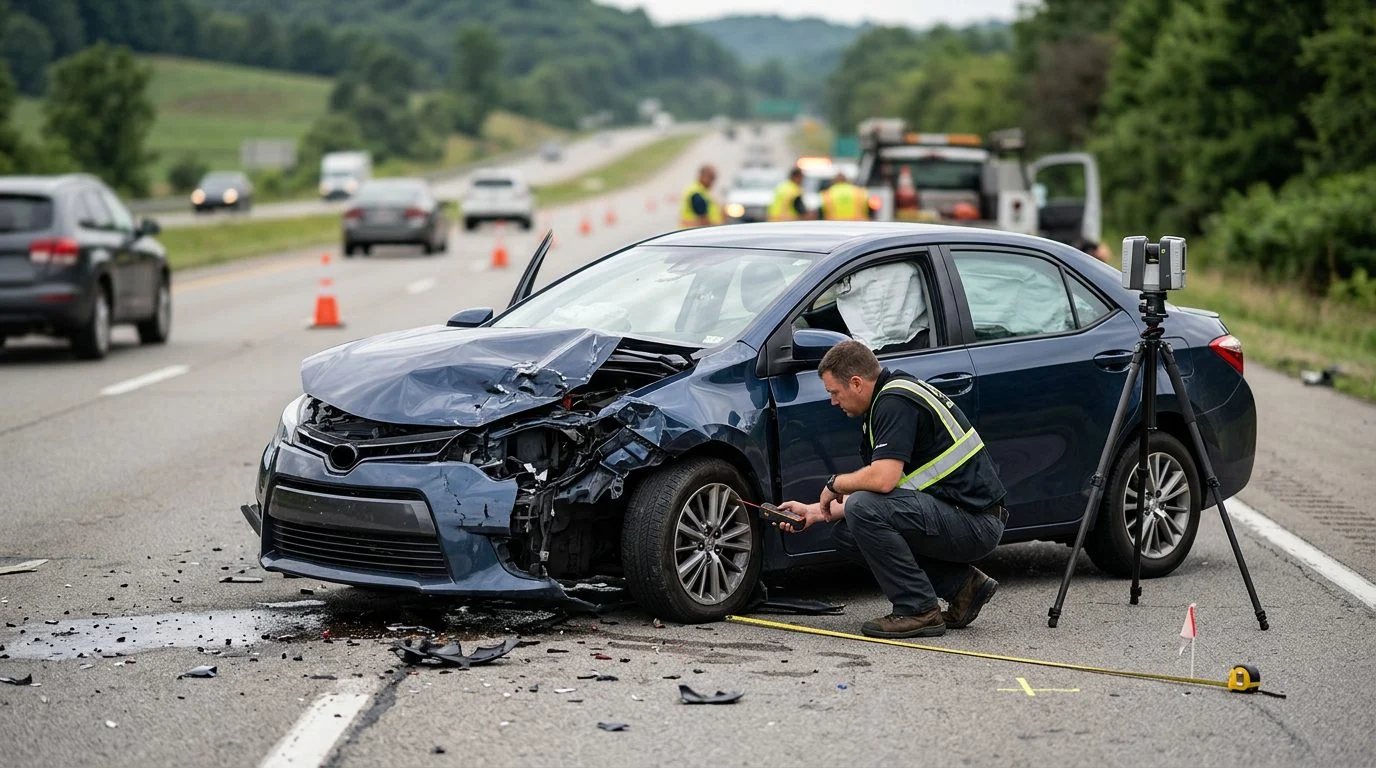
Catastrophic Injuries
When a Serious Injury Changes Everything
Catastrophic injuries—traumatic brain injuries, spinal cord damage, and life-altering trauma—demand immediate legal support. Big Bubba Injury Law helps injured people and families across West Virginia pursue the recovery they need.
Published October 07, 2026
Catastrophic Injuries: Understanding Life-Altering Harm Across West Virginia
A catastrophic injury causes permanent, life-altering changes to your physical or cognitive function—the kind of harm that reshapes daily life, independence, and financial security forever. Unlike serious injuries that heal or improve over time, catastrophic injuries often require a lifetime of medical care, therapy, and support. If you or a family member has suffered such an injury in West Virginia, understanding what it means and what legal options exist is an important first step.
Not sure what your next step is?
Talk it through with our team — the first case review is free, confidential, and carries no obligation.
What Is a Catastrophic Injury?
A catastrophic injury is one that results in permanent disability, loss of function, or severe cognitive impairment that fundamentally changes how a person lives. These injuries differ from serious but recoverable injuries because the damage is permanent and typically requires ongoing medical, rehabilitative, and personal care for the rest of the person’s life.
Common causes include vehicle crashes (both car and commercial truck accidents), workplace accidents, falls from height, and sudden medical events. Examples of catastrophic injuries include traumatic brain injury (TBI), spinal cord injury (SCI), severe burns, amputation, and permanent paralysis. The term “catastrophic” matters legally and in insurance claims because it signals that damages must account for decades of future care, not just immediate medical bills.
The Long-Term Impact of Catastrophic Injuries
The real cost of a catastrophic injury extends far beyond the emergency room. Physically, a person may lose mobility, independence, or the ability to perform basic self-care. Cognitively, traumatic brain injury can affect memory, personality, mood, and behavior in ways that persist or worsen over time. Emotionally, both the injured person and their family face profound grief and adjustment.
Financially, the burden is staggering. Lifetime medical care, rehabilitation therapy, home modifications (wheelchair ramps, accessible bathrooms, specialized equipment), lost wages, and the cost of a full-time caregiver can easily reach hundreds of thousands of dollars or more over a person’s lifetime. Insurance companies often underestimate these costs, which is why legal representation becomes critical—an attorney can help ensure that any settlement or judgment reflects the true, long-term expense of care.
Catastrophic Injuries from Vehicle Crashes
Vehicle crashes are among the leading causes of catastrophic injury in West Virginia. High-impact collisions can cause severe head trauma, spinal injuries, internal bleeding, and organ damage in seconds.
Car accidents can result in catastrophic harm when speed, impact angle, or the vulnerability of the occupants create conditions for severe injury. Truck accidents are particularly devastating because of the size and weight disparity: a commercial truck can weigh 80,000 pounds or more, while a passenger vehicle weighs around 4,000 pounds. That disparity means occupants of the smaller vehicle often suffer catastrophic injuries in a collision. Commercial vehicle accidents follow similar dynamics—the weight and momentum of large vehicles cause disproportionate harm to other road users.
These cases often involve substantial damages claims because the injuries are severe, the medical needs are lifelong, and the person’s earning capacity may be permanently reduced or eliminated.
Have questions about what happened?
Ask our team directly. The first conversation is free, confidential, and there is no obligation to continue.
Traumatic Brain Injury and Spinal Cord Injury
Two of the most common catastrophic injuries are traumatic brain injury and spinal cord injury.
Traumatic brain injury (TBI) occurs when a blow or jolt to the head causes the brain to move inside the skull, damaging brain cells and disrupting normal function. TBI can range from mild (concussion) to severe, but catastrophic TBI typically results in permanent cognitive, physical, or behavioral changes. Long-term effects include memory problems, difficulty concentrating, mood swings, sleep disturbances, and loss of executive function (planning, decision-making, impulse control).
Spinal cord injury (SCI) occurs when trauma damages the nerve fibers in the spinal cord, interrupting the signals between the brain and the rest of the body. The spinal cord ends near the L1 vertebra, but spinal nerve roots continue to run from the end of the spinal cord to the lower spinal canal. There are 31 pairs of spinal nerves branching from the left and right sides of the spinal cord. Depending on where the injury occurs, a person may experience partial or complete loss of sensation and motor function below the injury site. This can mean paralysis, loss of bladder and bowel control, chronic pain, and dependence on a wheelchair or other assistive devices.
Both TBI and SCI require specialized, ongoing medical care. Legal claims in these cases must account for decades of therapy, equipment, home care, and medical supervision.
Wrongful Death and Catastrophic Injury
When a catastrophic injury results in death, a wrongful death claim may be available. Under West Virginia law, if someone’s death is caused by the wrongful act, neglect, or default of another person or entity, the person or entity responsible can be held liable for damages.
A wrongful death action generally must be commenced within two years after the decedent’s death, subject to other provisions of West Virginia law. Damages in wrongful death cases may include sorrow, mental anguish, loss of income, services and care provided by the decedent, medical and hospitalization expenses, and reasonable funeral expenses. The law recognizes that the loss of a family member is both emotional and financial, and damages aim to reflect both dimensions.
Why Legal Representation Matters After a Catastrophic Injury
Catastrophic injury cases are complex. They require detailed medical records, expert testimony about long-term prognosis and care needs, and careful calculation of lifetime costs. Insurance companies have financial incentives to settle for less than the true value of the claim.
An attorney who handles catastrophic injury claims can help you:
- Understand your rights under West Virginia law
- Gather and organize medical evidence
- Work with medical and vocational experts to project lifetime care needs
- Negotiate with insurance companies
- Pursue a settlement or judgment that reflects the full scope of your damages
An attorney can help navigate this and other legal complexities specific to West Virginia.
Serving Catastrophic Injury Victims Across West Virginia
We serve injury victims across all 55 West Virginia counties, including Charleston, Huntington, Morgantown, Wheeling, Martinsburg, Parkersburg, Beckley, Clarksburg, Fairmont, and Weirton. Catastrophic injuries affect families everywhere in the state, and no matter where you live in West Virginia, you can reach out to us about your case.

Want to know where you stand?
Tell us what happened and our team will walk you through the options available to you, at no cost.
Frequently Asked Questions
How long do I have to file a personal injury lawsuit in West Virginia?
A personal injury lawsuit generally must be filed within two years from the date the cause of action accrues, typically the date of injury.
What damages can I recover in a catastrophic injury case?
The specific amount of damages depends on the facts of your case and is not guaranteed.
What is the difference between a traumatic brain injury and a spinal cord injury?
A traumatic brain injury affects the brain and can cause cognitive, physical, or behavioral changes. A spinal cord injury affects the nerves in the spinal cord and often results in loss of sensation or motor function below the injury site.
Does West Virginia’s comparative fault rule prevent me from recovering if I was partially at fault?
No (W. Va. Code § 55-7-13c). You can still recover damages even if you bear some fault, but your recovery will be reduced in proportion to your percentage of fault—unless your fault is greater than the combined fault of all other parties.
What is a free case review?
A free case review is an initial meeting where you can tell us what happened, ask questions, and learn about your legal options without any cost or obligation.
If a catastrophic injury from a vehicle crash, workplace accident, or other incident has left you or your family facing permanent disability and lifelong care needs, you may have a legal claim for damages. Reach out to Big Bubba to tell us what happened and explore your options in a free case review.