
Catastrophic Injury
When a Parent Suffers a Catastrophic Injury
Understanding the financial, emotional, and legal impact on your family—and what you can do about it.
Published October 08, 2026
When a Parent Suffers a Catastrophic Injury: Family Impact and Legal Claims
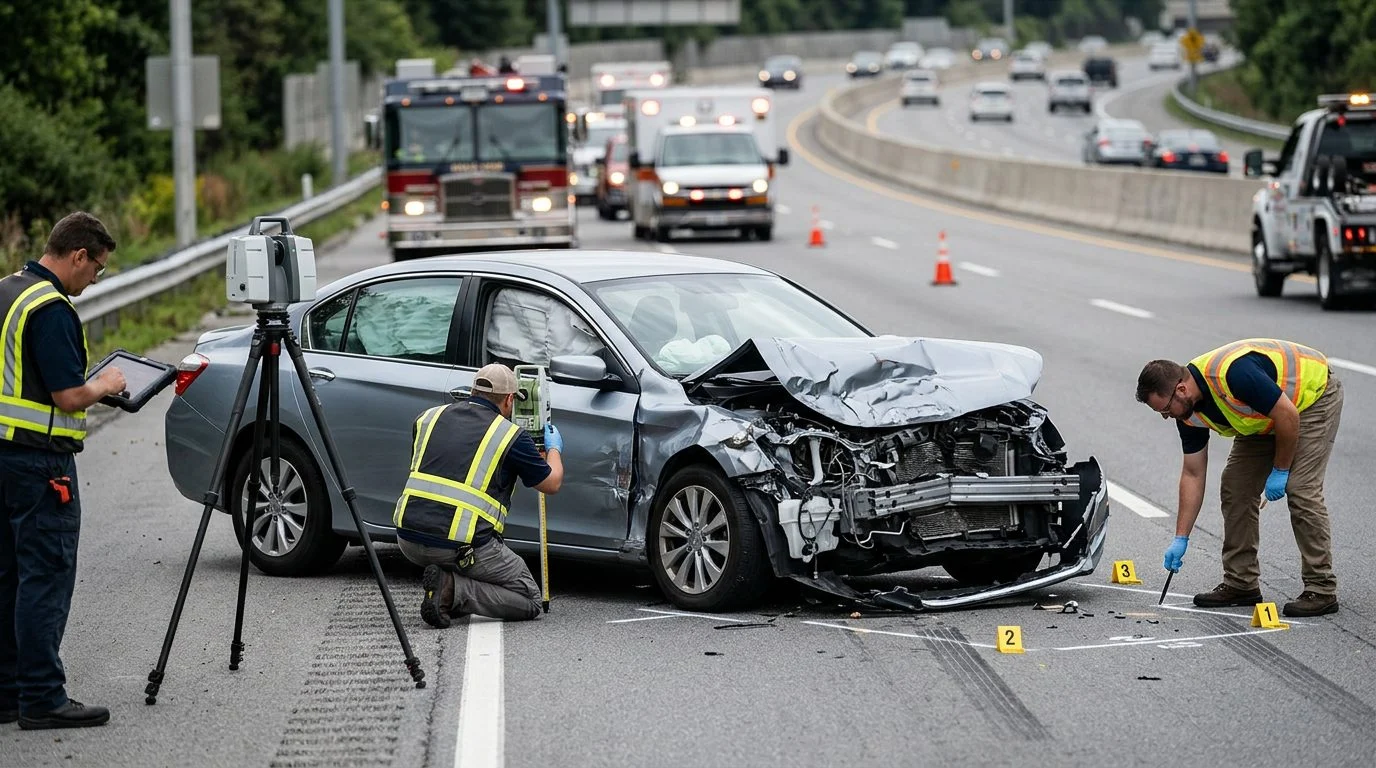
A parent’s catastrophic injury—from a car crash, truck accident, or severe trauma—upends your family overnight. Within hours or days, adult children and spouses often become caregivers, medical decision-makers, and financial managers. The injury doesn’t end at the hospital; it reshapes your family’s structure, finances, relationships, and mental health for years to come. If someone else’s negligence caused the injury, a legal claim may help offset the burden your family is now carrying.

Not sure what your next step is?
Talk it through with our team — the first case review is free, confidential, and carries no obligation.
The Immediate Shock and Sudden Role Reversal
Your parent’s catastrophic injury flips the family hierarchy in an instant. You may find yourself making medical decisions you never expected to make, coordinating care schedules, and managing hospital paperwork while processing the shock of watching a parent lose independence or mobility.
Adult children often describe the first weeks as a blur—hospital visits, conversations with doctors using unfamiliar terminology, logistical chaos. Spouses become nurses and advocates. Siblings divide responsibilities or feel pressure to “do more.” The emotional weight of this role reversal is profound. You’re grieving what your parent has lost while simultaneously stepping into a caregiver role you didn’t choose and aren’t trained for.
Long-Term Medical Care and Physical Demands
A catastrophic injury—traumatic brain injury (TBI), spinal cord injury (SCI), severe burns, or multiple trauma—often requires lifelong medical care. Your parent may need ongoing rehabilitation, physical therapy, medications, mobility equipment, and frequent doctor visits. Family members become informal nurses, learning medical terminology, managing medications, tracking symptoms, and advocating in medical settings.
Home modifications add another layer. Ramps, grab bars, accessible bathrooms, and wheelchair-accessible entrances are expensive. Adaptive equipment—hospital beds, lifts, communication devices—compounds the cost. Siblings or spouses may need to reduce work hours or take unpaid leave to provide care or attend appointments. The physical and logistical demands on your family are relentless.
Financial Burden: The Hidden Crisis
Medical bills arrive fast. The first year of care for a catastrophic spinal cord injury can cost between $472,190 and $1,446,827, depending on severity, according to the National Spinal Cord Injury Statistical Center. Lifetime costs for someone injured at age 25 range from $2.1 million to $6.4 million. Insurance may cover some expenses, but gaps remain. Rehabilitation, home care, adaptive equipment, and ongoing treatment quickly exhaust savings.
Your parent’s lost wages compound the crisis. If your parent can’t return to work, household income drops sharply. Family members’ reduced earning capacity—time off work for caregiving, part-time shifts to manage appointments—creates a second financial hit. Families face impossible choices: pay for therapy or pay rent, choose treatment based on cost rather than medical need, defer home modifications that would improve safety and quality of life.
Mental Health and Emotional Toll on the Family
Family members of catastrophically injured parents experience higher rates of depression, anxiety, and caregiver burnout. The grief is real: you’re mourning the loss of your parent as they were while adapting to who they are now. Your parent may struggle with depression, anger, or loss of identity—emotions that ripple through the household and affect everyone’s wellbeing.
Siblings may feel guilt or resentment. One child may shoulder more responsibility while another manages their own family and career, creating tension and unspoken blame. The isolation of caregiving—the long nights, the repetitive tasks, the loss of your own life—wears on mental health. The parent-child relationship transforms. You’re no longer the child seeking guidance; you’re the guide. That loss is profound, even when caregiving is necessary and you’re committed to it.
Changes in Lifestyle and Family Relationships
Vacations, family gatherings, and everyday activities must now be planned around medical needs and accessibility. Marriages and partnerships face strain as one spouse becomes a caregiver and the couple’s intimate relationship transforms. Grandchildren may see a grandparent in pain or with cognitive changes, affecting their sense of security and family continuity.
The family’s identity shifts. What you were—a family that traveled together, celebrated freely, moved through the world without barriers—becomes what you must become: a family organized around medical needs, accessibility, and adaptation. That shift takes time, grief, and resilience to navigate.
Have questions about what happened?
Ask our team directly. The first conversation is free, confidential, and there is no obligation to continue.
What to Do If Your Parent Suffers a Catastrophic Injury
Seek immediate medical care. Your parent’s health comes first. Don’t let cost concerns delay treatment in the acute phase.
Document everything. Keep copies of medical records, hospital bills, rehabilitation reports, photographs of injuries and home modifications, and detailed notes on how the injury affects your parent’s daily life and your family’s routines. This documentation matters if a legal claim becomes necessary.
Build a support network. Family, friends, counselors, and support groups for families of catastrophic injury survivors help distribute the emotional and practical load. You don’t have to carry this alone.
Learn about your parent’s condition. Understanding the prognosis, long-term care needs, and rehabilitation potential helps you advocate effectively and plan realistically for the future.
Explore benefit programs. Investigate Medicare, Medicaid, Social Security Disability Insurance (SSDI), workers’ compensation (if the injury occurred at work), and state or local assistance programs. These resources can offset some costs.
Consult a personal injury attorney. If your parent’s injury resulted from a car accident, truck crash, commercial vehicle accident, or someone else’s negligence, an attorney can determine whether a legal claim is possible and how it might help your family.
How a Legal Claim Can Help Your Family
If your parent’s catastrophic injury resulted from negligence—a negligent driver, a commercial truck company’s failure to maintain its vehicle, an employer’s negligent hiring or retention of an unsafe employee, or an unsafe driver entrusted with a vehicle—a personal injury claim may recover damages.
A catastrophic injury can bring many kinds of costs, such as medical treatment, ongoing care, time away from work, and changes to a home to accommodate a new disability. A successful claim does not undo the injury, but it can reduce the financial pressure on your family and allow resources to focus on your parent’s recovery and quality of life.
An attorney handles communication with insurance companies, investigation, and negotiation—work that protects your family from pressure or low-ball settlement offers. West Virginia law recognizes modified comparative fault, which means your parent’s damages are reduced in proportion to any fault on their part, but they can still recover unless their fault exceeds the combined fault of all other parties.
Creating a Support Network and Managing Caregiver Stress
Caregiver burnout is real and serious. Families who share the load—rotating responsibilities, seeking respite care, and asking for help—fare better emotionally and practically. Counseling, support groups, and respite care services provide relief and perspective for family members under constant stress.
Setting boundaries is not selfish; it is necessary for your own health and your ability to help your parent long-term. Professional home care, even part-time, can reduce the burden on family members and improve the quality of care your parent receives. You cannot pour from an empty cup.
Moving Forward as a Family
Adaptation takes time. Families do not “get over” a parent’s catastrophic injury; they learn to live with it and find new meaning and connection. Celebrating small victories—your parent’s progress in therapy, a family outing that works, a moment of laughter—sustains hope and resilience.
Legal and financial security—knowing that a claim is being pursued or that benefits are in place—allows your family to focus energy on what matters most: your parent’s wellbeing and your own.

Want to know where you stand?
Tell us what happened and our team will walk you through the options available to you, at no cost.
Frequently Asked Questions
How long do I have to file a personal injury claim for my parent’s injury in West Virginia?
In West Virginia, a personal injury lawsuit generally must be filed within two years after the right to bring the claim accrues. If your parent’s injury resulted in death, a wrongful death action generally must be brought within two years after death, subject to certain exceptions.
Can I recover damages if my parent was partially at fault for the accident?
Yes. West Virginia follows a modified comparative fault rule: your parent’s damages are reduced in proportion to their percentage of fault, but they can still recover as long as their fault does not exceed the combined fault of all other parties.
Can an employer be held liable if my parent was injured by an unsafe employee?
After a crash involving a commercial driver, questions sometimes arise about whether an employer should have kept that driver on the job. We can look at how a company hired, supervised and retained the people behind the wheel as part of reviewing what happened in your case. This may apply in workplace vehicle accidents or other scenarios where the employer’s negligence in hiring or retaining the employee caused the injury.
What if my parent was injured by a commercial truck driver?
Commercial truck companies have a duty to maintain their vehicles, hire qualified drivers, and ensure safe operations. If a truck accident caused your parent’s injury, multiple parties may be liable: the driver, the trucking company, the vehicle owner, or the company that hired or retained the driver.
If your parent’s catastrophic injury resulted from a car crash, truck accident, or someone else’s negligence, your parent may have a claim to help offset the burden your family now carries. Serving West Virginia injury victims across Charleston, Huntington, Morgantown, Wheeling, Martinsburg, Parkersburg, Beckley, Clarksburg, Fairmont, Weirton, and all 55 West Virginia counties, Big Bubba Injury Law handles car accidents, truck accidents, commercial vehicle accidents, and catastrophic injuries. We can help you understand your options and pursue the recovery your family deserves. Tell Bubba what happened—request your free case review today.