
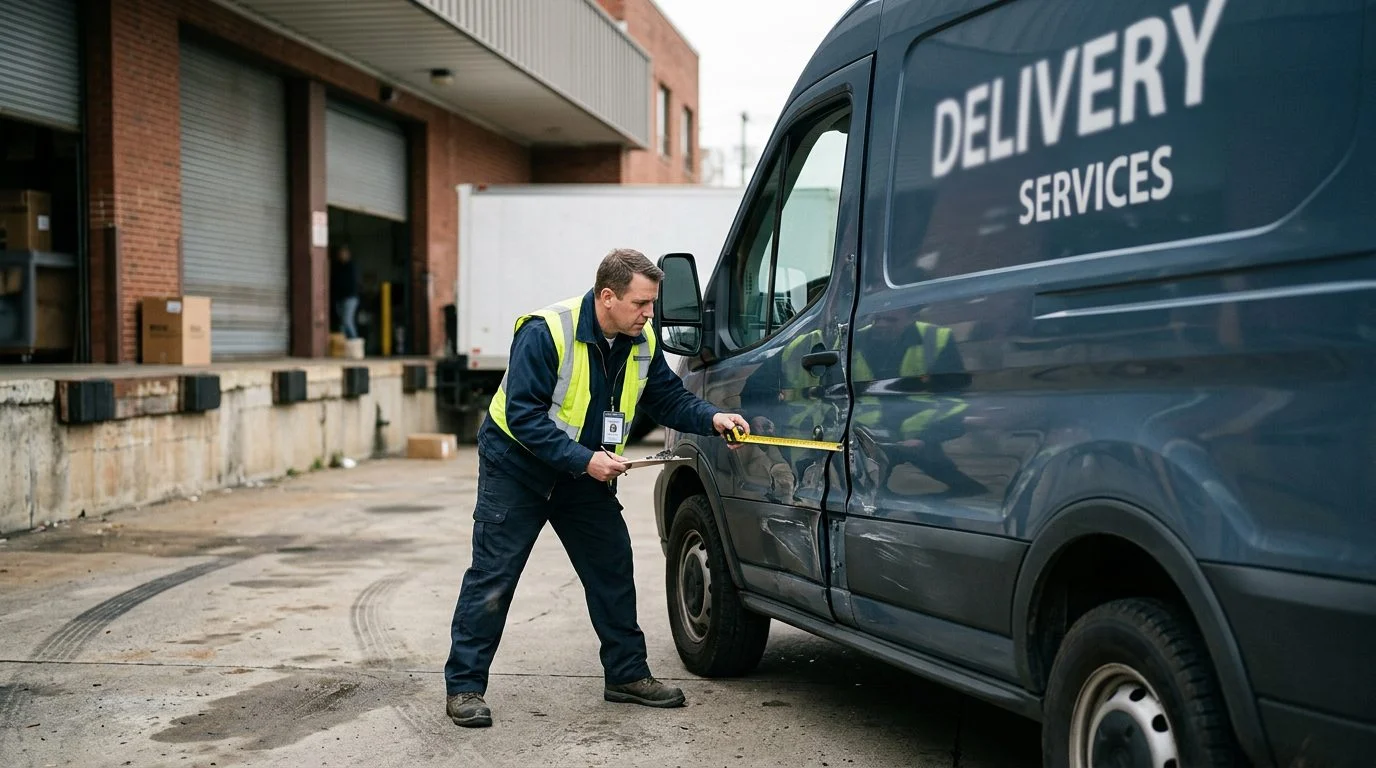
Commercial Van Crashes | West Virginia
Hurt in a Work Van Crash? Talk to the Firm About Your Case.
We represent people injured in car, truck and commercial vehicle crashes across West Virginia, along with families in wrongful death cases. Reach out for a free case review.
Published November 6, 2026
A commercial van accident injury claim seeks compensation for injuries or a death caused by a crash involving a van used for work, delivery, or business. In West Virginia, these claims often involve more people and companies than an ordinary car crash. Here is a plain guide to the commercial van accident injury claim West Virginia families and drivers may need to understand, and how to start.
What a commercial van crash injury claim is
A commercial van crash claim is a claim for harm caused by a crash involving a van used for business. Examples include cargo vans, delivery vans, and contractor vans that carry tools or equipment.
These claims can involve more parties than a typical car accident. Besides the driver, a claim may look at the employer, the vehicle owner, a leasing company, or a company that maintained the van. Each may have a role in what happened.
This page is written for injured drivers and passengers, pedestrians and other road users, and families in wrongful death cases. The firm handles car accident, truck accident, commercial vehicle accident, catastrophic injury, traumatic brain injury, spinal cord injury, and wrongful death matters in West Virginia.
If a work van crash changed your day or a family member's life, you don't have to sort out the next step alone. Reach out to us for a free case review. Talk it through with Big Bubba — the first case review is free, confidential, and carries no obligation.
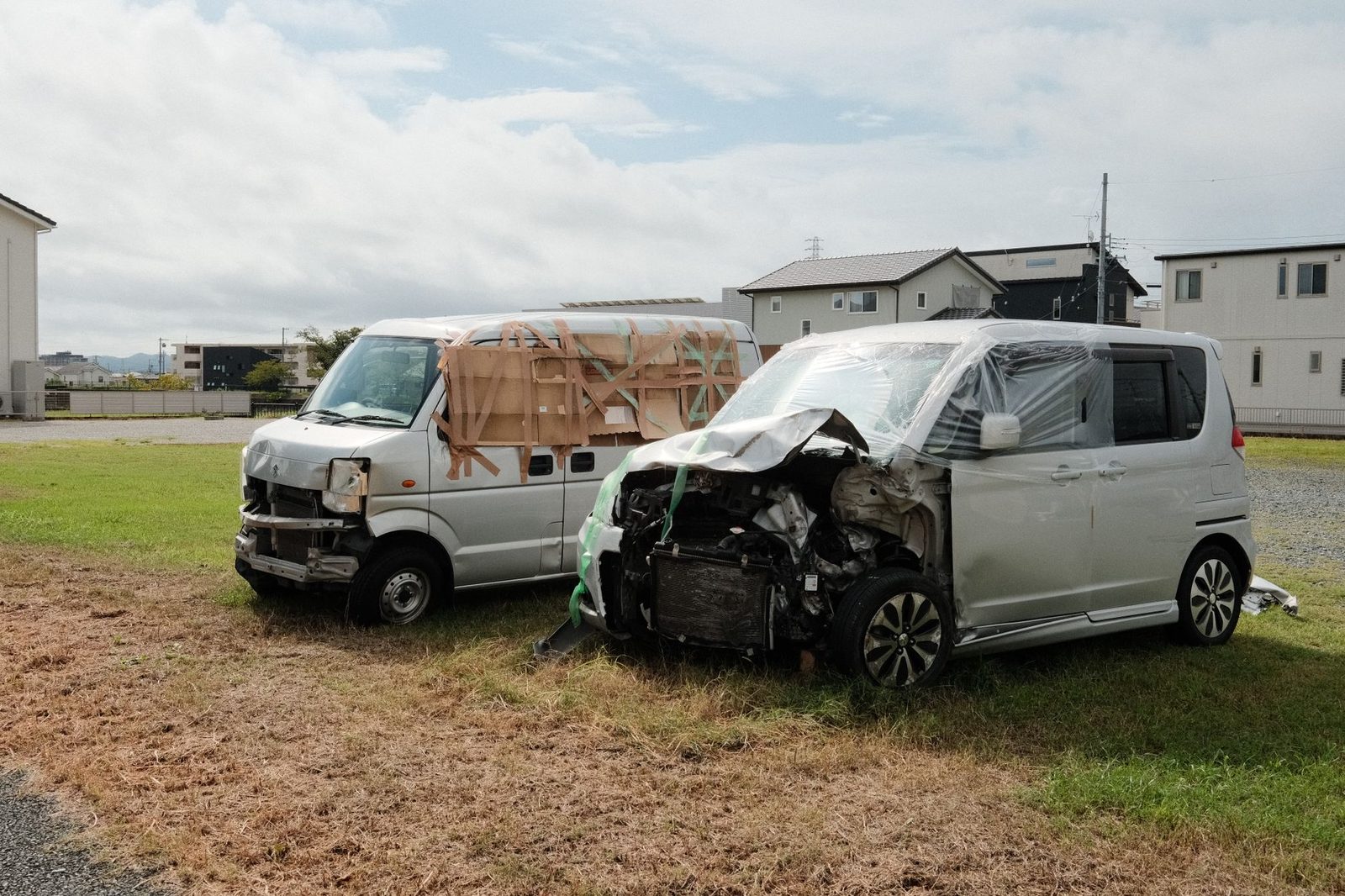
Vehicles and crashes this page covers
Cargo vans, passenger vans used for work, delivery vans, and service vans all fall into this category. Who owned the van and why it was on the road often matter as much as the van itself.
Common crash types include:
- Rear-end and intersection collisions
- Lane-change crashes
- Rollovers, especially when a load shifts
- Backing accidents at loading docks or job sites
A van on a work trip can raise questions a private car crash does not. Work schedules, dispatch records, and maintenance logs may all become part of the picture.
We serve injury victims in Charleston, Huntington, Morgantown, Wheeling, Martinsburg, Parkersburg, Beckley, Clarksburg, Fairmont, and Weirton. If you were hurt elsewhere in the state, you can still reach out and tell us what happened.
Who may be responsible for a commercial van crash
The driver, the employer, and others may each share responsibility, depending on the facts. A company owning the van does not decide responsibility on its own.
The driver may be responsible if careless driving caused the crash. Examples include distracted driving, speeding, or driving while too tired to stay alert.
West Virginia law defines an “employer defendant” to include the vehicle’s owner, the operator’s employer, and anyone who holds legal control over the vehicle or driver. W. Va. Code § 55-7-32 applies to certain commercial motor vehicle cases. Whether a particular van falls under it depends on the statute’s definitions and whether the vehicle requires a commercial driver’s license. The statute also limits certain noneconomic damages against an employer defendant, which cannot use that limit unless it has commercial motor vehicle insurance of at least $3 million for each occurrence, and it lists situations where that limit does not apply.
West Virginia also uses a shared fault rule, often called comparative fault. Under W. Va. Code § 55-7-13c, your recovery is generally reduced by your own share of fault. It is barred only if your fault is greater than the combined fault of everyone else responsible.
Some insurers may dispute a claim. A clear record of who did what can help those discussions.
Injuries and losses a claim may address
A claim may address medical care, lost income, and other losses tied to the injury. Families in a fatal crash may bring a wrongful death claim.
Some van crashes cause catastrophic injuries, such as traumatic brain injury or spinal cord injury. Recovery and long-term needs vary a great deal from person to person, so each case needs its own medical picture.
Medical care comes first after any crash. Keep every bill, record, and follow-up appointment, because they show what happened to you.
A claim may address losses such as:
- Past and future medical care and rehabilitation
- Lost wages and lost ability to earn
- Help you need at home
- Pain and suffering from the injury
For families, W. Va. Code § 55-7-6 lets the jury award damages it considers fair and just in a wrongful death case, directs how those damages are distributed among surviving spouse, children, and other eligible survivors, and requires the jury to state separately the amount awarded for reasonable funeral, hospital, medical and other expenses. These include sorrow, mental anguish, and solace; expected loss of income and services; care and hospital expenses; and reasonable funeral expenses.
How the claim process works, step by step
A claim usually starts with a free case review, then moves through evidence, investigation, and talks with insurers. Each case moves at its own pace.
- Free case review. The firm offers a free case review, which is confidential and carries no obligation to continue. You tell the firm what happened, and the firm reviews the basic facts.
- Secure evidence. Gather the crash report, photos, witness names, and any vehicle or dispatch records you can reach.
- Investigate. Review medical records, maintenance history, driver logs, and insurance coverage where available.
- Identify parties. Determine who may be responsible and which insurers may be involved.
- Negotiate. Talks with insurers may take time, depending on the injuries and the number of parties.
- File suit if needed. If a fair resolution is not reached, a lawsuit may be filed in the right West Virginia court. Many claims resolve without a trial, but some do not.
Evidence to preserve and time limits to know
Early evidence often matters most. West Virginia generally allows two years to file a personal injury claim, and exceptions may apply (W. Va. Code § 55-2-12).
Under W. Va. Code § 55-2-12, personal injury actions generally must be brought within two years after the right to sue accrues. For wrongful death, W. Va. Code § 55-7-6 generally requires the action within two years after the death, brought by the personal representative.
Helpful evidence often includes:
- The police or crash report
- Photos of the van, its load, and the scene
- Dash camera footage or phone photos
- Names and phone numbers of witnesses
- Medical bills, pay stubs, and a simple journal of daily limits
Companies may keep logs, GPS data, inspection reports, and maintenance records. Federal rules require many motor carriers to keep vehicle maintenance records for one year, and for six months after a vehicle leaves their control, as set out in 49 C.F.R. § 396.3. Because records are not kept forever, raising the issue early can help.
Drivers must also record their duty status under many federal rules. 49 C.F.R. § 395.8 covers those records and bars false reports.
Unsecured loads are another concern. The West Virginia Division of Motor Vehicles explains that unsecured cargo can cause serious or catastrophic crashes and injuries.
Not sure what your next step is?
Talk it through with Big Bubba — the first case review is free, confidential, and carries no obligation.
What sets the firm’s approach apart
The firm represents people seriously hurt in car and commercial truck crashes, people with catastrophic brain and spinal cord injuries, and families in wrongful death cases across West Virginia.
The firm handles commercial vehicle and van crash matters alongside car and truck accident claims. That means one review can look at the vehicle, the work relationship, and the injuries together.
The firm has support staff who help clients gather records, keep track of documents, and follow medical updates.
The firm offers a free case review. It is confidential and carries no obligation to continue. You can reach out and tell the firm what happened in your own words.
Common questions about commercial van accident injury claims in West Virginia
Is a work van crash handled differently from a personal car crash?
It can be. More parties and records may be involved, such as an employer, a vehicle owner, and company logs.
Can I make a claim if I was a passenger or a pedestrian?
Passengers and pedestrians may have claims in some situations. The answer turns on who caused the crash.
What if the van driver worked for a contractor or delivery service?
Responsibility may extend to the company that directed the work. The firm can review that relationship during a free case review.
Does a van crash claim have to go to court?
Many claims resolve without a trial. Some need a lawsuit to reach a fair result.
Can a family bring a claim after a fatal van crash?
Under W. Va. Code § 55-7-6, a wrongful death claim is brought by the personal representative. Damages may be shared among certain surviving family members. The firm handles these matters for families across West Virginia.
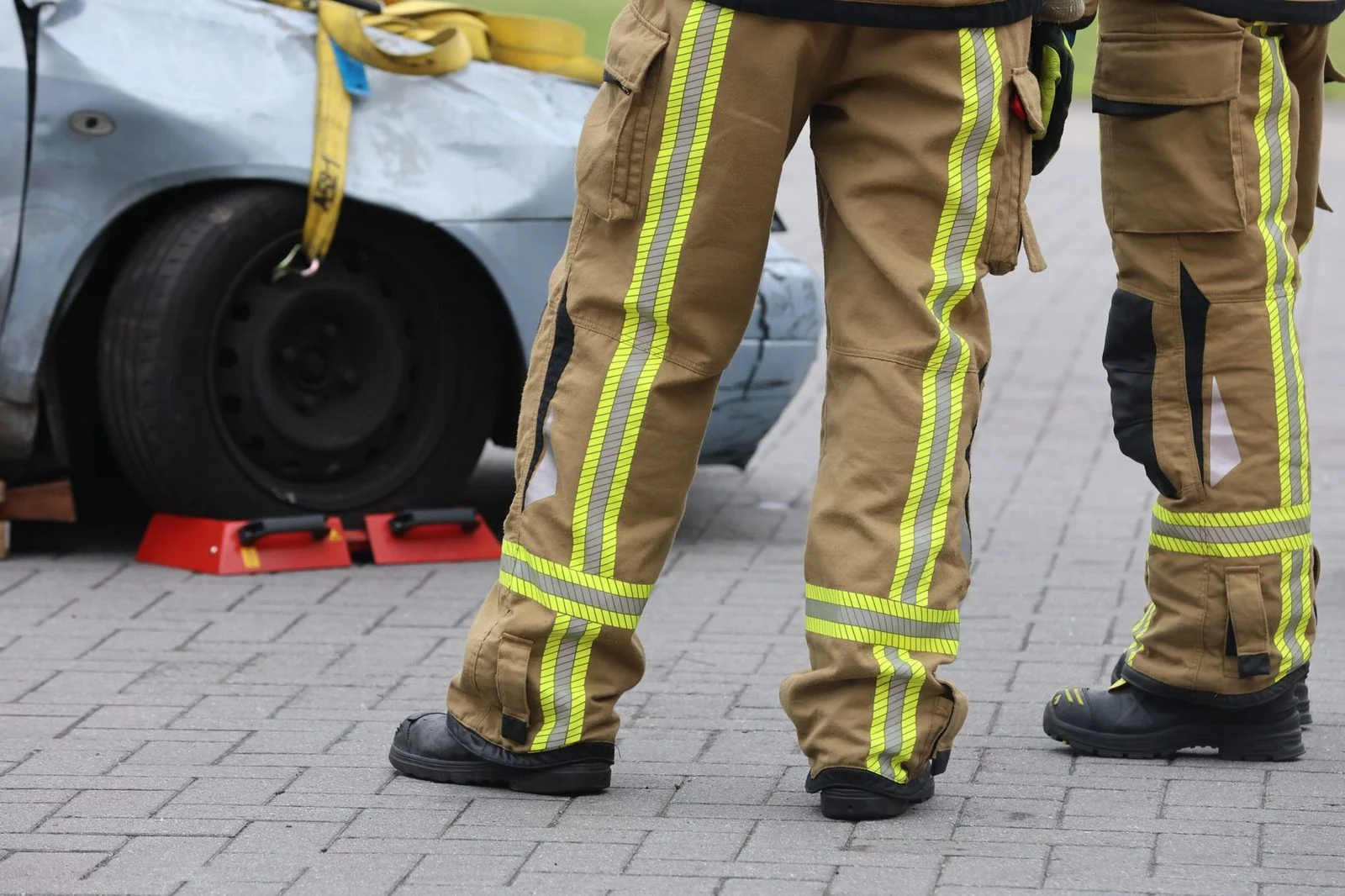
What to know after a van crash
If a work van crash has left you or someone you love hurt, the next step is a conversation about what happened. You may still be in treatment, out of work, or helping a family member through a hard time. You don’t have to sort out the next step alone.
When you’re ready, share the date, the location, the type of van, and the injuries with the firm.