
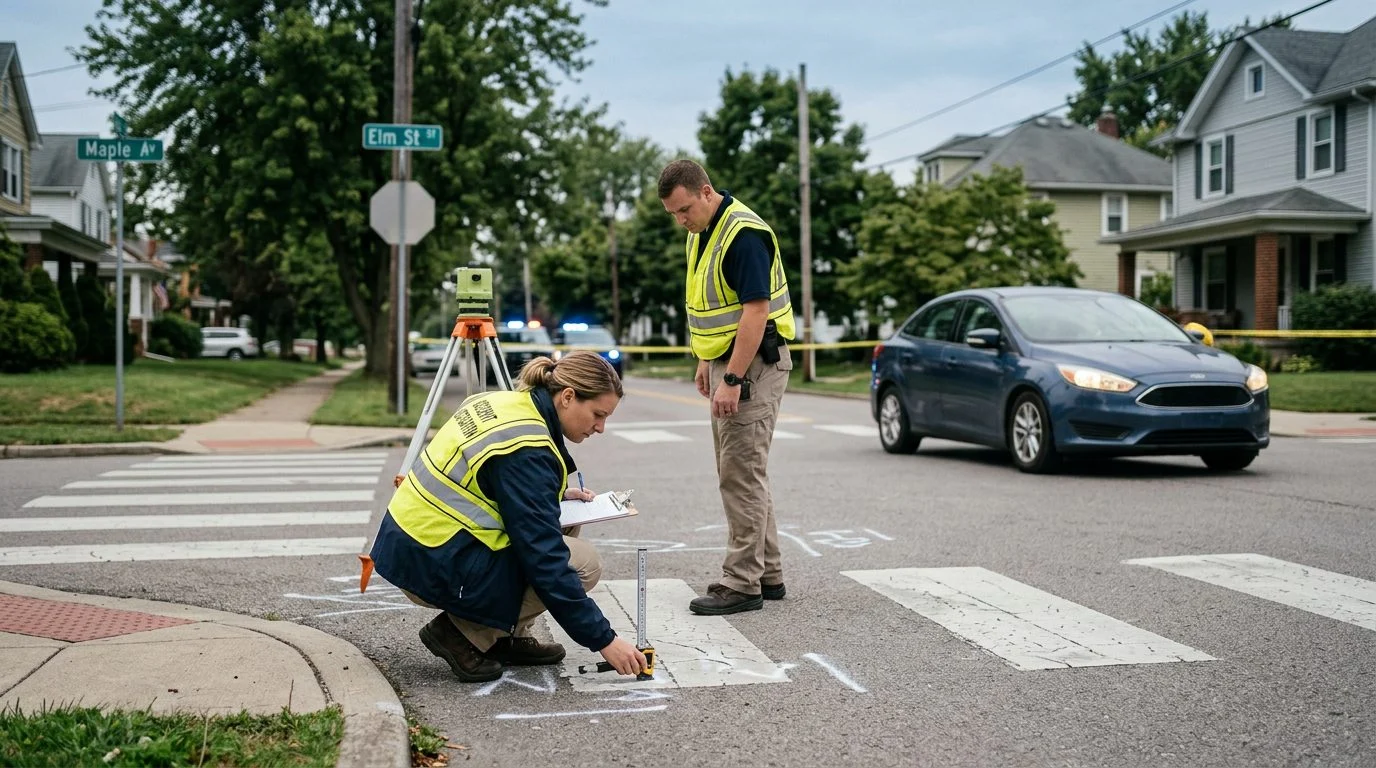
Construction Zone Crashes | West Virginia
Hurt in a Construction Zone Crash? Talk to Big Bubba Injury Law
Crashes in highway work zones can involve passenger cars, commercial trucks and crews working close to traffic. The firm represents injured people and families across West Virginia, including Charleston, Huntington, Morgantown, Wheeling, Martinsburg, Parkersburg, Beckley, Clarksburg, Fairmont and Weirton.
Published October 31, 2026
Looking for a construction zone crash injury lawyer in West Virginia? This page explains why these crashes raise their own questions. It covers who may share responsibility, how workers’ compensation fits in, and which deadlines matter early.
Why Construction Zone Crashes Often Involve Serious Injuries
Construction zones often produce serious crashes because the road changes suddenly. Lanes shift and narrow, temporary barriers sit close to live traffic, and drivers may have to slow fast.
Crews often work a few feet from moving vehicles. A driver, a passenger, or a worker can be hit in the same crash.
Federal standards are meant to guide these setups. The Manual on Uniform Traffic Control Devices covers work zone signs, channelizing devices such as cones and barrels, and flagger placement. When a setup falls short of those standards, the gap can become a key question.
Large trucks and heavy equipment raise the stakes. Their weight means impacts tend to be more severe. West Virginia recorded 256 motor-vehicle crash deaths in 2024, a rate of 14.5 per 100,000 people, according to the Insurance Institute for Highway Safety.
Not sure what your next step is?
Talk it through with Big Bubba — the first case review is free, confidential, and carries no obligation.

Who May Be Responsible When a Work Zone Crash Happens
More than one party can be responsible after a work zone crash. Which parties are responsible turns on how the crash happened.
Possible responsible parties include:
- A driver who failed to slow down or pay attention.
- A contractor or subcontractor that set up or maintained the zone.
- The employer of a driver whose conduct contributed to the crash.
- A government agency that owns or oversees the road, in some situations.
Investigators often look at the traffic control plan, lane closure setup, and signage. Identifying every possible party early matters, because insurance may come from more than one source.
West Virginia uses modified comparative fault. Under W. Va. Code § 55-7-13c, an injured person’s fault bars recovery only if it is greater than the combined fault of everyone else responsible. Otherwise, recovery is reduced in proportion to that person’s fault.
That cap is not available to an employer without at least $3 million in commercial motor vehicle insurance covering the injury. W. Va. Code § 55-7-32 reads: “(d) This section does not apply if the civil action involving a commercial motor vehicle arises from an incident for which an operator or driver is found to have.” The statute also lists exceptions, such as hours-of-service violations.
Injured Workers, Workers’ Compensation, and Third-Party Claims
A worker hurt in a construction zone crash may have two paths. Workers’ compensation is an employer-based benefit system. A third-party claim is a separate claim against someone outside that system, such as a negligent driver.
The two tracks can run at the same time. That is why coordinating them is a common concern for injured workers. The order of steps deserves careful planning.
Which path fits turns on who caused the crash and how the injury happened. A worker may have one option or both. Keeping records of the crash, the injury, and the work schedule helps when those questions come up.
Catastrophic Injuries Common in Work Zone Crashes
Construction zone crashes can cause catastrophic injuries, which change a person’s life for the long term. Traumatic brain injury and spinal cord injury are two of the most serious examples.
Traumatic brain injury can follow a hard impact to the head. Memory gaps, confusion, and headaches do not always appear right away. They can show up days or weeks after a crash. Anyone with new symptoms should get prompt medical evaluation. The firm’s page on memory gaps after a crash is a general reference, not a substitute for medical care.
Spinal cord injury can cause paralysis, meaning loss of movement or feeling in part of the body. These injuries often bring long-term needs, such as medical equipment, therapy, and home changes.
Other catastrophic harm includes crush injuries, fractures, amputations, and internal injuries. Heavy equipment and vehicle impacts can cause these, and their effects can last well beyond the crash.
When a Family Member Dies in a Construction Zone Crash
When a work zone crash causes a death, West Virginia law lets a personal representative bring the wrongful death claim for the family. A personal representative is the person formally appointed to act for the person who died.
These include sorrow, mental anguish, and solace, such as companionship and guidance. They also include lost income and services the person would have provided, medical and hospital care, and reasonable funeral expenses.
The same statute lets the jury or court decide how damages are shared among a surviving spouse, children, and certain others.
Families often face several demands at once. These include a death investigation, calls from insurance companies, and funeral plans. Gathering records early, such as the crash report and medical bills, can help the family keep the facts straight. These are hard days, and the process can feel overwhelming.
Evidence and Deadlines That Matter Early
Under W. Va. Code § 55-2-12, a personal action for which no other limitation is prescribed must be brought within two years after the right to bring it accrued, if it is for personal injuries.
For wrongful death, W. Va. Code § 55-7-6 requires the action to be commenced within two years after the death, subject to the provisions of section eighteen, article two, chapter fifty-five. W. Va. Code § 55-7-6 reads: “The provisions of this section shall not apply to actions brought for the death of any person occurring prior to July 1, 1988.” Under W. Va. Code § 55-7-6(d), every wrongful death action shall be commenced within two years after the death of the deceased person, subject to the provisions of section eighteen, article two, chapter fifty-five. W. Va. Code § 55-7-6 reads: “The provisions of this section shall not apply to actions brought for the death of any person occurring prior to July 1, 1988.” Claims against a county or city follow W. Va. Code § 29-12a-6.
Another rule applies early. Under W. Va. Code § 55-7-11a, for twenty days after an injury, no one may negotiate or attempt to negotiate a settlement with an injured person who is in the hospital or partially or totally unable to engage in his or her usual trade, profession or occupation. Under W. Va. Code § 55-7-11a, a settlement, release of liability or statement entered into, obtained or made in violation of that section may be disavowed by the injured person at any time within one hundred eighty days from the date of the personal injury by executing a written statement of disavowal and forwarding a copy of it to the person who violated that section.
Useful evidence includes photos of the work zone, the signage and lane setup, traffic control plans, the police report, vehicle or dashcam data, witness contact details, and medical records. Road conditions can change quickly after a crash, so early documentation matters.
Is there a time limit for a personal injury claim in West Virginia?
Yes. Under W. Va. Code § 55-2-12, most personal injury actions must be brought within two years.
How long does a family have to file a wrongful death claim?
Under W. Va. Code § 55-7-6, the action must be commenced within two years after the death, subject to the provisions of section eighteen, article two, chapter fifty-five. W. Va. Code § 55-7-6 reads: “The provisions of this section shall not apply to actions brought for the death of any person occurring prior to July 1, 1988.”
Not sure what your next step is?
Talk it through with Big Bubba — the first case review is free, confidential, and carries no obligation.
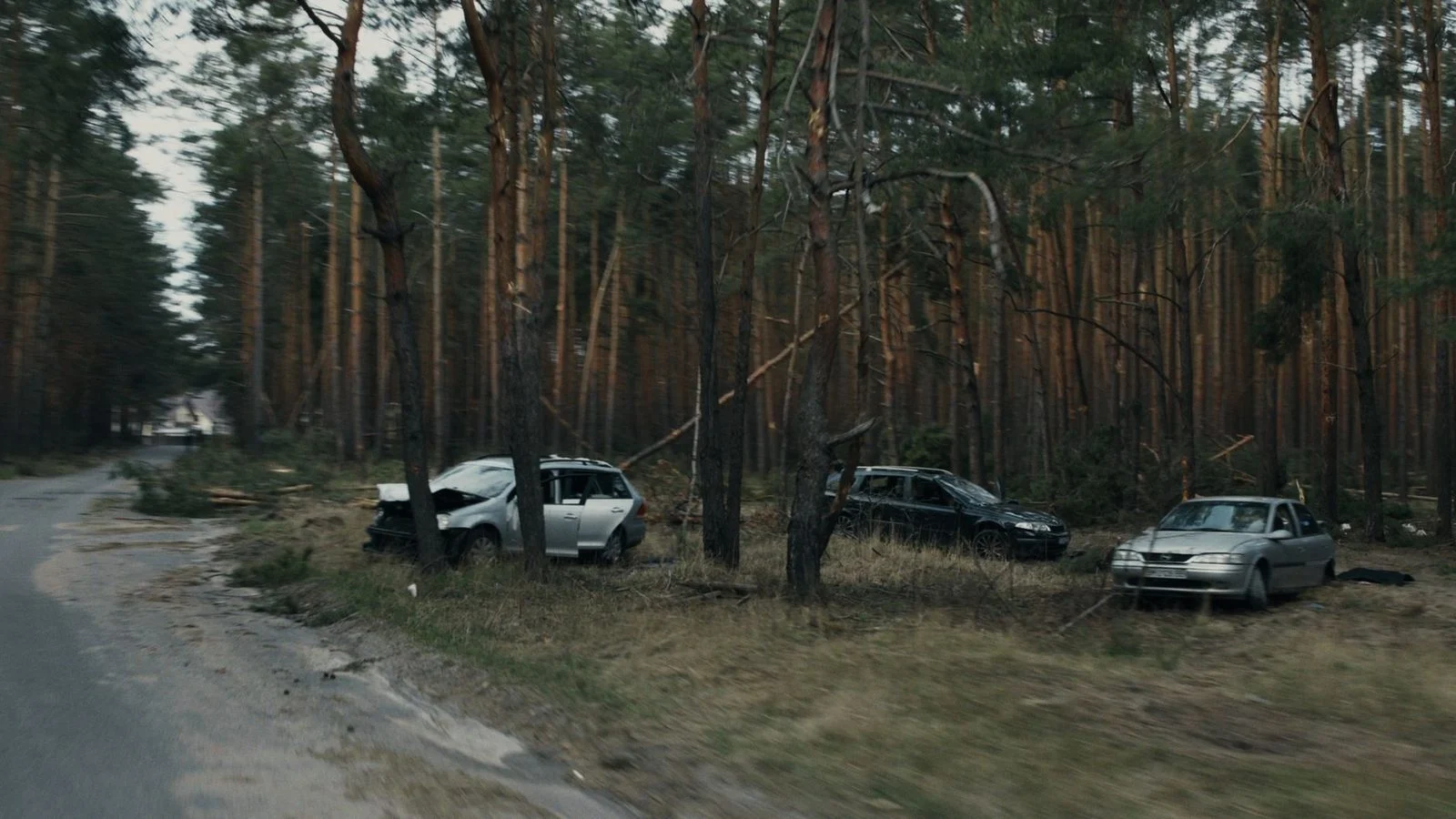
Speaking With the Firm About Your Construction Zone Crash
If you need a construction zone crash injury lawyer in West Virginia, Big Bubba Injury Law handles car accidents, truck and commercial vehicle accidents, catastrophic injuries, traumatic brain injury, spinal cord injury, and wrongful death. The firm serves injury victims across West Virginia, including Charleston.
If a work zone crash left you, a coworker, or a family member with serious injuries, or took someone you love, you do not have to sort out the next steps alone. Request a free case review with the firm. The review is confidential and carries no obligation to continue.