
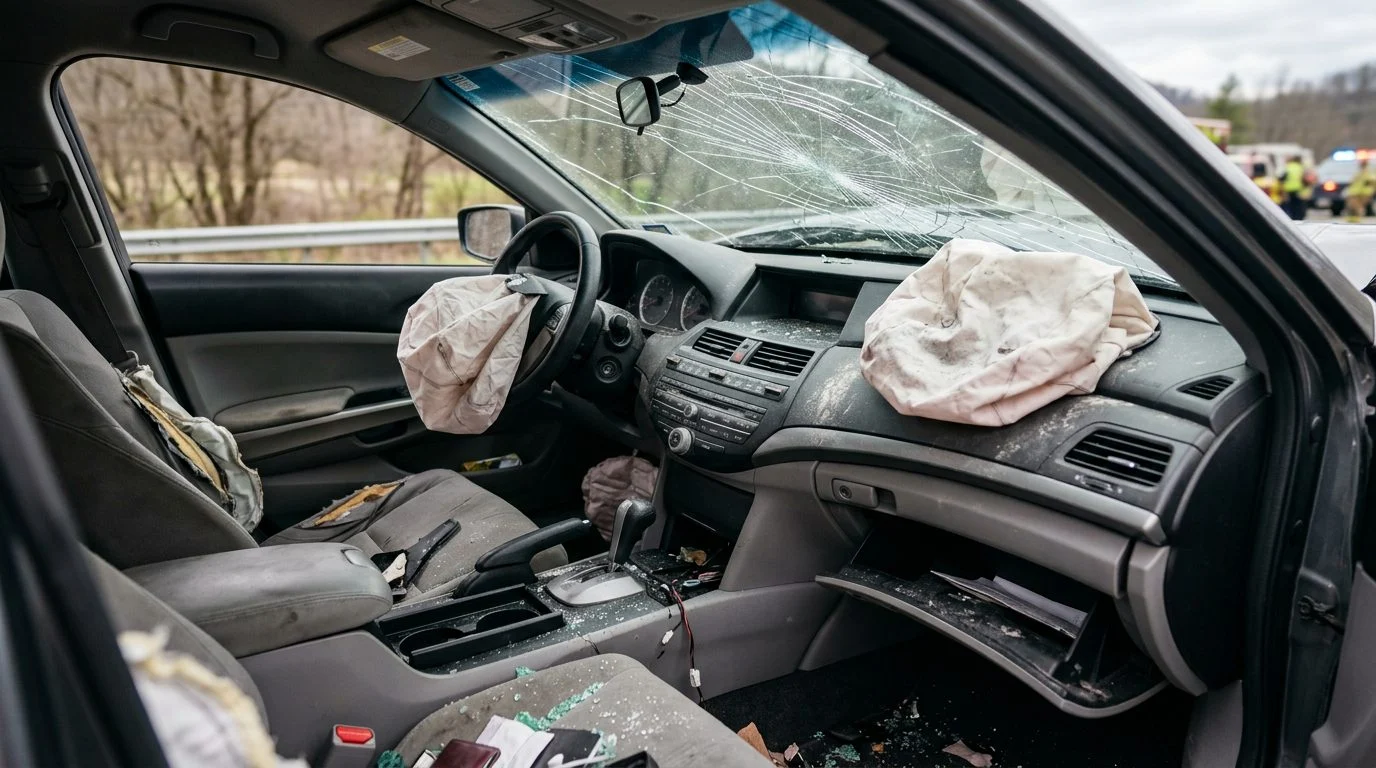
Head-On Collision Injury Claims | West Virginia
Hurt in a Head-On Collision? Tell Us What Happened.
Head-on crashes can cause serious, life-changing injuries. The firm represents people hurt in car and commercial truck crashes and families in wrongful death cases across West Virginia.
Published November 7, 2026
A head-on collision lawyer in West Virginia helps people hurt when two vehicles strike front to front. The firm handles these claims for injured drivers and passengers and for families who lose a loved one. This page explains how these claims work, what they may cover, and what to expect next.
What a Head-On Collision Injury Claim Is and Who It Is For
A head-on collision injury claim seeks compensation after two vehicles traveling in opposite directions strike each other front to front. These crashes often happen on two-lane roads, which run through many parts of West Virginia. The injured person may bring the claim. If someone dies, the family may pursue it through a personal representative.
Your claim is about two things: who was responsible, and what the crash took from you. A police report is one piece of evidence, not the whole story. Head-on impacts can be severe because neither driver has much room to react.
This page is for drivers, passengers, pedestrians, motorcyclists, and families of people killed in head-on crashes. Many are still dealing with hospital care, missed work, and calls from insurance companies. If that’s your situation, tell Bubba what happened. The firm will listen to the details and explain which options may apply.
If a head-on crash left you or a family member hurt, you may have a claim, and the firm is ready to hear what happened. Talk it through with Big Bubba — the first case review is free, confidential, and carries no obligation.
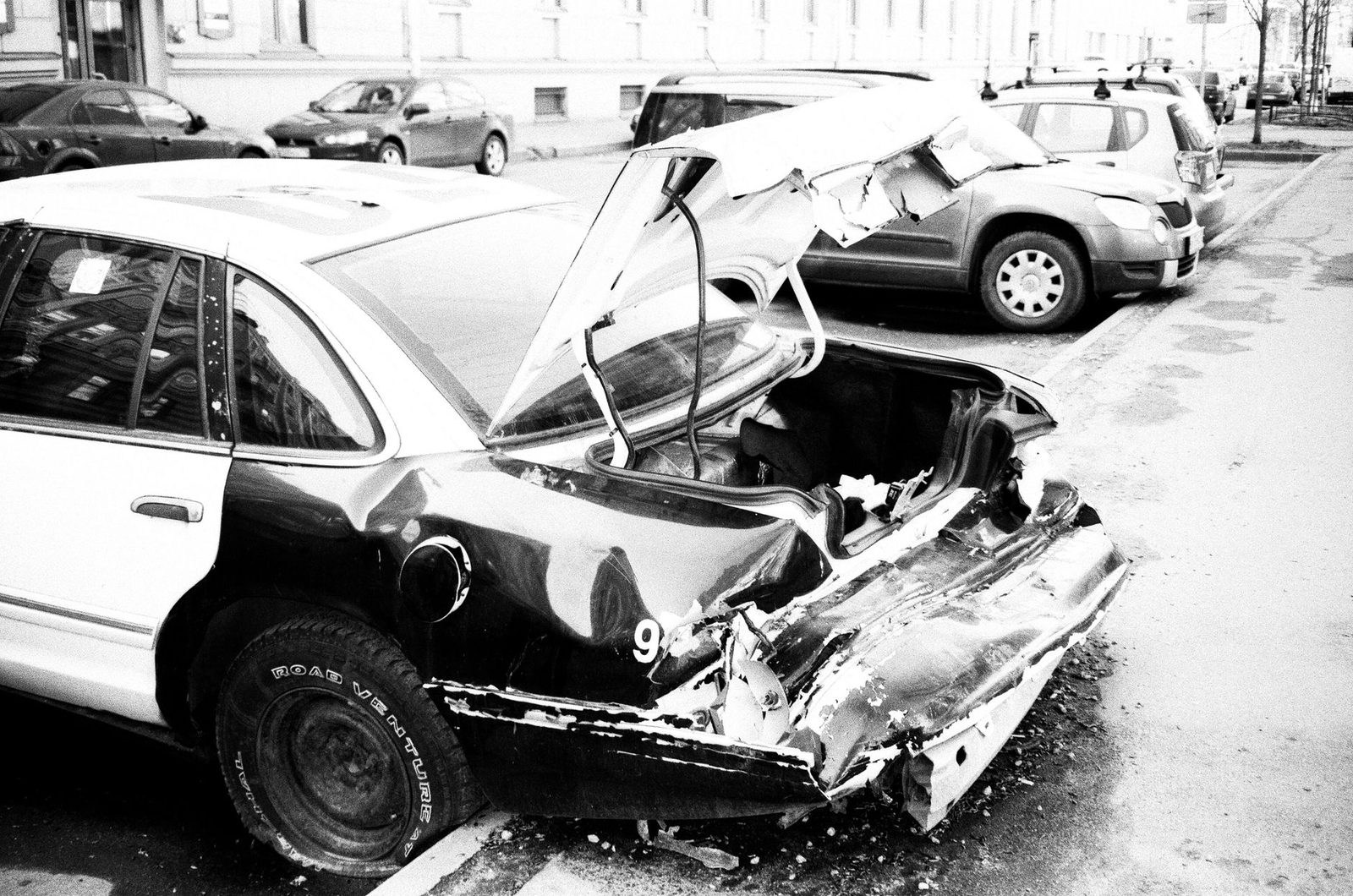
Common Causes of Head-On Crashes on West Virginia Roads
A head-on crash usually starts when one vehicle leaves its own lane and enters oncoming traffic. Common causes include:
- Crossing the center line on a curve or hill
- Passing in a no-passing zone
- Distracted driving, such as texting or using a phone
- Impaired or drowsy driving
- Wrong-way entry onto a highway or ramp
- Loss of control on wet, icy, or rough pavement
Road design, lighting, and weather may also play a role. The cause of a specific crash may not be clear until the evidence is reviewed. Some crashes involve disputes about who crossed the line, so the evidence matters. If another driver was at fault, that driver may be responsible for part of the harm.
West Virginia law may treat an impaired driver’s share of fault differently.
What Your Claim May Cover
A head-on crash claim may seek payment for losses the crash caused. Losses may include:
- Medical care. Emergency treatment, hospital stays, surgery, imaging, rehabilitation, and future care a doctor recommends because of the crash.
- Lost income. Wages missed during recovery, and earning ability that may be limited later.
- Property damage. Repair or replacement of the vehicle, and related expenses such as a rental car.
- Pain and suffering. The non-financial impact of injury, such as ongoing pain and lost enjoyment of daily life.
- For a death, West Virginia’s wrongful death statute lets the jury award damages it finds fair and just, and requires the jury to state separately the amount for reasonable funeral, hospital and medical expenses. These include sorrow, mental anguish, and solace, reasonably expected loss of income and of services, protection, care and assistance provided by the decedent, expenses for the care, treatment and hospitalization of the decedent incident to the injury resulting in death, and reasonable funeral expenses.
Which losses apply depends on the facts and on West Virginia law.
Catastrophic Injuries and Wrongful Death After a Head-On Crash
A head-on crash can cause catastrophic injuries, such as traumatic brain injury and spinal cord injury. These injuries may change how a person thinks, moves, or feels for a long time. Some brain injuries do not show clear symptoms right away. Symptoms may appear hours or days later.
Other injuries can include broken bones, internal injuries, and burns. The full effects of a brain or spinal cord injury may take time to become clear. Anyone hurt in a crash should seek medical evaluation, even if they feel okay at first.
When a head-on crash kills someone, certain family members may have the right to bring a claim. Under W. Va. Code § 55-7-6, the action is brought by the decedent’s personal representative.
If a commercial truck was involved, records may matter. Federal rules set minimum retention periods for carrier records, and some records may be discarded after those periods. Early preservation can matter, so 49 C.F.R. § 379.3 is worth knowing about from the start.
How the Claim Process Works, Step by Step
A head-on injury claim usually moves through a few stages. It can start with a free case review and sometimes ends in a lawsuit. Each step builds on the one before.
- Free case review. The firm offers a free case review. It is confidential and carries no obligation to continue. You describe the crash, your injuries, and any insurance contacts. The firm then explains your options. Request a free case review to begin.
- Preserve evidence. Gather the police crash report, photos, witness names, and medical records. Some evidence, such as vehicle data or video, may be overwritten if it is not requested promptly.
- Investigate. Review the scene, vehicle damage, road conditions, and the other driver’s records. The scope of this work varies by crash.
- Document the losses. Collect medical records, bills, and employment records, including records of ongoing treatment.
- Present the claim. The claim goes to the insurer for the at-fault party. Some insurers may dispute fault or the value of a claim. Avoid giving recorded statements until you have spoken with the firm. West Virginia law also limits settlement contact during the first 20 days after an injury, when the injured person is in a hospital or unable to work. See W. Va. Code § 55-7-11a.
- Consider a lawsuit. If a fair resolution is not reached, the firm can discuss filing a lawsuit. West Virginia generally allows two years to file a personal injury claim, and exceptions may apply.
How the Firm Works With Head-On Crash Victims and Families
The firm handles car accident, truck accident, commercial vehicle accident, catastrophic injury, traumatic brain injury, spinal cord injury, and wrongful death claims in West Virginia. Families dealing with a head-on crash can bring those questions to a head-on collision lawyer at the firm.
We serve injury victims and families across West Virginia, including Charleston, Huntington, Morgantown, Wheeling, Martinsburg, Parkersburg, Beckley, Clarksburg, Fairmont, and Weirton.
The firm takes a plain-language, fact-focused approach to each crash. It looks at what happened on the road, what the records show, and how each injury affects daily life. Depending on the crash, responsibility may extend beyond the driver, as West Virginia law may allow.
You can reach the firm by phone or through its website. The free case review is confidential and carries no obligation to continue. At that first conversation, the firm explains the steps and the questions to expect.
Not sure what your next step is?
Talk it through with Big Bubba — the first case review is free, confidential, and carries no obligation.

Frequently Asked Questions About Head-On Collision Claims in West Virginia
What should I do right after a head-on crash?
Get medical care, report the crash to police, and write down what you remember. Avoid recorded statements to the other driver’s insurer until you have spoken with the firm.
Can I still have a claim if I was partly at fault?
West Virginia uses modified comparative fault, which generally does not bar recovery unless your fault is greater than the combined fault of others. W. Va. Code § 55-7-13c explains how recovery is reduced by your share of fault.
How long do I have to file?
West Virginia generally allows two years for a personal injury claim, and exceptions may apply. For a wrongful death claim, W. Va. Code § 55-7-6 generally sets two years from the date of death.
What if the other driver’s insurer calls me?
Some insurers may dispute a claim. It is reasonable to refer their questions to the firm before you give a statement.
Does a truck head-on crash work differently?
Commercial vehicle claims may involve more parties and more records, such as driver logs and company files. 49 C.F.R. § 379.3 sets minimum retention periods for carrier records.
Who can bring a wrongful death claim?
Under West Virginia law, the claim is generally brought by the deceased person’s personal representative. Damages may be shared among certain surviving family members, as W. Va. Code § 55-7-6 describes.
If you are still recovering from a head-on crash, or you are facing a family loss after one, contact the firm about your case now. You can reach out to us to talk through what may come next in your situation.