
West Virginia Injury Claims
How Long a Catastrophic Injury Case Can Take in West Virginia
Serious injuries take time to understand. Here is what shapes the pace of a catastrophic injury case, from the first weeks through resolution, and how to plan around it.
Published October 23, 2026
If you are asking how long a catastrophic injury case typically takes to settle or go to trial, the honest answer is that there is no single timeline. Serious cases usually take longer than minor ones, and the facts of each case set the pace. This page explains why, walks through the stages, and covers the West Virginia filing deadlines you should know about.
Why catastrophic injury cases often take longer than other injury claims
Catastrophic injury cases usually take longer because the full harm is often not clear for months.
Traumatic brain injury and spinal cord injury are the injuries most people picture here. Both can change a life in ways that take time to measure. Doctors may need repeated testing and therapy before they can say what recovery looks like. Some effects only show up as the first shock of an injury fades.
Insurers and the other side usually want complete medical records before they evaluate a claim. Gathering those records from hospitals, rehabilitation centers, and treating doctors can take months, because each provider keeps its own schedule.
A quick settlement is less common in these cases. Future medical care, lost ability to earn, and long-term daily help are hard to measure while treatment is still going on. Families often want answers fast, and that wish is understandable. A fair claim still needs enough information to show what the injury will mean over time.
For broader context, read our catastrophic injuries overview.
If you are weighing a serious injury or wrongful death claim while a loved one recovers, you don't have to work out the timeline alone; request a free case review. Talk it through with Big Bubba — the first case review is free, confidential, and carries no obligation.

The stages of a serious injury or wrongful death claim
A serious claim usually moves through five stages: early care, investigation, demand, lawsuit, and resolution.
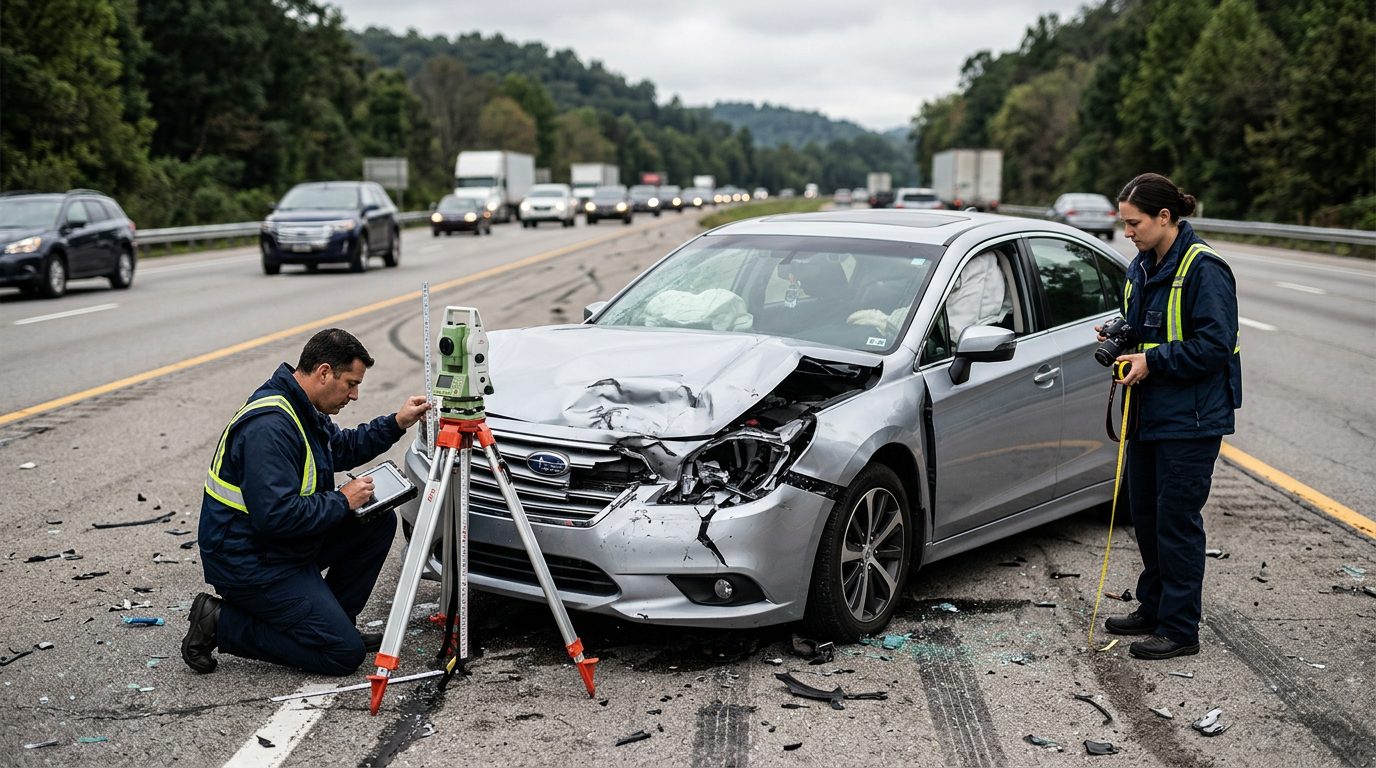
Early stage. The crash is reported, medical treatment starts, and evidence is preserved. Crash reports, photos, and vehicle data can be lost if no one asks for them early.
Investigation. The firm gathers police reports, witness statements, and medical records. In a truck case, it also looks for driver logs and maintenance records.
Demand and negotiation. The claim is valued and presented to the insurer, which responds. This is often where a settlement is reached, though not always.
Litigation. If talks do not succeed, a lawsuit is filed. Discovery follows. That means exchanging documents, answering written questions, and giving depositions (sworn interviews outside the courtroom). Medical and accident-reconstruction witnesses may testify.
Resolution. The case ends through mediation (a neutral person helps both sides talk), a settlement, or a trial.
Wrongful death claims follow the same general path. Survivors and the decedent’s estate are both part of the process, and that can shape the order of steps.
What can speed up or slow down the timeline
Disputed fault and many at-fault parties usually slow a case down. Clear liability and complete records often help it move faster.
Several things can add months. Fault may be disputed. More than one party may share blame. A trucking company may fight the claim hard. Treatment may still be ongoing, and many witnesses may need to testify.
West Virginia’s fault rules matter here. Under W. Va. Code § 55-7-13c, a plaintiff’s fault does not bar recovery unless it is greater than the combined fault of all other persons responsible. If it is less, the recovery is reduced in proportion to the plaintiff’s share of fault.
Naming other parties takes time too. Under W. Va. Code § 55-7-13d, a nonparty’s fault is considered if the plaintiff entered into a settlement agreement with the nonparty or if a defending party gives notice no later than one hundred eighty days after service of process that the nonparty was wholly or partially at fault.
Truck crashes often add records to the picture. Under 49 C.F.R. § 395.8, a motor carrier must keep driver records of duty status for at least 6 months from the date of receipt. Under 49 C.F.R. § 396.3, maintenance records must be kept for 1 year where the vehicle is housed, and for 6 months after it leaves the carrier’s control. Because those windows are limited, early requests matter.
Settlement versus trial: how each one unfolds
Some serious injury claims settle through negotiation or mediation, while others go to trial. Settlement is usually faster when both sides agree on what the claim is worth.
Settlement timing depends on when the medical picture is clear. An offer made too early may not reflect future needs. Whether a case settles or goes to trial is decided case by case.
Early contact from an insurer has its own rule. Under W. Va. Code § 55-7-11a, no one may negotiate or attempt to negotiate a settlement, obtain or attempt to obtain a partial or general release of liability from the injured person, or obtain or attempt to obtain a statement from the injured person for use in settlement, within twenty days of the injury while the injured person is an inpatient in any hospital or partially or totally unable to engage in his or her usual trade, profession or occupation. A person who may be liable for damages may still make an advance payment, which is allowed as full credit against any damages later found due, and a statement may be obtained by someone acting for the injured person upon that person’s express request. Under W. Va. Code § 55-7-11a, an injured person may disavow a settlement, release or statement made in violation of that rule within one hundred eighty days from the date of the personal injury by executing a written statement of disavowal and forwarding a copy to the person who violated the rule; the settlement, release or statement then may not be admissible in evidence if any consideration paid is repaid or returned.
Trial takes more time. It adds the court’s calendar, pretrial motions, scheduling of witnesses, and the trial itself. A trial date is a scheduling step. It does not decide the outcome. Each path has tradeoffs, and the right pace for one family may not fit another.
West Virginia filing deadlines and why they matter
In West Virginia, a personal injury lawsuit generally must be filed within two years of when the right to sue arises (W. Va. Code § 55-2-12).
The state’s general rule for personal injury claims appears in W. Va. Code § 55-2-12.
Wrongful death has its own rule. Under W. Va. Code § 55-7-6, the action must be brought by the personal representative of the deceased person’s estate, within two years after the death, subject to the provisions of section eighteen, article two, chapter fifty-five. W. Va. Code § 55-7-6 reads: “The provisions of this section shall not apply to actions brought for the death of any person occurring prior to July 1, 1988.”
Some situations can change when the clock starts. The same date may not apply to every claim, so the timing should be checked against the specific injury or death. Missing a deadline can prevent a case from moving forward at all. Because the deadlines are short compared with a long recovery, many families find it helps to learn the dates early, even while care is ongoing.

Taking the next step when a loved one is still recovering
If someone you love is still in the hospital or in rehabilitation, the timeline question can feel impossible to answer. You may also be handling work changes and grief at the same time.
Knowing how long a catastrophic injury case typically takes to settle or go to trial can help you plan. It can also help you decide what to ask next. If you are weighing a brain injury, spinal cord injury, or wrongful death claim, you don’t have to sort out the timeline alone. The firm invites you to request a free case review. The review is confidential, and it gives you a chance to talk through where your situation stands.